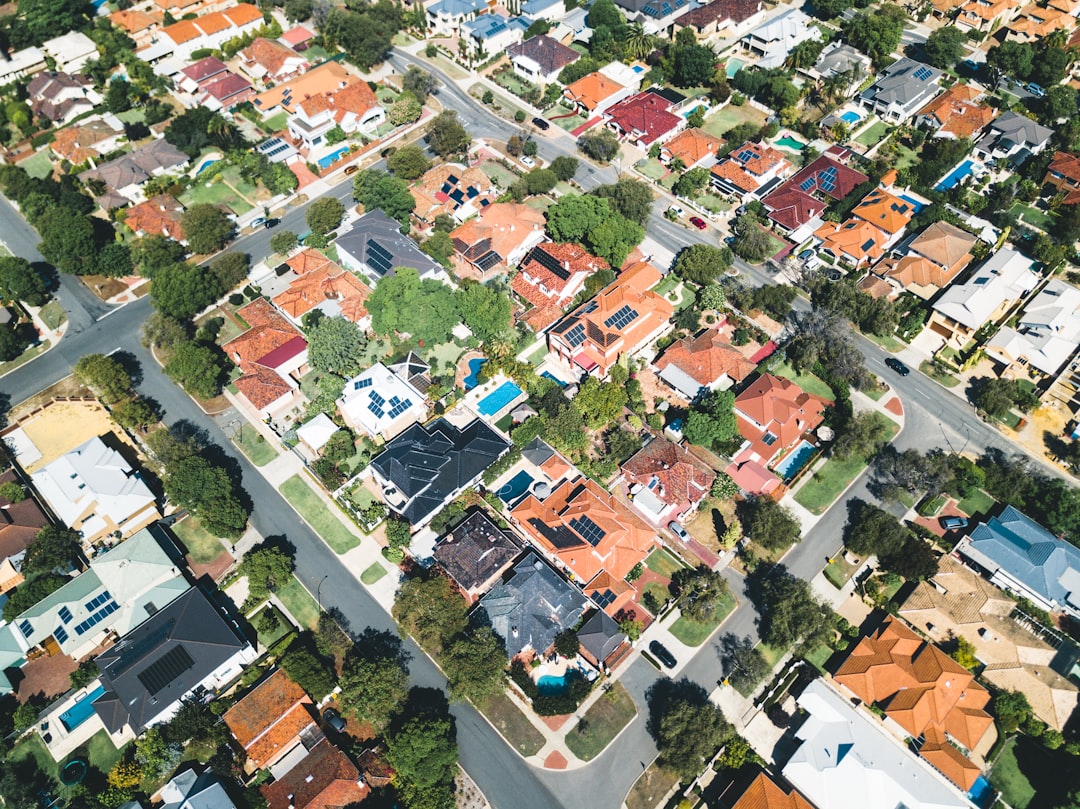
As the Australian property market continued to evolve, 2022 emerged as a pivotal year for investors, homeowners, and industry analysts alike. The landscape was shaped by a myriad of factors, including economic conditions, government policies, and shifting consumer preferences. Predictions for the year were characterized by a blend of optimism and caution, as stakeholders sought to navigate the complexities of a post-pandemic world.
The interplay of these elements created a dynamic environment, prompting many to reassess their strategies and expectations regarding property investments. In this context, understanding the nuances of the Australian property market became essential for anyone looking to make informed decisions. The predictions for 2022 were not merely speculative; they were grounded in data and trends observed in previous years.
Analysts anticipated that the market would experience fluctuations influenced by both local and global economic conditions, making it crucial for investors to stay abreast of developments that could impact property values and rental yields.
Key Takeaways
- Australian property market is predicted to experience continued growth in 2022, driven by various economic factors and government policies.
- Economic factors such as low interest rates, strong population growth, and improving employment conditions are expected to positively influence the property market.
- Government policies, including incentives for first-time homebuyers and infrastructure development, will play a significant role in shaping property market trends.
- Forecasted trends indicate an increase in property prices and rental yields, particularly in major cities and regional areas with strong economic prospects.
- Regional variations in property market performance are expected, with some areas experiencing higher demand and price growth compared to others.
Economic Factors Influencing the Property Market
The Australian economy in 2022 was marked by a recovery from the disruptions caused by the COVID-19 pandemic. Economic indicators such as GDP growth, employment rates, and consumer confidence played significant roles in shaping the property market. As businesses reopened and consumer spending increased, there was a renewed sense of optimism that translated into heightened demand for residential and commercial properties.
However, the economic landscape was not without its challenges. Inflationary pressures began to emerge, driven by supply chain disruptions and increased demand for goods and services.
These factors raised concerns about potential interest rate hikes, which could impact borrowing costs and, consequently, property affordability. Investors were keenly aware that while economic growth could stimulate the property market, rising inflation and interest rates posed risks that could dampen enthusiasm among potential buyers.
Impact of Government Policies on Property Market Trends

Government policies played a crucial role in shaping the trajectory of the Australian property market in 2022. Initiatives aimed at promoting homeownership, such as grants for first-time buyers and incentives for new construction, were designed to stimulate demand in a competitive market. These policies not only encouraged individuals to enter the property market but also aimed to address housing affordability issues that had become increasingly pressing in urban areas.
On the flip side, regulatory measures aimed at curbing speculative investment and ensuring sustainable growth also influenced market dynamics. Stricter lending criteria and changes to taxation policies were implemented to mitigate risks associated with rapid price increases. Investors had to navigate this evolving regulatory landscape carefully, as compliance with new rules could impact their investment strategies and overall returns.
Forecasted Trends in Property Prices and Rental Yields
| Year | Property Prices | Rental Yields |
|---|---|---|
| 2021 | 5% | 4.5% |
| 2022 | 7% | 4.2% |
| 2023 | 6.5% | 4.0% |
As 2022 unfolded, forecasts regarding property prices and rental yields indicated a mixed outlook. While some analysts predicted continued price growth in certain metropolitan areas due to strong demand and limited supply, others cautioned that price corrections could occur as interest rates began to rise. The divergence in predictions highlighted the complexity of the market, where local conditions could significantly influence outcomes.
Rental yields were also expected to experience fluctuations as demand for rental properties remained robust in urban centers. With many individuals returning to cities after remote work arrangements, competition for rental properties intensified. However, the potential for rising interest rates could lead to increased costs for landlords, prompting some to reassess their rental pricing strategies.
Investors were advised to remain vigilant and adaptable in response to these evolving trends.
Regional Variations in Property Market Performance
The Australian property market was characterized by significant regional variations in performance throughout 2022. While major cities like Sydney and Melbourne continued to attract attention due to their established markets and infrastructure, emerging regional areas began to gain traction as desirable locations for both investors and homebuyers. Factors such as lifestyle changes prompted by the pandemic led many individuals to seek properties outside urban centers, driving demand in regional markets.
In contrast, some regions faced challenges related to oversupply or declining population growth, which impacted property values negatively. Investors needed to conduct thorough research into local market conditions to identify opportunities that aligned with their investment goals. Understanding these regional dynamics was essential for making informed decisions in an increasingly diverse property landscape.
Influence of Interest Rates on Property Market Activity
Interest rates remained a focal point of discussion among property investors in 2022. The Reserve Bank of Australia (RBA) signaled its intention to maintain low rates for an extended period; however, inflationary pressures raised questions about the timing of potential rate hikes. As borrowing costs remained low, many buyers were encouraged to enter the market, contributing to heightened competition and price growth.
Nevertheless, the prospect of rising interest rates loomed large over the market. Investors were acutely aware that even modest increases could impact affordability and dampen buyer sentiment. As a result, many began to reassess their financing strategies and consider fixed-rate loans as a hedge against future rate increases.
The interplay between interest rates and property market activity underscored the importance of staying informed about economic indicators and central bank policies.
Predicted Demand for Residential and Commercial Properties
The demand for both residential and commercial properties was expected to evolve throughout 2022 as economic conditions shifted. In the residential sector, strong demand was anticipated due to ongoing population growth and lifestyle changes resulting from the pandemic. Many individuals sought larger living spaces or properties with home office capabilities, driving interest in suburban and regional areas.
On the commercial side, demand was expected to be influenced by changing work patterns and consumer behavior. While some sectors, such as retail and hospitality, faced challenges due to ongoing restrictions and shifts toward online shopping, others like logistics and warehousing experienced growth driven by e-commerce trends. Investors needed to remain agile in their approach, recognizing that different segments of the commercial market would respond uniquely to evolving economic conditions.
Factors Affecting Supply of Properties in the Market
The supply of properties in the Australian market was influenced by various factors throughout 2022. Construction activity faced challenges due to labor shortages and rising material costs, which impacted the pace of new developments coming onto the market. As demand continued to outstrip supply in many areas, particularly in urban centers, concerns about housing affordability became more pronounced.
Additionally, zoning regulations and land availability played critical roles in determining how quickly new properties could be developed. Investors needed to be aware of local planning policies that could either facilitate or hinder new construction projects. Understanding these supply-side dynamics was essential for making informed investment decisions in a competitive market.
Emerging Trends in Property Investment Strategies
As 2022 progressed, emerging trends in property investment strategies began to take shape. Many investors shifted their focus toward sustainable and environmentally friendly properties, recognizing the growing importance of sustainability among consumers. Properties with energy-efficient features or those located in eco-friendly developments gained popularity as buyers sought homes that aligned with their values.
Furthermore, technology played an increasingly significant role in property investment strategies. The rise of digital platforms for property management and virtual tours allowed investors to streamline their operations and reach a broader audience. Adapting to these technological advancements became essential for investors looking to remain competitive in a rapidly changing market.
Potential Challenges and Risks in the Property Market
Despite the optimistic outlook for 2022, potential challenges and risks loomed over the Australian property market. Economic uncertainties related to global events could impact investor confidence and consumer spending patterns. Additionally, rising interest rates posed a risk of affordability issues for many buyers, potentially leading to a slowdown in market activity.
Moreover, regulatory changes aimed at curbing speculative investment could create headwinds for certain segments of the market. Investors needed to remain vigilant about potential policy shifts that could affect their portfolios. A proactive approach to risk management became essential for navigating these challenges while capitalizing on opportunities within the evolving landscape.
Expert Insights and Recommendations for Property Investors in 2022
Experts emphasized the importance of thorough research and due diligence for property investors navigating the complexities of the 2022 market. Understanding local conditions, economic indicators, and regulatory changes was crucial for making informed decisions. Additionally, diversifying investment portfolios across different asset classes could help mitigate risks associated with market fluctuations.
Investors were also encouraged to adopt a long-term perspective when evaluating potential properties. While short-term gains might be enticing, focusing on sustainable growth and cash flow generation would yield more favorable outcomes over time. By staying informed about emerging trends and adapting strategies accordingly, investors could position themselves for success in an ever-evolving property landscape.
In conclusion, the Australian property market in 2022 presented both opportunities and challenges for investors. By understanding economic factors, government policies, regional variations, and emerging trends, stakeholders could navigate this dynamic environment effectively. With careful planning and strategic decision-making, investors had the potential to thrive amidst the complexities of an evolving market landscape.
For those interested in the latest insights and predictions regarding the Australian property market, a related article can be found on Real Lore and Order. This resource provides valuable analysis and forecasts that can help investors and homeowners make informed decisions. You can read more about it by visiting this link.
WATCH THIS! Why Australia’s Middle Class Is Disappearing
FAQs
What are the current trends in the Australian property market?
The Australian property market has experienced a period of growth in recent years, with property prices increasing in major cities such as Sydney and Melbourne. However, there has been a slowdown in the market in some areas due to factors such as tighter lending restrictions and economic uncertainty.
What are the predictions for the Australian property market in the near future?
Predictions for the Australian property market vary, but some experts anticipate a continued slowdown in property price growth, particularly in major cities. Factors such as affordability constraints, oversupply in some areas, and global economic conditions may contribute to this trend.
How will government policies and regulations impact the Australian property market?
Government policies and regulations, such as changes to lending standards and taxation laws, can have a significant impact on the Australian property market. For example, restrictions on foreign investment and changes to negative gearing rules may influence property prices and market activity.
What are the factors influencing the Australian property market predictions?
Several factors influence predictions for the Australian property market, including economic conditions, population growth, housing supply and demand, interest rates, and consumer confidence. Global economic trends and geopolitical events can also impact the market.
What should potential buyers and sellers consider in light of these predictions?
Potential buyers and sellers in the Australian property market should consider factors such as market conditions, affordability, and their own financial circumstances when making decisions. It’s important to stay informed about market trends and seek professional advice before buying or selling property.