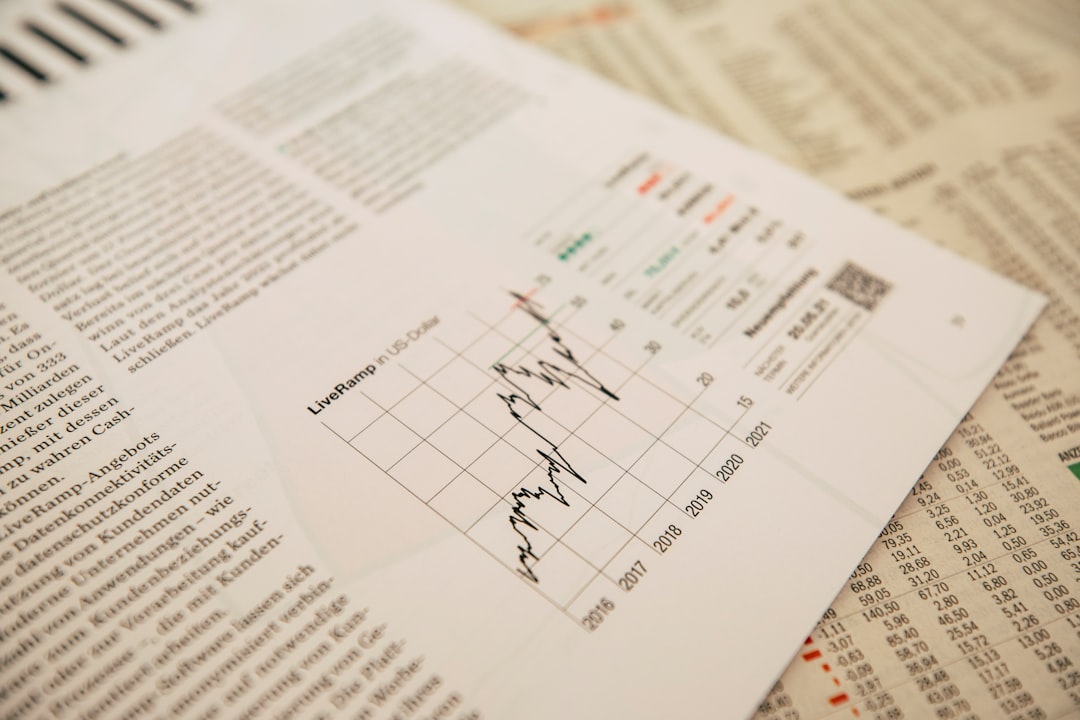
Economic trends function as critical indicators for forecasting future market performance and inform strategic decision-making across business, policy, and personal finance sectors. Following the global economic disruption caused by the COVID-19 pandemic and ongoing geopolitical instabilities, accurate economic forecasting has become essential for stakeholders navigating uncertain market conditions. This analysis examines the economic outlook for 2022, evaluating key drivers of economic trends, sector-specific projections, and consumer behavior patterns within current market dynamics.
Economic forecasting relies on systematic analysis of historical data, current market conditions, and emerging economic patterns to project future trends. This assessment examines global economic indicators, identifies primary factors influencing economic development, and provides sector-based forecasts across major industries. The analysis aims to provide stakeholders with data-driven insights necessary for informed decision-making in the current economic climate.
Key Takeaways
- Global economic growth in 2022 is expected to be moderate, influenced by ongoing pandemic recovery and geopolitical tensions.
- Key factors shaping economic trends include supply chain disruptions, inflation rates, and government policy responses.
- Major industries such as technology, healthcare, and renewable energy are projected to experience significant growth.
- Consumer spending is shifting towards e-commerce and sustainable products, impacting retail strategies.
- Employment trends indicate a rise in remote work and demand for skilled labor, while housing markets face regional variability.
Global Economic Outlook for 2022
The global economic outlook for 2022 presents a mixed bag of opportunities and challenges. As countries continue to recover from the impacts of COVID-19, growth rates are expected to rebound in many regions. The International Monetary Fund (IMF) has projected a robust recovery, with global GDP growth anticipated to reach around 4.9%.
However, this optimistic forecast is tempered by concerns over inflationary pressures, supply chain disruptions, and varying vaccination rates across nations. Emerging markets are poised to experience significant growth as they capitalize on pent-up consumer demand and increased investment. In contrast, advanced economies may face headwinds due to labor shortages and rising costs.
As businesses strategize for the year ahead, understanding these dynamics will be essential for capitalizing on growth opportunities while mitigating risks.
Key Factors Impacting Economic Trends

Several key factors are poised to shape economic trends in 2022 and beyond. One of the most significant influences is inflation, which has surged in many countries due to supply chain bottlenecks and increased consumer demand. Central banks are grappling with the delicate balance of supporting economic recovery while managing inflationary pressures.
The decisions made by these institutions will have profound implications for interest rates and overall economic stability. Another critical factor is geopolitical tensions, particularly between major powers such as the United States and China. Trade policies, tariffs, and diplomatic relations can significantly impact global supply chains and market access.
Additionally, climate change and environmental policies are increasingly influencing economic decisions as businesses strive to adopt sustainable practices. The interplay of these factors creates a complex landscape that requires careful navigation by businesses and policymakers alike.
Predictions for Major Industries
As the economy evolves, various industries are expected to experience distinct trajectories in 2022. The technology sector is likely to continue its upward momentum, driven by advancements in artificial intelligence, cloud computing, and cybersecurity. Companies that embrace digital transformation will find themselves well-positioned to thrive in an increasingly competitive landscape.
Conversely, traditional sectors such as retail and hospitality may face ongoing challenges as they adapt to changing consumer preferences. The shift towards e-commerce and remote work has fundamentally altered how businesses operate, necessitating innovative approaches to customer engagement and service delivery. Industries that can pivot quickly and embrace new technologies will be better equipped to navigate these changes and capture market share.
Consumer Spending and Retail Trends
| Year | GDP Growth Rate (%) | Inflation Rate (%) | Unemployment Rate (%) | Consumer Confidence Index | Interest Rate (%) |
|---|---|---|---|---|---|
| 2023 | 2.1 | 3.5 | 5.2 | 98 | 4.0 |
| 2024 (Forecast) | 2.5 | 3.0 | 4.8 | 102 | 4.5 |
| 2025 (Forecast) | 2.8 | 2.7 | 4.5 | 105 | 4.7 |
| 2026 (Forecast) | 3.0 | 2.5 | 4.3 | 108 | 4.8 |
Consumer spending is a vital component of economic growth, and its trajectory in 2022 will be influenced by several factors. As vaccination rates rise and restrictions ease, consumers are expected to unleash pent-up demand for goods and services. However, inflation concerns may temper spending habits as individuals become more cautious about their financial commitments.
Retail trends are also shifting dramatically in response to changing consumer behaviors. E-commerce continues to dominate, with online sales projected to grow significantly as consumers prioritize convenience and safety. Brick-and-mortar retailers must adapt by enhancing their omnichannel strategies and providing seamless shopping experiences that blend physical and digital interactions.
Understanding these trends will be crucial for businesses aiming to capture consumer attention in a crowded marketplace.
Employment and Labor Market Projections
The labor market is undergoing a transformation as businesses adapt to new realities post-pandemic. In 2022, employment levels are expected to rise as companies ramp up hiring to meet increasing demand. However, labor shortages in certain sectors may pose challenges, particularly in industries such as hospitality and manufacturing where skilled workers are in high demand.
Remote work has also reshaped the employment landscape, leading to a reevaluation of work-life balance and employee expectations. Companies that prioritize flexibility and employee well-being will likely attract top talent in this competitive environment. Additionally, ongoing investments in workforce development and training will be essential for addressing skills gaps and ensuring that workers are equipped for the jobs of the future.
Housing Market Forecast
The housing market is another area of keen interest as it reflects broader economic trends. In 2022, housing prices are expected to remain elevated due to strong demand coupled with limited inventory. Low mortgage rates have fueled buyer interest, but rising construction costs may hinder new developments, exacerbating supply constraints.
Additionally, demographic shifts are influencing housing preferences as millennials enter the market and seek homes that accommodate remote work arrangements. Urban areas may see a resurgence as people return to cities post-pandemic; however, suburban markets may continue to thrive as buyers prioritize space and affordability. Understanding these dynamics will be crucial for real estate professionals and investors looking to navigate the evolving housing landscape.
Financial Markets and Investment Trends
Financial markets are poised for volatility as investors grapple with uncertainty surrounding inflation, interest rates, and geopolitical tensions. In 2022, equity markets may experience fluctuations as companies report earnings amid changing economic conditions. Investors will need to remain vigilant and adaptable in their strategies to capitalize on emerging opportunities while managing risks.
Moreover, sustainable investing is gaining traction as more investors prioritize environmental, social, and governance (ESG) factors in their decision-making processes. Companies that demonstrate a commitment to sustainability may attract increased investment as consumers and investors alike seek alignment with their values. This trend underscores the importance of integrating ESG considerations into business strategies for long-term success.
Technology and Innovation in the Economy
Technology continues to be a driving force behind economic growth and innovation. In 2022, advancements in artificial intelligence, machine learning, and automation are expected to reshape industries across the board. Businesses that leverage these technologies will enhance efficiency, reduce costs, and improve customer experiences.
Furthermore, the rise of fintech is transforming the financial services landscape, providing consumers with greater access to banking solutions and investment opportunities. As digital currencies gain popularity, traditional financial institutions must adapt to remain competitive in this rapidly evolving environment. Embracing technological innovation will be essential for businesses seeking to thrive in an increasingly digital economy.
Environmental and Sustainability Trends
Environmental concerns are becoming increasingly central to economic discussions as businesses recognize the importance of sustainability in their operations. In 2022, companies are expected to prioritize eco-friendly practices as consumers demand greater accountability regarding environmental impact. This shift presents both challenges and opportunities for businesses as they navigate regulatory frameworks while striving for profitability.
Sustainability initiatives can drive innovation and create new markets for green products and services. Companies that invest in renewable energy sources or adopt circular economy principles may find themselves at a competitive advantage as consumers gravitate towards brands that align with their values. As environmental awareness continues to grow, businesses must integrate sustainability into their core strategies to remain relevant in an evolving marketplace.
Conclusion and Recommendations for Businesses
In conclusion, the economic landscape for 2022 presents a complex interplay of opportunities and challenges across various sectors. Businesses must remain agile and informed as they navigate shifting consumer behaviors, labor market dynamics, and technological advancements. By understanding key economic trends and their implications, organizations can position themselves for success in an uncertain environment.
To thrive in this evolving landscape, businesses should prioritize innovation while embracing sustainability practices that resonate with consumers’ values. Investing in workforce development will also be crucial for addressing skills gaps and attracting top talent in a competitive labor market. Ultimately, those who adapt proactively to changing conditions will be best equipped to seize opportunities and drive growth in the years ahead.
For those interested in understanding the nuances of economic trends and forecasts, a related article can be found at this link. It provides valuable insights into the factors influencing current economic conditions and offers predictions that can help individuals and businesses make informed decisions in an ever-changing market landscape.
FAQs
What is an economic trends forecast?
An economic trends forecast is a prediction or analysis of future economic conditions based on current data, historical patterns, and various economic indicators. It helps businesses, governments, and investors make informed decisions.
What factors are considered in economic trends forecasting?
Economic trends forecasting typically considers factors such as GDP growth rates, unemployment rates, inflation, interest rates, consumer spending, business investment, government policies, and global economic conditions.
Who uses economic trends forecasts?
Economic trends forecasts are used by policymakers, business leaders, investors, economists, and financial analysts to guide strategic planning, investment decisions, and policy formulation.
How accurate are economic trends forecasts?
The accuracy of economic trends forecasts varies depending on the quality of data, the forecasting models used, and unforeseen events. While forecasts provide valuable insights, they are subject to uncertainty and should be interpreted with caution.
What are common methods used in economic trends forecasting?
Common methods include statistical models, econometric analysis, time series analysis, machine learning techniques, and expert judgment. These methods analyze past and current data to predict future economic conditions.
Why is it important to monitor economic trends?
Monitoring economic trends helps identify potential risks and opportunities in the economy, enabling businesses and governments to adapt strategies, allocate resources efficiently, and maintain economic stability.
Can economic trends forecasts predict recessions?
While economic trends forecasts can indicate signs of a potential recession by analyzing key indicators, predicting the exact timing and severity of recessions remains challenging due to complex economic dynamics.
How often are economic trends forecasts updated?
Economic trends forecasts are typically updated regularly, ranging from monthly to quarterly intervals, to incorporate the latest data and reflect changing economic conditions.