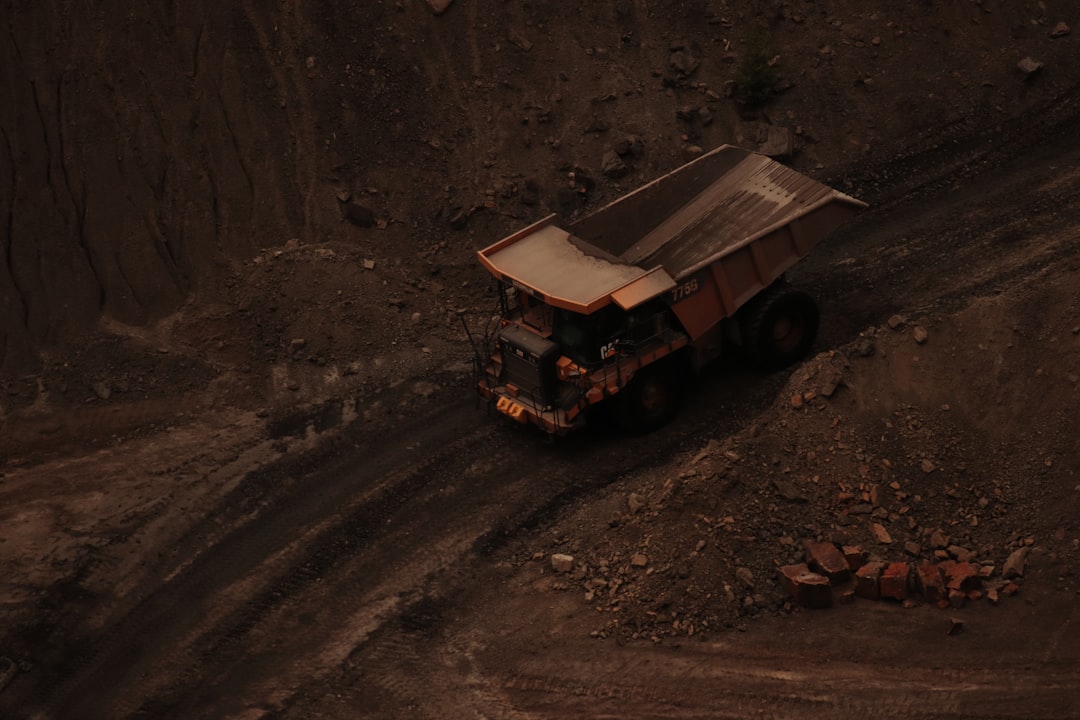
Copper mining stocks represent a unique investment opportunity within the broader commodities market. As a fundamental metal used in various industries, copper plays a crucial role in the global economy. Its applications range from electrical wiring and plumbing to renewable energy technologies and electric vehicles.
Investors often turn to copper mining stocks as a way to gain exposure to the metal’s price movements and the overall health of the mining sector. The allure of these stocks lies not only in their potential for capital appreciation but also in the dividends that many established mining companies offer. The copper market has historically been characterized by cycles of boom and bust, influenced by global demand and supply dynamics.
As economies grow, the demand for copper typically increases, leading to higher prices and, consequently, more lucrative opportunities for mining companies. Conversely, during economic downturns, copper prices can plummet, impacting the profitability of mining operations.
Key Takeaways
- Copper mining stocks offer exposure to the essential metal used in various industries, making them a strategic investment option.
- Copper prices are influenced by global demand, supply constraints, and economic factors, impacting mining stock performance.
- Investing in copper mining stocks provides benefits like portfolio diversification and potential growth tied to infrastructure development.
- Risks include market volatility, environmental regulations, and geopolitical issues affecting mining operations and profitability.
- Staying informed on industry trends, technological advances, and government policies is crucial for successful copper mining stock investments.
The Current State of the Copper Market
As of late 2023, the copper market is experiencing a period of volatility driven by various global economic factors. Following a surge in demand post-pandemic, particularly from the renewable energy sector and electric vehicle production, copper prices have seen significant fluctuations. Analysts note that while there was an initial spike in prices due to supply chain disruptions and increased consumption, recent months have shown signs of stabilization as production ramps up in key mining regions.
This stabilization is crucial for investors looking to navigate the complexities of copper mining stocks. Moreover, geopolitical tensions and trade policies have also played a role in shaping the current landscape of the copper market. Countries that are major producers of copper, such as Chile and Peru, have faced political challenges that could impact their output levels.
These uncertainties create a ripple effect throughout the global market, influencing investor sentiment and pricing strategies. As such, understanding the current state of the copper market is essential for anyone considering an investment in copper mining stocks.
Factors Affecting Copper Prices

Several factors contribute to the fluctuations in copper prices, making it essential for investors to stay informed about these dynamics. One of the primary drivers is global economic growth. As economies expand, particularly in emerging markets like China and India, the demand for copper tends to rise sharply.
This demand is often linked to infrastructure development, urbanization, and technological advancements that require substantial amounts of copper for construction and manufacturing.
Mining operations are subject to various challenges, including labor strikes, environmental regulations, and geological difficulties that can hinder production.
For instance, if a major copper mine faces operational disruptions due to labor disputes or adverse weather conditions, it can lead to a decrease in supply, thereby driving up prices. Furthermore, advancements in mining technology can either enhance production efficiency or create new challenges that impact supply levels.
Benefits of Investing in Copper Mining Stocks
| Benefit | Description | Metric/Indicator | Example Value |
|---|---|---|---|
| Strong Demand Growth | Increasing global demand for copper due to electrification and renewable energy | Annual Demand Growth Rate | 4-5% per year |
| Price Appreciation Potential | Copper prices tend to rise with economic growth and supply constraints | 5-Year Price Increase | 30-50% |
| Dividend Income | Many copper mining companies pay regular dividends to shareholders | Dividend Yield | 2-4% |
| Hedge Against Inflation | Copper is a tangible asset that often retains value during inflationary periods | Correlation with Inflation Rate | Positive correlation (0.6) |
| Exposure to Infrastructure Growth | Copper is essential for construction and infrastructure projects worldwide | Infrastructure Investment Growth | 6% annual increase globally |
| Portfolio Diversification | Mining stocks provide diversification away from traditional equities and bonds | Correlation with S&P 500 | Low to moderate (0.3) |
Investing in copper mining stocks offers several advantages that can appeal to both seasoned investors and newcomers alike. One of the most significant benefits is the potential for capital appreciation. As demand for copper continues to grow—especially with the rise of green technologies—mining companies that can efficiently extract and sell copper are likely to see their stock prices increase.
This potential for growth can be particularly attractive during periods of economic expansion when infrastructure projects are on the rise. Additionally, many established copper mining companies provide dividends to their shareholders, offering a steady income stream alongside potential capital gains. This combination of income and growth makes copper mining stocks an appealing option for those looking to diversify their investment portfolios.
Furthermore, as global initiatives increasingly focus on sustainability and renewable energy sources, companies involved in copper mining may benefit from heightened interest and investment in their operations.
Risks of Investing in Copper Mining Stocks
Despite the potential rewards associated with investing in copper mining stocks, there are inherent risks that investors must consider. One significant risk is price volatility; copper prices can fluctuate dramatically based on market conditions, geopolitical events, and changes in global demand. Such volatility can lead to substantial losses if investors are not prepared for sudden downturns.
Moreover, operational risks associated with mining activities can also pose challenges. Factors such as regulatory changes, environmental concerns, and labor issues can impact a company’s ability to produce copper efficiently. For instance, stricter environmental regulations may require companies to invest heavily in compliance measures or face penalties that could affect profitability.
Investors must conduct thorough due diligence on individual companies to understand their risk profiles before committing capital.
Top Copper Mining Companies to Consider
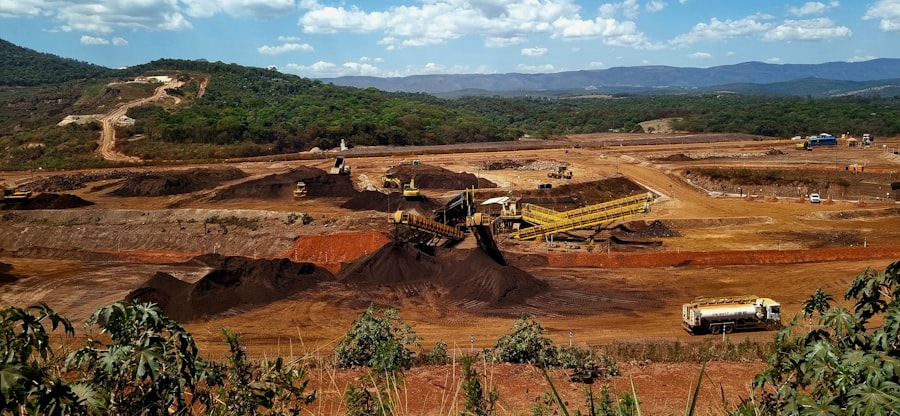
When exploring investment opportunities in copper mining stocks, several companies stand out due to their strong market positions and operational efficiencies. One notable player is Freeport-McMoRan Inc., one of the largest publicly traded copper producers globally. With significant operations in North America and South America, Freeport-McMoRan has a diversified portfolio that allows it to capitalize on varying market conditions.
Another prominent company is Southern Copper Corporation, which operates extensive mining operations in Peru and Mexico. Known for its low-cost production capabilities, Southern Copper has consistently delivered strong financial performance and dividends to its shareholders. Additionally, BHP Group Limited is a major player in the copper market with its vast resources and commitment to sustainable mining practices.
These companies represent just a few options for investors looking to gain exposure to the copper sector.
Emerging Trends in the Copper Mining Industry
The copper mining industry is undergoing significant transformations driven by technological advancements and changing consumer preferences. One emerging trend is the increasing focus on sustainability within mining operations. Companies are adopting greener practices to minimize their environmental impact while meeting growing demand for responsibly sourced materials.
This shift not only aligns with global sustainability goals but also appeals to socially conscious investors. Another trend gaining traction is the integration of advanced technologies into mining processes. Automation and artificial intelligence are being utilized to enhance operational efficiency and reduce costs.
For instance, companies are employing drones for surveying and monitoring mine sites, while data analytics helps optimize production schedules and resource allocation. These innovations not only improve profitability but also position companies favorably in an increasingly competitive market.
Environmental and Social Considerations in Copper Mining
As awareness of environmental issues grows, so does scrutiny on the practices of mining companies. Investors are increasingly considering environmental and social governance (ESG) factors when evaluating potential investments in copper mining stocks. Companies that prioritize sustainable practices—such as reducing carbon emissions, managing water usage responsibly, and engaging with local communities—are likely to attract more interest from socially responsible investors.
Moreover, regulatory frameworks surrounding environmental protection are becoming more stringent worldwide. Mining companies must navigate these regulations while ensuring compliance with local laws and community expectations. Failure to do so can result in reputational damage and financial penalties that could adversely affect stock performance.
Therefore, understanding a company’s commitment to ESG principles is essential for investors looking to make informed decisions.
Technological Advancements in Copper Mining
Technological advancements are reshaping the landscape of copper mining by enhancing efficiency and reducing costs. Innovations such as automated drilling systems and real-time data analytics are enabling companies to optimize their operations significantly. These technologies allow for more precise extraction methods, reducing waste and improving overall productivity.
Additionally, advancements in processing techniques are helping companies extract more value from existing resources. For example, innovations in hydrometallurgy enable miners to recover copper from lower-grade ores that would have previously been deemed unprofitable. As these technologies continue to evolve, they will likely play a crucial role in sustaining supply levels amid growing global demand for copper.
Government Policies and Regulations Impacting Copper Mining Stocks
Government policies and regulations significantly influence the copper mining industry by shaping operational frameworks and investment climates. In many countries, mining operations must adhere to strict environmental regulations aimed at minimizing ecological impacts. These regulations can affect everything from land use permits to waste management practices.
Furthermore, trade policies can also impact copper prices and mining operations. Tariffs or trade restrictions imposed by governments can disrupt supply chains or alter competitive dynamics within the industry. Investors must stay informed about relevant policies that could affect their investments in copper mining stocks, as changes can have immediate repercussions on stock performance.
Tips for Successful Investing in Copper Mining Stocks
For those looking to invest successfully in copper mining stocks, several strategies can enhance their chances of achieving favorable returns. First and foremost, conducting thorough research is essential; understanding market trends, company fundamentals, and external factors affecting supply and demand will provide valuable insights into potential investments. Diversification is another key strategy; spreading investments across multiple companies within the copper sector can mitigate risks associated with individual stock performance.
Additionally, keeping abreast of technological advancements and regulatory changes will help investors make informed decisions about which companies are best positioned for future growth. Lastly, maintaining a long-term perspective is crucial when investing in commodities like copper. While short-term price fluctuations may create anxiety among investors, focusing on long-term trends can lead to more informed decision-making and ultimately greater success in navigating the complexities of copper mining stocks.
If you’re considering investing in copper mining stocks in 2025, it’s essential to stay informed about market trends and expert insights. A related article that provides valuable information on this topic can be found at this link. This resource offers guidance on the factors influencing copper prices and tips for selecting the right mining stocks to enhance your investment portfolio.
WATCH THIS! 🚨 The Copper Cliff: How the World’s Most Critical Metal is Running Out
FAQs
What are copper mining stocks?
Copper mining stocks represent shares in companies that are involved in the extraction and production of copper. These companies operate mines where copper ore is extracted, processed, and sold for use in various industries.
Why invest in copper mining stocks in 2025?
Copper is a critical metal used in electrical wiring, renewable energy technologies, and electric vehicles. With increasing demand driven by global infrastructure development and the green energy transition, copper mining stocks may offer growth potential in 2025.
How can I start investing in copper mining stocks?
To invest in copper mining stocks, you need to open a brokerage account, research copper mining companies, and purchase shares through the stock market. It is important to analyze company fundamentals, market trends, and copper price forecasts before investing.
What factors affect the price of copper mining stocks?
Copper mining stock prices are influenced by the global price of copper, mining production levels, geopolitical events, supply chain disruptions, company financial health, and overall stock market conditions.
Are copper mining stocks risky investments?
Yes, copper mining stocks can be volatile due to fluctuating commodity prices, operational risks, regulatory changes, and environmental concerns. Investors should consider their risk tolerance and diversify their portfolios accordingly.
What are some well-known copper mining companies to consider?
Some major copper mining companies include Freeport-McMoRan, BHP Group, Rio Tinto, Southern Copper Corporation, and Glencore. These companies have significant copper production operations globally.
Can I invest in copper without buying mining stocks?
Yes, investors can gain exposure to copper through exchange-traded funds (ETFs) that track copper prices, futures contracts, or by investing in companies that use copper extensively in their products.
How does the global economy impact copper mining stocks?
Economic growth increases demand for copper in construction, manufacturing, and technology, which can boost copper prices and mining stocks. Conversely, economic slowdowns can reduce demand and negatively affect stock prices.
What should I consider before investing in copper mining stocks in 2025?
Consider factors such as copper price trends, company financials, geopolitical risks, environmental regulations, and the global demand outlook for copper. Consulting with a financial advisor can also help tailor investments to your goals.
Where can I find reliable information about copper mining stocks?
Reliable information can be found through financial news websites, company annual reports, stock market analysis platforms, commodity market reports, and investment research firms.