The human drive to build, to shape the landscape and create shelter, is as old as civilization itself. For millennia, builders have sought efficiency, durability, and adaptability in their constructions. Among the enduring solutions to these fundamental needs lies the principle of modularity – the construction of large structures from standardized, prefabricated components. While modern manufacturing has brought the concept of modular building into a new era, the foundational understanding and application of this principle extend far back into the annals of history. This article will delve into the secrets of ancient modular building, exploring how early societies, with their seemingly limited resources and technologies, laid the groundwork for a concept that continues to redefine architecture today.
Before the formalization of modular design, certain building practices exhibited a nascent form of standardization, acting as fertile ground for the eventual emergence of true modularity.
The Ubiquity of Natural Forms and Materials
Early builders were deeply attuned to the natural world. They observed the consistent shapes and sizes of readily available materials, and this observation inevitably informed their construction.
Stone: The Elemental Module
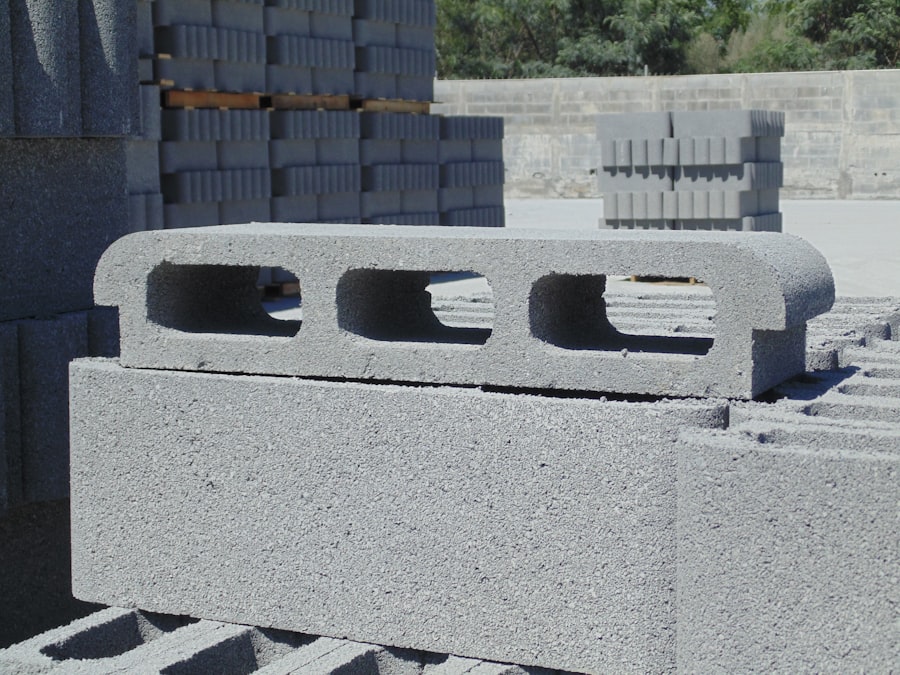
Think of the megalithic structures that dot the globe – Stonehenge, or the ancient walls of Mycenae. While not always precisely identical, the blocks of stone used in these constructions often shared similar dimensions and characteristics. Quarrying techniques, even in their rudimentary stages, would naturally produce stones of a certain manageable size and shape. These stones, therefore, acted as a de facto module, a repeated unit that, when assembled in specific ways, formed the impressive edifices we see today. Imagine builders selecting stones from a quarry, much like a modern factory worker choosing parts from an assembly line. The consistency was not due to a drawing board, but to the inherent limitations and efficiencies of working with the earth’s bounty.
Timber: The Natural Grid
In forested regions, timber was the primary building material. The consistent diameters and lengths of felled trees, when further processed into beams, posts, and planks, offered another layer of inherent standardization. Early homes, from the circular yurts of nomadic peoples to the more permanent timber-framed structures of settled communities, frequently employed a system of vertical posts supporting horizontal beams. This grid-like arrangement, based on the predictable dimensions of timber, can be seen as an early manifestation of modularity, where repetitive elements formed the structural skeleton of a dwelling. Consider the simple strength found in a well-built log cabin; it’s a testament to the power of repeating standardized lumber.
Practicality and Efficiency in Early Construction
The need for expediency and resourcefulness in ancient societies played a significant role in the adoption of repeatable building elements.
Expedient Construction for Urgent Needs
In times of war, disaster, or rapid population growth, the ability to construct quickly was paramount. Building with elements that could be easily transported, measured, or reproduced would have been a significant advantage. A fort that could be rapidly erected using pre-cut timber sections or standardized stone blocks would offer a crucial defensive advantage. This inherent practicality, the drive to get the job done with the least effort and time, often nudged builders towards systems that favored repetition.
The Transfer of Knowledge and Skill
As building techniques evolved, so did the codified knowledge of how to best employ particular materials. The apprentice learning from the master would be instructed in the common sizes and shapes, ensuring a degree of uniformity across different construction sites within a community or region. This oral or demonstrative transmission of building wisdom acted as a form of knowledge standardization, leading to consistent building practices and, consequently, more standardized components.
Ancient modular construction methods have fascinated historians and architects alike, showcasing the ingenuity of early civilizations in building durable structures. A related article that delves deeper into this topic can be found at Real Lore and Order, where you can explore various techniques and materials used in ancient modular construction, as well as their impact on modern architectural practices.
The Dawn of Deliberate Modular Systems
While precursors existed, certain ancient cultures began to move beyond implicit standardization towards more explicit, purpose-built modular systems. These were not mere observations of natural uniformity, but deliberate choices in design and construction.
The Roman Empire: Master Builders of the Ancient World
The Romans were renowned for their engineering prowess, and their approach to construction was no exception to this. Their vast empire, spanning diverse regions and requiring extensive infrastructure, necessitated efficient and durable building methods.
The Versatility of the Roman Brick
The standardized Roman brick, often referred to as opus latericium or opus testaceum, was a fundamental module. These fired clay bricks were produced in vast quantities in kilns and possessed remarkably consistent dimensions. This allowed for rapid wall construction, and their interlocking nature facilitated strong and stable structures. Imagine the sheer scale of Roman construction – aqueducts, fortifications, public baths – all built with legions of identical bricks. This was not just a building material; it was a precisely engineered component.
Concrete and Formwork: Precursors to Prefabrication
While not “prefabricated” in the modern sense, Roman concrete construction involved a form of temporary modularity. Wooden formwork was erected to define the shape of a concrete pour. These formworks, while dismantled after the concrete set, were often reusable, embodying the principle of modular elements within the construction process. Furthermore, the consistent use of aggregate and cement in their concrete recipes created a material with predictable properties, akin to a standardized component. The Pantheon’s dome, a marvel of engineering, owes its stability in part to the predictable strength and consistency of Roman concrete and the intelligent design of its formwork.
The Greek City-States: Precision in Stone
The ancient Greeks, particularly in their monumental temple architecture, also employed highly sophisticated modular principles, emphasizing precision and aesthetic harmony.
The Column as a Modular Unit
The Doric, Ionic, and Corinthian orders of Greek architecture are, at their core, systems of modular components. The column, the most iconic element, was not simply carved from a single block but often constructed from stacked drums of precisely shaped stone. These drums were standardized in diameter and height, ensuring a uniform appearance and load-bearing capacity. Think of a Greek temple as a symphony of standardized elements, each piece fitting perfectly into its designated place. The fluting, the capitals, the entablatures – all were designed according to specific proportional rules, creating visually harmonious and structurally sound buildings.
Interlocking Stone Blocks for Temples
Beyond the columns, the large stone blocks that formed the walls and entablatures of Greek temples were often cut with incredible precision. Techniques like the use of dowels and clamps, along with carefully drafted joints, allowed these individual modules to connect and lock together, creating remarkably durable and earthquake-resistant structures. The Erechtheion on the Acropolis of Athens stands as a testament to this incredible craftsmanship, where massive stone blocks are joined with an almost invisible precision.
Beyond the Mediterranean: Global Echoes of Modularity

The principles of modular building were not confined to the Mediterranean world. Evidence suggests that other ancient cultures, driven by their unique environments and societal needs, independently developed similar approaches.
East Asian Traditions: Wood and Interlocking Joinery
In East Asia, particularly in China and Japan, timber construction flourished, leading to sophisticated modular systems that emphasized flexibility and seismic resistance.
The Dou Gong System: A Masterclass in Modular Joinery
The dou gong (斗拱) system in traditional Chinese architecture is a prime example of intricate modular joinery. It’s a complex network of interlocking wooden brackets that support the roof eaves and transfer the roof’s weight to the columns. These dou gong elements are precisely cut and assembled without the use of nails or glue, creating a flexible and incredibly strong structural system. Imagine these wooden components as a giant, intricate puzzle, where each piece is essential for the stability of the whole. This system’s ability to absorb seismic energy is a remarkable testament to its inherent modular design.
Japanese Timber Framing: The Art of the Join
Japanese traditional architecture also showcases a deep understanding of modular timber construction, particularly in its post-and-beam structures. The emphasis on precise joinery, often using intricate tenon and mortise joints, allowed for the creation of standardized wooden components that could be assembled and disassembled with relative ease. This facilitated repairs, renovations, and even the relocation of entire buildings. The beauty of a traditional Japanese temple lies not just in its aesthetic, but in the elegant way standardized wooden elements are coaxed into forming a unified and resilient structure.
Mesoamerican Achievements: Precision in Stone and Form
The architectural achievements of ancient Mesoamerican civilizations, like the Maya and Aztecs, also reveal a remarkable grasp of modular principles.
The Precise Ashlar Masonry of the Maya
The Maya were exceptional stonecutters, and their temples and palaces often feature walls constructed from precisely dressed and fitted ashlar masonry. While the blocks might not have been identical in size, their surfaces were meticulously flattened and their edges squared, allowing for tight joints and stable construction. This method of fitting individual stone modules with such accuracy created visually impressive and structurally sound buildings that have endured for centuries. Imagine carefully fitting perfectly cut jigsaw puzzle pieces, but on a monumental scale.
The Temple Pyramids: Layered Modules of Earth and Stone
The iconic step pyramids of Mesoamerica, while appearing as massive monolithic structures, were frequently built up through layers of rubble fill and faced with carefully cut stone blocks. These blocks, acting as standardized facing modules, created the recognizable form and provided structural integrity. The construction process involved placing and fitting these modular elements in a systematic way, mirroring the underlying principles of layered construction found in other modular systems.
The Adaptability and Resilience of Ancient Modular Designs
One of the most enduring benefits of ancient modular building was its inherent adaptability and the resilience it imparted to structures. This foresight allowed these constructions to withstand the tests of time and nature.
Longevity Through Standardization
The inherent uniformity of modular components contributed significantly to the longevity of ancient structures. When elements are mass-produced or shaped to consistent standards, they are more likely to wear evenly and require predictable maintenance.
Ease of Repair and Replacement
If a single brick in a Roman wall crumbled, or a stone drum in a Greek column was damaged, it could be relatively easily identified and replaced with a similar, standardized component. This contrasts sharply with a carved monolithic structure, where damage to one part might compromise the entire integrity. The modular approach acted as a form of inherent redundancy; the failure of a single piece did not typically lead to catastrophic collapse. Think of replacing a single faulty component in a complex machine – it’s far simpler than overhauling the entire mechanism.
Building for the Future
The principles embedded in modular construction allowed for structures to be built with an eye toward future needs. While not as dynamic as modern prefabricated systems, the ability to add or modify sections using standardized elements was a distinct advantage. Consider how Roman forts, built with standardized materials, could be expanded or reinforced as needed with minimal disruption.
Structural Integrity and Performance
The careful arrangement and interlocking of standardized components contributed directly to the structural integrity and performance of ancient buildings.
Load Distribution and Stability
By using consistently sized and shaped elements, builders could more predictably distribute loads, ensuring that weight was transferred efficiently through the structure. The interlocking nature of many ancient modular systems, whether through joinery or gravity, provided inherent stability. The stacked drums of a Greek column, for instance, create a stable shaft that can bear immense weight.
Response to Environmental Stress
As mentioned with the dou gong system and Greek masonry, modular designs often exhibited a remarkable ability to withstand environmental stresses like earthquakes. The flexibility inherent in interlocking components allowed structures to move and absorb seismic energy, rather than rigidly resisting it and fracturing. This was an intuitive understanding of material science that still informs modern seismic engineering.
Ancient modular construction methods have fascinated historians and architects alike, revealing how early civilizations utilized standardized components to create impressive structures. A related article that delves deeper into this topic can be found at this link, where you can explore various techniques and examples of modular design in ancient architecture. Understanding these methods not only sheds light on the ingenuity of our ancestors but also inspires modern building practices that prioritize efficiency and sustainability.
Legacy and the Future: Lessons from the Past
| Ancient Civilization | Modular Construction Method | Materials Used | Typical Module Size | Advantages | Examples |
|---|---|---|---|---|---|
| Ancient Egypt | Stone Block Masonry | Limestone, Sandstone, Granite | Approx. 1m x 0.5m x 0.5m | Durability, Reusability, Precision Fit | Pyramids, Temples |
| Ancient Rome | Concrete Modular Blocks (Opus Caementicium) | Concrete, Stone, Brick | Varied, often 0.5m cubes | Speed of Construction, Strength | Roman Aqueducts, Colosseum |
| Ancient China | Prefabricated Wooden Components | Wood (Cypress, Pine) | Standardized beams and panels approx. 2m length | Flexibility, Earthquake Resistance | Great Wall Sections, Pagodas |
| Ancient Mesopotamia | Sun-Dried Mudbrick Modules | Clay, Straw | Approx. 30cm x 15cm x 10cm | Thermal Insulation, Easy Production | Ziggurats, City Walls |
| Ancient Greece | Stone Column Segments (Drums) | Marble, Limestone | Approx. 1m diameter, 0.5m height | Ease of Transport, Assembly | Parthenon, Temples |
The enduring presence of ancient modular structures is a powerful testament to the ingenuity of early builders. Their work offers invaluable lessons for contemporary architecture and construction.
The Foundation for Modern Prefabrication
The principles of standardization, interchangeable parts, and efficient assembly that underpin modern modular building are deeply rooted in these ancient practices. While the scale and technological sophistication have advanced dramatically, the conceptual foundation remains the same. The factory-built homes of today are, in essence, the highly evolved descendants of the Roman brick and the Greek stone drum.
Sustainability and Resource Optimization
Ancient builders, by necessity, were masters of resource optimization. Their use of standardized, repeatable components minimized waste and maximized the efficiency of their materials. This resonates powerfully with the modern drive for sustainable construction. The ability to prefabricate modules off-site in controlled environments also reduces on-site waste and improves overall material utilization.
A Continuously Evolving Blueprint
The study of ancient modular building is not merely an academic exercise; it is an exploration of a fundamental human innovation that continues to shape our built environment. As we look to the future, embracing the lessons of our ancestors – their commitment to standardization, their understanding of material properties, and their pursuit of efficient and resilient construction – will be crucial in building a more sustainable and adaptable world. The secrets they unlocked are not lost to time; they are embedded in the very stones and timbers of the past, waiting to be rediscovered and reimplemented for generations to come.

STOP: Why They Erased 50 Impossible Inventions From Your Textbooks
FAQs
What is ancient modular construction?
Ancient modular construction refers to building techniques used in historical times where structures were created using pre-fabricated, standardized units or modules. These methods allowed for efficient assembly and often facilitated repairs or expansions.
Which civilizations are known for using modular construction methods?
Several ancient civilizations, including the Romans, Egyptians, and Chinese, employed modular construction techniques. For example, the Romans used standardized stone blocks and concrete forms, while the Chinese developed modular wooden components for their architecture.
What materials were commonly used in ancient modular construction?
Common materials included stone blocks, bricks, wood, and sometimes metal fasteners. These materials were shaped into uniform sizes or components to fit together systematically during construction.
How did ancient modular construction benefit builders and architects?
Modular construction allowed for faster building processes, easier transportation of materials, and simplified repairs or modifications. It also enabled the replication of architectural designs across different locations with consistency.
Are there any surviving examples of ancient modular construction today?
Yes, many ancient structures exhibit modular construction principles, such as Roman aqueducts, Egyptian temples, and traditional Chinese wooden buildings. These surviving examples demonstrate the durability and effectiveness of ancient modular techniques.