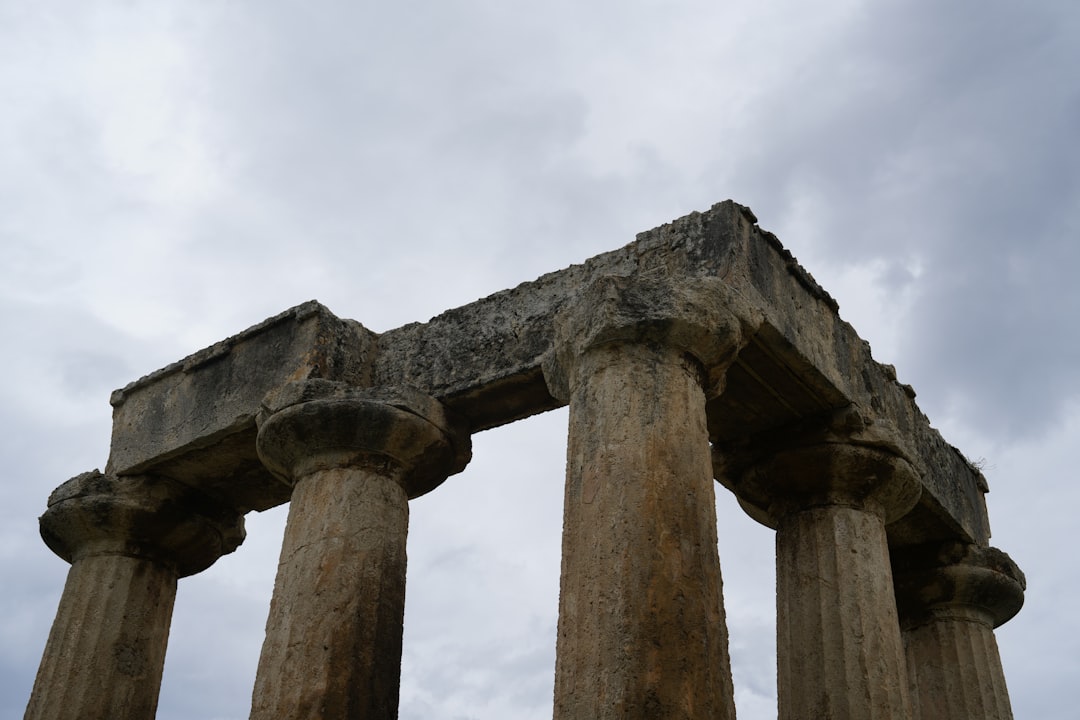
The human mind, ever curious, is perpetually drawn to the enigmatic edges of our knowledge. Among these mysteries, few are as captivating as the ancient structures that defy our current understanding of engineering and construction. These colossal edifices, scattered across the globe, stand as silent witnesses to the ingenuity, skill, and perhaps even knowledge, of civilizations long past. They are more than just stone and mortar; they are puzzles carved in the landscape, inviting us to peel back the layers of time and uncover the secrets they hold. This article seeks to unravel some of the mysteries surrounding these “impossible” ancient structures.
When one considers the sheer scale and precision of many ancient megastructures, a fundamental question arises: how were they built? Many of these monuments are composed of massive stone blocks, some weighing hundreds, even thousands, of tons. The sheer difficulty of quarrying, transporting, and lifting such gargantuan masses using only the tools and techniques we commonly attribute to ancient peoples presents a significant challenge to conventional archaeological explanations.
The Unexplained Quarrying Techniques
The precision with which some of these stones were shaped is particularly baffling. Take, for instance, the obelisks of ancient Egypt. These towering monoliths, some reaching over 30 meters in height and weighing hundreds of tons, were carved from single pieces of granite. The marks left by the tools used in their extraction are often smooth and precise, suggesting a tool far more advanced than the copper chisels and dolerite pounders that are typically cited as the primary implements of Egyptian stone working.
- Copper as a Primary Tool: While copper was indeed used, its inherent softness makes it a questionable tool for carving hard granite. Historical reconstructions often showcase groups of workers laboring for extended periods to chip away at the stone, a process that seems incredibly inefficient for the scale of work undertaken.
- The Dolerite Pounder Enigma: Dolerite pounders, heavy, hard stones, are another commonly proposed tool. While effective for breaking stone surface, their use on such a large scale for creating the finely finished surfaces seen on many megaliths raises questions about the time and labor required. Was this process painstakingly slow, or were there other, less understood methods at play?
- Evidence of Unknown Technologies: Some researchers point to evidence such as fused or melted stone in the vicinity of ancient quarry sites, suggesting the possibility of thermal lancing or other heat-based methods, which are not typically associated with the technological capabilities of the periods in question. These anomalies, though debated, fuel speculation about lost technologies.
The Herculean Task of Transportation
Once quarried, these immense blocks had to be moved from often distant quarries to their final construction sites. The logistics of moving multi-ton stones across varied terrain, without the benefit of modern machinery like cranes, bulldozers, or even wheeled vehicles for the heaviest loads, is a puzzle that continues to confound.
- The Role of Ramps: The prevailing theory for moving large stones in many ancient cultures involves the construction of elaborate ramp systems. While ramps likely played a role, the scale and stability required to move blocks weighing hundreds of tons up significant inclines present their own engineering challenges. Imagine a ramp of earth and rubble extending for hundreds of meters, needing to withstand immense pressure.
- Waterways and Human Power: The use of rivers and canals for transporting stones via rafts or barges is also a common hypothesis. This method is plausible for certain locations, but it does not account for overland transport or for structures built far from navigable waterways. Furthermore, the sheer number of people required to drag massive stones, even with leverage and rollers, is staggering.
- The Enigma of Anti-Gravity: Some fringe theories propose the use of sonic levitation or other forms of acoustic resonance to reduce the effective weight of the stones, making them easier to move. While these are speculative, the lack of definitive proof for large-scale human-powered hauling methods keeps these and other unconventional ideas alive in popular discourse.
Precision in Placement: A Masterclass in Geometry
Beyond their size, the accuracy with which these stones are often fitted together is astonishing. In some structures, blocks weighing many tons are interlocked with such precision that a single piece of paper cannot be inserted between them. This level of craftsmanship suggests a profound understanding of geometry and engineering.
- Megalithic Mortar: The absence of visible mortar in many of these joints is a key feature. The stones are often cut to such fine tolerances that they fit together like pieces of a jigsaw puzzle. This speaks to an incredibly precise measuring and cutting capability.
- The Cyclopean Masonry Marvel: The term “cyclopean masonry” is often used to describe these constructions, named after the mythical Cyclopes, giants said to have built the massive walls of Mycenae. The sheer weight and irregular shapes of the stones, yet their perfect fit, imply methods of shaping and fitting that are not easily replicated even with modern tools. The ability to contour irregular surfaces to meet with such uniformity is a feat in itself.
Ancient civilizations have long fascinated historians and archaeologists with their ability to construct seemingly impossible structures, from the pyramids of Egypt to the intricate stonework of Machu Picchu. These monumental feats of engineering raise questions about the techniques and tools used by our ancestors, as well as the societal organization required to undertake such ambitious projects. For a deeper exploration of this topic, you can read the related article on ancient construction methods and their implications by visiting this link.
Astronomical Alignments: Messages Etched in Stone
A recurring theme among ancient megalithic sites is their precise alignment with celestial phenomena. The Sun, Moon, and stars were not merely atmospheric events to ancient peoples; they were powerful forces that dictated the rhythms of life and, it appears, the very orientation of their monumental architecture. This suggests a deep and sophisticated understanding of astronomy.
The Solstice and Equinox Connection
Many ancient structures are oriented to mark significant astronomical events, such as the summer and winter solstices and the vernal and autumnal equinoxes. The angle of the sun, at these specific times of the year, can cast light and shadows in predictable ways onto or through certain architectural features.
- Newgrange’s Winter Solstice: Perhaps one of the most famous examples is Newgrange in Ireland, a passage tomb dating back to approximately 3200 BCE. On the winter solstice, a narrow beam of sunlight penetrates a small opening in the roof and illuminates the central chamber for a brief period. This celestial event is a testament to the builders’ intricate knowledge of solar cycles. How the builders calculated this precise alignment centuries in advance remains a subject of fascination.
- Stonehenge’s Summer Sunrise: Stonehenge in England, a prehistoric monument of immense scale, is famously aligned with the sunrise on the summer solstice. The sighting stone, known as the Heel Stone, is positioned to frame the rising sun on this longest day of the year. This alignment suggests that the monument served a calendrical or ritualistic purpose tied to the sun’s journey.
- Other Celestial Markers: Beyond solstices and equinoxes, evidence suggests alignments with lunar cycles and even specific stars. The careful observation and recording of celestial movements over generations would have been necessary to achieve such precision.
Precession and Astronomical Sophistication
Some analyses of ancient alignments suggest a sophistication that extends beyond simple observational astronomy. The phenomenon of the precession of the equinoxes, a gradual shift in the Earth’s rotational axis that causes the apparent position of the stars to change over thousands of years, may have been understood.
- The Age of the Builders: If certain alignments point to specific constellations or celestial configurations from thousands of years ago, it implies that the builders possessed a remarkably long-term view of the cosmos. The Earth’s wobble, a slow dance over millennia, would have been an incredibly complex concept to grasp without advanced mathematical models.
- Beyond the Naked Eye: The accuracy of some alignments has led to speculation about whether ancient peoples possessed tools or knowledge that allowed them to observe or calculate celestial positions with greater precision than is commonly assumed for naked-eye observation. Did they employ some form of proto-telescope or astrolabe?
Ritual and Spiritual Significance
While the scientific and mathematical aspects of these alignments are undeniable, it is also important to consider the spiritual and ritualistic significance they likely held for ancient societies. These celestial events were likely woven into the fabric of their belief systems, dictating planting seasons, harvest times, and religious ceremonies.
- Cosmic Cycles and Human Life: Alignments would have reinforced the idea of humanity’s connection to the cosmos, a sense of being part of a grand, cyclical universe. The predictability of celestial movements offered a comforting order in a world often governed by the unpredictable forces of nature.
- Temples to the Heavens: These structures could be seen as temples built not just of stone, but of light and time, dedicated to the celestial deities or forces that governed their lives. They were monumental calendars, religious observatories, and statements of cosmic understanding all rolled into one.
The Enigma of Lost Knowledge and Advanced Understanding
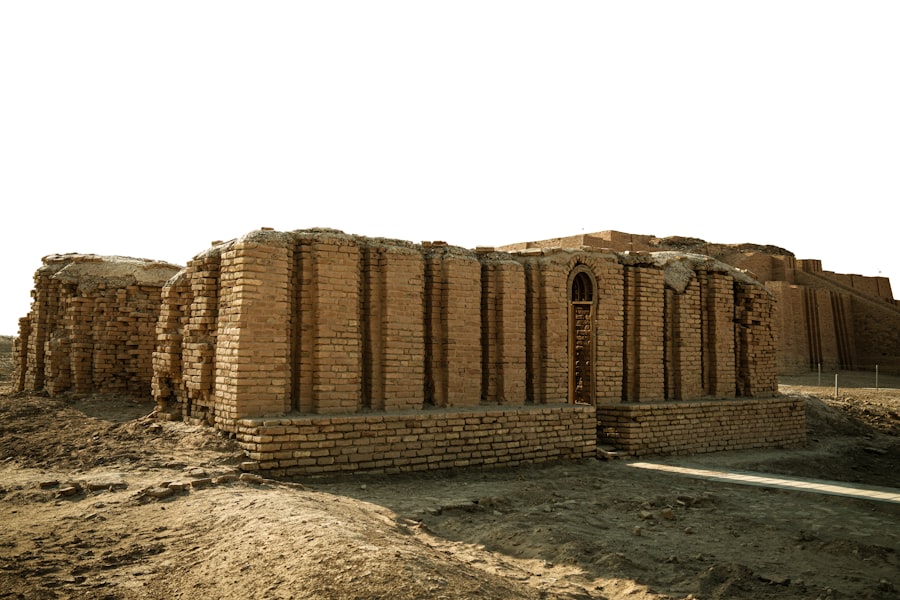
The cumulative evidence from these impossibly built structures points towards a level of knowledge and technological capability that often seems to surpass what is typically assigned to the civilizations that created them. This has led to a multitude of theories, some more grounded in empirical evidence than others, about what these ancient peoples truly knew.
Evidence of Advanced Mathematics and Engineering
The precision of construction, the complex geometric calculations evident in their designs, and the accurate astronomical alignments all suggest a sophisticated grasp of mathematics and engineering principles.
- Proportional Systems: Some researchers have identified consistent proportional relationships within structures, suggesting a deliberate application of mathematical ratios and geometric principles in their design. These ratios might have been considered sacred or aesthetically pleasing, or they could have served a purely functional purpose in ensuring stability and structural integrity.
- Understanding of Forces: The ability to construct massive, stable structures that have withstood millennia of erosion and seismic activity implies an intuitive or learned understanding of physics, forces, and load-bearing principles. How did they achieve this stability without the advanced computational tools we use today?
- The Golden Ratio and Sacred Geometry: Several ancient sites exhibit proportions that align with mathematical constants like pi and the golden ratio, leading some to believe in a sophisticated understanding of sacred geometry. While the degree of intentionality can be debated, the recurring patterns are hard to dismiss entirely.
Hypothetical Lost Technologies
The difficulty in explaining the construction and precision of these sites using conventional archaeological explanations has opened the door to various hypotheses about lost technologies.
- Acoustic Resonance and Vibration: Some theories propose that ancient peoples might have used sonic frequencies or vibrations to manipulate stone, perhaps to cut, shape, or even levitate it. Ancient texts and oral traditions in some cultures mention the use of “sound magic” or “chanting” to perform seemingly impossible feats.
- Advanced Metallurgy: While copper and bronze were known, the creation of tools capable of working granite with such precision could imply knowledge of hitherto undiscovered or lost metallurgical techniques. Could they have worked with alloys or hardening processes that have since been forgotten?
- Geopolymer and Concrete Technologies: Some structures, particularly those with exceptionally smooth and finely dressed surfaces, have led to speculation about the use of advanced binding agents or concrete-like substances that have been lost to time. Could they have manufactured a form of super-concrete?
The “Out of Place Artifact” Phenomenon
The concept of “out of place artifacts” (OOPArts) sometimes arises when discussing these ancient structures. These are objects that, according to conventional historical timelines, should not exist. While many OOPArts have plausible natural or human-made explanations upon closer inspection, their persistent occurrence in discussions about ancient mysteries highlights the ongoing debates.
- Debunked Artifacts and Persistent Myths: It is important to acknowledge that many proposed OOPArts have been debunked as hoaxes or misinterpretations. However, the continued fascination with such objects underscores a broader desire to find evidence of advanced ancient capabilities.
- A Need for Open-Minded Inquiry: While avoiding the trap of pseudoscience, the persistent anomalies in the archaeological record necessitate an open-minded approach to inquiry. The possibility that our current understanding of ancient capabilities is incomplete should not be dismissed outright.
Unanswered Questions and Future Directions

Despite centuries of study, the mysteries surrounding these ancient impossible structures remain largely unraveled. Each discovery, while shedding light on certain aspects, often opens up new avenues of inquiry and highlights the vastness of what we do not yet understand.
The Limits of Conventional Archaeology
While traditional archaeological methods have provided invaluable insights, they are also constrained by the available evidence and existing theoretical frameworks. The emphasis on tangible artifacts and observable processes may sometimes overlook more subtle or indirect forms of knowledge and technology.
- The Problem of Evidence Decay: Over millennia, crucial evidence of tools, techniques, and knowledge can decay or be lost to the ravages of time and natural processes. The absence of evidence is not always evidence of absence.
- Bias in Interpretation: Archaeologists, like all humans, are subject to their own cultural backgrounds and prevailing scientific paradigms. The interpretation of ancient sites can be influenced by contemporary understanding of technology and society.
The Role of Interdisciplinary Research
Addressing the complexities of these ancient structures requires a collaborative effort from a diverse range of disciplines.
- Engineers and Materials Scientists: Bringing their expertise in structural integrity, material properties, and construction techniques, engineers and materials scientists can offer fresh perspectives on how these colossal works might have been achieved.
- Astronomers and Physicists: The celestial alignments demand the rigorous analysis of astronomers and physicists to confirm and quantify the precision of these orientations and to explore the feasibility of the astronomical knowledge attributed to ancient peoples.
- Anthropologists and Ethnohistorians: Understanding the cultural context, beliefs, and societal structures of the ancient peoples is crucial for interpreting the purpose and significance of these monumental constructions.
The Enduring Allure of the Unknown
The enduring mystery of these ancient structures serves as a powerful reminder of the vastness of human history and the potential for undiscovered knowledge. They challenge our assumptions about the capabilities of our ancestors and inspire a sense of wonder about their achievements.
- A Mirror to Our Own Limitations: These ancient puzzles act as a mirror, reflecting not only the achievements of the past but also the limitations of our current understanding. They push us to question what we think we know.
- The Journey of Discovery Continues: The quest to unravel these mysteries is an ongoing journey. As new technologies emerge and new analytical methods are developed, we may yet unlock more of the secrets held within these silent giants of the past. The human drive to explore, to question, and to understand is, after all, as ancient as the stones themselves.
STOP: Why They Erased 50 Impossible Inventions From Your Textbooks
FAQs
1. What techniques did ancient builders use to construct massive stone structures?
Ancient builders employed techniques such as precise stone cutting, levering, and the use of ramps and scaffolding. They often used simple machines like pulleys and rollers to move heavy stones and relied on skilled labor and careful planning to assemble large structures.
2. How did ancient civilizations transport large stones for their constructions?
Large stones were transported using sledges, rollers, and sometimes waterways. Workers would drag stones over lubricated paths or roll them on logs. In some cases, ancient engineers built temporary roads or canals to facilitate the movement of heavy materials.
3. What materials were commonly used in ancient monumental architecture?
Common materials included limestone, sandstone, granite, and basalt. These stones were chosen for their durability and availability. In some regions, mud bricks and timber were also used alongside stone to create complex structures.
4. How did ancient builders achieve precise alignment and measurements in their structures?
Ancient builders used tools such as plumb bobs, leveling instruments, and sighting rods. They also applied knowledge of astronomy and geometry to align structures with celestial bodies or cardinal directions, ensuring accuracy in their construction.
5. Were ancient “impossible” structures built with the help of advanced technology or lost knowledge?
There is no credible evidence that ancient structures were built using advanced technology beyond the tools and methods available at the time. The impressive feats were achieved through human ingenuity, skilled craftsmanship, and organized labor rather than lost or supernatural knowledge.