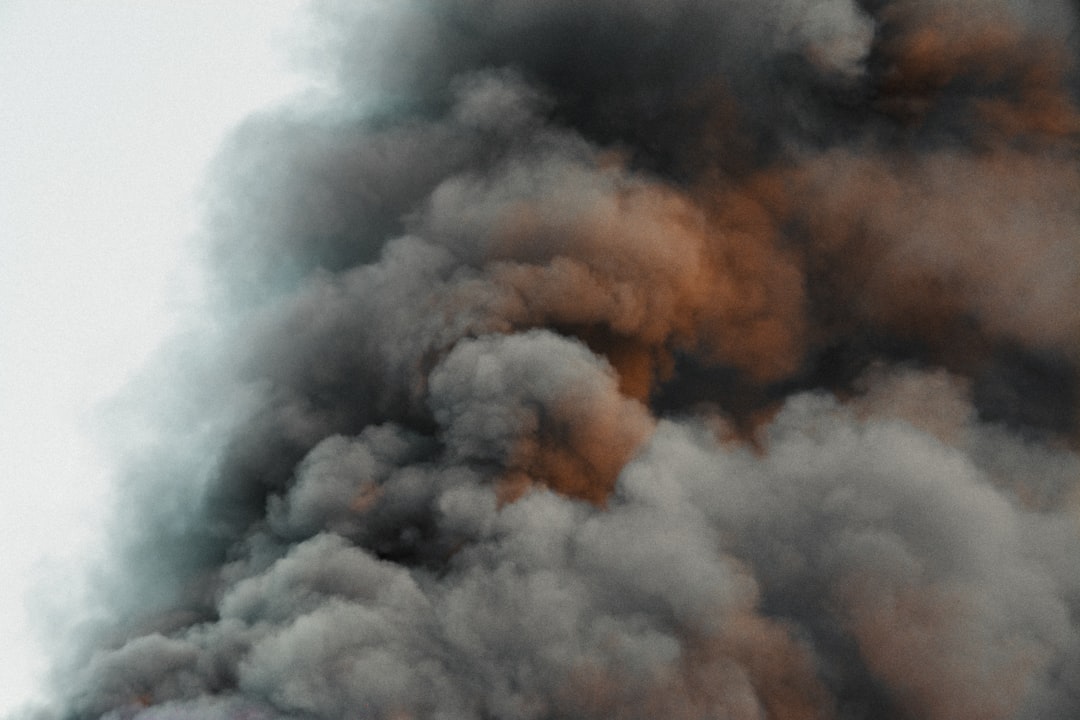
The celestial ballet above us, a constant source of wonder and life, faces an insidious threat. Not from solar flares or asteroid impacts, but from an enemy far closer to home: smoke. The recent documentary, ‘Smoke: The End of the Sun’, delves into the multifarious ways in which atmospheric particulate matter, commonly known as smoke, is gradually yet inexorably diminishing the radiant energy reaching Earth’s surface and altering our planet’s climate. This article will explore the salient points presented in the film, providing a comprehensive overview of the mechanisms, sources, impacts, and potential mitigations related to this global phenomenon.
At its core, smoke is an aerosol, a suspension of fine solid particles or liquid droplets in a gas. While often associated with combustion, its composition and origins are far more diverse, encompassing both natural and anthropogenic sources. The film meticulously dissects the various types of particulates that collectively form this atmospheric veil.
Compositional Nuances of Smoke
The material makeup of smoke is not uniform. Rather, it is a complex cocktail of substances, each contributing uniquely to its radiative properties. Black carbon, often referred to as soot, is a potent light absorber, dramatically heating the atmosphere. Organic carbon, on the other hand, can exhibit both absorbing and scattering properties, depending on its chemical structure and aging. Dust, mineral particles lofted by wind, reflects sunlight back into space, thereby exerting a cooling effect. Sulfates, primarily derived from sulfur dioxide emissions, are highly reflective and produce a significant cooling influence. These disparate components, with their varying optical properties, create a net radiative forcing that is intricately difficult to model. The documentary emphasizes that understanding this intricate chemical speciation is paramount to accurately predicting smoke’s ultimate impact on Earth’s energy budget.
The Dynamics of Atmospheric Lifespan
Once emitted, smoke particles do not remain indefinitely in the atmosphere. Their residence time is governed by a complex interplay of gravitational settling, wet deposition (removal by precipitation), and chemical transformation. Larger, heavier particles tend to settle out more rapidly, while smaller, lighter ones can persist for days to weeks, traversing vast geographical distances. Wet deposition, particularly through rain, is a highly efficient cleansing mechanism. However, in regions experiencing prolonged droughts or in arid environments, smoke can linger for extended periods, intensifying its localized effects. The film highlights how the atmospheric lifespan of these particulates dictates the scale and duration of their climatic influence, underscoring the interconnectedness of regional pollution events with global atmospheric processes.
In a thought-provoking article titled “The Darkening Skies: How Smoke Could Potentially Block Out the Sun,” the author explores the alarming implications of widespread smoke from wildfires and industrial activities on our atmosphere. This article delves into the science behind particulate matter and its potential to reflect sunlight, leading to a phenomenon known as “global dimming.” For more insights on this critical environmental issue, you can read the full article here: The Darkening Skies: How Smoke Could Potentially Block Out the Sun.
Smoke as a Shutter: Dimming the Solar Radiance
The most immediate and discernible impact of atmospheric smoke is its ability to reduce the amount of solar radiation reaching the Earth’s surface, a phenomenon termed global dimming. This reduction affects not only visible light but also the broader spectrum of solar energy.
Mechanisms of Solar Attenuation
Smoke acts as a physical barrier, scattering and absorbing incoming solar radiation. Scattering, the redirection of light by particles, plays a significant role in reducing direct sunlight, leading to decreased visibility and a noticeable haze. Absorption, particularly by black carbon, directly converts solar energy into heat, warming the atmosphere and modifying its thermal structure. The documentary illustrates these mechanisms with compelling visual data, showcasing satellite imagery that clearly depicts plumes of smoke obscuring large tracts of land and ocean. This reduction in solar input has profound implications, ranging from altered photosynthetic rates in vegetation to shifts in regional temperature regimes.
The Interplay with Cloud Formation
The presence of smoke also profoundly influences cloud formation and properties. Smoke particles can act as cloud condensation nuclei (CCN), providing surfaces for water vapor to condense upon. An increase in CCN can lead to the formation of more numerous but smaller cloud droplets, resulting in brighter, more reflective clouds. While these brighter clouds can initially exert a cooling effect by reflecting more sunlight back into space, the smaller droplets can also reduce the efficiency of precipitation formation, leading to longer-lived clouds. Conversely, absorbing smoke particles embedded within or below clouds can warm the cloud layer, leading to cloud evaporation and a reduction in cloud cover. This complex interplay between smoke and clouds represents a significant uncertainty in climate modeling, as the net effect on Earth’s energy balance can vary widely depending on the type of smoke, its altitude, and meteorological conditions.
The Sundial of Anthropogenic Activities: Sources of Smoke
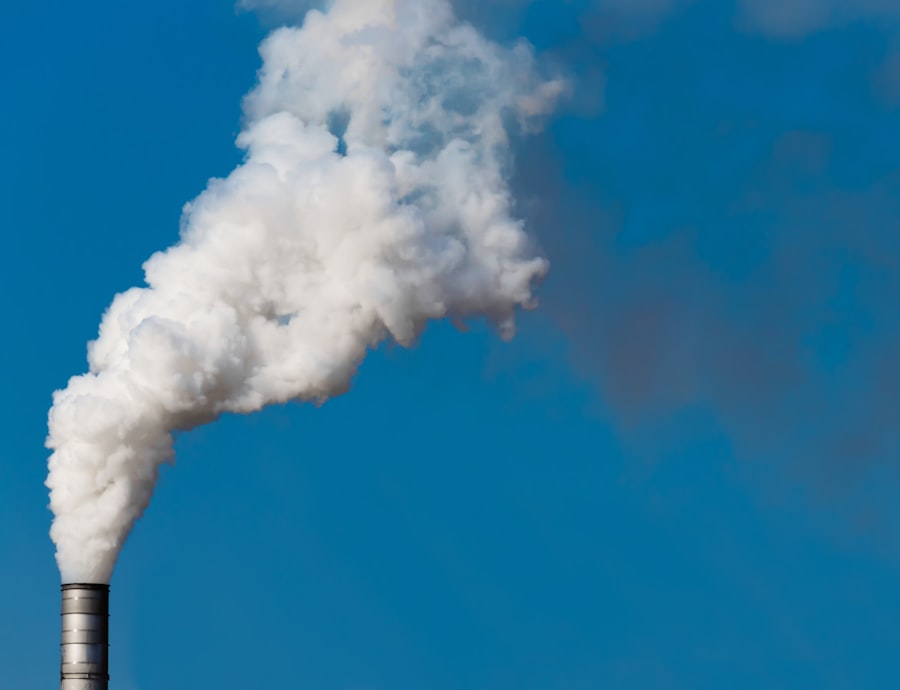
While natural processes, such as volcanic eruptions and wildfires, contribute to atmospheric smoke, human activities are undeniably the dominant force behind the intensification of global dimming in recent decades.
The Scars of Industrialization
The combustion of fossil fuels in power plants, industrial facilities, and vehicles releases vast quantities of particulate matter, including black carbon, organic carbon, and sulfur dioxide which forms sulfate aerosols. The film traces the historical trajectory of industrialization, demonstrating a clear correlation between the rise of industrial output and increasing atmospheric aerosol loading. Rapid industrialization in developing nations, often relying on less clean technologies, has become a particularly significant source in recent times. The localized impact of these emissions can be severe, resulting in chronic air pollution and reduced solar penetration in urban and industrial centers.
The Blight of Biomass Burning
Agricultural waste burning, deforestation fires, and domestic biomass combustion for heating and cooking are major contributors to atmospheric smoke, particularly in tropical and subtropical regions. These activities release a complex mixture of black carbon, organic carbon, and other volatile organic compounds. The film graphically depicts the scale of these events, showing vast swathes of land engulfed in flames, producing enormous plumes of smoke that can travel thousands of kilometers. The seasonality of these fires often leads to distinct periods of intense air pollution, impacting human health, regional climate, and ecosystems. The documentary underscores that while often geographically distant from developed nations, the climatic effects of these emissions are globally distributed.
The Whispers of a Warming World: Impacts of Diminished Sunlight
The seemingly subtle act of dimming the sun has far-reaching consequences that ripple through various Earth systems, influencing everything from weather patterns to biological productivity.
Disruption of Global Circulation Patterns
Smoke-induced atmospheric heating, particularly by black carbon, can alter regional temperature gradients, which are fundamental drivers of atmospheric circulation. Differential heating between land and ocean surfaces, for instance, can strengthen or weaken monsoon systems, leading to shifts in precipitation patterns. The film presents evidence linking increases in atmospheric aerosols to observed changes in rainfall seasonality and intensity in various parts of the world, highlighting the delicate balance of the hydrological cycle. A decrease in surface solar radiation can also reduce evaporation, ultimately impacting the amount of moisture available for cloud formation and precipitation.
Ecological Cascades
Reduced solar radiation directly impacts plant photosynthesis, the fundamental process sustaining most life on Earth. While some studies suggest a potential for increased ‘diffuse’ radiation (scattered light) to enhance photosynthesis in certain conditions, the overall trend of reduced direct sunlight generally leads to lower primary productivity. This can have cascading effects throughout ecosystems, from the base of the food web to apex predators. Altered temperature and precipitation regimes due to smoke can also stress ecosystems, making them more vulnerable to disease, pest outbreaks, and further climate change impacts. The documentary emphasizes that forests, in particular, being long-lived and massive carbon sinks, are highly susceptible to these long-term changes.
Human Health Imperatives
Beyond its climatic impacts, atmospheric smoke poses direct and severe threats to human health. Fine particulate matter (PM2.5) can penetrate deep into the lungs, causing respiratory illnesses, cardiovascular disease, and premature mortality. The film effectively connects the dots between sources of smoke, air quality degradation, and public health crises in densely populated areas. While not directly a climate impact, the human health burden provides a compelling motivation for addressing particulate emissions, illustrating that the solutions to air pollution often align with strategies for climate mitigation.
In a fascinating exploration of environmental impacts, an article discusses how smoke from wildfires can contribute to atmospheric changes that may ultimately affect sunlight reaching the Earth. This phenomenon raises concerns about climate change and its far-reaching consequences. For more insights on this topic, you can read the full article here. Understanding the interplay between smoke and sunlight is crucial for addressing the challenges posed by our changing climate.
Lifting the Veil: Mitigating Smoke and Restoring Radiance
| Metric | Description | Value | Unit |
|---|---|---|---|
| Smoke Density | Concentration of smoke particles in the atmosphere | 150 | µg/m³ |
| Solar Radiation Reduction | Percentage decrease in sunlight reaching Earth’s surface | 85 | % |
| Atmospheric Opacity | Measure of atmosphere’s transparency due to smoke | 0.95 | Opacity Index (0-1) |
| Temperature Drop | Average global temperature decrease caused by smoke | 12 | °C |
| Duration of Smoke Presence | Estimated time smoke remains in atmosphere | 5 | Years |
| Impact on Photosynthesis | Reduction in photosynthesis rate due to sunlight blockage | 90 | % |
The scale of the challenge presented by atmospheric smoke is significant, but the documentary also offers rays of hope, presenting various strategies and technologies that can help lift this veil and restore the sun’s full radiance.
Technological Innovations for Emission Reduction
Advances in combustion technology, such as catalytic converters in vehicles and advanced scrubber systems in industrial facilities, have significantly reduced particulate emissions in many developed nations. The film showcases these technological solutions, emphasizing their effectiveness when widely adopted and properly maintained. Transitioning away from fossil fuels towards renewable energy sources, such as solar and wind power, represents a fundamental shift that would drastically curtail anthropogenic smoke emissions. Implementing cleaner cookstoves and promoting sustainable agricultural practices are also highlighted as crucial interventions, particularly in regions heavily reliant on traditional biomass burning.
The Promise of International Cooperation
Addressing atmospheric smoke, much like climate change, requires a global effort. Since smoke plumes can traverse national borders, regional and international policies are essential for effective mitigation. The documentary points to existing frameworks for air quality management and calls for stronger international collaboration in sharing best practices, providing technological assistance, and enforcing emission standards. The interconnectedness of our atmosphere serves as a stark reminder that localized pollution has global ramifications, necessitating a unified approach to ensure a healthier, clearer future for all.
In conclusion, ‘Smoke: The End of the Sun’ serves as an urgent and insightful examination of a pervasive yet often overlooked environmental threat. It meticulously demonstrates how the accumulation of atmospheric particulate matter, stemming predominantly from human activities, is progressively dimming the solar energy reaching our planet. This dimming initiates a cascading series of effects, disrupting climatic patterns, altering ecosystems, and jeopardizing human health. By elucidating the complex mechanisms, diverse sources, and profound impacts of smoke, the documentary powerfully argues for immediate and concerted action. The path forward involves a blend of advanced technological solutions, a global paradigm shift towards sustainable energy, and robust international cooperation. The sun, a timeless beacon of life, reminds us of our intrinsic connection to the atmosphere; its fading brilliance is a stark metaphor for the urgency with which we must address this invisible yet potent enemy. Our collective future hinges on our ability to clear the air, quite literally, and allow the full spectrum of the sun’s life-giving energy to once again grace our planet.
FAQs
What is the concept behind “smoke that will end the sun”?
The phrase “smoke that will end the sun” typically refers to large-scale atmospheric pollution or smoke from massive wildfires that can block sunlight, leading to significant reductions in solar radiation reaching the Earth’s surface.
Can smoke from wildfires actually block out the sun?
Yes, intense and widespread wildfires can produce thick smoke clouds that obscure sunlight, sometimes causing noticeable dimming or darkening of the sky during the day.
What are the environmental impacts of smoke blocking sunlight?
Reduced sunlight can affect photosynthesis in plants, lower temperatures temporarily, disrupt weather patterns, and impact air quality, which can have health consequences for humans and animals.
Is it possible for smoke to permanently end the sun?
No, smoke cannot permanently end the sun. The sun is a massive star that emits light and heat continuously. Smoke can only temporarily block sunlight locally or regionally.
How can we reduce the risk of smoke affecting sunlight on a large scale?
Reducing the risk involves managing and preventing large wildfires through controlled burns, forest management, reducing human-caused fires, and addressing climate change to minimize extreme fire conditions.