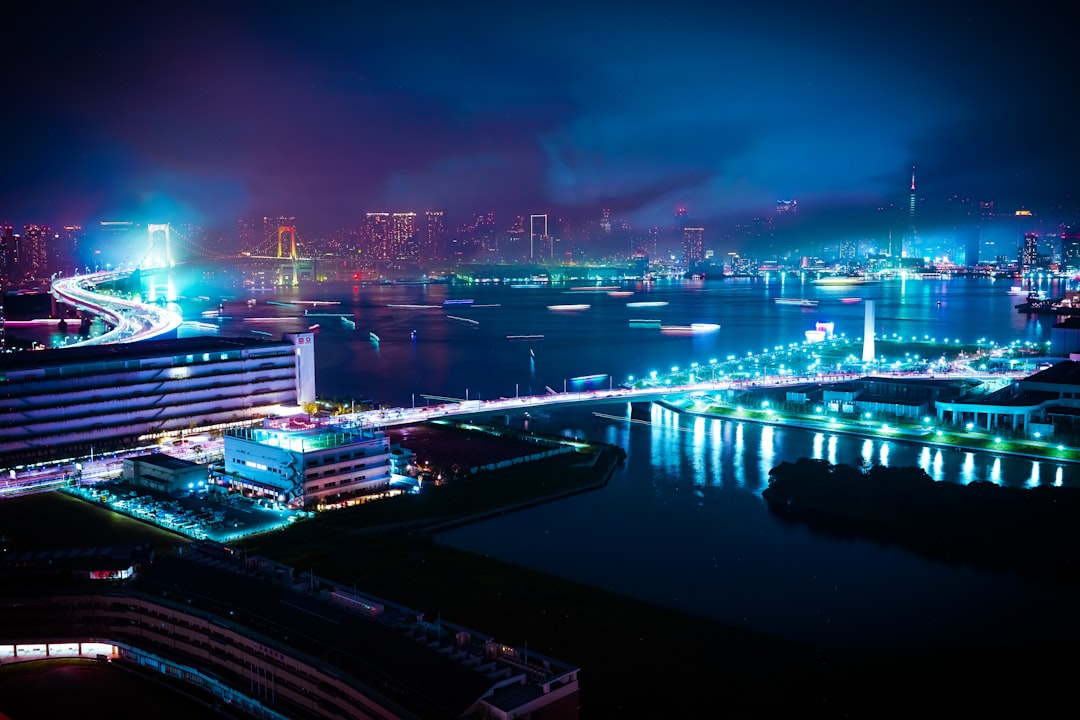
Consider the bustling metropolis, a vibrant tapestry of lives interwoven yet subtly separated. While the casual observer might perceive a seamless human flow, a deeper examination reveals a complex system of urban stratification, a secret sorting of urbanites. This process, often unconscious and driven by myriad factors, actively sculpts the experiences, opportunities, and even the identities of those who call the city home. It is a phenomenon as ancient as urban centers themselves, evolving with each societal shift and technological advancement. This article delves into the mechanisms and consequences of this elaborate sorting, inviting the reader to reflect on their own position within the urban rubric.
The Invisible Hand of Urban Planning
Cities are not organic growths; they are carefully, if imperfectly, designed. The decisions made by urban planners, policymakers, and developers act as an invisible hand, directing the flow of populations and resources. This intentional structuring inherently creates and reinforces divisions, even when ostensibly aiming for equitable development.
Zoning Regulations and Their Impact
Zoning ordinances, ostensibly designed for order and efficiency, often serve as powerful instruments of social sorting. Distinct residential, commercial, and industrial zones dictate land use and, consequently, who can afford to live and work in certain areas. High-density residential zones might cater to low-income populations, while sprawling single-family home zones often become enclaves for the affluent. This segregation is not merely aesthetic; it determines access to vital services.
- Educational Disparities: School districts are often coterminous with residential zones. Wealthier areas, with higher property taxes, can fund better-resourced schools, creating a self-perpetuating cycle of educational inequality. Children in these zones gain an inherent advantage, much like a head start in a long race.
- Service Deserts: Lower-income zones frequently experience a dearth of essential services, including quality healthcare facilities, fresh food markets, and public transportation options. This creates “service deserts,” effectively marooning residents from opportunities readily available elsewhere.
- Environmental Justice Concerns: Industrial zones, often located near lower-income residential areas due to land value and political influence, expose residents to disproportionate levels of pollution and environmental hazards. This illustrates a severe form of urban sorting, where certain populations bear the brunt of industrial impact.
Infrastructure Development and Access
The placement and quality of infrastructure – roads, public transit, parks, and digital networks – are not coincidental. They reflect deliberate choices that reinforce existing social hierarchies. A gleaming new subway line connecting affluent suburbs to the financial district, while neglected bus routes trudge through underserved neighborhoods, is a clear manifestation of this sorting.
- Transportation Inequality: Limited access to efficient and affordable public transportation restricts job opportunities and social mobility for those in less connected areas. Imagine a web, where some strands are thick and direct, while others are thin, circuitous, and prone to breakage.
- Digital Divide: The availability and affordability of high-speed internet vary significantly across urban landscapes. This digital divide exacerbates existing inequalities, particularly in an increasingly online world where access to education, employment, and public services often relies on digital connectivity.
- Green Space Equity: Access to parks and green spaces, crucial for physical and mental well-being, is often unevenly distributed. Affluent neighborhoods typically boast more abundant and better-maintained green areas, while dense, lower-income areas may be devoid of such amenities, highlighting a qualitative sorting based on privilege.
The Economic Engines of Segregation
Beyond deliberate planning, economic forces act as potent sorting mechanisms, shaping who inhabits which parts of the city and what opportunities are available to them. Capitalism, in its urban manifestation, is a relentless sorter, pushing and pulling individuals into distinct urban compartments.
Gentrification and Displacement
Gentrification, often heralded as urban revitalization, is simultaneously a powerful engine of displacement. As historically lower-income neighborhoods become attractive to wealthier residents and developers, property values and rents skyrocket. This upward pressure, a kind of urban centrifuge, expels long-standing residents and businesses, erasing established communities.
- Cultural Homogenization: The influx of new businesses catering to the tastes of higher-income residents often leads to the displacement of local, culturally specific establishments. This results in a homogenization of urban spaces, where unique local character is diluted.
- Loss of Social Networks: Displacement severs social ties and informal support networks that are crucial for community resilience. Individuals are not just losing their homes; they are losing their social fabric, their sense of belonging.
- Economic Exclusion: While new amenities might appear, the rising cost of living creates barriers for original residents to access these very services, further solidifying their exclusion from the “improved” neighborhood.
Labor Market Stratification
The urban labor market is deeply stratified, with highly skilled, well-compensated jobs clustered in certain areas, while lower-wage service jobs are distributed differently, often requiring long commutes for those who perform them. This creates a spatial division based on economic function.
- Central Business Districts: These areas, financial and economic hubs, attract high-paying professional roles, becoming enclaves for the well-educated and upwardly mobile. These districts function as engines of economic opportunity for one demographic, while remaining largely inaccessible to others.
- Service Sector Concentration: Conversely, areas with high concentrations of retail, hospitality, and healthcare services often attract lower-wage workers. These individuals often reside in more affordable, peripheral areas, creating a commuting burden and amplifying their economic precarity.
- Informal Economies: In many cities, vibrant informal economies exist, often driven by necessity in underserved areas. While providing essential goods and services, these economies are frequently marginalized and lack the protections afforded to formal sector work, representing another form of economic sorting.
The Social Fabric of Distinction
Beyond economics and planning, subtle and often unconscious social mechanisms contribute to the sorting of urbanites. These are the threads of culture, perception, and community that, when woven together, create distinct social territories within the urban landscape.
Social Networks and Homophily
Humans tend to gravitate towards those similar to themselves, a phenomenon known as homophily. In cities, this preference for similarity leads to the formation of social networks that reinforce existing divisions based on ethnicity, socio-economic status, and lifestyle. This creates a mosaic of distinct social groupings.
- Neighborhood Enclaves: Individuals, consciously or unconsciously, often seek neighborhoods where they perceive others of similar backgrounds reside. This can lead to ethnic enclaves or areas dominated by specific demographic groups, which can provide comfort and cultural reinforcement but also limit intergroup interaction.
- School Choice and Peer Influence: Parental decisions regarding school choice, often influenced by perceived social status and academic rigor, further segregate children into different social strata. Friend groups formed in these environments tend to mirror the social and economic composition of the schools themselves.
- Leisure Activities and Social Spaces: Different social groups patronize distinct leisure venues, from high-end restaurants and exclusive clubs to community centers and local parks. These spaces become markers of social distinction, subtly sorting urbanites based on their recreational preferences and economic means.
Perceived Safety and Security
The perception of safety and security plays a significant role in where people choose to live and congregate. Areas perceived as unsafe, regardless of actual crime statistics, deter investment and settlement from certain demographics, further entrenching existing disparities. This perception acts as a powerful, albeit subjective, sorting mechanism.
- Gated Communities: The rise of gated communities exemplifies this desire for perceived security, creating physical and social barriers between residents and the wider urban environment. These enclaves represent a deliberate act of sorting, creating self-contained worlds for their inhabitants.
- “Good” vs. “Bad” Neighborhood Narratives: Media portrayals and word-of-mouth often create narratives around “good” and “bad” neighborhoods, influencing housing choices and property values. These narratives, while sometimes rooted in fact, can also perpetuate stereotypes and deepen existing divisions.
- Policing Practices: Disparate policing practices, often more pronounced in certain neighborhoods, can contribute to feelings of unsafety and alienation among residents, particularly minority groups, further cementing the perception of certain areas as socially distinct and less desirable.
Cultural Capital and Lifestyle Choices
The concept of cultural capital, encompassing knowledge, skills, and dispositions valued by particular social groups, significantly contributes to the secret sorting of urbanites. Lifestyle choices, often intertwined with cultural capital, act as visible markers of social affiliation and distinction.
Access to “High Culture”
Access to institutions of “high culture” – museums, opera houses, theaters, and elite universities – is not equally distributed. While many are publicly accessible, the cost of attendance, the time required, and the subtle social codes often limit participation to those with substantial cultural capital.
- Educational Attainment and Socialization: Early exposure to cultural institutions, often through family background and private schooling, instills a sense of familiarity and appreciation for these forms of culture. This early socialization creates a cultural divide, sorting individuals based on their acquired tastes.
- Economic Barriers to Participation: While ticket prices for some events might be subsidized or free, the associated costs – transportation, childcare, appropriate attire – can still be prohibitive for many, creating an economic barrier to cultural participation.
- Symbolic Power of Cultural Practices: Engaging in certain cultural practices, such as discussing art history or attending classical concerts, can serve as a form of social signaling, affirming membership in particular elite social circles and reinforcing a cultural form of urban sorting.
Lifestyle Consumption and Identity
Consumption patterns, from the organic produce in affluent grocery stores to the fast-food chains in working-class neighborhoods, are often deeply intertwined with lifestyle choices and social identity. These seemingly innocuous choices serve as visible markers of distinction.
- Food Deserts and Food Choices: The absence of fresh, healthy food options in certain neighborhoods (food deserts) impacts dietary choices and health outcomes, serving as a stark example of how urban sorting affects basic human needs.
- Fashion and Aesthetics: Distinct fashion trends and aesthetic preferences often emerge within different urban subcultures. These choices, while personal, also reflect and reinforce social affiliations, acting as visual cues in the ongoing urban sorting process.
- Recreational Pursuits: The types of recreational activities engaged in – from cycling clubs and yoga studios to community sports leagues and neighborhood bars – often correlate with socio-economic status and cultural background, further segmenting the urban population into distinct lifestyle groups.
Conclusion: Navigating the Urban Labyrinth
The secret sorting of urbanites is not a static phenomenon but a dynamic and ever-evolving process. It is a complex interplay of deliberate planning, economic forces, subtle social cues, and individual choices. Understanding this intricate system is crucial for anyone seeking to comprehend the true nature of urban life. As residents of these complex ecosystems, we are all, to varying degrees, products and participants in this ongoing stratification. Recognizing these invisible forces, these urban currents that pull and push, allows for a more nuanced and critical engagement with the city, empowering individuals to navigate its labyrinthine pathways with greater awareness and, perhaps, to advocate for a more equitable and inclusive future. The city, in its grand design, simultaneously offers boundless opportunity and reinforces deeply ingrained divisions; it is up to us to discern the contours of its secret sorting and to strive for a more harmonious urban existence for all.
FAQs
What does it mean that cities “secretly sort people”?
It refers to the ways urban environments and policies unintentionally or deliberately organize residents based on factors like income, race, or social status, often through zoning laws, housing markets, and public services.
How do zoning laws contribute to sorting people in cities?
Zoning laws regulate land use and can restrict certain types of housing or businesses in specific areas, which can lead to economic and racial segregation by limiting affordable housing options in certain neighborhoods.
What role does public transportation play in sorting city populations?
Public transportation accessibility can influence where people live and work, often benefiting those with better access while isolating others, thereby reinforcing social and economic divisions within the city.
Are there historical examples of cities sorting people intentionally?
Yes, many cities have histories of policies like redlining and segregation ordinances that explicitly aimed to separate populations by race or class, effects of which can still be seen today.
Can cities take steps to reduce this sorting effect?
Yes, cities can implement inclusive zoning, invest in affordable housing, improve public transit equity, and promote policies that encourage diverse and integrated communities to counteract sorting.