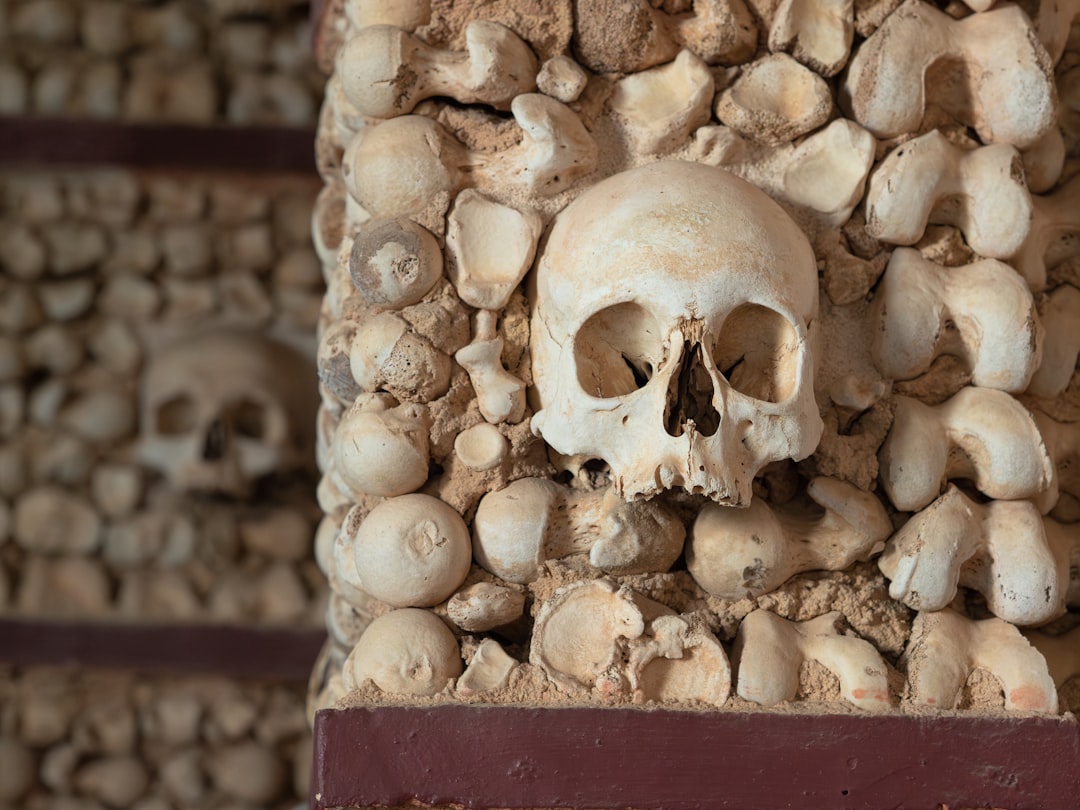
The somber task of unearthing historical atrocities often falls to the dedicated hands of forensic archaeologists and anthropologists. When textual records are scant or intentionally obscured, the silent narratives etched into skeletal remains and grave sites become paramount. This article explores how forensic science acts as a crucial witness, revealing the grim realities of ancient genocides by meticulously reconstructing events that powerful forces once sought to erase from human memory. It is a journey into the past, guided by the precision of modern scientific inquiry, illuminating the darkest chapters of human history.
The fields of forensic anthropology and archaeology are the vanguard in the investigation of ancient mass atrocities. They do not merely recover bones; they recover stories. Each fractured skull, each dismembered limb, each clustered burial holds a fragment of a larger, often tragic, narrative.
The Foundation of Analysis
Foreic anthropologists specialize in the identification of individuals and the analysis of trauma in skeletal remains. Their expertise allows them to determine age, sex, ancestry, and stature, building a biological profile of the deceased. More critically, they can differentiate between accidental trauma, perimortem injuries (occurring around the time of death), and postmortem damage, a distinction vital for understanding the circumstances of death.
Unearthing the Past
Forensic archaeologists, on the other hand, are specialists in the meticulous excavation of burial sites. Their techniques ensure that context is preserved – the spatial relationships between bodies, artifacts, and grave features – which can reveal patterns indicative of mass executions, forced labor, or ritualistic killings. They are the eyes that perceive the arrangement of the dead, decoding the intentions of their killers and the desperation of their final moments.
Recent advancements in ancient genocide forensics have shed light on the tragic events of the past, revealing crucial evidence that helps us understand the scale and impact of these atrocities. A related article discusses the methodologies used in analyzing skeletal remains to uncover the truth behind historical genocides, providing insights into the lives lost and the circumstances surrounding these events. For more information on this topic, you can read the article here: Ancient Genocide Forensics Evidence.
Patterns of Destruction: Identifying Mass Graves and Trauma
The discovery of mass graves is often the initial, stark indicator of potential genocide. However, the mere presence of multiple bodies does not automatically signify such an event. It is the confluence of several forensic indicators that paints a compelling picture.
Signature of Violence: Perimortem Trauma
The most direct evidence of violent death comes from perimortem trauma. This includes sharp force trauma (stab wounds, decapitation), blunt force trauma (blows to the head or body), projectile trauma (arrows, javelins, later bullets), and evidence of strangulation or asphyxiation. The consistent presence of specific types of injuries, particularly on vulnerable populations, can be highly indicative of systematic violence. For instance, skeletal remains exhibiting multiple, similar blows to the cranium, often inflicted from behind, frequently suggest executions rather than accidental deaths or combat injuries.
Demography of Victims
Genocides are often characterized by selective targeting. Forensic analysis of skeletal populations can reveal disturbing demographic patterns. If an excavated burial site predominantly contains the remains of a specific age group (e.g., adult males, young women, or children) or individuals bearing specific identifiers (e.g., cultural markers, genetic markers indicative of an ethnic group), it strongly suggests a targeted campaign. This demographic skew acts as a powerful statistical argument against random misfortune.
Burial Practices and Disrespect
The manner of burial itself can be a potent indicator of genocide. Victims often receive highly disrespectful and expedient burials, reflecting the dehumanization inherent in such atrocities. This can manifest as:
- Disorganized Burials: Bodies thrown haphazardly into pits, often intermingled and with no regard for traditional burial rites.
- Lack of Grave Goods: The absence of personal belongings or grave offerings, common in historical burials, signifies a hurried and dismissive interment.
- Anatomical Disarticulation: Evidence of bodies being dismembered or mutilated before burial can point to extreme violence and a desire to obscure identities.
- Overlapping Burials: Multiple layers of bodies, suggesting repeated use of the same grave site over a short period, further indicates a systematic process of killing and disposal.
The Whispers of Context: Environmental and Archaeological Clues
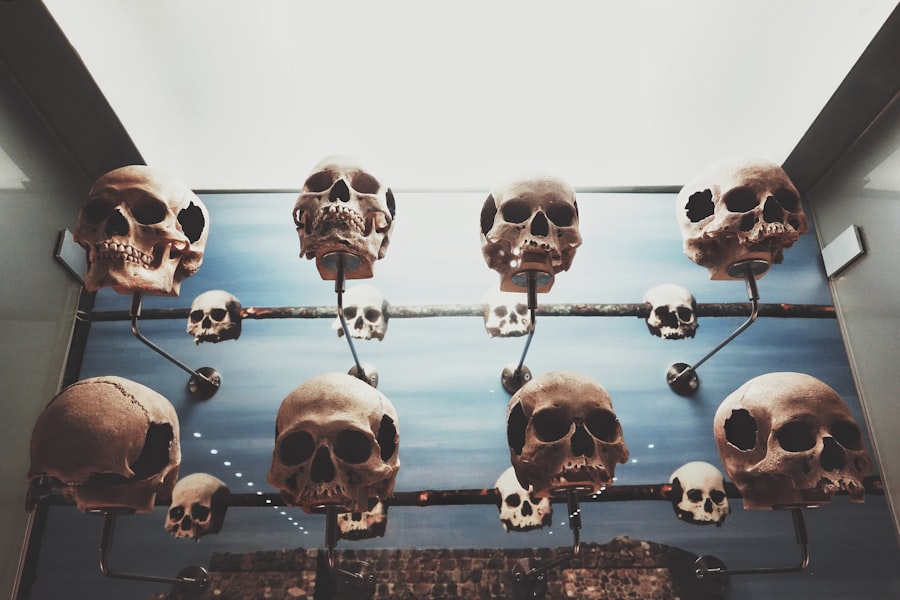
Beyond the individual bones, the surrounding environment and archaeological context provide crucial layers of evidence, allowing investigators to reconstruct the broader narrative of the genocide.
Site Selection and Secrecy
The location and design of mass graves often reveal the perpetrators’ intentions. Remote, difficult-to-access sites might suggest an attempt to conceal the atrocities. Conversely, burials within or near settlements could indicate deliberate intimidation or a lack of concern for concealment, suggesting absolute power. The archaeological analysis of the grave cut itself – its size, shape, and depth – can provide insights into the resources and time available for the burial, further hinting at the scale and urgency of the killings.
Associated Artifacts
While individuals in genocidal mass graves often lack personal grave goods, other artifacts can be incredibly informative. Weapons, ammunition, or tools found within or adjacent to the graves can directly link to the perpetrators and their methods. Evidence of bindings (e.g., rope fibers, remnants of cloth), blindfolds, or execution paraphernalia can corroborate witness testimonies or provide insights into the execution process. Even mundane objects, like ceramic shards or broken pottery, can help date the site and place the events within a historical timeline.
Palynology and Sediment Analysis
The microscopic world within the soil can hold macroscopic truths. Palynology, the study of ancient pollen, can help reconstruct the environmental conditions at the time of burial, identifying seasons or vegetation present. Sediment analysis can reveal the presence of blood, bodily fluids, or other organic matter that corroborates violent deaths. These nuanced environmental markers serve as silent chronometers and forensic witnesses.
Dating the Tragedy: Chronological Markers
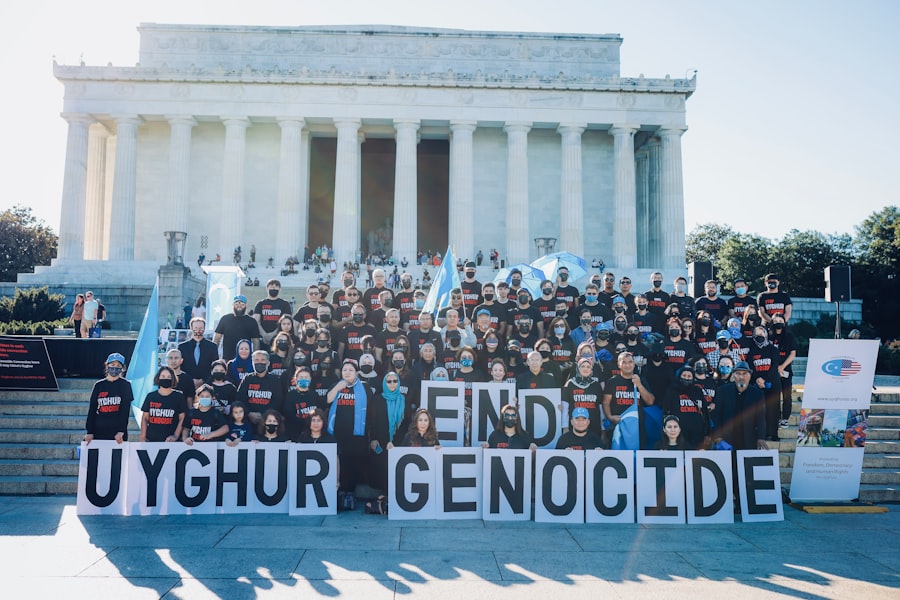
Establishing a precise timeline is fundamental to understanding any historical event, especially a genocide. Forensic science employs various methods to pin down the “when” of the atrocity.
Radiocarbon Dating
One of the most powerful tools available is radiocarbon dating. By analyzing the decay of carbon-14 isotopes in organic materials (bones, teeth, textiles), scientists can determine the approximate time of death. This method provides an invaluable independent verification of historical accounts or can establish a timeline where written records are absent or unreliable.
Stratigraphy and Ceramic Typology
Archaeological stratigraphy – the study of layers of soil and artifacts – provides relative dating. Objects found in deeper layers are generally older than those found above them. Coupled with ceramic typology, which dates pottery based on its style and manufacturing techniques, archaeologists can build a robust chronological framework for the site. The presence of artifacts with known production dates within the burial context solidifies the timeline of the genocide.
Historical and Cultural Markers
Beyond scientific dating, cultural artifacts and historical records, if available, can provide valuable contextual chronological markers. Coins, inscriptions, and distinctive clothing patterns can link the skeletal remains to specific historical periods or even identifiable cultural groups mentioned in ancient texts. The cross-referencing of these various dating methods strengthens the overall forensic narrative.
Recent advancements in ancient genocide forensics have shed light on the tragic events of the past, revealing crucial evidence that helps us understand the scale and impact of these atrocities. A compelling article that delves into this subject can be found at Real Lore and Order, where researchers discuss how archaeological findings and modern forensic techniques are being utilized to uncover the stories of victims and survivors. This intersection of science and history not only honors those who suffered but also serves as a reminder of the importance of remembering and learning from our past.
The Power of the Narrative: Reconstructing Events and Offering Justice
The ultimate goal of forensic investigation into ancient genocide is not simply to catalog bones but to reconstruct the events, honor the victims, and inform historical understanding.
Confronting Denial and Revisionism
In many instances, powerful states or groups have sought to deny or revise the history of genocidal acts. Forensic evidence serves as an unassailable bulwark against such attempts. The objective, scientific data extracted from the earth provides irrefutable proof of widespread atrocities, giving voice to those silenced by violence and historical erasure. It cuts through propaganda and presents a factual account, laying bare the truth for future generations.
Humanizing the Victims
Beyond the statistics, forensic analysis helps to humanize the victims. By determining age, sex, and even evidence of past ailments or physical attributes, investigators transform anonymous bones into individuals. The patterns of violence inflicted upon them reveal their suffering, their final moments. This process helps to restore dignity to those who were deliberately stripped of it in death. It allows us to glimpse the terror and pain endured by real people, rather than abstract numbers.
Informing Historical Understanding
Forensic evidence actively contributes to and refines our understanding of ancient societies, conflicts, and human rights. It can corroborate textual accounts, shed light on previously unknown events, or even challenge established historical narratives. For instance, the archaeological discovery of specific types of weapons or the ethnic profile of victims can reshape our understanding of historical conflicts and the motivations behind them. This scientific lens offers a new perspective on the past, enriching the tapestry of human history with previously suppressed truths. It is a stark reminder, woven into the very fabric of the earth, of humanity’s capacity for both immense cruelty and extraordinary resilience.
The work of forensic scientists in uncovering ancient genocides is not merely an academic exercise. It is a profound act of remembrance, a quest for truth, and a warning to future generations. The land itself becomes a witness, and through the meticulous application of science, its silent testimony is finally heard, echoing across millennia, demanding acknowledgment and reflection.
FAQs
What is ancient genocide forensics evidence?
Ancient genocide forensics evidence refers to the scientific analysis of physical remains, artifacts, and environmental data to identify and understand instances of mass violence or genocide that occurred in ancient times. This evidence helps researchers reconstruct historical events and assess the scale and nature of such atrocities.
What types of forensic methods are used to study ancient genocides?
Forensic methods used include osteological analysis to examine human bones for trauma, DNA analysis to identify victims and perpetrators, archaeological excavation to uncover mass graves, and chemical analysis to detect signs of violence or environmental changes related to genocide events.
How do researchers differentiate between genocide and other causes of mass death in ancient contexts?
Researchers look for patterns of trauma on skeletal remains, such as weapon-inflicted injuries, evidence of systematic killing, and the context of burial sites. They also consider historical records, cultural evidence, and demographic data to distinguish genocide from natural disasters, epidemics, or warfare casualties.
What challenges exist in interpreting ancient genocide forensics evidence?
Challenges include the degradation of biological materials over time, incomplete archaeological records, potential contamination, and the difficulty of linking physical evidence directly to specific historical events or groups. Additionally, cultural biases and limited written records can complicate interpretations.
Why is studying ancient genocide forensics evidence important?
Studying this evidence provides insights into human history, the causes and consequences of mass violence, and the development of social and political structures. It also helps acknowledge and memorialize victims, informs modern forensic science, and contributes to preventing future genocides by understanding past patterns.