Yellowstone’s Impact on Future Civilization
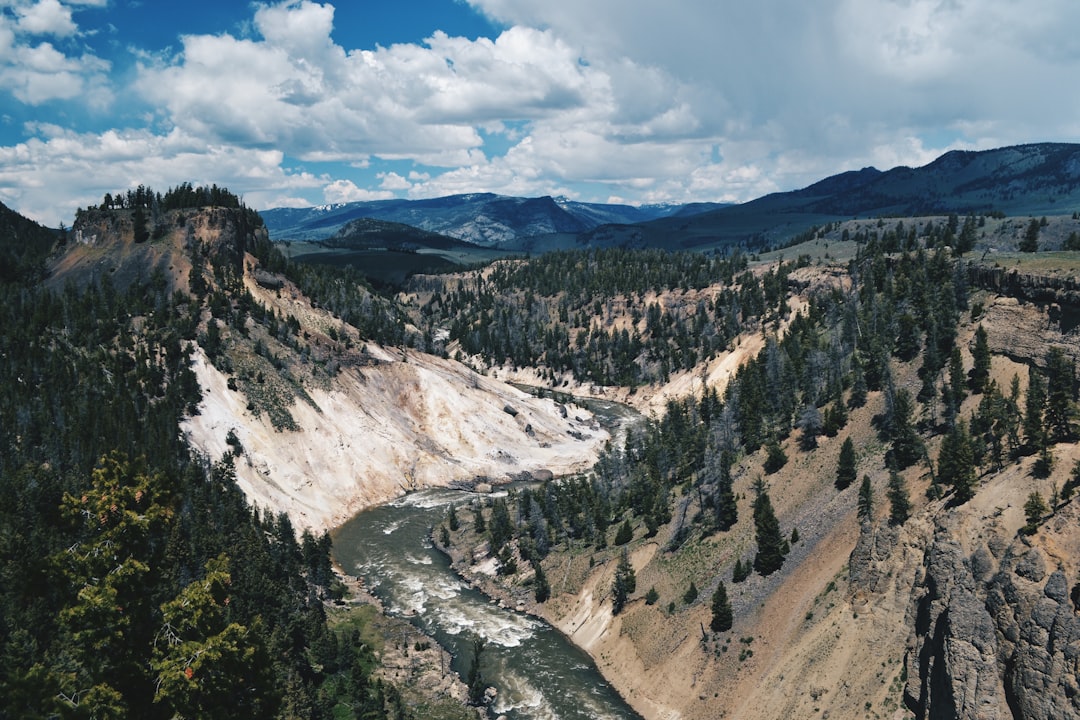
The Yellowstone Caldera, a geological behemoth slumbering beneath the landscapes of Wyoming, Montana, and Idaho, represents not merely a prominent tourist destination but a profound force shaping the potential trajectory of future human civilization. Understanding its latent power is akin to deciphering the dormant giant in Aesop’s fables; its true impact lies not just in its present state, but in its capacity for monumental change. While the immediate concerns of civilization focus on technological advancement and societal structures, the long shadow cast by Yellowstone serves as a potent reminder of the Earth’s inherent dynamism and the delicate balance upon which our existence precariously rests.
The most dramatic and widely discussed impact of Yellowstone on future civilization revolves around its potential for a supereruption. This is not a matter of idle speculation but a consequence of the caldera’s geological history. Scientific consensus, based on extensive research into volcanic deposits and seismic activity, confirms that Yellowstone is a supervolcano, capable of unleashing an eruption of unprecedented scale. The recurrence interval of such events, while measured in hundreds of thousands of years, stands as a ticking clock in geological time.
Understanding the Mechanics of a Supereruption
The formation of the Yellowstone Caldera is a direct result of a massive magma chamber located deep beneath the Earth’s crust. This chamber, fueled by a mantle plume, has been responsible for a series of colossal eruptions over millions of years, each leaving behind a distinct geological scar. A supereruption would involve the catastrophic expulsion of vast quantities of volcanic ash, gases, and pyroclastic flows, dwarfing any eruption experienced in recorded human history. The sheer volume of material ejected would profoundly alter atmospheric conditions on a global scale.
The Scale of Destruction: Beyond Imagination
The immediate aftermath of a supereruption would be devastating. The ash cloud, reaching into the stratosphere, would blanket continents, rendering large areas uninhabitable and destroying agricultural land for years, possibly decades. The cooling effect of this atmospheric debris would trigger an “impact winter,” a period of significantly reduced global temperatures. This would not be a gentle frost but a severe and prolonged climatic shift, capable of triggering widespread famine and societal collapse. The immediate vicinity of the caldera would experience cataclysmic destruction from pyroclastic flows and lava.
The Improbability and the Ignorance: A Dangerous Complacency
Despite the scientific evidence, a sense of complacency often permeates discussions about supervolcanoes. The low probability of an eruption within a human lifespan, or even within the span of our recorded history, can breed a false sense of security. However, geological time scales are vastly different from human ones. While an eruption might not occur in our generation, its potential impact on future civilizations, many generations hence, cannot be ignored. To underestimate this threat is akin to ignoring a loaded gun simply because it has not yet been fired.
In light of the recent discussions surrounding the future of Yellowstone and its potential impact on civilization, an insightful article titled “Yellowstone’s Volcanic Activity: A Civilization Forecast” provides a comprehensive analysis of the geological and environmental factors at play. This piece explores the implications of a supereruption and how it could reshape societal structures, economies, and ecosystems. For those interested in a deeper understanding of this critical topic, you can read the article here: Yellowstone’s Volcanic Activity: A Civilization Forecast.
Cascading Consequences for Global Systems
The impact of a Yellowstone supereruption would extend far beyond the immediate geographical devastation. It would trigger a cascade of consequences, unraveling intricate global systems and forcing radical adaptations for any surviving civilization. The interconnectedness of modern society makes it particularly vulnerable to such systemic shocks.
The Global Climate Disruption: A New Ice Age
The most significant long-term consequence would be a drastic alteration of Earth’s climate. The stratospheric ash would reflect solar radiation, leading to a global cooling trend. This cooling could plunge vast regions into conditions resembling a new ice age, drastically reducing arable land and habitable zones. The established patterns of agriculture, which have been honed by millennia of relatively stable climate, would become obsolete, necessitating the development of entirely new food production methods.
The Food Security Crisis: Starvation as a Catalyst
With vast swathes of agricultural land rendered infertile by ash and prolonged cold, global food security would collapse. This would become the primary driver of societal upheaval and potential conflict. Surviving populations would face the immense challenge of cultivating crops in drastically altered environments, perhaps necessitating the development of subterranean or heavily shielded agriculture. The very foundation of civilization – a consistent food supply – would be threatened.
Water Resource Scarcity: Frozen Rivers and Drying Wells
The altered climate would also profoundly impact water resources. Glaciers might expand in some regions due to increased snowfall, but many freshwater sources could become inaccessible or frozen. Changes in precipitation patterns could lead to widespread droughts in some areas while others experience devastating floods. Managing dwindling water supplies would be a critical challenge for any resilient society.
Economic and Social Collapse: The Unraveling of Modernity
Modern civilization is built upon complex economic and social structures that are highly dependent on stability and predictability. A catastrophic eruption would shatter these systems. Global trade would cease, financial markets would collapse, and the intricate supply chains that sustain our way of life would be severed. The ensuing chaos would inevitably lead to widespread social disorder, potentially fragmenting societies into smaller, self-sufficient enclaves struggling for survival.
The Breakdown of Governance: From Nation-States to Localized Control
Established forms of governance, from national governments to international alliances, would likely crumble under the strain of a global catastrophe. Governments would be overwhelmed by the scale of the disaster, unable to provide essential services or maintain order. In the aftermath, power structures might devolve to localized, community-based leadership, or even to more militaristic or authoritarian regimes that can impose control in a chaotic environment.
The Loss of Knowledge and Infrastructure: A Steep Climb Back
A widespread catastrophe of this magnitude would inevitably lead to the loss of vast amounts of accumulated knowledge and critical infrastructure. The destruction of libraries, educational institutions, and digital data repositories, combined with a decline in the number of educated individuals, could set humanity back centuries in terms of scientific and technological progress. Rebuilding would not be a simple matter of assembly but a painstaking process of rediscovery and innovation.
Adapting to a Changed Planet: The Resilience of Humanity
The long-term impact of Yellowstone also hinges on humanity’s capacity for adaptation. While a supereruption would present an existential threat, it would also serve as an unparalleled catalyst for innovation and a redefinition of what it means to be civilized. The very act of survival would breed a new kind of resilience, forged in the crucible of disaster.
Technological Innovation for Survival: Necessity as the Mother of Invention
The challenges posed by a post-eruption world would necessitate rapid technological advancements. This could include the development of:
Advanced Atmospheric Filtration and Shielding: Building Fortresses Against the Sky
To survive the prolonged period of atmospheric ash and reduced sunlight, future civilizations might need to develop robust atmospheric filtration systems for enclosed habitats and advanced shielding technologies to protect against radiation and harsh environmental conditions. Imagine cities constructed beneath protective domes, shielded from the polluted sky.
Novel Food Production Systems: Cultivating Life in the Ashes
The ability to grow food in drastically altered environments would be paramount. This could lead to breakthroughs in hydroponics, aeroponics, vertical farming, and genetically engineered crops designed to thrive in low-light and nutrient-poor conditions. Perhaps even entirely novel forms of food synthesis would emerge.
Energy Independence and Sustainability: Decentralized Power Grids
With traditional energy infrastructures likely destroyed or rendered inoperable, future civilizations would need to focus on developing decentralized and sustainable energy sources, such as advanced geothermal technologies, small-scale nuclear fusion, or highly efficient solar power systems that can function even in low-light conditions. This would also drive a radical shift towards extreme energy efficiency in all aspects of life.
Societal Restructuring: New Forms of Community and Governance
The societal impact would be equally profound. The lessons learned from near-annihilation could lead to a fundamental re-evaluation of societal priorities and structures.
Emphasis on Collaboration and Mutual Aid: A Scarred but United Front
Perhaps the most hopeful outcome would be a renewed emphasis on global cooperation and mutual aid. The shared experience of immense loss could foster a deeper understanding of our interconnectedness and the vital importance of collective action for survival. This could lead to the formation of new global partnerships and a more equitable distribution of resources.
Re-evaluation of Values: Shifting from Consumption to Sustenance
The superficiality of consumer culture would likely be stripped away by the stark realities of survival. Future societies might prioritize sustainability, resourcefulness, and collective well-being over material accumulation. The definition of “progress” itself could be redefined, moving away from endless growth towards a more balanced and resilient existence.
The Long Arc of Geological Time: A Call for Foresight

Yellowstone’s potential impact is not a doomsday prophecy but a stark reminder of our place within the grand, indifferent machinations of geological time. Understanding its power is an act of intellectual humility and a vital component of long-term planning for human civilization.
The Limits of Prediction, The Certainty of Change
While predicting the exact timing and scale of a Yellowstone eruption remains within the realm of probability, the certainty of Earth’s dynamic nature is undeniable. Geological forces are constantly at play, and their expressions, though ancient, hold immense power to reshape the planet and, by extension, the societies that inhabit it. Civilizations that fail to acknowledge and prepare for these fundamental forces are building their futures on shifting sands.
The Legacy of Preparedness: Safeguarding Future Generations
The proactive study and monitoring of Yellowstone, alongside the development of contingency plans for catastrophic events, are not simply scientific endeavors but acts of profound responsibility towards future generations. Investing in early warning systems, robust disaster relief strategies, and research into survival technologies are investments in the continued existence of civilization. It is a form of long-term stewardship, ensuring that humanity has a fighting chance to weather the storms that nature may unleash.
In exploring the potential impacts of climate change on national parks, a fascinating article titled “Yellowstone’s Future: A Civilization Forecast” delves into the challenges and transformations that may arise in this iconic region. The piece highlights how shifting weather patterns and environmental changes could reshape the landscape and ecosystems of Yellowstone. For further insights on related topics, you can check out this informative resource on the implications of such changes in our natural world at Real Lore and Order.
Yellowstone as a Cosmic Mirror: Reflecting Our Vulnerability
| Metric | Value | Unit | Description |
|---|---|---|---|
| Supervolcano Eruption Probability | 0.00014 | % per year | Estimated annual chance of Yellowstone supervolcano eruption |
| Volcanic Ash Spread Radius | 1,000 | km | Approximate radius affected by ash fallout in a major eruption |
| Global Temperature Drop | 3-5 | °C | Estimated average global temperature decrease post-eruption |
| Duration of Volcanic Winter | 2-5 | Years | Length of significant climate cooling following eruption |
| Population Displacement | Millions | People | Estimated number of people displaced in North America |
| Global Agricultural Impact | 30-50 | % Reduction | Estimated decrease in global crop yields due to ash and cooling |
| Recovery Time for Civilization | 10-20 | Years | Estimated time for global civilization to recover from impacts |
Ultimately, Yellowstone’s impact on future civilization serves as a cosmic mirror, reflecting back to us our own profound vulnerability and the ephemeral nature of our current existence. It is a humbling force that demands respect, not fear, and a potent reminder that our ingenuity and resilience will be tested not only by our own creations but by the very planet that sustains us.
The Impermanence of Civilizations: A Lesson from the Past
History is replete with examples of civilizations that flourished and then faded, succumbing to a myriad of environmental, social, or economic pressures. Yellowstone represents an environmental pressure of a magnitude rarely contemplated, an event that could dwarf the challenges faced by any civilization in the past. Understanding this potential future is not about succumbing to despair but about developing the wisdom and foresight necessary to navigate the inevitable challenges that lie ahead.
The Choice Before Us: Complacency or Conscious Adaptation
The future impact of Yellowstone on civilization is not predetermined. It will be shaped by the choices we make today. Will we remain complacent, lulled into a false sense of security by the dormant giant? Or will we embrace the knowledge, foster innovation, and cultivate the resilience necessary to face such a formidable challenge, ensuring that future generations not only survive but thrive in the face of overwhelming odds? The caldera remains, a silent, powerful testament to the forces that shape our world, and our response to its potential will define the legacy of our civilization.
FAQs
What is the Yellowstone rewrite civilization forecast?
The Yellowstone rewrite civilization forecast refers to scientific predictions and models concerning the potential impact of a major eruption of the Yellowstone supervolcano on human civilization and the environment.
How likely is a Yellowstone supervolcano eruption in the near future?
Current geological assessments indicate that a major eruption of the Yellowstone supervolcano is unlikely in the near future. While Yellowstone is an active volcanic system, significant eruptions occur on timescales of hundreds of thousands of years.
What would be the global effects of a Yellowstone supervolcano eruption?
A large eruption could release massive amounts of ash and gases into the atmosphere, potentially causing widespread climate cooling, disruption of agriculture, and severe impacts on air travel and infrastructure worldwide.
How do scientists monitor Yellowstone for signs of volcanic activity?
Scientists use a combination of seismic monitoring, ground deformation measurements, gas emissions analysis, and satellite observations to track changes in Yellowstone’s volcanic activity and assess potential eruption risks.
Can human civilization recover from a Yellowstone supervolcano eruption?
While a major eruption would cause significant short-term disruptions, human civilization has the capacity to adapt and recover over time. Preparedness, global cooperation, and scientific advancements would play critical roles in mitigating long-term impacts.