
The geopolitical landscape of Europe has undergone significant transformations by the year 2026, a period marked by both continuity and profound shifts in alliances, economic dynamics, and security paradigms. The reverberations of past events, coupled with emerging global trends, have intricately reshaped the continent’s power structures, demanding a comprehensive reassessment of its political, economic, and military architecture. This article aims to provide a meticulous overview of these developments, offering an analytical perspective on the forces at play and their implications for the future of the European continent.
The economic power map of Europe in 2026 presents a complex picture, characterized by both deepening interdependence within certain blocs and a growing divergence in economic fortunes elsewhere. The lingering effects of global supply chain disruptions, coupled with differential national responses to economic pressures, have created a variegated economic landscape.
Germany’s Enduring Industrial Core, Yet Adapting
Germany, traditionally the economic engine of Europe, continues to maintain a formidable industrial base. Its export-oriented model, deeply embedded in advanced manufacturing and engineering, remains a cornerstone of its economic strength. However, the nation has increasingly focused on diversifying its energy sources and investing heavily in green technologies, navigating the complexities of energy transition.
- Renewable Energy Dominance: Significant investments in wind, solar, and hydrogen technologies have begun to yield substantial results, reducing reliance on traditional fossil fuels and positioning Germany as a leader in sustainable industrial practices. This strategic shift is not merely environmental but economic, creating new industries and export opportunities.
- Challenges in Digital Transformation: Despite its industrial prowess, Germany faces ongoing challenges in fully embracing digital transformation across all sectors. While leading in certain high-tech niches, broader adoption of advanced automation and artificial intelligence in smaller and medium-sized enterprises (SMEs) remains a key area for development.
France’s Strategic Autonomy and Public Investment
France has continued its pursuit of strategic autonomy, translated into robust public investment in key sectors such as defense, nuclear energy, and advanced digital infrastructure. The nation’s economic policy reflects a commitment to maintaining its geopolitical standing through strengthening its industrial and technological sovereignty.
- Nuclear Renaissance: A renewed emphasis on nuclear power, including the development of new generation reactors, underscores France’s commitment to energy independence and a stable energy supply. This contrasts with earlier trends in several other European nations.
- Deepening European Integration Initiatives: France has actively championed initiatives for greater economic and political integration within the European Union, viewing it as essential for collective prosperity and influence on the global stage. This aligns with its broader vision of a stronger, more cohesive European bloc.
The Rise of Southern European Economic Resilience
Nations in Southern Europe, particularly Spain and Italy, have demonstrated a remarkable degree of economic resilience and adaptation. While historically grappling with various economic challenges, by 2026, significant reforms and strategic investments have begun to bear fruit.
- Tourism as a Catalyst for Growth: The tourism sector in these nations continues to be a vital economic driver, but there has been a notable shift towards sustainable and high-value tourism experiences. This includes environmental preservation initiatives and cultural heritage promotion, attracting a diverse range of visitors.
- Investment in Green Economy and Digitalization: Both Spain and Italy have leveraged significant EU recovery funds to invest in green economy initiatives and digital infrastructure. This has fostered new growth sectors and improved overall economic competitiveness, addressing long-standing structural weaknesses.
As discussions surrounding the potential redraw of Europe’s power map in 2026 gain momentum, it is essential to stay informed about the various geopolitical implications and strategies involved. A related article that delves into the intricacies of this topic can be found at this link. It provides valuable insights into the shifting alliances and power dynamics that could shape the continent’s future landscape.
Realigned Security Architectures: A Post-Conflict Landscape
The security architecture of Europe in 2026 is profoundly shaped by the enduring consequences of recent conflicts and the evolving perception of threats. The continent has witnessed a significant re-evaluation of defense spending, alliance structures, and the role of international cooperation.
NATO’s Renewed Vitality and Expansion
The North Atlantic Treaty Organization (NATO) has experienced a significant revitalization and expansion, demonstrating its enduring relevance as the primary collective defense alliance for many European nations. The perception of heightened security threats from the East has galvanized member states, leading to increased defense spending and closer military cooperation.
- Eastern Flank Reinforcement: A sustained presence of NATO forces along its eastern flank, including enhanced forward deployments and joint exercises, underscores the alliance’s commitment to collective defense. This serves as a significant deterrent and reassurance to frontline member states.
- Cybersecurity as a Core Pillar: Cybersecurity has been fully integrated as a core pillar of NATO’s collective defense strategy. Joint cyber defense capabilities, intelligence sharing, and coordinated responses to cyberattacks have become standard operational procedures, acknowledging the pervasive nature of digital threats.
European Union’s Evolving Defense Ambitions
The European Union has continued to develop its own defense and security capabilities, albeit with varying degrees of integration among member states. While not aiming to replace NATO, the EU seeks to enhance its capacity for autonomous action in crisis management, humanitarian interventions, and the protection of its interests.
- Strategic Compass Implementation: The implementation of the EU’s Strategic Compass, outlining concrete measures for strengthening defense and security, has gained momentum. This includes investments in rapid deployment capabilities, common procurement programs, and intelligence sharing mechanisms.
- Synergies with NATO: Despite the desire for greater autonomy, there has been an increased emphasis on identifying synergies and avoiding duplication with NATO. Acknowledging the complementary roles, the EU and NATO have deepened cooperation on issues such as military mobility and hybrid threats.
Neutrality’s Reconsideration and Adaptability
Several traditionally neutral European nations have engaged in a comprehensive reassessment of their security policies. The shifting geopolitical landscape has prompted some to forge closer security partnerships, while others have reinforced their non-alignment with increased defense investments.
- Finland and Sweden’s Integration: The full integration of Finland and Sweden into NATO stands as a monumental shift, fundamentally altering the security landscape of Northern Europe. Their advanced military capabilities and strategic geographical positions contribute significantly to the alliance’s strength.
- Ireland’s Evolving Stance: Ireland, while maintaining its policy of military neutrality, has actively participated in EU security initiatives and significantly enhanced its defense capabilities. The nation has acknowledged the need for robust security measures in an increasingly complex global environment.
The Digital Frontier: Innovation, Regulation, and Geopolitical Competition
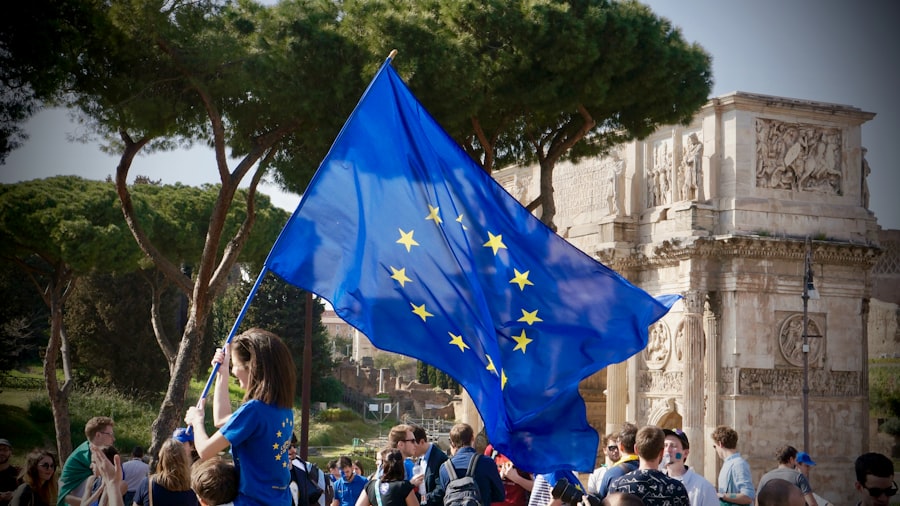
The digital frontier in 2026 represents a critical domain of innovation, economic growth, and intense geopolitical competition. Europe finds itself navigating the intricate balance between fostering technological advancement, protecting fundamental rights, and asserting its digital sovereignty.
Regulatory Leadership and Data Governance
The European Union has solidified its position as a global leader in digital regulation and data governance. Its comprehensive legal frameworks, such as the General Data Protection Regulation (GDPR) and the Digital Services Act (DSA), have become benchmarks for other jurisdictions globally.
- AI Act’s Full Implementation: The EU’s Artificial Intelligence Act, a pioneering legislative framework for trustworthy AI, is fully implemented by 2026. This act sets a global standard for ethical AI development and deployment, requiring high levels of transparency, accountability, and human oversight.
- Data Protection as a Core Value: The concept of data protection has been deeply embedded in European digital policy, becoming a core value that influences trade agreements and technological collaborations with third countries. This emphasis serves as a bulwark against undue surveillance and data exploitation.
Strategic Investment in Frontier Technologies
Across Europe, there is a concerted effort to strategically invest in frontier technologies, aiming to reduce dependence on external technological powers and foster indigenous innovation. This includes significant allocations to quantum computing, biotechnology, and advanced materials science.
- European Cloud Initiatives: Robust European cloud initiatives have gained traction, offering secure and compliant data storage and processing solutions within the EU. This reduces reliance on non-European cloud providers, addressing concerns about data sovereignty and national security.
- Quantum Computing Research Hubs: European research institutions and private companies have established leading quantum computing research hubs, pooling resources and expertise to accelerate breakthroughs in this transformative field. The long-term implications for encryption and computational power are profound.
Addressing Digital Divides and Critical Infrastructure Protection
Efforts to address persistent digital divides within and between European nations remain a priority. Simultaneously, the protection of critical digital infrastructure from state-sponsored attacks and cybercrime has become a matter of national and continental security.
- Universal Broadband Access: Programs aimed at achieving universal broadband access across all regions, including remote and rural areas, have progressed significantly. This ensures equitable access to digital services and economic opportunities for all citizens.
- Cyber Resilience of Critical Infrastructure: Enhanced measures for the cyber resilience of critical infrastructure, encompassing energy grids, communication networks, and financial systems, are widely implemented. This includes regular stress tests, threat intelligence sharing, and rapid response protocols.
Demographic Shifts and Social Cohesion: An Evolving Societal Fabric
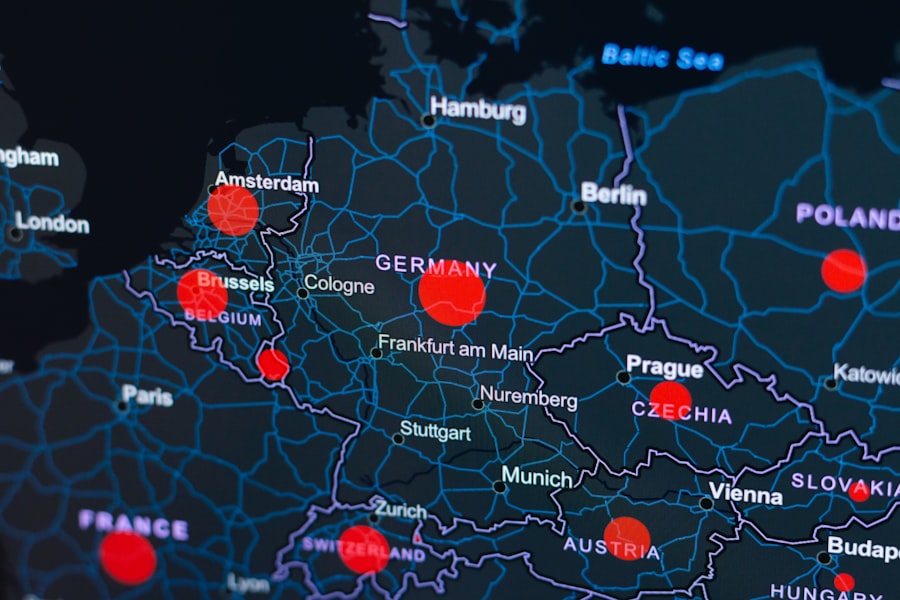
Europe’s demographic landscape in 2026 continues to be shaped by ongoing trends in birth rates, mortality, and migration. These shifts present both opportunities and challenges, requiring proactive policies to ensure social cohesion and sustainable development.
Aging Populations and Workforce Challenges
The aging of European populations remains a significant demographic trend, posing challenges to pension systems, healthcare services, and labor markets. Countries across the continent are grappling with the implications of a shrinking working-age population.
- Reforms to Pension Systems: Comprehensive reforms to pension systems, including increased retirement ages and diversified funding models, are being implemented in many nations. These measures aim to ensure the long-term sustainability of social security provisions.
- Automation and Workforce Adaptation: Increased investment in automation and artificial intelligence is seen as a means to mitigate workforce shortages, particularly in sectors with declining labor availability. Concurrently, vocational training and lifelong learning programs are crucial for upskilling and reskilling the existing workforce.
Migration Dynamics and Integration Policies
Migration continues to be a complex and multifaceted phenomenon in Europe, influenced by geopolitical events, economic disparities, and climate change. European nations are striving to develop coherent and humane integration policies that benefit both host communities and new arrivals.
- Managed Migration Pathways: An increasing number of European nations have established more structured and managed migration pathways, focusing on skilled labor and addressing specific sectoral needs. This approach aims to match labor demand with supply while supporting economic growth.
- Focus on Social and Economic Integration: Integration policies emphasize not just legal frameworks but also comprehensive social and economic integration programs. These include language training, vocational support, and initiatives to foster cultural understanding and reduce social friction.
Urbanization and Regional Development Disparities
The trend of urbanization continues across Europe, with major cities acting as economic and cultural hubs. However, this often exacerbates regional development disparities, requiring targeted policies to ensure balanced growth and prevent the marginalization of rural areas.
- Smart City Initiatives: Numerous European cities have become pioneers in “smart city” initiatives, leveraging technology to improve urban living, enhance sustainability, and optimize public services. These initiatives address challenges such as traffic congestion, pollution, and resource management.
- Investment in Rural Broadband and Infrastructure: Significant investments are being channeled into improving broadband connectivity, transportation infrastructure, and public services in rural areas. The aim is to make these regions more attractive for living and working, fostering economic diversification beyond traditional agricultural sectors.
As discussions around the potential redraw of Europe’s power map in 2026 gain momentum, many analysts are examining the implications of shifting alliances and geopolitical strategies. A related article delves into the intricacies of these changes and their potential impact on regional stability. For more insights, you can read the full analysis in this article, which highlights the key factors driving this transformation and what it could mean for the future of Europe.
Geopolitical Vectors: East-West Relations and Global Power Shifts
| Country | Projected Energy Capacity 2026 (GW) | Renewable Energy Share (%) | Coal Power Capacity (GW) | Nuclear Power Capacity (GW) | Key Changes by 2026 |
|---|---|---|---|---|---|
| Germany | 220 | 65 | 0 | 0 | Complete phase-out of coal and nuclear; increased wind and solar capacity |
| France | 130 | 40 | 5 | 50 | Modernization of nuclear fleet; growth in offshore wind |
| United Kingdom | 110 | 70 | 2 | 8 | Expansion of offshore wind farms; gradual coal phase-out |
| Poland | 60 | 30 | 20 | 0 | Slow coal phase-out; increase in solar and wind projects |
| Spain | 80 | 75 | 1 | 0 | Significant solar PV expansion; reduction in fossil fuel use |
| Italy | 70 | 60 | 3 | 0 | Growth in solar and wind; no nuclear power |
| Netherlands | 50 | 55 | 5 | 0 | Transition from coal to gas and renewables |
| Sweden | 40 | 85 | 0 | 10 | High renewable share with nuclear complement |
The overarching geopolitical vectors influencing Europe in 2026 are primarily defined by the ongoing reorientation of East-West relations and the broader shifts in global power dynamics. Europe’s position at the nexus of these forces necessitates strategic adaptability and unity.
Russia’s Enduring Influence and Strategic Competition
Russia continues to exert a significant, albeit evolving, influence on European security. While direct conflict remains a persistent concern, the strategic competition has broadened to encompass energy markets, information warfare, and influence operations.
- Diversification of Energy Sources: European nations have substantially diversified their energy sources, significantly reducing their dependency on Russian gas and oil. This strategic move, accelerated by recent geopolitical events, has altered the energy leverage dynamics.
- Countering Disinformation Campaigns: Robust frameworks and collaborative efforts are in place across Europe to counter state-sponsored disinformation campaigns that aim to sow discord and undermine democratic institutions. Public awareness campaigns and fact-checking initiatives are integral to these efforts.
China’s Growing Economic Footprint and Diplomatic Engagement
China’s economic footprint in Europe continues to expand, driven by investments in infrastructure, technology, and trade. This growing presence presents both opportunities for economic cooperation and challenges concerning human rights, trade imbalances, and geopolitical influence.
- Balancing Economic Opportunity with Strategic Concerns: European nations individually and collectively navigate the complex task of balancing the economic opportunities presented by Chinese investment with strategic concerns regarding intellectual property, market access, and human rights.
- Dialogue on Global Challenges: Despite areas of divergence, diplomatic engagement with China continues on global challenges such as climate change, pandemics, and nuclear non-proliferation. Europe seeks to find areas of common interest while firmly asserting its values and interests.
Transatlantic Partnership’s Evolution
The transatlantic partnership between Europe and the United States, while having faced periods of strain, has evolved into a more pragmatic and strategic alignment by 2026. Both sides recognize the imperative of coordinated action on shared security interests and global challenges.
- Shared Security Priorities: A strengthened consensus on shared security priorities, particularly concerning cyber defense, counterterrorism, and addressing emerging threats, underpins the transatlantic bond. Regular high-level dialogues ensure strategic alignment.
- Economic Rapprochement and Technological Cooperation: Efforts to address trade disputes and promote economic rapprochement have gained momentum. Cooperation on critical technologies, supply chain resilience, and research and development forms a crucial element of the modernized transatlantic relationship.
In conclusion, the Europe of 2026 is a continent in constant flux, a dynamic tapestry woven with threads of economic interconnectedness, evolving security paradigms, digital transformation, demographic shifts, and complex geopolitical vectors. To navigate this intricate landscape, European nations are continuously challenged to foster greater unity, adapt to emerging realities, and assert a robust and principled voice on the global stage. The capacity for resilience, innovation, and strategic foresight will ultimately define Europe’s trajectory in an increasingly multipolar world. The reader should perceive these developments not as static pronouncements but as ongoing processes, reflecting a continent continually striving to balance its rich history with the demands of an unpredictable future.
FAQs
What is the Europe power map redraw 2026?
The Europe power map redraw 2026 refers to the anticipated geopolitical and economic shifts in Europe expected to take place by the year 2026. This includes changes in influence among European countries, alliances, and the balance of power within the continent.
What factors are driving the changes in Europe’s power map by 2026?
Key factors include evolving political alliances, economic developments, energy resource distribution, military capabilities, and the impact of external actors such as Russia, China, and the United States. Additionally, technological advancements and demographic changes also play significant roles.
Which countries are expected to gain influence in Europe by 2026?
Countries with growing economies, strategic geopolitical positions, and strong political leadership are expected to gain influence. This may include Germany, France, Poland, and potentially emerging players in Eastern and Central Europe, depending on their domestic and foreign policies.
How might the European Union be affected by the power map changes in 2026?
The European Union could experience shifts in internal power dynamics among member states, changes in policy priorities, and challenges related to cohesion and integration. The EU’s role on the global stage may also evolve as it responds to external pressures and internal reforms.
What impact could the 2026 power map redraw have on European security?
The redraw could lead to new security alliances, increased defense spending, and changes in NATO’s role in Europe. It may also affect responses to regional conflicts, cyber threats, and terrorism, influencing overall stability and peace on the continent.