
The chill of the Arctic is not merely a meteorological phenomenon; it is the nascent shiver of a conflict that has been building, unseen by many, for years. This is the story of the Arctic War, the hidden start, a confrontation waged not with the thunder of artillery, but with the silent, relentless encroachment of strategic positioning and resource acquisition.
The Arctic, once a frozen bastion, is now a dynamic stage upon which geopolitical aspirations play out. The dramatic retreat of sea ice, a stark indicator of global climate change, has cracked open a region previously inaccessible for most of the year, revealing its vast potential and creating new avenues for transit and exploitation.
The Shrinking Ice Cap: An Unforeseen Catalyst
For millennia, the Arctic Ocean served as a formidable barrier, a white expanse that deterred serious international interest beyond scientific exploration and territorial claims based on proximity. However, the undeniable reality of rising global temperatures has fundamentally altered this paradigm. Satellite data paints a stark picture: the extent and thickness of Arctic sea ice have diminished significantly, particularly during the summer months. This melting is not a distant threat; it is an immediate catalyst, forcing a re-evaluation of the region’s strategic and economic significance. The ice, once a shield, has become a vanishing veil, exposing the riches and routes beneath.
Resurgent Geopolitical Interest: A Reawakened Bear and Emerging Powers
The reduction in sea ice has simultaneously reignited the territorial ambitions of Arctic nations and attracted the attention of non-Arctic states. For nations bordering the Arctic, such as Russia, Canada, Denmark (via Greenland), Norway, and the United States, the opening of new sea lanes and the potential for lucrative resource extraction have become paramount. Russia, in particular, has aggressively pursued its Arctic agenda, bolstering its military presence, developing icebreaker fleets, and integrating the Northern Sea Route into its economic planning. Beyond the immediate Arctic Council members, China’s declaration of itself as a “near-Arctic state” and its pursuit of a “Polar Silk Road” signifies a growing external interest, raising questions about the future governance of this sensitive region.
Resource Rush: The Untapped Riches Beneath
Beneath the ice, the Arctic holds an estimated 13% of the world’s undiscovered oil, 30% of its natural gas, and significant deposits of rare earth minerals and other valuable resources. As traditional sources elsewhere become depleted or more difficult to access, the Arctic’s hydrocarbon reserves and mineral wealth present an alluring, albeit challenging, prospect. This potential bounty acts as a powerful lure, driving investment, technological development, and, inevitably, competition amongst nations seeking to secure access and control. The exploration and potential extraction of these resources raise significant environmental concerns, adding another layer of complexity to the emerging Arctic dynamic.
The recent tensions in the Arctic region have sparked discussions about the potential for conflict, often referred to as the “Arctic war hidden start.” For those interested in exploring this topic further, a related article provides valuable insights into the geopolitical dynamics at play. You can read more about the implications of Arctic militarization and international relations in this informative piece found here: Arctic War: The Hidden Start.
The Silent Fortification: Military Buildup in the High North
While the ice recedes, defenses are quietly being erected. The strategic importance of the Arctic has spurred an unprecedented military buildup, a “silent fortification” that is reshaping the region’s security landscape.
Russia’s Northern Fleet: Reasserting Dominance
Russia has been the most vocal and active proponent of military modernization in the Arctic. Its Northern Fleet, long a cornerstone of its naval power, has undergone a significant revitalization. New ice-capable warships, submarines, and aircraft have been deployed, and existing bases have been modernized and expanded. The reactivation of Soviet-era military installations, such as those on the New Siberian Islands and Franz Josef Land, underscores a clear strategic intent to project power and secure its vast Arctic coastline. This buildup is not merely defensive; it signals a desire to control key maritime passages and assert its influence over a region it considers its backyard. The submarine fleet, in particular, remains a critical component, capable of operating beneath the ice and posing a significant deterrent.
NATO’s Response: A United Front, Yet Fragmented Focus
The actions of Russia have, in turn, prompted a strengthening of NATO’s presence and preparedness in the High North. Member states, particularly Norway, Canada, and the United States, have increased their military exercises and reconnaissance activities. Joint naval patrols and air defense drills are becoming more frequent, aiming to demonstrate collective resolve and deter potential aggression. However, NATO’s response, while coordinated, faces the inherent challenge of balancing the diverse strategic priorities of its member states. Not all NATO members have immediate Arctic interests, and resource allocation can be a point of contention. The alliance’s focus on the Arctic represents a significant shift, moving beyond its traditional European and North Atlantic theaters.
Emerging Military Technologies: The Drones and the Cyber Front
The Arctic battlefield is not solely defined by traditional platforms. The development and deployment of new military technologies are playing an increasingly crucial role. Unmanned aerial vehicles (UAVs) and unmanned underwater vehicles (UUVs) are proving invaluable for surveillance, reconnaissance, and monitoring in the extreme conditions of the Arctic. Their ability to operate autonomously for extended periods and in remote locations makes them ideal for this challenging environment. Furthermore, the cyber domain has become a critical front. The interconnectedness of infrastructure, from communication networks to resource extraction operations, presents vulnerabilities that can be exploited. Cyber warfare, though invisible, can be as devastating as kinetic action, disrupting operations and compromising national security.
Submarine Warfare in the Arctic: The Silent Hunters
The Arctic Ocean’s unique environment, particularly the presence of an ice canopy, provides a natural advantage for submarine operations. This makes submarine warfare a critical, albeit largely unseen, element of any potential Arctic conflict.
The Ice as a Cloak: Stealth and Maneuverability
Submarines can utilize the underside of the ice pack as a natural cloak, offering unparalleled stealth capabilities. This allows them to operate undetected for extended periods, providing vital intelligence on rival naval movements or conducting strategic patrols. The ice also provides a challenging environment for anti-submarine warfare (ASW) efforts, as sonar detection can be hampered by ice reverberations. Navigating safely beneath the ice, however, requires highly specialized submarines and exceptionally skilled crews, a skillset that Russia has honed over decades.
Emerging ASW Capabilities: Countering the Silent Threat
In response to, and in anticipation of, advanced submarine capabilities, nations are investing heavily in their anti-submarine warfare technologies. This includes enhanced sonar systems, improved maritime patrol aircraft equipped with advanced detection gear, and the development of specialized ASW helicopters. The race is on to develop effective methods for detecting and tracking stealthy submarines operating in the complex Arctic environment, ensuring that the silent hunters can be countered.
Air Power and Arctic Control: Dominating the Skies Above
Control of the Arctic skies is as vital as control of its waters. The vast distances and harsh weather conditions necessitate specialized air power capabilities, contributing to the silent unfolding of this aerial arms race.
Long-Range Bombers and Patrol Aircraft: Pushing the Boundaries
The need for persistent surveillance and the ability to project power across vast distances has led to the development and deployment of long-range bombers and maritime patrol aircraft. These platforms can cover extensive territories, monitor maritime traffic, and respond to incursions. The strategic positioning of airfields and the ability for aircraft to operate in extreme cold are critical considerations in this theater.
Air Defense Systems: Shielding Strategic Assets
As military activities increase, so does the need for robust air defense systems. Mobile and fixed air defense units are being deployed to protect critical infrastructure, naval bases, and other strategic assets in the Arctic. The ability to intercept incoming threats, whether manned aircraft or missiles, is paramount to maintaining territorial integrity and operational freedom.
The Race for Resources: Fueling the Conflict
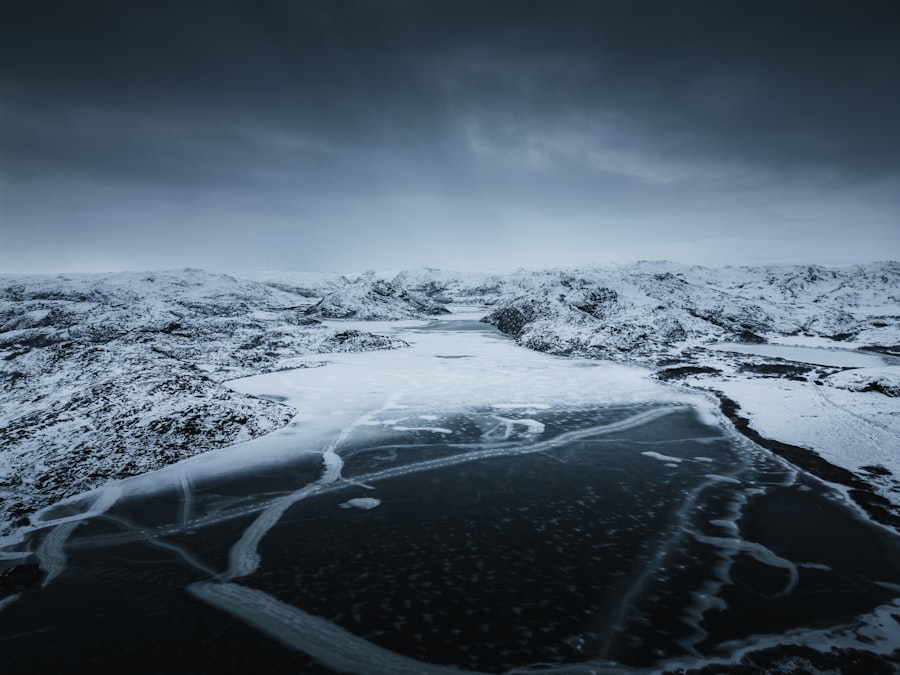
The Arctic’s vast untapped resource potential is a primary driver of the growing tension. This competition for oil, gas, and minerals is a silent but potent accelerant to the unfolding Arctic War.
Oil and Gas Exploration: The Lure of Hydrocarbons
The Arctic region is estimated to hold a significant portion of the world’s remaining undiscovered hydrocarbon reserves. The melting ice has made these previously inaccessible reserves more viable for exploration and potential extraction. Countries with Arctic coastlines are actively investing in exploration technologies and infrastructure, envisioning a future where Arctic resources contribute significantly to their energy security and economic growth. This pursuit, however, is fraught with environmental risks, adding a layer of controversy to the resource race.
Rare Earth Minerals and Strategic Metals: The Foundation of Modern Technology
Beyond hydrocarbons, the Arctic is believed to contain significant deposits of rare earth minerals and other strategic metals. These materials are critical components in a wide range of modern technologies, from smartphones and electric vehicles to advanced defense systems. The global demand for these resources is steadily increasing, and nations are keen to secure their own supply chains, making the Arctic a potential new frontier for mining and extraction.
The Role of Technology: Enabling Extraction and Raising Stakes
The challenging Arctic environment necessitates the development of cutting-edge technology for resource exploration and extraction. Specialized ice-resistant platforms, advanced drilling techniques, and sophisticated logistics networks are essential. This technological race not only enables access to these resources but also raises the stakes in the competition for them. Nations that can develop and deploy these technologies more effectively gain a significant advantage in securing their claims and exploiting the Arctic’s wealth.
Trans-Arctic Shipping Routes: The Silk Roads of the North
The opening of Arctic shipping routes, particularly the Northern Sea Route and the Northwest Passage, presents a paradigm shift in global trade and logistics. These routes offer significant time and cost savings compared to traditional routes, making them highly attractive for international commerce and creating new strategic considerations.
The Northern Sea Route: Russia’s Economic Lifeline
The Northern Sea Route, running along Russia’s Arctic coast, is becoming increasingly viable for year-round navigation due to shrinking ice cover. Russia views this route as a crucial economic lifeline, aiming to develop it into a major global shipping artery. This involves significant investment in icebreaker fleets, port infrastructure, and navigation support systems. The control and regulation of this route are of paramount importance to Russia, as it directly impacts its economic and geopolitical standing.
The Northwest Passage: A Contested Waterway
The Northwest Passage, a series of waterways through the Canadian Arctic Archipelago, offers a potential shorter route between the Atlantic and Pacific oceans. However, its status as an international strait or internal Canadian waters remains a point of contention, with different nations holding differing legal interpretations. This legal ambiguity adds another layer of complexity to its potential use and the geopolitical considerations surrounding it.
Environmental Implications: A Double-Edged Sword
The increased activity in the Arctic brings with it significant environmental consequences, creating a complex interplay between resource exploitation and planetary health.
Increased Shipping and Shipping Accidents: A Growing Risk
The burgeoning Arctic shipping traffic elevates the risk of accidents, including oil spills and the release of other pollutants. The harsh conditions and remoteness of the region make emergency response significantly more challenging, increasing the potential for long-lasting environmental damage. The introduction of ballast water from foreign ships also poses a threat of invasive species to unique Arctic ecosystems.
Climate Change Impacts on Indigenous Communities: Disrupting Lifestyles
The accelerated pace of climate change in the Arctic is profoundly impacting the traditional lifestyles of Indigenous communities. Melting permafrost, changing wildlife migration patterns, and coastal erosion threaten their food security, cultural practices, and very way of life. The decisions made by external powers regarding resource exploitation and military presence often do not adequately consider the deep connection these communities have with their environment.
The Legal and Diplomatic Chessboard: Navigating the Grey Zones
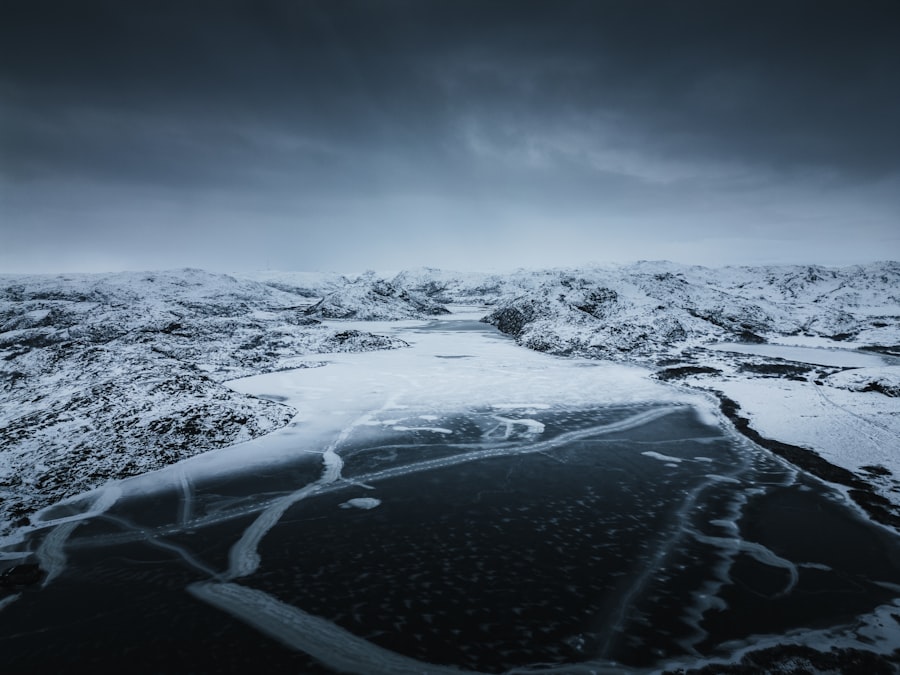
Beyond the physical manifestations of conflict, a parallel battle is being waged on the legal and diplomatic fronts, a complex game of chess played in the grey zones of international law.
The United Nations Convention on the Law of the Sea (UNCLOS): A Foundation Under Pressure
The United Nations Convention on the Law of the Sea (UNCLOS) provides the primary legal framework for governing maritime activities and territorial claims in the Arctic. Nations are submitting claims to the Extended Continental Shelf (ECS) under UNCLOS, seeking to expand their sovereign rights over resource-rich seabed areas. However, the interpretation and application of UNCLOS in the unique Arctic context, particularly with regard to the definition of continental shelf and transit rights through newly accessible waterways, are subjects of ongoing debate and potential dispute.
The Arctic Council: A Forum for Cooperation or Contention?
The Arctic Council, an intergovernmental forum comprising the eight Arctic states and permanent participants representing Indigenous peoples, has historically served as a platform for cooperation on environmental protection and sustainable development. However, the increasing militarization and resource competition in the region have put strain on its ability to foster consensus. While still a vital forum for dialogue, its effectiveness in resolving fundamental geopolitical disagreements is being tested. The current geopolitical climate has seen some member states suspend engagement with Russia within the Council, leaving its future trajectory uncertain.
Territorial Disputes and Exclusive Economic Zones (EEZs): Points of Friction
While the Arctic states have largely established their Exclusive Economic Zones (EEZs), the precise delimitation of overlapping claims, particularly in the resource-rich seabed, remains a potential source of friction. The recognition of these claims and the establishment of clear maritime boundaries are crucial for preventing disputes and ensuring orderly resource management. The ongoing scientific data gathering and legal submissions under UNCLOS highlight the intricate process of asserting and defending these maritime territories.
The Scramble for Data: Intelligence and Foresight
The Arctic is a vast and challenging environment, making intelligence gathering and accurate data analysis paramount for both strategic planning and resource exploration.
Satellite Surveillance and Remote Sensing: Eyes in the Sky
Advanced satellite technology provides crucial intelligence on ice conditions, shipping movements, military deployments, and environmental changes across the Arctic. Remote sensing capabilities allow for the monitoring of vast territories without the need for extensive on-the-ground operations, providing a vital overview in this remote region.
Oceanographic and Geological Surveys: Unlocking Subsurface Secrets
Understanding the Arctic seabed is critical for both resource extraction and naval operations. Extensive oceanographic and geological surveys are underway to map the seafloor, identify mineral deposits, and understand underwater currents and bathymetry. This data is invaluable for navigation, infrastructure planning, and assessing the potential for hydrocarbon reserves.
The Cyber Battlefield: A New Frontier of Engagement
The increasing reliance on digital systems in the Arctic, from communication networks to resource extraction infrastructure, has opened up a new and largely unseen front of engagement: the cyber battlefield.
Protecting Critical Infrastructure: The Digital Walls
Cybersecurity is becoming increasingly critical for nations operating in the Arctic. Communication networks, navigation systems, energy grids, and research facilities are all potential targets for cyberattacks. Nations are investing in advanced cyber defense systems to protect these vital assets and ensure the continuity of operations in the High North.
Espionage and Sabotage: The Invisible Threat
The potential for cyber espionage and sabotage looms large. Malicious actors could attempt to gain access to sensitive information regarding resource reserves, military plans, or technological advancements. Sabotage operations could cripple critical infrastructure, disrupting supply chains or even posing environmental risks through the manipulation of extraction or safety systems.
The Role of Public Opinion and Media: Shaping Perceptions
While the Arctic War may be a hidden conflict, the narrative surrounding it is shaped by public opinion and media coverage, influencing policy decisions and international perceptions.
Media Coverage and Awareness: Bringing the Arctic into Focus
While often overshadowed by more immediate global crises, media coverage of Arctic developments plays a crucial role in raising public awareness about the region’s strategic importance and the unfolding challenges. Documentaries, news reports, and investigative journalism can shed light on the complex issues at play, from environmental degradation to military buildup.
Advocacy and Environmentalism: Voices for the Arctic’s Future
Environmental organizations and advocacy groups are playing an increasingly important role in highlighting the potential ecological consequences of increased Arctic activity. Their efforts to raise public awareness and lobby policymakers for greater environmental protections are crucial in balancing economic and strategic interests with the need for conservation. These groups provide a critical voice for the fragile Arctic ecosystem and its inhabitants.
The escalating tensions in the Arctic region have sparked discussions about the potential for conflict, often referred to as the “Arctic war hidden start.” This topic is explored in depth in a related article that examines the geopolitical dynamics at play and the implications for global security. For more insights, you can read the full article here. Understanding these developments is crucial as nations vie for control over valuable resources and strategic routes in this rapidly changing environment.
The Future Imperfect: An Uncertain Horizon
| Metric | Details |
|---|---|
| Event Name | Arctic War Hidden Start |
| Region | Arctic Circle |
| Start Date | Undisclosed / Classified |
| Involved Parties | Multiple Arctic Nations (Undisclosed) |
| Primary Cause | Resource Control and Strategic Dominance |
| Military Assets Deployed | Submarines, Icebreakers, Surveillance Drones |
| Estimated Troop Strength | Classified |
| Key Strategic Locations | North Pole, Greenland, Northern Russia |
| Environmental Impact | Potential disruption to Arctic ecosystem |
| Current Status | Ongoing / Covert Operations |
The Arctic War, though its origins are hidden, casts a long shadow over the future. The path forward is fraught with uncertainty, demanding careful navigation and a commitment to dialogue.
The Escalation Ladder: A Dangerous Ascent
The risk of escalation, though currently low, is ever-present. Miscalculations, accidents, or deliberate provocations could quickly transform the current state of measured competition into a more overt and dangerous confrontation. The increased military presence and the proximity of competing forces create a volatile environment where a minor incident could have significant repercussions.
The Importance of Diplomacy and De-escalation: Finding Common Ground
In the face of growing tensions, the importance of diplomacy and de-escalation cannot be overstated. Maintaining open channels of communication, fostering dialogue, and seeking common ground on issues of mutual concern, such as environmental protection and search and rescue capabilities, are vital for preventing a descent into open conflict. The Arctic Council, despite its current challenges, remains a crucial platform for such dialogue.
The Arctic as a Symbol: A Test for Global Cooperation
The Arctic has become a potent symbol of the complex challenges facing the international community in the 21st century. Its fate will be a litmus test for humanity’s ability to cooperate in the face of competing national interests, environmental crises, and the potential for conflict. The choices made today in this remote and fragile region will have far-reaching consequences for the planet and its inhabitants. The hidden start of the Arctic War is a stark reminder that the seeds of conflict can be sown in the quietest of places, demanding vigilance and a commitment to peace.
FAQs
What is meant by the “Arctic war hidden start”?
The term “Arctic war hidden start” refers to the early, often unreported or less visible military activities and strategic maneuvers by countries in the Arctic region, which signal the beginning of increased geopolitical tensions and competition over Arctic resources and territory.
Which countries are primarily involved in the Arctic conflict?
The main countries involved in Arctic geopolitical tensions include Russia, the United States, Canada, Norway, and Denmark (via Greenland). These nations have strategic interests in the region’s natural resources, shipping routes, and military positioning.
Why is the Arctic region strategically important?
The Arctic is strategically important due to its vast untapped natural resources, including oil and gas reserves, its emerging shipping routes made accessible by melting ice, and its potential military advantages for surveillance and defense.
What types of military activities have been observed in the Arctic?
Military activities in the Arctic include increased naval patrols, deployment of advanced weaponry, construction of military bases, joint exercises, and surveillance operations aimed at asserting territorial claims and enhancing defense capabilities.
How does climate change impact the geopolitical situation in the Arctic?
Climate change is causing Arctic ice to melt, opening new sea routes and access to resources, which intensifies competition among nations. This environmental shift accelerates strategic military and economic activities, contributing to the region’s geopolitical complexity.