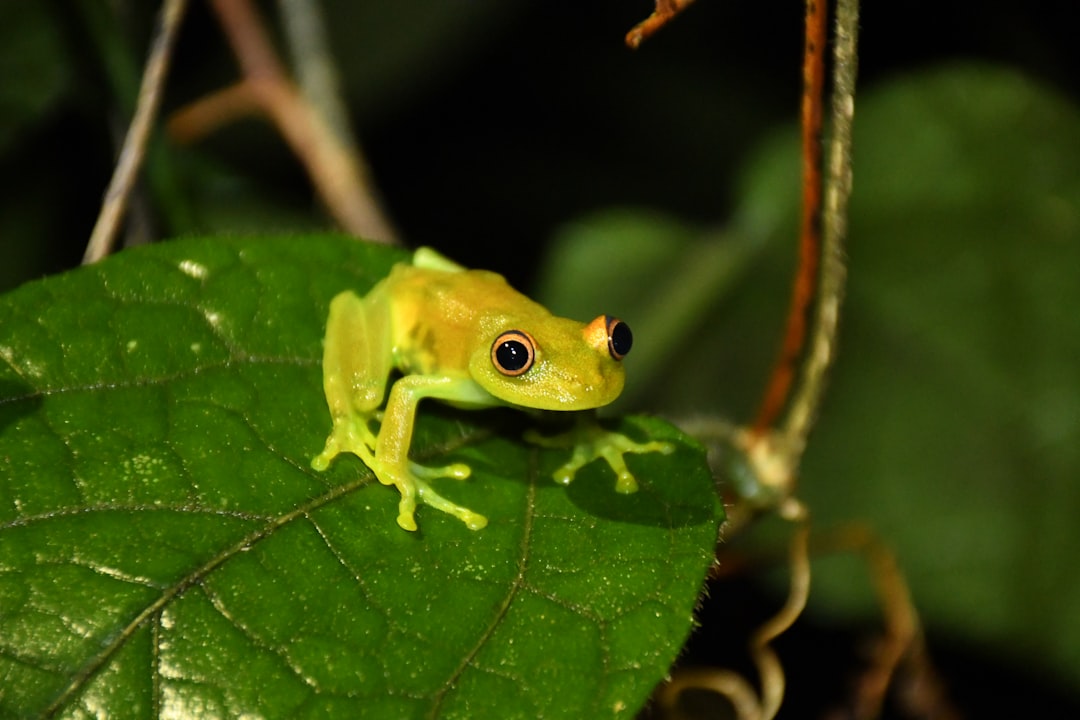
The Amazon Rainforest, a vast hydrological and ecological engine, represents an unparalleled biological reservoir on Earth. Its canopy, a labyrinthine layer of interlinked foliage, hides a degree of biodiversity and intricate ecological processes that are only beginning to be fully understood by scientific inquiry. This article aims to explore the multifaceted wonders of this arboreal realm, from its structured botanical communities to its critical role in global climate regulation, offering a factual overview of current scientific understanding.
The Amazonian rainforest canopy is not a monolithic entity but rather a complex, multi-layered vertical ecosystem. This stratification is a direct consequence of competition for sunlight, a fundamental resource in tropical environments. Understanding these layers is crucial for appreciating the diversity of life they support.
Emergent Layer: Reaching for the Sky
At the apex of the canopy, towering individuals known as emergent trees pierce through the main canopy layer, often reaching heights of 50 to 60 meters, and occasionally exceeding 70 meters. Species such as the Brazil nut tree (Bertholletia excelsa) and kapok tree (Ceiba pentandra) are characteristic of this layer. These giants are exposed to extreme environmental conditions, including intense solar radiation, strong winds, and significant temperature fluctuations. Their sturdy trunks and deep root systems are adaptations to these harsh realities. The emergent layer serves as a crucial navigational landmark for migratory birds and provides a unique habitat for specialized avian raptor species.
Main Canopy Layer: The Green Ceiling
Below the emergent layer lies the continuous, densely interwoven main canopy, typically extending from 30 to 45 meters above the forest floor. This layer, often described as the “green ceiling,” intercepts the majority of incoming solar radiation, creating a profoundly different microclimate beneath it. The vast surface area of leaves in this layer is a primary driver of the rainforest’s renowned high rates of photosynthesis and evapotranspiration. This layer is characterized by an immense diversity of woody plants, including numerous species of angiosperms and gymnosperms, each occupying a specific niche. The intertwining branches and lianas form a scaffold for a rich community of arboreal invertebrates, amphibians, reptiles, and mammals, including various primate species and sloths.
Understory Layer: The Shaded Realm
Beneath the main canopy, the understory layer, ranging from 5 to 20 meters, experiences significantly reduced light penetration. Plant life here is adapted to shade-tolerant conditions, comprising smaller trees, saplings, shrubs, and large-leafed herbs. The reduced luminosity drives adaptations such as larger leaf surfaces to maximize light capture and epiphyllous organisms (lichens, mosses, and liverworts growing on leaves) which thrive in the perpetually humid and shaded environment. This layer provides crucial shelter and foraging grounds for ground-dwelling animals and serves as a transition zone for species that move between the forest floor and the upper canopy.
Forest Floor: The Decomposer’s Domain
While not strictly part of the canopy, the forest floor is intimately linked to canopy processes. It is a realm of decomposition, where fallen leaves, branches, and organic matter are rapidly broken down by a diverse community of fungi, bacteria, and detritivores. This rapid decomposition cycle returns essential nutrients to the soil, which are then absorbed by the extensive root systems of canopy trees, completing the nutrient cycle. The limited light reaching the forest floor restricts plant growth, resulting in a relatively open underbrush in undisturbed areas compared to temperate forests.
Recent discoveries in the hidden canopy of the Amazon rainforest have unveiled a wealth of biodiversity that was previously unknown to scientists. These findings highlight the importance of preserving this vital ecosystem, as it harbors countless species that play crucial roles in our planet’s health. For more insights into the significance of these discoveries and their implications for conservation efforts, you can read a related article on the topic at Real Lore and Order.
Biodiversity Hotspots in the Arboreal Realm
The Amazonian canopy is a quintessential biodiversity hotspot, where evolutionary forces have sculpted an astounding array of life forms. The spatial complexity and environmental heterogeneity within the canopy have facilitated niche partitioning and the evolution of specialized adaptations.
Epiphytes and Hemiepiphytes: Life Upon Life
One of the most characteristic features of the Amazonian canopy is the abundance of epiphytes – plants that grow on other plants, primarily trees, without being parasitic. Bromeliads, orchids, ferns, and mosses are prominent examples. These plants access sunlight high in the canopy, circumventing the competitive pressures of the forest floor, and absorb moisture and nutrients directly from the air and accumulating debris. Hemiepiphytes, such as many fig species (Ficus), begin life as epiphytes, later sending roots down to the ground, eventually strangling their host tree in some cases. These arboreal gardens create microhabitats, collecting water in their rosettes, forming miniature aquatic ecosystems that support a diverse array of invertebrates and even amphibians.
Arboreal Mammals: Masters of the Upper World
The Amazonian canopy is home to a staggering diversity of arboreal mammals, each with unique adaptations for life above ground. Primates, including various species of monkeys such as howler monkeys, spider monkeys, and capuchin monkeys, are iconic canopy inhabitants, demonstrating remarkable agility and specialized diets. Sloths, notorious for their slow locomotion, are master camouflagers, perfectly adapted to their low-energy lifestyle in the canopy, feeding on leaves and using their fur as a microhabitat for algae and insects. Other notable arboreal mammals include various squirrel species, kinkajous, and prehensile-tailed porcupines. Their unique morphological features, such as prehensile tails, strong gripping limbs, and acute senses, are testament to millions of years of canopy evolution.
Avian Diversity: Kaleidoscope of Feathers
The Amazonian canopy is a global epicenter for avian diversity, housing an unparalleled number of bird species. Toucans, macaws, parrots, hummingbirds, and various raptors are just a few examples. Many bird species exhibit specialized foraging behaviors, feeding on fruits, nectar, insects, or even small vertebrates found within specific canopy layers. The vibrant plumage of many Amazonian birds serves as a form of communication and camouflage amidst the dense foliage. Their calls and songs form an intricate acoustic tapestry, a constant symphony of life echoing through the arboreal architecture.
Invertebrate Dominance: The Unseen Majority
While often overlooked, invertebrates constitute the vast majority of biomass and species diversity in the Amazonian canopy. Arthropods, including insects, arachnids, and myriapods, form the bedrock of the canopy’s food webs. Ants, beetles, butterflies, moths, and spiders are present in unimaginable numbers, performing crucial ecological roles such as pollination, herbivory, predation, and decomposition. Many species exhibit highly specialized relationships with particular plant species, demonstrating co-evolutionary patterns that have shaped both their biology and the structure of the canopy itself. The sheer volume and diversity of canopy invertebrates continue to challenge scientific efforts at comprehensive cataloging.
Ecological Interdependencies and Fragile Balances
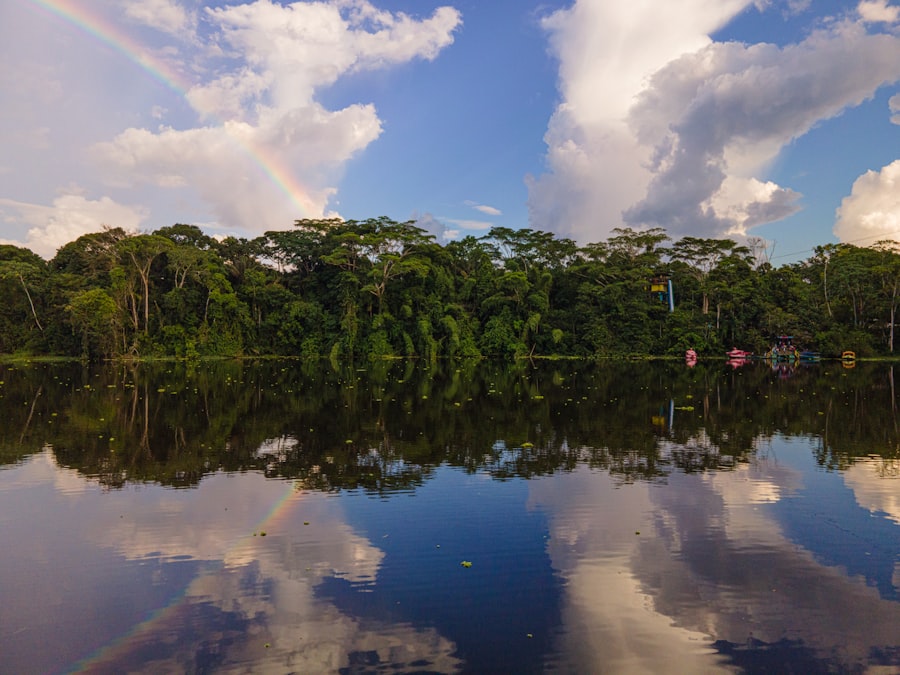
The Amazonian canopy is a paradigm of ecological interdependence, where intricate relationships between species form a complex web of life. Removing a single strand can have cascading effects throughout the entire ecosystem.
Pollination and Seed Dispersal: The Forest’s Reproduction
The reproductive success of many canopy plants relies heavily on animals for pollination and seed dispersal. Bees, butterflies, moths, bats, and various bird species act as vital pollinators, transferring pollen between flowers. Similarly, fruit-eating animals, such as monkeys, toucans, and bats, consume fruits and disperse seeds over wide areas, often through their droppings. This mutualistic relationship is fundamental to the regeneration and genetic diversity of the rainforest. The loss of a single keystone pollinator or disperser can have profound and lasting impacts on plant populations.
Predator-Prey Dynamics: Maintaining Equilibrium
Predator-prey relationships are a constant force shaping the evolutionary trajectory and population dynamics within the canopy. From arboreal snakes preying on birds’ eggs to jaguars occasionally scaling trees to hunt monkeys, the canopy is a arena of life and death. The intricate web of these interactions helps to regulate populations, preventing any single species from dominating and maintaining a delicate ecological balance. Mimicry, camouflage, and defensive behaviors are widespread evolutionary adaptations observed in both predators and prey.
Mycorrhizal Networks: The Subterranean Connection
Beneath the canopy, extensive mycorrhizal fungal networks connect the root systems of numerous trees. These symbiotic relationships are crucial for nutrient cycling in the nutrient-poor soils of the Amazon. Fungi extend their hyphae far beyond the reach of tree roots, absorbing water and essential nutrients (particularly phosphorus and nitrogen) from the soil and transferring them to their host trees in exchange for carbohydrates produced through photosynthesis. These underground networks function as a vast communication and resource-sharing system, demonstrating the interconnectedness of what appears to be distinct life forms.
The Amazonian Canopy’s Role in Global Climate

Beyond its biological richness, the Amazonian canopy plays a critical and often understated role in regulating global climate patterns, influencing rainfall, temperature, and atmospheric composition far beyond its geographical boundaries.
Carbon Sequestration: The Global Lung
The immense biomass of the Amazonian canopy represents a significant global carbon sink. Through photosynthesis, trees absorb vast quantities of atmospheric carbon dioxide, converting it into organic compounds and storing it in their wood, leaves, and roots. This process mitigates the buildup of greenhouse gases in the atmosphere, directly influencing global warming trends. The destruction of the Amazon rainforest, therefore, not only results in a loss of biodiversity but also releases stored carbon back into the atmosphere, exacerbating climate change. The cumulative effect of billions of leaves performing photosynthesis daily creates a planetary-scale carbon capture mechanism.
Evapotranspiration and the Atmospheric Rivers
The Amazonian canopy is a colossal pump, continuously recycling vast amounts of water back into the atmosphere through evapotranspiration. This process, a combination of evaporation from surfaces and transpiration from plant leaves, releases billions of tons of water vapor daily. This moisture fuels the formation of “atmospheric rivers,” significant air currents that carry water vapor across continents, influencing rainfall patterns in distant regions, including parts of South America and even beyond. The integrity of the Amazonian canopy is therefore intrinsically linked to global hydrological cycles.
Temperature Regulation: The Forest’s Cooling Effect
The dense canopy cover significantly impacts local and regional temperatures. By intercepting solar radiation, the canopy reduces the amount of sunlight reaching the forest floor, creating a cooler and more humid microclimate. The process of evapotranspiration also has a cooling effect, as phase changes (liquid to gas) absorb latent heat. This localized cooling effect contributes to regional climate stability and moderates temperature extremes, playing a role in maintaining the conditions suitable for its own biodiversity.
Recent discoveries in the hidden canopy of the Amazon rainforest have unveiled a wealth of biodiversity that was previously unknown to scientists. These findings shed light on the intricate ecosystems thriving high above the forest floor, revealing new species and complex interactions among flora and fauna. For more insights into this fascinating topic, you can read a related article that explores the implications of these discoveries on our understanding of rainforest conservation and biodiversity. To learn more, visit this article.
Threats and Conservation Imperatives
| Discovery | Description | Location | Date Discovered | Significance |
|---|---|---|---|---|
| New Frog Species | A brightly colored tree frog previously unknown to science | Central Amazon Basin | 2022 | Highlights biodiversity in the canopy layer |
| Hidden Canopy Orchids | Several new orchid species found growing exclusively in the upper canopy | Western Amazon | 2021 | Expands understanding of plant diversity and adaptation |
| Canopy Ant Colonies | Discovery of complex ant colonies with unique social structures | Eastern Amazon | 2023 | Provides insight into insect ecology and forest health |
| Rare Bird Nesting Sites | Identification of previously unknown nesting sites of endangered bird species | Southern Amazon | 2020 | Important for conservation efforts and habitat protection |
| Canopy Microclimate Data | New measurements of temperature and humidity variations in the canopy | Multiple Amazon locations | 2019-2023 | Improves climate models and understanding of rainforest dynamics |
Despite its ecological grandeur and global significance, the Amazonian canopy faces unprecedented threats, primarily driven by anthropogenic activities. Understanding these challenges is the first step towards formulating effective conservation strategies.
Deforestation and Habitat Fragmentation: The Unraveling Fabric
The most immediate and pervasive threat to the Amazonian canopy is deforestation. Driven by agricultural expansion (cattle ranching and soy cultivation), illegal logging, mining, and infrastructure development, vast tracts of forest are being cleared annually. This not only destroys existing canopy structures but also fragments remaining habitats, isolating populations and reducing genetic flow. Fragmentation increases edge effects, exposing interior forest to drier conditions, increased wind, and greater risk of fire. The unraveling of this intricate fabric of life has irreversible consequences for countless species.
Climate Change: A Looming Transformation
Beyond direct deforestation, climate change itself poses a significant long-term threat to the Amazonian canopy. Rising temperatures, altered rainfall patterns, and an increased frequency and intensity of droughts are pushing the ecosystem towards a tipping point. These changes can lead to increased tree mortality, shifts in species distribution, and greater susceptibility to wildfires, potentially transforming large areas of rainforest into savanna-like environments. The symbiotic relationships that underpin the canopy’s stability are particularly vulnerable to such environmental shifts.
Sustainable Conservation Strategies: Protecting the Green Heart
Protecting the Amazonian canopy requires a multi-faceted approach involving international cooperation, governmental policies, and community engagement. Establishing and enforcing protected areas, combating illegal deforestation, promoting sustainable land-use practices, and supporting indigenous communities (who are often the most effective forest guardians) are crucial. Investing in scientific research to better understand canopy ecosystems and their resilience is also vital for informed conservation decisions. The Amazon basin, and its wondrous canopy, represents not just a natural treasure but a global common good, necessitating concerted efforts for its preservation.
The Amazonian canopy, an elevated universe teeming with life, continues to unfold its secrets to scientific exploration. Its intricate architecture, unparalleled biodiversity, and pivotal role in global ecological processes render it one of Earth’s most precious and vulnerable ecosystems. As we continue to uncover its hidden wonders, the imperative to protect this vibrant arboreal realm becomes increasingly clear, not only for the myriad species it harbors but for the well-being of the entire planet.
FAQs
What is the hidden canopy in the Amazon rainforest?
The hidden canopy refers to the upper layers of the Amazon rainforest that are less accessible and less studied compared to the forest floor. It includes the tops of tall trees and the complex network of branches and leaves where many unique species live.
Why are discoveries in the hidden canopy important?
Discoveries in the hidden canopy are important because they reveal new species, ecological interactions, and biodiversity that were previously unknown. This helps scientists better understand the rainforest ecosystem and its role in global environmental health.
How do researchers explore the hidden canopy?
Researchers use specialized equipment such as canopy towers, rope climbing techniques, drones, and remote sensing technology to access and study the hidden canopy safely and effectively.
What types of new species have been found in the Amazon hidden canopy?
Scientists have discovered new species of insects, birds, amphibians, plants, and fungi in the hidden canopy. Many of these species are adapted to the unique conditions of the upper forest layers.
How do hidden canopy discoveries impact conservation efforts?
Discoveries in the hidden canopy highlight the rich biodiversity and ecological complexity of the Amazon rainforest, emphasizing the need to protect these habitats. This information supports conservation policies and helps prioritize areas for preservation.