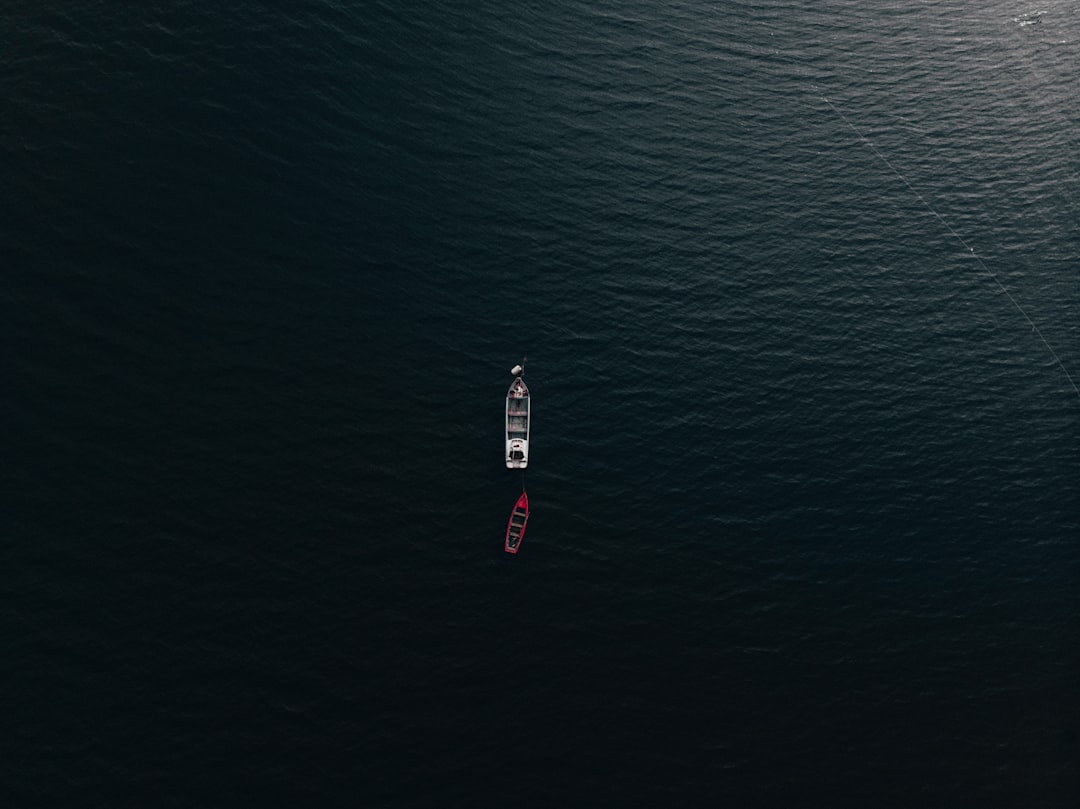
The vast expanse of the ocean is a realm of both breathtaking beauty and profound danger. For most, it is a source of livelihood, recreation, or a pathway to distant shores. For Salvador Alvarenga and Ezequiel Córdoba, it became a prison, a crucible from which only one would emerge, forever marked by an ordeal of unimaginable hardship. Their story, that of 438 days adrift at sea, is a stark testament to the unyielding power of nature and the indomitable spirit of human survival.
The ill-fated journey began in November 2012, with Alvarenga, a Salvadoran fisherman with decades of experience, and Córdoba, a younger companion, embarking on what was intended to be a routine fishing trip off the coast of Mexico. Their vessel, a modest 25-foot fiberglass boat named the “Sea Lady,” was their world, their tool, and their potential tomb. The Pacific Ocean, a capricious entity, held their fate in its unforgiving hands.
Setting Sail: A Routine Commencement
Alvarenga, a seasoned mariner, was familiar with the waters and the rhythms of the sea. He had undertaken similar expeditions numerous times, relying on his knowledge of currents, weather patterns, and the habits of fish. Córdoba, less experienced but eager, was looking to learn and contribute, perhaps envisioning a future on the water himself. The departure from the coastal village of Costa Azul, Chiapas, was marked by the usual farewells and the promise of a bountiful catch. Little did they know, this would be their last glimpse of shore for an agonizingly long period.
The Storm’s Fury: A Sudden and Violent Turn
The Pacific, however, has a way of humbling even the most experienced sailors. Within days of their departure, Alvarenga and Córdoba encountered a ferocious storm. This was not a gentle squall, but a tempest that raged with an elemental fury, churning the sea into a monstrous leviathan and lashing the small boat with relentless waves. The storm acted like a cosmic broom, sweeping aside their navigational tools and overwhelming their meager defenses. The “Sea Lady,” once a symbol of their ambition, became a toy in the grip of a colossal and indifferent force.
The incredible story of survival in “438 Days Lost at Sea” resonates with many tales of endurance against the odds. For those interested in exploring similar themes of resilience and the human spirit, a related article can be found at this link: Survival Stories That Inspire. This article delves into various accounts of individuals who have faced life-threatening situations and emerged with remarkable tales of courage and hope.
Adrift: The Dawn of Despair
When the storm subsided, the reality of their situation began to dawn. They were lost. The familiar coastline had vanished, replaced by an endless panorama of water and sky. The initial shock gave way to a gnawing anxiety, which slowly, inexorably, blossomed into the bleak certainty of their dire predicament. The sea, once a source of sustenance, now represented an insurmountable barrier.
The Loss of Navigation and Communication
The storm had exacted a brutal toll on their equipment. The GPS, their digital compass, was gone. Radio communication, their lifeline to the outside world, was either destroyed or rendered useless. They were cast adrift, cut off from all contact, two specks tossed upon the vast immensity of the Pacific. Imagine a single thread in an infinite tapestry, suddenly severed from its moorings, left to drift without pattern or purpose. This was their reality.
The Grim Realization: Lost and Alone
The days that followed blurred into a disorienting cycle of hope and despair. They scanned the horizon for any sign of land, any passing vessel, but found only the ceaseless, monotonous rhythm of the waves. The initial camaraderie, sharpened by shared danger, began to fray under the relentless pressure of isolation and hunger. The vastness of the ocean, which had once held promise, now felt like an oppressive emptiness, a silent witness to their slow descent into the abyss.
The Sustenance of Survival: A Testament to Ingenuity and Will
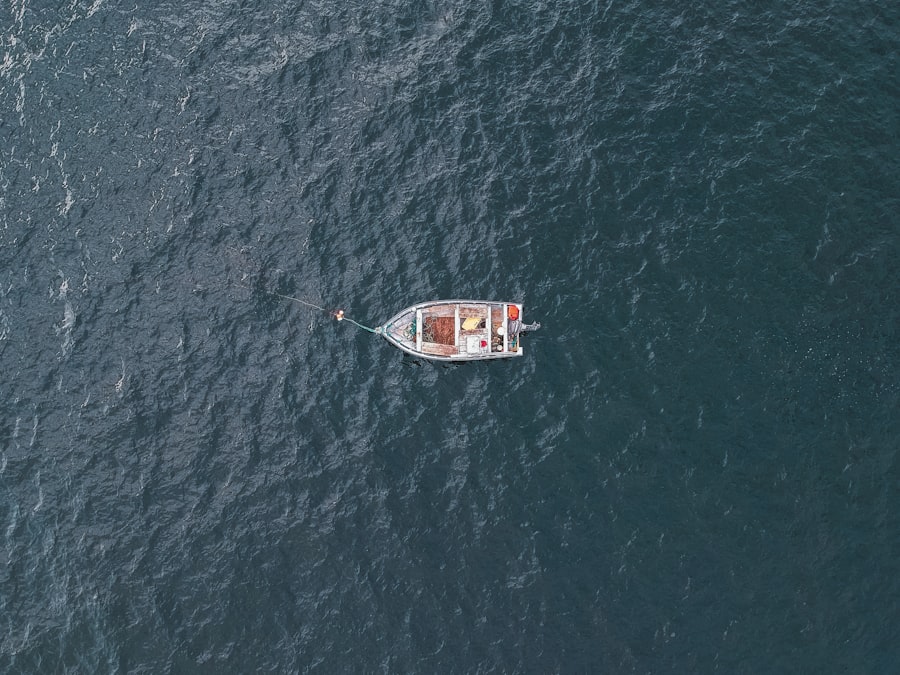
As days turned into weeks, and weeks into months, the fundamental challenge of survival became paramount. Thirst and hunger became constant companions, gnawing at their bodies and their minds. Their ingenuity, honed by desperation, became their only weapon against the encroaching shadows of starvation and dehydration.
Hunting and Fishing: The Ocean’s Reluctant Bounty
Alvarenga, drawing upon his lifetime of experience, and to a lesser extent Córdoba, began to adapt. The sea, though their captor, also held the keys to their sustenance. They fashioned makeshift fishing hooks from wires and scavenged materials, patiently waiting for their next meal. The occasional fish, a small tuna or dorado, became a feast, providing precious protein and fluids. However, these catches were infrequent and unpredictable, a tantalizing glimpse of salvation that was often snatched away by the unforgiving ocean.
Water: The Most Precious Commodity
Fresh water was a far greater challenge. They collected rainwater whenever the heavens allowed, a blessing that was never taken for granted. When rain was scarce, they resorted to more desperate measures, including drinking their own urine and consuming the blood of their kills. These acts, born of sheer necessity, represent the agonizing compromises that survival demands, stripping away dignity in the pursuit of life itself. The human body, a marvel of adaptation, pushed to its absolute limits.
The Psychological Toll: A Battle Within
Beyond the physical deprivations, the psychological toll of being adrift for so long was immense. The isolation, the constant fear, the dwindling hope – these were adversaries as formidable as any storm. The mind, without its usual anchors of social interaction and purpose, began to wander, to grapple with existential questions, and to flirt with the edges of sanity.
Solitude and Companionship: A Double-Edged Sword
The unique relationship between Alvarenga and Córdoba became both a source of support and a flashpoint of tension. They were each other’s sole human connection, a vital antidote to the crushing solitude. Yet, the confined space, the constant stress, and the differing coping mechanisms inevitably led to friction. Córdoba, still young and perhaps less resilient to the psychological onslaught, struggled to maintain his will. Alvarenga, by necessity, shouldered a heavier burden, his own inner reserves tested daily.
The Erosion of Hope: The Siren Song of Despair
As the months dragged on, the specter of despair loomed larger. The once burning hope of rescue began to flicker, dimmed by the relentless monotony of their existence and the overwhelming odds against them. The vastness of the ocean, with its endless horizon, became a symbol of their isolation, a constant reminder of their insignificance in the grand scheme of things. The mind, in its desperation, can conjure visions both wondrous and terrifying, and for Alvarenga and Córdoba, the visions were often of oblivion.
The incredible story of survival in “438 Days Lost at Sea” highlights the resilience of the human spirit in the face of overwhelming odds. For those interested in exploring similar tales of endurance and survival, a related article can be found at Real Lore and Order, which delves into various extraordinary survival stories that captivate and inspire. These narratives not only showcase the challenges faced by individuals in dire situations but also emphasize the strength and determination required to overcome them.
The Miracle of Rescue and the Long Road to Recovery
| Metric | Value | Details |
|---|---|---|
| Duration Lost at Sea | 438 days | Time spent adrift without rescue |
| Survivor | Steven Callahan | American sailor and author |
| Vessel Type | 14-foot sloop | Small sailing boat |
| Survival Equipment | Life raft, fishing gear, water desalination device | Essential tools used for survival |
| Food Sources | Fish, sea birds, rainwater | Natural resources utilized for sustenance |
| Location | Atlantic Ocean | Area where the incident occurred |
| Rescue Date | After 438 days | When the survivor was finally rescued |
| Health Impact | Severe weight loss, dehydration, sunburn | Physical effects endured during survival |
| Psychological Impact | Isolation, hope, resilience | Mental challenges and coping mechanisms |
After 438 days, a duration that defies comprehension, a miracle occurred. A fishing vessel, the “Hermanos Valdez,” spotted a distant boat, barely visible on the horizon. As they drew closer, they saw a emaciated figure waving weakly, a vision that defied belief. It was the moment of salvation, the end of an ordeal that had tested the very limits of human endurance.
The Sight of Land: A Vision of Unbelievable Relief
For Alvarenga, the sight of the “Hermanos Valdez” was akin to seeing a mirage materialize into solid form. Every fiber of his being, every suppressed hope, surged forward. The arduous journey, the gnawing hunger, the crushing despair – all coalesced into an overwhelming wave of relief. Imagine a prisoner finally hearing the clanking of keys, the sound that signifies freedom after an eternity of confinement.
The Challenges of Readaptation: A New Wilderness
Emerging from the confines of their ordeal was not the end of their struggle, but the beginning of a new one. Both Alvarenga and Córdoba faced immense physical and psychological challenges in readapting to life on land. Their bodies were ravaged by malnutrition, their minds scarred by trauma. The world, once familiar, now seemed alien and overwhelming. The simple act of walking, of eating a full meal, of engaging in conversation – all these required a conscious effort, a re-learning of life’s basic functions. The lingering effects of their ordeal would continue to shape their lives for years to come. The scars, though invisible, ran deep.
The story of Salvador Alvarenga and Ezequiel Córdoba is a powerful and humbling narrative. It reminds us of the sheer resilience of the human spirit, its capacity to endure unimaginable suffering and to find hope in the darkest of circumstances. It also serves as a stark reminder of the raw power of nature and the fragility of human life when pitted against its relentless forces. Their 438 days lost at sea, a period that shattered their lives, ultimately became a testament to the indomitable will to survive.
FAQs
How did the person survive 438 days lost at sea?
The individual survived by rationing limited food supplies, collecting rainwater for hydration, fishing, and using survival skills to endure harsh conditions. Mental resilience and resourcefulness were also crucial factors.
What kind of vessel was used during the 438 days lost at sea?
Typically, such long survival stories involve small boats or yachts that are equipped for ocean travel but may lack extensive supplies. The exact type of vessel can vary depending on the specific case.
What were the main challenges faced during the 438 days lost at sea?
Challenges included exposure to extreme weather, scarcity of food and fresh water, isolation, risk of injury or illness, and maintaining hope and mental health over an extended period.
How was the person eventually rescued after 438 days at sea?
Rescue often occurs when the survivor is spotted by passing ships, aircraft, or reaches a shipping lane or land. In some cases, survivors are found by chance or after sending distress signals.
What lessons can be learned from surviving 438 days lost at sea?
Key lessons include the importance of preparation, survival skills, mental toughness, resourcefulness, and the ability to adapt to changing conditions. It also highlights the critical role of hope and determination in survival situations.