The story of human civilization is deeply intertwined with the mastery of materials. Among the most transformative discoveries was the ability to extract and shape metals, a journey that began millennia ago. The Balkans, a region often seen as a crossroads of cultures and empires, holds a significant place in this narrative. Here, ancient communities were not just passive inheritors of metalworking knowledge; they were pioneers, forging a distinctive legacy in copper metallurgy that laid the groundwork for subsequent ages. To truly understand the dawn of the Bronze Age, one must look to these early Balkan metallurgists, whose innovations cast a long shadow across Europe and beyond.
The story of copper in the Balkans is not one of sudden revelation but a gradual unfolding of ingenuity. Long before the gleaming bronze swords and intricate jewelry of later periods, people in this region began to tap into the earth’s metallic veins. This nascent understanding of how to transform raw ore into a malleable substance was a profound leap, akin to learning to harness fire itself, signifying a new era of human control over the material world.
Locating the Veins: Prospecting in Ancient Landscapes
The initial stages of metallurgy demanded a keen eye for the land. Ancient prospectors, whose methods are now largely reconstructed through archaeological evidence, were likely guided by natural indicators. Anomalous rock formations, unusual soil coloration, and the presence of certain plant species might have hinted at buried mineral deposits. These early explorers were the scouts of the mineral kingdom, patiently searching for the hidden treasures that would fuel their growing technological prowess. Their success was contingent on generations of accumulated, practical knowledge about the local geology, passed down through oral traditions and direct mentorship. The discovery of a viable copper deposit was not merely finding a resource; it was unlocking a potential for profound societal change.
The Alchemical Art: Primitive Smelting Techniques
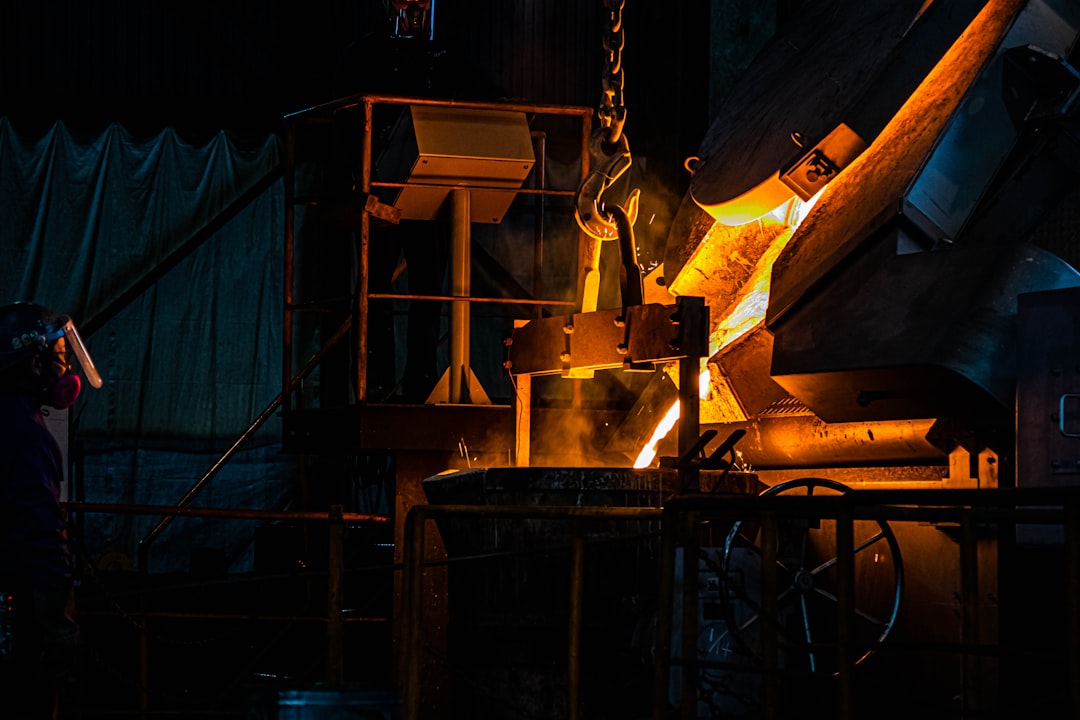
The transformation of copper ore into usable metal was a complex process, requiring a sophisticated understanding of heat and chemistry, albeit without formal scientific frameworks. The earliest smelting involved rudimentary furnaces, often simple pits dug into the ground or built from stones and clay. Fuel, typically wood or charcoal, was piled with the ore, and the intense heat generated would encourage the copper to separate from its stony matrix. This was no easy feat; achieving and maintaining the high temperatures necessary for smelting was a significant challenge, demanding careful management of the fire and airflow. It was an early form of alchemy, where raw earth was coaxed into yielding its metallic soul through the application of fire and will. The resultant metal was often impure, containing slag and other impurities, but it was nonetheless a tangible metal, ready for shaping.
From Ore to Ingot: Early Processing and Transport
Once smelted, the molten copper had to be cooled and then further processed. Early ingots or lumps of copper were often cast from crucibles made of clay. These raw forms were then transported, sometimes over considerable distances, to where they could be further worked. The very act of transporting these heavy materials implies a level of organization and a recognized value attributed to copper. While the exact transportation networks remain a subject of ongoing research, the presence of copper objects in areas far from known ore deposits suggests well-established trade routes, forming the arteries of an early copper economy.
Ancient metallurgy played a crucial role in the development of Balkan copper cultures, marking a significant transition from the Stone Age to the Bronze Age. The innovative techniques used by these early societies not only facilitated the production of tools and weapons but also fostered trade and cultural exchange across the region. For a deeper understanding of the advancements in metallurgy and their impact on ancient civilizations, you can explore this related article: Ancient Metallurgy in the Balkans.
The Dawn of the Chalcolithic: Copper’s First Flowering
The widespread adoption and proliferation of copper tools and ornaments mark the beginning of the Chalcolithic period, also known as the Copper Age, in the Balkans. This era witnessed a dramatic increase in the production and use of copper, signifying a fundamental shift in human capabilities and societal structures. The Balkans, in this period, became a vital crucible for metallurgical innovation, influencing neighboring regions and laying the groundwork for the subsequent Bronze Age.
Crafting the Tools of Progress: Early Copper Artifacts
The earliest copper artifacts were often relatively simple, reflecting the challenges of early production. Adzes, awls, chisels, and axes made of copper began to appear, gradually replacing or supplementing stone tools. These metallic implements offered distinct advantages over their predecessors, being more durable and capable of holding a sharper edge. The transition to copper tools was not uniform, and stone tools continued to be used, but the advantages of copper were undeniable. The manufacture of these tools involved hammering and shaping the metal while it was still hot, a process known as hot forging. This rudimentary skill allowed for the creation of functional objects that could significantly improve efficiency in agriculture, crafting, and construction.
Adornment and Status: Early Copper Jewelry and Ornamentation
Beyond utilitarian purposes, copper also found its way into decorative and symbolic items. Simple copper beads, bracelets, and pendants began to appear, offering early forms of personal adornment. The ability to create visually appealing objects from a naturally occurring substance added another dimension to the significance of copper. These ornaments were not merely aesthetically pleasing; they likely served as indicators of status, wealth, and social standing within their communities. The sheen and perceived rarity of worked copper would have set its owners apart, introducing a visual language of prestige and power.
The Evolving Workshop: Development of Early Metallurgy Centers
As the demand for copper grew, so did the specialization of labor and the development of dedicated workshops. Archaeological evidence points to specific sites where copper was smelted, cast, and forged. These ancient metallurgical centers became hubs of activity, attracting skilled artisans and fostering further innovation. The organization of these workshops, even in their early forms, suggests a burgeoning complexity in societal organization, moving beyond the immediate needs of individual households to coordinated, communal production. These centers were the nascent factories of antiquity, churning out the metal that would reshape the material landscape.
Balkan Innovations in Bronze: Bridging the Ages
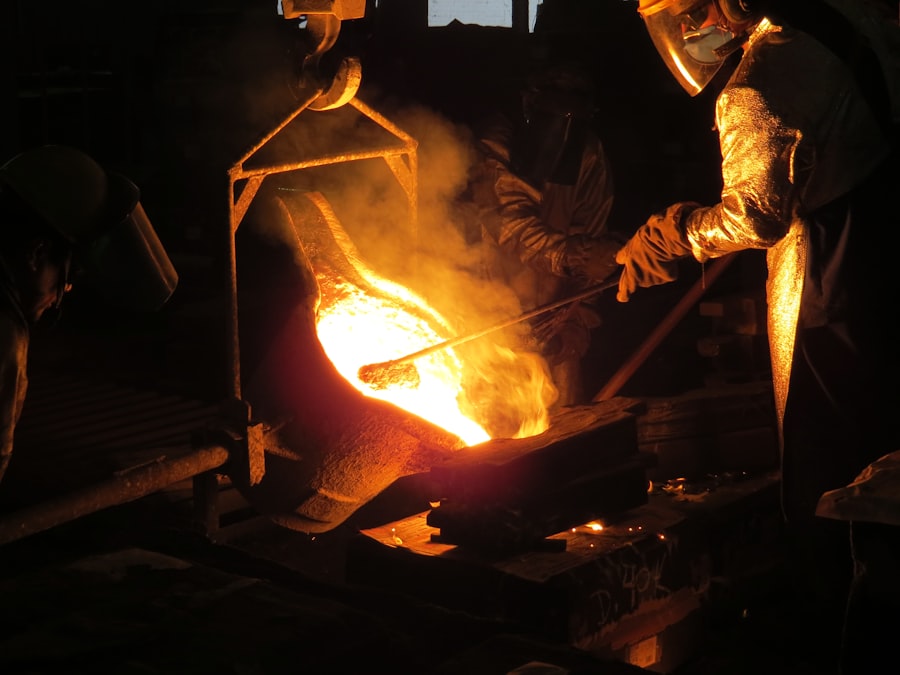
While the Chalcolithic period is defined by copper, it was the transformative alloy of bronze that truly ushered in a new era of human technological advancement. The Balkan metallurgists were at the forefront of this transition, understanding the advantages of mixing copper with other metals, most notably tin, to create a material far superior to pure copper. This understanding was a pivotal moment, a scientific leap born from empirical observation and persistent experimentation.
The Accidental Discovery and Intentional Alloy: The Secret of Bronze
The discovery of bronze was likely not a singular, deliberate “Eureka!” moment but a gradual realization. It’s possible that early copper ores contained trace amounts of tin, and the resulting artifacts possessed improved properties. Over time, communities learned to intentionally add tin to their copper to achieve this enhanced hardness and malleability. This alloy, bronze, was a game-changer. It allowed for the creation of sharper, more durable tools and weapons, revolutionizing warfare, agriculture, and craftsmanship. The alloying process itself was a subtle art, requiring precise proportions of copper and tin to achieve optimal results. It was a chemical formula discovered through generations of trial and error, a testament to the persistent curiosity of these ancient peoples.
The Reach of Balkan Bronze: Trade and Influence
The superior qualities of Balkan bronze led to its widespread adoption and influence across vast distances. Balkan bronze artifacts have been found from Scandinavia to the Mediterranean, indicating extensive trade networks and the diffusion of metallurgical knowledge. The region became a key supplier of bronze goods and, perhaps more importantly, the technological expertise to produce them. This outward flow of metal and knowledge acted as a catalyst for development in neighboring regions, effectively spreading the seeds of the Bronze Age across the continent. The Balkan mines and workshops were like fertile grounds, cultivating a technology that blossomed across Europe.
The Craftsmanship of a New Age: Sophistication in Bronze Artifacts
The advent of bronze allowed for greater sophistication in artifact design and execution. Tools became more refined, weapons could be cast with intricate details, and elaborate jewelry became more common. The ability to cast bronze in molds allowed for the mass production of standardized items, further enhancing efficiency and trade. Burial sites from this period reveal a wealth of bronze objects, offering insights into the social hierarchies and beliefs of these advanced societies. The intricate patterns and detailed craftsmanship seen in many Balkan bronze artifacts speak to a deep understanding of the metal and a highly developed aesthetic sensibility.
The Enduring Legacy of Balkan Metallurgy
The innovations born in the Balkan copper and bronze cultures extended far beyond their immediate geographical boundaries and temporal horizons. The foundations they laid in extraction, smelting, alloying, and craftsmanship were instrumental in paving the way for subsequent technological advancements and societal developments throughout Europe. Their story is not an isolated footnote in history but a crucial chapter in humanity’s ongoing quest for mastery over the material world.
Setting the Stage for the Iron Age: A Technological Precedent
The successful development and widespread adoption of bronze metallurgy in the Balkans created a precedent for future technological shifts. The knowledge gained in organizing mining operations, establishing trade networks, and developing specialized craft production was transferable. When the Iron Age dawned, the infrastructural and conceptual groundwork laid by the bronze workers facilitated a relatively smooth transition, even though iron presented new challenges in its extraction and working. The sophisticated understanding of ore processing, furnace technology, and skilled labor developed during the Bronze Age provided a vital blueprint for the next great metallic revolution.
Cultural Exchange and Diffusion of Knowledge
The extensive trade networks established by the Balkan bronze cultures served as conduits not only for metal goods but also for the diffusion of ideas and techniques. Metallurgical knowledge, once concentrated in specific regions, began to spread, allowing other communities to develop their own metalworking capabilities. This cultural exchange fostered a more interconnected Europe, accelerating innovation and contributing to the rise of more complex societies. The Balkan metallurgists were not just artisans; they were early architects of a connected Europe, their metallic creations acting as bridges between peoples.
Archaeological Insights: Windows into Ancient Life
Today, the unearthed artifacts of these ancient Balkan copper and bronze cultures serve as invaluable windows into the lives, beliefs, and technological capabilities of past societies. The sheer volume and variety of objects found provide a tangible link to a distant past, allowing archaeologists and historians to reconstruct social structures, economic systems, and the daily lives of people who lived millennia ago. Every hammered bracelet, every cast ax head, is a whisper from antiquity, telling a story of human ingenuity and resilience. The study of these artifacts is an ongoing excavation of our collective human story.

SHOCKING: 50 Artifacts That Prove History Was Erased
FAQs
What is ancient metallurgy in the context of Balkan copper cultures?
Ancient metallurgy in the Balkan copper cultures refers to the early development and use of metalworking techniques, particularly the extraction and processing of copper, by prehistoric communities in the Balkan Peninsula. This period marks one of the earliest known uses of metal tools and artifacts in Europe.
When did the Balkan copper cultures exist?
The Balkan copper cultures primarily flourished during the Chalcolithic period, roughly between 4500 and 3500 BCE. This era is characterized by the transition from the Neolithic Stone Age to the Bronze Age, with copper being one of the first metals widely used.
What types of artifacts were produced by ancient Balkan copper metallurgists?
Artifacts produced included copper tools such as axes, knives, and awls, as well as ornamental items like jewelry and decorative objects. These items demonstrate advanced metalworking skills, including casting, hammering, and annealing.
How did ancient Balkan communities obtain copper for metallurgy?
Copper was typically sourced from local ore deposits found in the Balkan region. Early metallurgists extracted copper ore through mining and then smelted it in simple furnaces to produce usable metal for crafting tools and ornaments.
What is the significance of Balkan copper cultures in the history of metallurgy?
The Balkan copper cultures are significant because they represent some of the earliest known examples of metal use in Europe. Their advancements in copper metallurgy laid the groundwork for subsequent technological developments in the Bronze Age and influenced metalworking traditions across the continent.