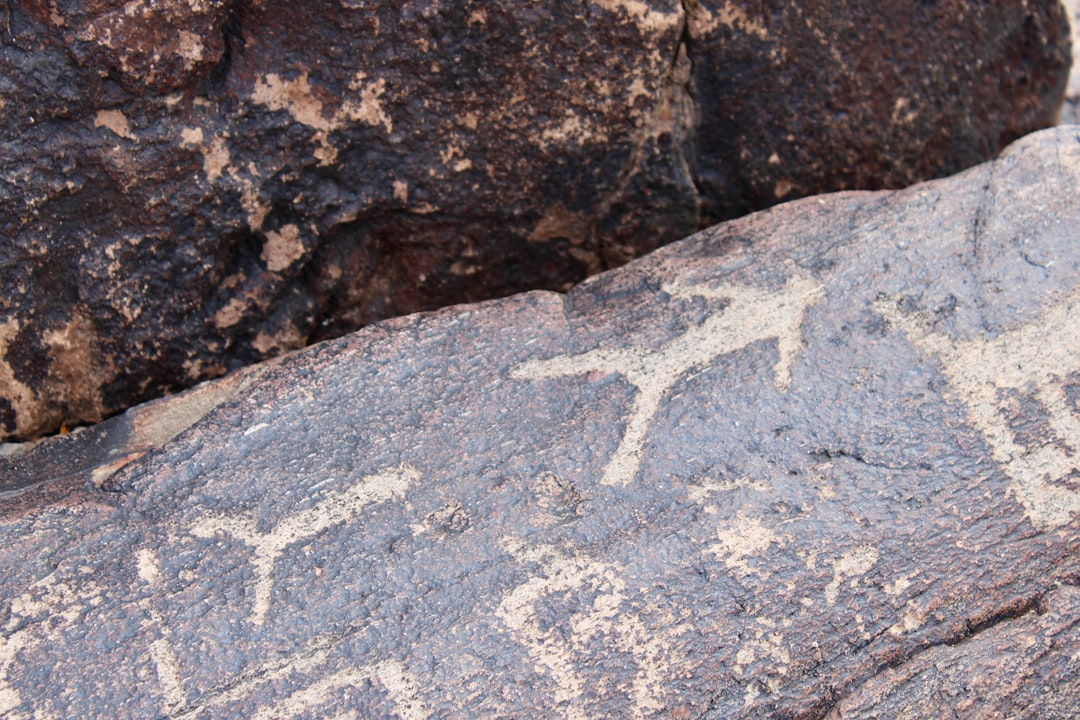
Exploring Prehistoric Art: Unveiling 3D Depth
Prehistoric art, a silent testament to humanity’s earliest creative impulses, has long captivated scholars and the public alike. While iconic cave paintings and carved figurines offer glimpses into the minds of our ancient ancestors, a closer examination of these artifacts reveals a surprising and sophisticated understanding of three-dimensional form. This exploration delves into the methods and evidence that demonstrate prehistoric artists’ ability to imbue their creations with a sense of depth and volume, offering a richer understanding of their artistic capabilities.
The initial fascination with prehistoric art often focused on its raw emotional power and its potential for deciphering early human belief systems. Researchers, like those charting an unknown continent, initially mapped the surface of this vast artistic landscape, identifying key sites and prominent motifs.
Early Excavations and Discoveries
The late 19th and early 20th centuries saw a flurry of archaeological discoveries, bringing to light numerous cave sites adorned with paintings and engravings. Sites like Altamira in Spain and Lascaux in France became synonymous with prehistoric art, sparking considerable public and academic interest. These early explorations, though groundbreaking, were often limited by the technology and theoretical frameworks of the time.
The Lure of Symbolism
Much of the early analysis concentrated on the symbolic meanings attributed to the depicted animals and human figures. Researchers sought to understand the “why” behind the art, linking it to hunting rituals, shamanistic practices, or early forms of storytelling. This symbolic lens, while valuable, sometimes overshadowed the technical achievements of the artists.
Prehistoric art has long fascinated researchers and enthusiasts alike, particularly with the recent advancements in technology that allow for a deeper understanding of these ancient creations. A related article that delves into the fascinating world of prehistoric art with a focus on its 3D depth can be found at Real Lore and Order. This article explores how modern techniques are revealing new insights into the techniques and purposes behind these early artistic expressions, shedding light on the cognitive and cultural development of our ancestors.
Beyond the Flat Surface: Techniques of 3D Representation
As analytical methods evolved, so too did the understanding of prehistoric artistic techniques. It became evident that these early artists were not merely replicating what they saw but were actively manipulating their materials and chosen media to suggest depth and three-dimensionality.
Engraving and Incision: Carving into Reality
Engraving, the technique of incising lines into a surface, was a fundamental tool for prehistoric artists. This method allowed them to delineate form, suggest musculature, and create a sense of volume that transcended simple outlines.
The Power of Contour Lines
The careful use of contour lines in engravings was crucial. Rather than relying on solid fills, artists often used a series of parallel or cross-hatched lines to model the contours of an animal’s body, creating an illusion of roundness and mass, much like a sculptor working with clay.
Employing Hatching and Shading
Prehistoric artists understood the impact of shading. They would vary the density and direction of their engraved lines to suggest shadows and highlights, further enhancing the three-dimensional feel of their subjects. This technique, though rudimentary compared to modern shading, was remarkably effective in conveying form.
Relief Sculptures: Bringing Forms to Life
The creation of relief sculptures, where the sculpted form protrudes from a background, represents a more direct engagement with three-dimensional space. These works, whether carved into rock faces or fashioned from bone and ivory, demonstrate a deliberate attempt to create objects that could be appreciated from multiple angles.
Low Relief and High Relief
Evidence of both low relief (where figures project slightly from the background) and high relief (where figures project more dramatically) can be found in prehistoric art. These variations in depth allowed for a greater play of light and shadow, contributing to the perceived volume of the artwork.
The Tactile Experience
Relief sculptures offered a tactile as well as a visual experience. The raised surfaces invited touch, allowing ancient observers to understand the form through touch as well as sight, a dimension often lost in two-dimensional representations.
Leveraging Natural Forms: The Artist’s Eye for Depth

Prehistoric artists were keenly observant of the natural world, and they adeptly incorporated the inherent three-dimensionality of their materials and chosen environments into their art.
Cave Walls as Canvases
The uneven surfaces of cave walls were not merely a passive backdrop; they were often actively utilized by artists to enhance the sense of depth.
Bumps and Protrusions as Anatomical Features
Artists sometimes incorporated existing protrusions or indentations in the rock to suggest anatomical features, such as the rounded belly of an animal or the curve of a limb. This symbiotic relationship between the art and its medium is a hallmark of sophisticated artistic practice.
The Play of Light and Shadow
The natural contours of the cave walls, coupled with the flickering light of torches or fires, would have naturally cast shadows and highlighted forms, further enhancing the perceived three-dimensionality of paintings and engravings. The artists, consciously or unconsciously, worked with this inherent quality of their environment.
Sculptures from Natural Materials
The choice of materials also played a significant role in conveying three-dimensionality. Sculptures carved from bone, ivory, or stone inherently possessed volume.
The Grain and Texture of Materials
The natural grain and texture of materials like mammoth ivory or bone could be manipulated to suggest the flow of fur, the musculature of an animal, or the folds of drapery. The artists understood how to work with, rather than against, the inherent qualities of their chosen mediums.
The Illusion of Movement
In some carved figures, the subtle interplay of convex and concave surfaces, the tilt of a head, or the stance of the legs, creates an illusion of movement, further contributing to a dynamic and three-dimensional presentation.
Figurative Representations: Capturing Life in Three Dimensions
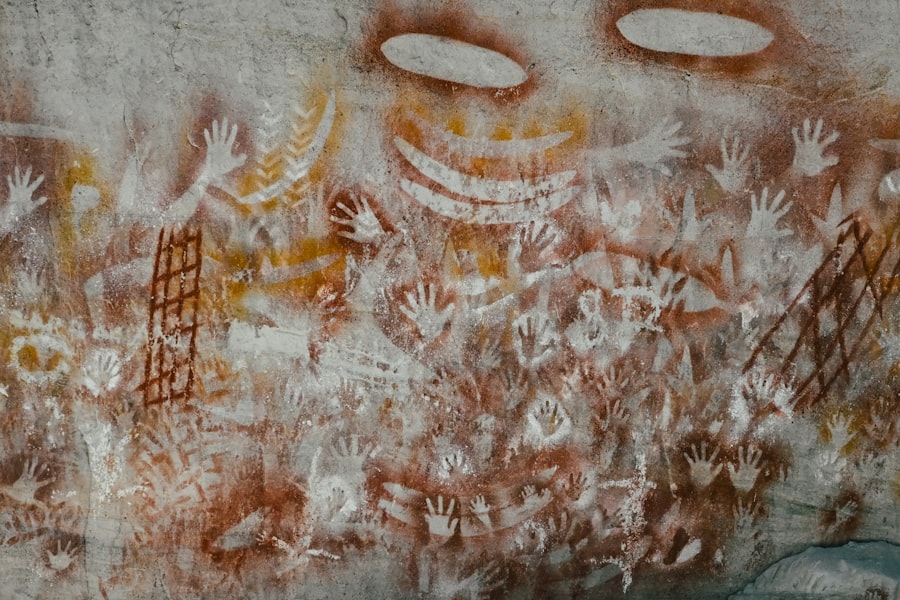
The most compelling evidence for prehistoric artists’ understanding of three-dimensional depth lies in their figurative representations, particularly of animals and, to a lesser extent, humans.
The Bovine Masters: Bulls and Aurochs
The powerful depictions of bovines, such as bulls and aurochs, are frequently cited as prime examples of prehistoric artistic skill in rendering volume.
Muscle Definition and Body Mass
Artists meticulously depicted the musculature of these animals, using curved lines and subtle variations in engraving depth to suggest the powerful bulk of their bodies. The rounded flanks, the swelling chests, and the powerful haunches all contribute to a palpable sense of mass.
Foreshortening and Perspective
While not adhering to modern rules of perspective, some prehistoric art demonstrates an intuitive understanding of foreshortening, where parts of the body are depicted as shorter or compressed due to their angle relative to the viewer. This is a crucial element in creating a convincing three-dimensional illusion.
The Grace of the Horse: Equine Forms
Equine subjects, often depicted with remarkable fluidity, also showcase the artists’ ability to convey three-dimensional form.
Flowing Lines and Curving Forms
The flowing lines used to depict the necks, backs, and legs of horses suggest their elasticity and a sense of rounded volume. The artists captured the natural curves of their bodies, creating a dynamic and lifelike impression.
The Illusion of Depth in Herd Scenes
In some cave paintings, where multiple animals are depicted, a layering and overlapping of figures, combined with variations in size, can create a rudimentary sense of spatial depth, suggesting a herd moving across a plane.
Human Figures: A More Elusive Depth
While human figures are less common and often more stylized in prehistoric art, they too offer insights into the artists’ engagement with three-dimensional form.
Stylized Forms and Suggestive Curves
Even in highly stylized human figures, artists often employed suggestive curves to indicate the roundness of limbs or the torso. The Venus figurines, for example, with their exaggerated feminine forms, clearly emphasize volume.
The Challenge of Representing Human Anatomy
The anatomical complexity of the human form, with its nuanced musculature and intricate bone structure, may have presented a greater challenge for prehistoric artists compared to the often simpler, more robust forms of animals. However, their attempts, however stylized, demonstrate a conceptual understanding of volume.
Prehistoric art has long fascinated researchers and enthusiasts alike, especially with its intriguing representations of early human life. A recent article explores the concept of 3D depth in prehistoric cave paintings, revealing how ancient artists may have employed techniques to create a sense of dimensionality in their work. This innovative approach not only enhances our understanding of their artistic intentions but also sheds light on the cognitive abilities of early humans. For more insights on this captivating topic, you can read the full article here.
The Legacy of Depth: A Prehistoric Perspective
| Metric | Description | Example | Estimated Age | 3D Depth Technique |
|---|---|---|---|---|
| Relief Carving | Art carved into rock surfaces creating raised images | Laas Geel Cave Paintings | ~9,000 years ago | Shallow relief to create depth perception |
| Engraved Bone Art | Incised lines on bones to depict animals with depth | Swabian Jura Bone Engravings | ~35,000 years ago | Use of overlapping lines and shading |
| Cave Paintings with Perspective | Paintings showing animals with overlapping figures and shading | Chauvet Cave Paintings | ~32,000 years ago | Use of shading and contouring for 3D effect |
| Venus Figurines | Small sculptures emphasizing volume and form | Venus of Willendorf | ~25,000 years ago | Full 3D sculptural form |
| Clay Modeling | Early use of clay to create three-dimensional figures | Dolní Věstonice Figurines | ~29,000 years ago | Modeling of volume and depth in clay |
The recognition of three-dimensional depth in prehistoric art fundamentally reshapes our understanding of these ancient creations. It moves them from the realm of primitive markings to that of sophisticated artistic endeavors.
Challenging Conventional Narratives
The evidence of 3D depth challenges the long-held notion of prehistoric humans as solely concerned with basic survival, lacking the cognitive and artistic sophistication to explore complex representational techniques. It paints a picture of individuals with a keen observational capacity and a desire to represent their world with a nuanced understanding of form.
A Foundation for Future Artistic Evolution
The skills and techniques honed by prehistoric artists, their understanding of line, form, and material, laid an unconscious foundation for the artistic traditions that would follow. They were, in essence, the first sculptors and painters, grappling with the fundamental principles of visual representation.
Continuing Research and New Revelations
Ongoing research, utilizing advanced imaging techniques and more rigorous analytical methods, continues to unveil new layers of complexity in prehistoric art. Each discovery refines our understanding and underscores the profound artistic achievements of our earliest ancestors. The journey to fully unravel the secrets of prehistoric art is ongoing, and the revelation of its three-dimensional depth is a significant milestone in that exploration.
SHOCKING: 50 Artifacts That Prove History Was Erased
FAQs
What is prehistoric art with 3D depth?
Prehistoric art with 3D depth refers to ancient artworks created by early humans that exhibit a sense of three-dimensionality. This includes carvings, sculptures, and reliefs that give the illusion of depth and volume, rather than flat, two-dimensional images.
How did prehistoric artists create the effect of 3D depth?
Prehistoric artists used techniques such as carving into stone or bone, sculpting figures in clay or other materials, and employing shading and contouring to create the illusion of depth. They often utilized natural rock formations and contours to enhance the three-dimensional effect.
Where are some famous examples of prehistoric 3D art found?
Notable examples include the Venus figurines, which are small carved statues of human figures, and the relief carvings found in caves such as those in Chauvet and Lascaux in France. These artworks demonstrate early humans’ ability to represent volume and depth.
What materials were commonly used in prehistoric 3D art?
Materials included stone, bone, ivory, clay, and sometimes wood. These materials were carved, shaped, or molded to create figures and forms with three-dimensional qualities.
Why is prehistoric 3D art important to study?
Studying prehistoric 3D art helps us understand the cognitive and cultural development of early humans. It provides insights into their artistic skills, symbolic thinking, and how they perceived and represented the world around them.