The Denisovan EPAS1 gene, a seemingly small alteration in the human genome, holds the key to understanding how certain populations thrive at the dizzying heights of the Tibetan Plateau. This ancient genetic legacy, inherited from a now-extinct hominin group known as Denisovans, acts like a finely tuned instrument, allowing its carriers to breathe easier in an environment where oxygen is a precious commodity.
The story of the Denisovan EPAS1 gene is inextricably linked to the fascinating, and often enigmatic, Denisovans themselves.
Who Were the Denisovans?
For much of human history, our ancestral narrative was primarily understood through the lens of Homo sapiens and Neanderthals. However, the discovery of a small finger bone and some teeth in Denisova Cave in Siberia, starting in 2008, revealed a third major player in the human evolutionary drama: the Denisovans. Genetic analysis of these ancient remains painted a picture of a distinct hominin group that interbred with both Neanderthals and early modern humans. While their physical morphology remains less understood due to the limited fossil evidence, their genetic footprint has proven to be a significant one, particularly in populations of East Asia and Oceania. They were not merely a footnote in our lineage but a vital branch that contributed unique genetic adaptations to later human populations. Imagine them as distant cousins whose distinct life experiences, shaped by their environments, left them with specialized tools that they, in turn, passed down.
The Discovery of Denisovan DNA
The breakthrough in understanding Denisovans came from sophisticated ancient DNA sequencing techniques. Scientists were able to extract and analyze genetic material from fossil fragments, revealing that Denisovans were distinct from Neanderthals and Homo sapiens. This genetic evidence indicated that Denisovans migrated out of Africa much earlier than modern humans and interbred with other hominin groups as they spread across Asia. The analysis of their genome provided a blueprint, a historical record etched in their DNA, that allows us to trace their influence on modern human populations. It’s akin to finding an old family recipe book, revealing ingredients and techniques that have been passed down through generations, influencing the way we prepare meals today.
Interbreeding and Genetic Exchange
The genetic data unequivocally demonstrates that interbreeding occurred between Denisovans, Neanderthals, and early modern humans. This means that chunks of Denisovan and Neanderthal DNA are present in the genomes of many present-day humans. These genetic contributions were not random; they represent successful adaptations that conferred survival advantages in specific environments. For instance, the EPAS1 gene, which we will explore further, is a prime example of a beneficial Denisovan trait that was incorporated into the modern human gene pool. This genetic exchange was a form of biological collaboration, a sharing of valuable resources between different hominin groups facing similar environmental challenges. Think of it as different nomadic tribes encountering each other on their migrations, sharing survival strategies and useful technologies.
Recent studies have highlighted the role of the Denisovan EPAS1 gene in high-altitude survival, showcasing how this genetic adaptation allows certain populations to thrive in environments with low oxygen levels. For a deeper understanding of this fascinating topic, you can explore a related article that delves into the genetic mechanisms behind high-altitude adaptation and the implications for human evolution. To read more, visit this article.
The EPAS1 Gene: A Master Regulator of Oxygen Response
The EPAS1 gene, or Endothelial PAS domain-containing protein 1, stands out as a remarkable example of Denisovan genetic contribution to high-altitude survival. Its role is not about simply liking the cold or thin air; it’s about a sophisticated physiological response to low oxygen.
What is the EPAS1 Gene?
EPAS1 is a transcription factor, a protein that plays a critical role in regulating gene expression. Specifically, it is a key component of the hypoxia-inducible factor (HIF) pathway. The HIF pathway is the body’s primary mechanism for responding to low oxygen levels (hypoxia). When oxygen is scarce, EPAS1 becomes activated and triggers a cascade of biological responses designed to improve oxygen delivery and utilization. It acts as a conductor orchestrating a symphony of cellular responses to ensure the body can function even when its lifeblood – oxygen – is in short supply.
The HIF Pathway: The Body’s Hypoxia Sentinel
The hypoxia-inducible factor (HIF) pathway is a fundamental biological system found in most animals. When oxygen levels drop, specific cellular sensors detect this change. This triggers the stabilization and activation of HIF proteins, including HIF-1α, which is encoded by the EPAS1 gene. Once activated, HIF proteins move into the cell nucleus and bind to specific DNA sequences, thereby controlling the expression of numerous genes. These target genes are involved in a wide array of adaptive processes, such as increased red blood cell production, enhanced blood vessel formation (angiogenesis), and improved glucose metabolism. The HIF pathway is the body’s alarm system, sounding the alert when oxygen is compromised and initiating a coordinated defensive response.
EPAS1’s Role in Oxygen Transport and Utilization
The EPAS1 gene plays a crucial role in modulating the entire HIF pathway. Variants of EPAS1 can significantly influence how efficiently the body responds to hypoxia. In the context of high altitude, this means influencing factors like red blood cell count, blood viscosity, and the efficiency of oxygen transfer from the lungs to the tissues. The Denisovan version of EPAS1 appears to fine-tune these responses, preventing the detrimental overproduction of red blood cells that can lead to health problems in low-oxygen environments. It’s like having a sophisticated thermostat for your body’s oxygen regulation system, ensuring it operates at the optimal level for the environment.
The Tibetan Paradox: Thriving at Extreme Altitudes

The Tibetan Plateau, known as the “Roof of the World,” presents a formidable challenge to life. Its vast, high-altitude expanses are characterized by significantly lower atmospheric pressure and thus less available oxygen. Yet, its indigenous populations, such as the Tibetans, flourish and exhibit remarkable physiological adaptations.
The Challenge of High Altitude Hypoxia
At sea level, the atmospheric pressure is roughly 1.47 pounds per square inch, allowing for an abundant supply of oxygen. As altitude increases, atmospheric pressure drops, and the partial pressure of oxygen also decreases. This means that with each breath, less oxygen enters the lungs and, consequently, the bloodstream. Prolonged exposure to high altitude can lead to a range of physiological stresses, including shortness of breath, headaches, nausea, and, in severe cases, life-threatening conditions like high-altitude pulmonary edema and cerebral edema. The human body has remarkable resilience, but extreme altitudes push these limits to their breaking point. Imagine trying to fill a bucket with a thin stream of water; it takes longer and is less effective than a strong flow.
Traditional Adaptations versus Genetic Advantages
Historically, humans who have lived at high altitudes for generations have developed some physiological adaptations. These include increased lung capacity and a slightly higher resting heart rate. However, these adaptations often come with trade-offs, such as increased blood viscosity due to a higher red blood cell count, which can strain the cardiovascular system. The Tibetans, and other high-altitude populations, demonstrate a distinct advantage. Their ability to thrive is not solely due to incremental incremental changes over time but a profound, inherited genetic endowment that has dramatically reshaped their physiological response to hypoxia. They haven’t just learned to cope; they’ve evolved to embrace it.
The Pace of Adaptation: Evolutionary Speed Records
The geological timescale of human evolution is generally measured in tens or hundreds of thousands of years. However, the adaptation to the Tibetan Plateau appears to have occurred much more rapidly, suggesting a significant evolutionary leap. The presence of specific gene variants, like the Denisovan EPAS1, points to a rapid infusion of advantageous genetic material that allowed populations to quickly colonize and thrive at extreme altitudes. This rapid adaptation is akin to a sudden surge of innovation in a technological field, leapfrogging incremental improvements for a transformative breakthrough.
The Denisovan EPAS1 Allele: A Key to Tibetan Resilience
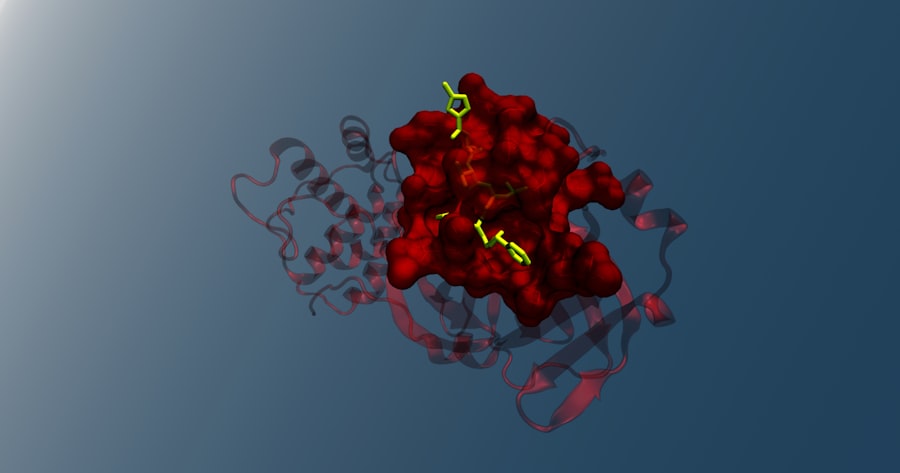
Research has pinpointed a specific variant, or allele, of the EPAS1 gene that is highly prevalent in Tibetan populations and is strongly associated with their remarkable high-altitude survival. This variant is believed to have originated from the Denisovans.
Identifying the “Tibet-Tuned” EPAS1
Scientific studies, often employing genome-wide association studies (GWAS), have analyzed the genetic makeup of Tibetans and compared it to populations living at lower altitudes. These studies revealed a particular cluster of EPAS1 gene variants that are significantly more common in Tibetans. This specific version of the gene is colloquially referred to as the “Tibet-tuned” EPAS1. Its prevalence is dramatically higher in Tibetans, reaching upwards of 80-90% in some populations, compared to its near absence in lowland dwellers. This striking difference highlights its significant evolutionary advantage. It’s like finding a signature mark on a masterpiece, clearly indicating its origin and the unique craftsmanship involved.
The Denisovan Origin Theory
Genetic tracing has strongly suggested that this “Tibet-tuned” EPAS1 allele was not an independent mutation that arose in Tibetans. Instead, it was inherited from Denisovans. The timing of its introduction into the human gene pool, coupled with its specific genetic structure, points directly to Denisovan ancestry. This suggests that the Denisovans, who likely inhabited parts of Asia for a substantial period, may have themselves possessed adaptations to higher altitudes, and this advantageous gene was passed on to modern humans later. This gene, therefore, is a silent testament to the Denisovans’ ancient journey and their biological prowess.
Functional Impact: Preventing the “Thick Blood” Phenomenon
The Denisovan EPAS1 allele seems to function by dampening the body’s response to hypoxia, particularly with regard to red blood cell production. While other populations might experience a significant increase in red blood cells – leading to thicker, more viscous blood that strains the heart – the presence of the Denisovan EPAS1 allele seems to modulate this response. It allows for efficient oxygen transport without the detrimental overproduction of red blood cells. This prevents the body from over-reacting to the low-oxygen environment, akin to a skilled diplomat managing a tense negotiation rather than escalating it. It allows for effective oxygenation without causing harmful side effects.
Recent studies have highlighted the role of the Denisovan EPAS1 gene in enabling high-altitude survival, particularly among populations in the Tibetan Plateau. This fascinating genetic adaptation allows individuals to thrive in environments with lower oxygen levels, showcasing the remarkable ways in which human evolution has responded to environmental challenges. For further insights into this topic, you can explore a related article that delves deeper into the genetic mechanisms behind high-altitude adaptation by visiting this link.
Implications and Future Research: Unlocking More Secrets
| Metric | Value | Description |
|---|---|---|
| Gene | EPAS1 | Endothelial PAS domain protein 1, involved in hypoxia response |
| Origin | Denisovan introgression | Genetic variant inherited from Denisovan hominins |
| Population Frequency | Up to 87% in Tibetan populations | High prevalence in high-altitude adapted groups |
| Altitude Adaptation | Improved oxygen utilization | Enhances survival in low-oxygen environments |
| Hemoglobin Levels | Lower than average at high altitude | Prevents excessive blood viscosity |
| Selection Coefficient | ~0.04 | Strong positive selection for the variant |
| Associated Phenotype | Reduced hypoxia-induced pulmonary hypertension | Protects against altitude sickness |
The discovery of the Denisovan EPAS1 gene’s role in high-altitude survival is a watershed moment in our understanding of human adaptation and evolution.
Understanding Human Evolution and Migration
The presence of Denisovan DNA in modern human populations provides invaluable insights into the complex migration patterns and interbreeding events that shaped our species. The EPAS1 story is just one thread in this intricate tapestry. By studying these inherited genetic segments, scientists can map ancient movements, identify areas of contact between different hominin groups, and understand how advantageous traits spread throughout populations. It allows us to reconstruct a more nuanced and dynamic picture of our ancestral past, moving beyond a simple linear progression. It’s like piecing together an ancient map from fragmented scrolls, revealing forgotten routes and lost settlements.
Medical and Therapeutic Potential
The mechanisms by which the Denisovan EPAS1 allele confers resilience to hypoxia hold significant potential for medical applications. Understanding how this gene regulates oxygen response could lead to new therapeutic strategies for conditions involving oxygen deprivation, such as stroke, heart disease, and anemia. Researchers are exploring ways to mimic or harness the beneficial effects of this gene to improve oxygen delivery and utilization in patients suffering from these ailments. The genetic blueprint of survival at extreme altitudes may hold the key to enhanced health at sea level. Imagine a new generation of medicines inspired by ancient wisdom.
The Ongoing Quest for Denisovan Knowledge
Despite the profound impact of the Denisovan EPAS1 gene discovery, much remains unknown about the Denisovans themselves. Further fossil discoveries and advancements in ancient DNA technology are crucial for unlocking more of their secrets. Understanding their full genetic contribution, their lifestyle, and their physical characteristics will enrich our comprehension of human evolutionary history and the diverse paths our ancestors took. The Denisovans, once a shadowy presence, are increasingly coming into focus, offering a richer and more complex narrative of where we came from. Their story is far from over; it is an ongoing excavation of our shared biological heritage.
SHOCKING: 50 Artifacts That Prove History Was Erased
FAQs
What is the Denisovan EPAS1 gene?
The Denisovan EPAS1 gene is a variant of the EPAS1 gene that was inherited from Denisovans, an extinct group of archaic humans. This gene variant is associated with adaptations to high-altitude environments, particularly in populations living in the Tibetan Plateau.
How does the EPAS1 gene help with high-altitude survival?
The EPAS1 gene plays a key role in the body’s response to low oxygen levels (hypoxia) at high altitudes. The Denisovan variant of EPAS1 helps regulate red blood cell production and oxygen delivery, reducing the risk of chronic mountain sickness and improving overall oxygen efficiency.
Who carries the Denisovan EPAS1 gene variant?
The Denisovan EPAS1 gene variant is most commonly found in Tibetan populations and some other high-altitude groups in Asia. It is believed to have been introduced into modern humans through interbreeding with Denisovans tens of thousands of years ago.
Why is the Denisovan EPAS1 gene important for evolutionary studies?
The Denisovan EPAS1 gene is a prime example of how interbreeding between archaic humans and modern humans contributed beneficial genetic adaptations. It provides insight into human evolution and how ancient gene flow helped populations survive in extreme environments.
Can the Denisovan EPAS1 gene variant be found in low-altitude populations?
The Denisovan EPAS1 gene variant is rare or absent in most low-altitude populations. Its frequency is highest in high-altitude groups, indicating strong natural selection for this gene in environments with low oxygen availability.