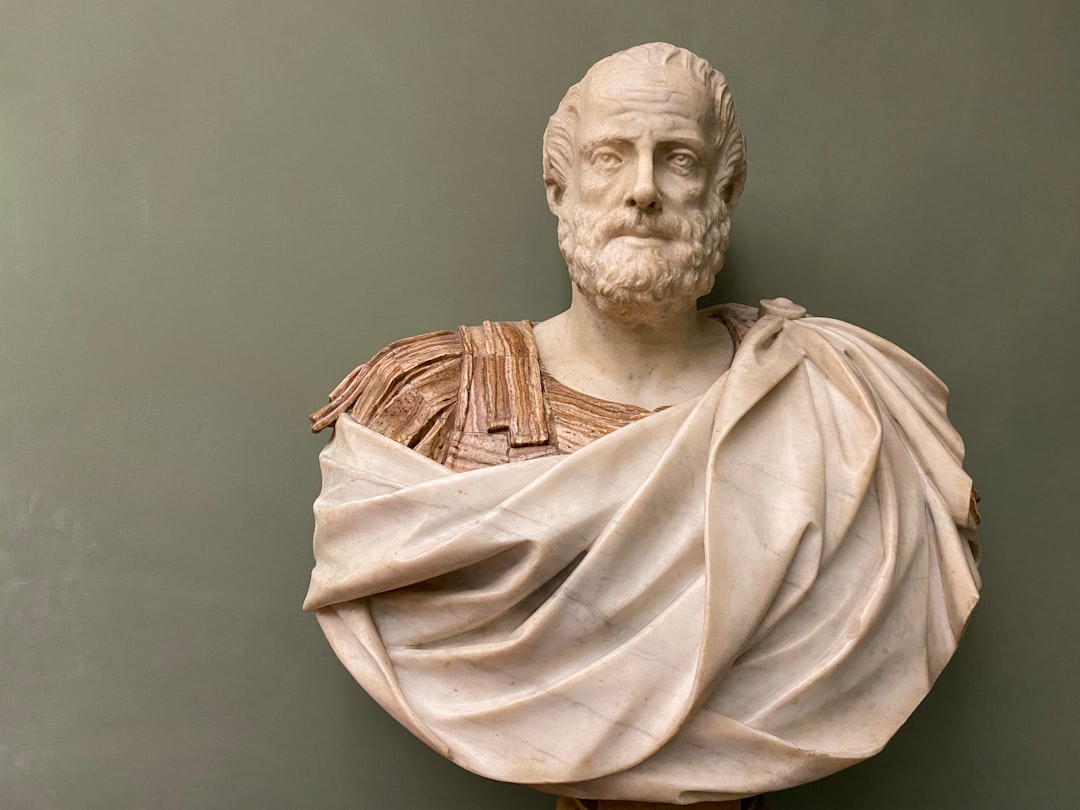
The tale of Archimedes’ Death Ray has captivated imaginations for centuries, often regarded as one of the most intriguing legends of ancient science. According to popular accounts, Archimedes, the brilliant Greek mathematician and inventor, devised a weapon capable of harnessing the sun’s rays to incinerate enemy ships during the Siege of Syracuse in 212 BThis myth has been perpetuated through literature, film, and popular culture, leading many to believe in the existence of such a device. However, the historical accuracy of this story remains shrouded in mystery, with scant evidence to support its claims.
The idea that a single man could wield the power of the sun as a weapon is both awe-inspiring and terrifying. It raises questions about the limits of human ingenuity and the potential consequences of scientific advancements.
As historians and scientists delve deeper into the life and contributions of Archimedes, they often find themselves grappling with the line between myth and reality, particularly when it comes to this legendary weapon.
Key Takeaways
- The story of Archimedes’ death ray is a myth and has no historical evidence to support its existence.
- Archimedes was a renowned mathematician, physicist, and engineer who made significant contributions to the fields of mathematics and science.
- The concept of the “death ray” in ancient warfare was a popular idea, but there is no concrete evidence that such a weapon was ever developed or used.
- The legend of the siege of Syracuse involves Archimedes using his knowledge of geometry and physics to defend the city against the Roman army.
- The feasibility of Archimedes’ death ray has been widely debated, with many experts concluding that it is unlikely that such a weapon could have been created with the technology available at the time.
- The science behind solar weapons involves harnessing the power of the sun to create destructive energy beams, but the practicality of such weapons is still in question.
- Modern attempts to recreate Archimedes’ death ray have been largely unsuccessful, with many scientists and engineers unable to replicate the supposed effects of the ancient weapon.
- Solar power has the potential to be used as a weapon, but ethical considerations and international laws may limit its development and use in warfare.
- The legacy of Archimedes’ death ray lives on as a popular myth, but it also serves as a reminder of the power of scientific innovation and the importance of critical thinking.
- The myth vs. reality of Archimedes’ death ray highlights the need for skepticism and evidence-based research when evaluating historical claims and technological advancements.
Archimedes’ Background and Contributions to Science
Archimedes was born in 287 BC in the city of Syracuse on the island of Sicily, a place that would later become central to his most famous exploits. He was not only a mathematician but also an engineer, physicist, and inventor whose work laid the groundwork for many scientific principles still in use today. His contributions to mathematics include the formulation of the principles of lever and buoyancy, as well as significant advancements in geometry, such as calculating the area of a circle and the volume of a sphere.
Archimedes’ work in mathematics was so profound that it earned him recognition as one of the greatest mathematicians in history. In addition to his mathematical achievements, Archimedes was known for his inventive spirit. He created various machines, including war engines designed to defend Syracuse from Roman invasion.
His inventions showcased his understanding of mechanics and physics, allowing him to manipulate forces in ways that were revolutionary for his time. The combination of his theoretical insights and practical applications established Archimedes as a pivotal figure in the history of science, influencing generations of thinkers who followed.
The Concept of the “Death Ray” in Ancient Warfare
The notion of a “Death Ray” is not unique to Archimedes; throughout history, various cultures have sought ways to harness natural forces as weapons. The idea of using sunlight as a means of destruction can be traced back to ancient civilizations that recognized the sun’s power. In warfare, the concept often revolved around creating devices that could focus sunlight onto a target, igniting materials or causing damage from a distance.
This fascination with solar weapons reflects humanity’s enduring quest for innovative methods to gain an advantage in battle. In ancient warfare, the psychological impact of such weapons was as significant as their physical effects. The mere belief that an enemy possessed a weapon capable of harnessing the sun could instill fear and uncertainty among opposing forces.
This psychological warfare aspect is evident in many historical accounts where rumors and legends surrounding powerful weapons played a crucial role in shaping military strategies. The idea of Archimedes’ Death Ray fits neatly into this narrative, serving as both a symbol of scientific prowess and a tool for intimidation.
The Legend of the Siege of Syracuse
| Metrics | Data |
|---|---|
| Author | Thomas Bulfinch |
| Published | 1855 |
| Genre | Mythology |
| Setting | Ancient Greece |
| Themes | War, heroism, mythology |
The Siege of Syracuse is one of the most famous episodes in ancient military history, marked by the conflict between Roman forces and the city-state of Syracuse during the Second Punic War. As Roman troops laid siege to Syracuse, Archimedes emerged as a key figure in defending his homeland. According to legend, he employed various ingenious devices to thwart the Roman fleet, including catapults and other war machines that showcased his engineering brilliance.
The story of Archimedes’ Death Ray is intertwined with this siege narrative. It is said that he used polished bronze mirrors to concentrate sunlight onto Roman ships, setting them ablaze from afar. While this account has been romanticized over time, it highlights Archimedes’ role as a protector of Syracuse and his commitment to using science for defense.
The siege ultimately ended with Syracuse falling to Roman forces, but Archimedes’ legacy endured through tales of his remarkable inventions and strategic ingenuity.
The Feasibility of Archimedes’ Death Ray
The feasibility of Archimedes’ Death Ray has been a subject of debate among historians and scientists alike. While some argue that it is entirely plausible for mirrors to focus sunlight onto a target, others contend that the practical challenges would have made such a weapon ineffective in real combat situations. Factors such as weather conditions, the angle of sunlight, and the size and material of the mirrors would all play critical roles in determining whether such a device could achieve its intended purpose.
Experimental attempts to recreate Archimedes’ Death Ray have yielded mixed results. Some modern scientists have successfully demonstrated that it is possible to ignite materials using focused sunlight; however, achieving consistent results under battlefield conditions remains problematic. The challenges associated with maintaining precise alignment and ensuring optimal sunlight conditions raise questions about whether Archimedes could have effectively utilized such a weapon during the chaos of war.
The Science Behind Solar Weapons
The concept of solar weapons is rooted in fundamental principles of physics and optics. By using reflective surfaces to concentrate sunlight onto a specific point, it is possible to generate intense heat capable of igniting flammable materials. This principle is similar to how magnifying glasses can focus sunlight to burn paper or other substances.
The efficiency of such weapons depends on several factors, including the quality of the reflective material, the size and shape of the mirrors, and environmental conditions. In modern times, solar energy has gained prominence as a sustainable power source, leading researchers to explore its potential applications beyond traditional energy generation. Solar weapons represent an intriguing intersection between renewable energy technology and military applications.
While ethical considerations often overshadow discussions about solar weapons, understanding their scientific basis can provide insights into how humanity continues to grapple with the dual-edged nature of technological advancements.
Modern Attempts to Recreate Archimedes’ Death Ray
In recent years, various teams have attempted to recreate Archimedes’ Death Ray using modern technology and materials. These experiments often involve high-quality reflective surfaces designed to maximize sunlight concentration. Some researchers have successfully ignited small wooden objects or even set fire to boats under controlled conditions, demonstrating that focusing sunlight can indeed produce significant heat.
However, these modern recreations also highlight the limitations inherent in such experiments. Achieving consistent results requires precise alignment and optimal weather conditions—factors that would be difficult to control during an actual military engagement. Additionally, many experiments have shown that while it is theoretically possible to create a solar weapon akin to Archimedes’ Death Ray, practical applications remain limited due to technological constraints and ethical considerations surrounding their use.
Solar Power and its Potential as a Weapon
The exploration of solar power as a potential weapon raises complex questions about ethics and responsibility in scientific innovation. While harnessing solar energy for peaceful purposes—such as electricity generation—has become increasingly important in combating climate change, repurposing this technology for military applications poses significant moral dilemmas. The potential for solar weapons to cause destruction challenges society’s understanding of how technology should be used.
As nations continue to invest in renewable energy technologies, discussions about their military applications are likely to intensify. The dual-use nature of solar technology necessitates careful consideration by policymakers and scientists alike. Balancing innovation with ethical responsibility will be crucial in determining how humanity navigates the intersection between scientific advancement and its potential consequences.
The Legacy of Archimedes’ Death Ray
The legacy of Archimedes’ Death Ray extends far beyond its historical context; it serves as a symbol of human ingenuity and the quest for knowledge. While the actual existence of such a weapon remains uncertain, its story has inspired countless individuals across generations to explore science and mathematics. Archimedes himself has become an enduring figure in popular culture, representing the archetype of the brilliant scientist whose ideas transcend time.
Moreover, the myth surrounding Archimedes’ Death Ray continues to spark curiosity about ancient technologies and their relevance today. As modern scientists seek innovative solutions to contemporary challenges—ranging from renewable energy sources to advanced weaponry—the lessons learned from Archimedes’ story remind us that scientific inquiry can lead both to progress and peril.
Ethical Considerations of Solar Weapons
The ethical implications surrounding solar weapons are profound and multifaceted. As technology advances, society must grapple with questions about how far innovation should go in pursuit of military superiority. The potential for solar weapons to cause harm raises concerns about accountability and responsibility among those who develop such technologies.
Furthermore, discussions about solar weapons often intersect with broader debates about warfare ethics and humanitarian considerations. As nations explore renewable energy technologies for military applications, it becomes increasingly important for scientists and policymakers to engage in dialogue about ethical frameworks guiding their use. Establishing guidelines that prioritize peace and sustainability while acknowledging national security needs will be essential in navigating this complex landscape.
Ultimately, the story of Archimedes’ Death Ray serves as both myth and reality—a fascinating blend that reflects humanity’s enduring fascination with science and invention. While historical evidence may not support the existence of such a weapon, its legacy endures through cultural narratives that celebrate human creativity and ingenuity.
As society continues to grapple with technological progress’s implications—whether through renewable energy or military applications—the lessons learned from Archimedes’ story remain relevant today. Balancing innovation with ethical responsibility will be crucial as humanity navigates an increasingly complex world shaped by science and technology.
In exploring the fascinating tale of Archimedes’ death ray, a legendary device purportedly used to set enemy ships ablaze using concentrated sunlight, one might find intriguing insights in related historical analyses. For a deeper understanding of such ancient technologies and their mythological contexts, you can visit an article on the topic at Real Lore and Order. This resource delves into the intersection of history and myth, providing a comprehensive look at how stories like that of Archimedes’ death ray have captured the imagination over centuries.
WATCH THIS 🤯Ancient Tech That Should Not Exist
FAQs
What is Archimedes’ death ray?
Archimedes’ death ray refers to a legendary weapon that was said to have been designed by the ancient Greek mathematician and inventor, Archimedes. It was said to be a large mirror or array of mirrors that could concentrate sunlight onto enemy ships, causing them to catch fire.
Did Archimedes actually create a death ray?
There is no historical evidence to support the existence of an actual “death ray” created by Archimedes. The concept of the death ray is based on legends and myths rather than historical fact.
How did the myth of Archimedes’ death ray originate?
The myth of Archimedes’ death ray likely originated from accounts of the Siege of Syracuse, during which Archimedes is said to have used mirrors to set Roman ships on fire. However, there is no concrete evidence to support these claims.
Has the concept of Archimedes’ death ray been tested?
Several experiments have been conducted to test the feasibility of Archimedes’ death ray, and they have generally concluded that it would be highly impractical to use mirrors to set ships on fire. The amount of heat required to ignite a ship would be difficult to achieve with mirrors.
What is the scientific explanation for the myth of Archimedes’ death ray?
The scientific explanation for the myth of Archimedes’ death ray is that while it is theoretically possible to concentrate sunlight using mirrors, the practical application of such a weapon would be extremely challenging. The myth likely originated from a combination of historical events and exaggerated storytelling.