
He stands at the precipice of history, peering into the inky depths where the echoes of the Bronze Age still resonate. You, too, can join him in this exploration of the Uluburun shipwreck, a sunken treasure trove that has unlocked a remarkable chapter in human commerce.
The story of the Uluburun shipwreck is, in itself, a testament to human curiosity and the serendipitous nature of discovery. It was not a meticulously planned expedition that unearthed this extraordinary find, but rather a chance encounter that would forever alter our understanding of Bronze Age maritime activity.
A Fisherman’s Unexpected Catch
The year was 1982. Turkish sponge divers, familiar with the rugged coastline off the south-west of Turkey, were engaged in their usual trade near the village of Kas. As they descended into the cool embrace of the Aegean Sea, one diver, Mehmet Çakir, encountered something far more intriguing than the sponges he sought. His keen eyes, accustomed to the seabed’s contours, noticed an unusual scattering of objects spread across a considerable area at a depth of approximately 50 meters. What initially appeared to be a jumble of rocks and debris, upon closer inspection, revealed itself to be something far more significant – the remnants of a shipwreck. This initial discovery, though not fully comprehended at the time, was the first ripple of a wave of knowledge that would soon wash over the archaeological world.
The Birth of a Groundbreaking Excavation
The information from Çakir and his fellow divers eventually reached the ears of the Turkish Ministry of Culture. Recognizing the potential importance of the find, they initiated preliminary investigations. These early surveys confirmed suspicions of a shipwreck of considerable antiquity. The scale of the debris field, coupled with the presence of what appeared to be ancient artifacts, warranted a more thorough and systematic approach. This led to the involvement of Professor George Bass, a leading authority on underwater archaeology, and his Institute of Nautical Archaeology (INA). What followed was one of the most extensive and meticulously executed underwater excavations ever undertaken, an endeavor that would last for eleven seasons, from 1984 to 1994. This was not a casual dive; it was a commitment to excavating a story buried by time and tide.
The Excavation: A Symphony of Precision and Patience
The excavation of the Uluburun shipwreck was a monumental undertaking, demanding a level of precision and patience that is akin to carefully dissecting a delicate ancient manuscript. The team, composed of archaeologists, conservators, divers, and support staff, worked under challenging conditions. Each artifact, no matter how small or seemingly insignificant, was meticulously documented, photographed, and mapped in three-dimensional space before being carefully brought to the surface. The sheer volume of material recovered was staggering, presenting an immense challenge for conservation and analysis. This was a careful unpicking of time’s tapestry, thread by thread.
Technological Innovations in Underwater Archaeology
The success of the Uluburun excavation was also a testament to the innovative application of technology in underwater archaeology. Advanced surveying equipment, including sonar and remotely operated vehicles (ROVs), helped to map the extent of the wreck and its surroundings. Sophisticated airlifting techniques were employed to remove sediment without disturbing the fragile context of the artifacts. On land, the conservation of the recovered materials, many of which were organic and highly susceptible to decay, required cutting-edge techniques. The careful preservation of these fragile remnants was crucial; they were the whispers of the past demanding to be heard.
The Uluburun shipwreck, discovered off the coast of Turkey, provides invaluable insights into Bronze Age trade networks and maritime practices. For a deeper understanding of the economic and cultural exchanges that characterized this period, you can explore a related article that delves into the complexities of ancient trade routes and their impact on civilizations. Check out this informative piece at Real Lore and Order to learn more about the fascinating connections between different cultures during the Bronze Age.
Unveiling the Cargo: A Bronze Age World in Miniature
The cargo of the Uluburun shipwreck is not merely a collection of inanimate objects; it is a vibrant snapshot, a diorama of the vast and interconnected world of the Late Bronze Age. The sheer diversity and origin of the goods on board paint a vivid picture of trade routes, economic relationships, and the sophisticated networks that stretched across the Mediterranean and beyond. This was not just a ship; it was a floating marketplace, a testament to the globalized nature of the ancient world.
The Metals: The Backbone of Bronze Age Commerce
Perhaps the most striking aspect of the Uluburun cargo is the immense quantity and variety of metals. The Bronze Age, as its name suggests, was an era defined by the mastery of metalworking, and this shipwreck offers unparalleled insight into this fundamental aspect of the period.
Copper Ingots: The Raw Material of Civilization
The most abundant metal found on the wreck were hundreds of copper oxhide ingots, weighing over 10 tons in total. These heavy, brick-shaped ingots, bearing distinctive handles resembling animal hides, are believed to have originated from Cyprus, a major source of copper in the ancient world. The presence of such a massive quantity of copper highlights its crucial role as a primary commodity in Late Bronze Age trade. Copper was the lifeblood of the era, the essential ingredient for producing bronze, and therefore for crafting tools, weapons, and decorative objects.
Tin: The Elusive Partner of Copper
Accompanying the copper were significant quantities of tin ingots. Tin, while less abundant than copper, was equally vital for the production of bronze. Unlike copper, tin deposits were not as widespread, making its trade a more complex and potentially lucrative endeavor. The majority of the tin likely originated from farther afield, possibly from Anatolia or even further east. The co-occurrence of copper and tin on the Uluburun ship underscores the intricate nature of the bronze trade network, requiring the coordination of resources from disparate regions.
Other Metals: A Glimpse of Advanced Metallurgy
Beyond copper and tin, the wreck yielded evidence of other valuable metals, including ingots of lead and small quantities of what appear to be silver and possibly even gold artifacts. These findings further illustrate the sophistication of Bronze Age metallurgy and the demand for a range of metals for various purposes, from utilitarian to decorative. The presence of these metals, like stars in a celestial map, charted the routes of international exchange.
The Glass: A Luxury Material in Demand
Another significant component of the Uluburun cargo was a substantial quantity of raw glass ingots, primarily in blue and turquoise hues. These raw glass lumps, believed to have been produced in the Levant or Egypt, were a highly prized commodity, destined to be fashioned into a variety of exquisite objects.
Raw Glass as a Trade Good
The discovery of raw glass ingots is particularly important as it provides direct evidence of the production and transportation of this relatively new and luxurious material. Glassmaking was a complex and skill-intensive process in the Bronze Age, and the ability to produce and trade it in bulk indicates a high level of technological advancement and established trade networks. These inert lumps of glass, like unpolished diamonds, held the promise of future beauty.
The Transformation of Glass
These ingots would have been transported to workshops where skilled artisans would remelt them and then shape them into various forms, including beads, vessels, and decorative inlays. The demand for glass objects, from prestige items to functional vessels, was widespread throughout the Mediterranean world, driving the trade in its raw material.
The Canaanite Jar Assemblage: Portable Wealth
The Uluburun shipwreck contained an astounding number of intact Canaanite jars, a distinctive type of pottery that served as standard containers for liquids like wine, oil, and resin. The sheer volume of these jars, estimated to be in the thousands, overwhelmed the excavation team.
Jars as Containers and Indicators of Origin
These jars, typically found in the Levant (modern-day Israel, Palestine, Lebanon, and Syria), are invaluable indicators of the ship’s likely origin or at least its trading sphere. Their uniformity suggests a standardized production for trade purposes. The contents of these jars, where preserved, provided further clues about the goods being transported.
Evidence of Trade in Bulk Commodities
The presence of such a large number of filled Canaanite jars underscores the importance of bulk commodity trade in the Late Bronze Age. Essential products like olive oil and wine were transported over long distances, fueling the economies and daily lives of Bronze Age societies. Each jar was a sealed message, carrying the essence of its origin and purpose.
The Ship Itself: A Floating Repository of Bronze Age Engineering
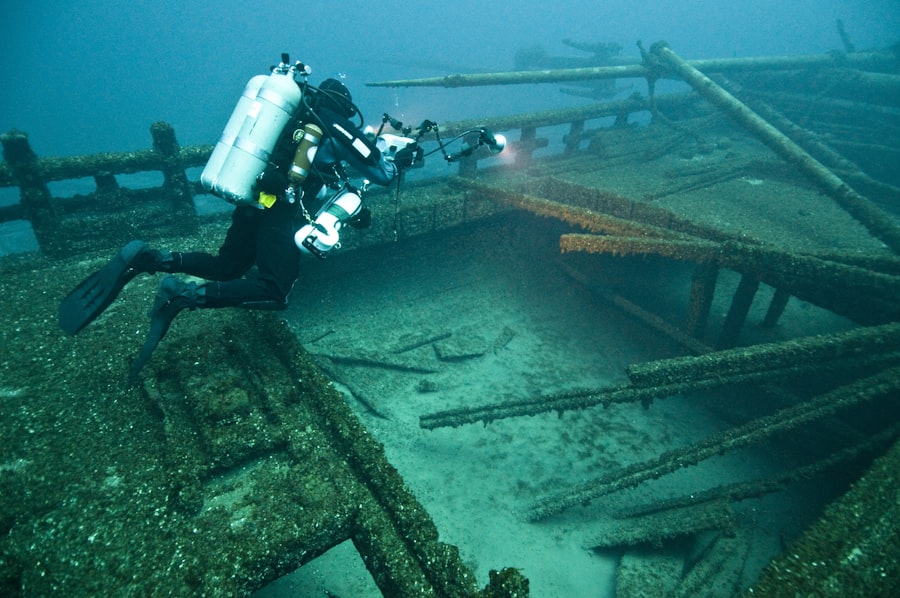
The hull of the Uluburun shipwreck, though largely disintegrated, nonetheless offers invaluable insights into the shipbuilding techniques and capabilities of the Late Bronze Age. The preserved timbers and the meticulous excavation process have allowed archaeologists to reconstruct a remarkably detailed picture of this ancient vessel.
The Dimensions and Design of the Uluburun Ship
Based on the scatter of timbers and the sheer volume of its cargo, archaeologists estimate the Uluburun ship to have been a substantial vessel, likely measuring around 15 meters in length. This was no small fishing boat; it was a considerable seafaring craft, capable of trans-Mediterranean voyages.
Mortise-and-Tenon Construction: A Hallmark of Ancient Shipbuilding
The primary construction technique employed in the Uluburun ship was the mortise-and-tenon system. This method involved interlocking planks of wood by carefully carved tenons fitting into corresponding mortises. This technique created a strong and flexible hull, capable of withstanding the stresses of seafaring. The robust interlocking of its timbers spoke of a deliberate design for enduring voyages.
The Absence of a Keel: A Shift in Shipbuilding Philosophy
Interestingly, the Uluburun shipwreck, like many other Bronze Age vessels discovered, appears to have lacked a prominent keel. This suggests a different approach to hull stability and construction compared to later shipbuilding traditions. The hull was built plank by plank, creating a resilient structure without the need for a central reinforcing keel.
The Tools of the Trade: Evidence of the Ship’s Operation
Beyond the ship’s structure, the excavation yielded a surprising array of tools and equipment that shed light on its operation and the lives of its crew. These finds offer a tangible connection to the individuals who sailed this vessel centuries ago.
Anchors and Ballast: Essential for Seafaring
Evidence of anchors, including stone anchors, and ballast stones were found, underscoring the practical necessities of seafaring. These were the grounding forces that kept the ship safe from the whims of the sea. The placement and type of these materials provided clues about the ship’s handling and its navigation.
Personal Effects: A Human Touch to the Wreck
Among the artifacts that resonate most deeply are the personal effects of the crew. These include items like copper razors, a cosmetic palette, and a collection of scarab seals, some bearing intricate inscriptions. These small, personal possessions offer a poignant glimpse into the daily lives of the sailors, humanizing the grand narrative of trade.
The Crew and Their Journey: A Glimpse into Bronze Age Life at Sea
The investigation of the Uluburun shipwreck extends beyond the inanimate cargo and the ship itself. The human element, the individuals who crewed this vessel and embarked on this fateful journey, is also brought to light through the meticulous analysis of the finds.
The Mixed Origins of the Crew
The skeletal remains discovered at the wreck site offered a sobering reminder of the human cost of maritime travel. Analysis of these remains revealed a diversity of origins, suggesting a multicultural crew. This is not surprising, as large trading vessels of the era would have drawn upon skilled mariners from various port cities and trading centers.
Evidence of Diverse Heritage
Through isotopic analysis of teeth and bones, archaeologists have been able to infer aspects of the crew members’ diets and geographic origins. This research has pointed towards individuals with backgrounds from different regions, including the Near East and possibly even the Aegean. This cosmopolitan nature of the crew mirrored the international nature of the cargo.
Daily Life on Board: The Mundane and the Extraordinary
The artifacts recovered provide tantalizing hints about the daily routines and experiences of the crew. While their lives were undoubtedly challenging, they were also filled with the routines and comforts that sustained them during long voyages.
Food and Drink: Sustenance for the Voyage
Evidence of foodstuffs, including preserved olives, figs, and acorns, indicates the provisions carried on board. The presence of Canaanite jars also points to the transportation of wine and oil, essential staples for any long-distance journey. These were the fuel that powered their passage.
Tools and Personal Items: A Reflection of Their Lives
As mentioned earlier, the discovery of personal items like razors and cosmetic palettes offers a window into grooming habits and personal care. The presence of gaming pieces, such as dice, suggests leisure activities undertaken during downtime. These humble objects speak volumes about their humanity.
The Uluburun shipwreck, discovered off the coast of Turkey, offers fascinating insights into Bronze Age trade networks and maritime practices. This ancient vessel, dating back to the 14th century BCE, was laden with a diverse cargo that included copper ingots, glass beads, and luxury items, highlighting the complexity of trade routes during that era. For those interested in exploring more about the intricacies of ancient trade and its impact on civilizations, a related article can be found here. This resource delves deeper into the significance of maritime commerce in shaping cultural exchanges across the Mediterranean.
The Uluburun Wreck: A Keystone in the Arch of Bronze Age Trade
| Metric | Details |
|---|---|
| Location | Near Uluburun, off the coast of Kaş, Turkey |
| Date | Late Bronze Age, circa 14th century BCE (circa 1300 BCE) |
| Ship Length | Approximately 15 meters |
| Cargo Weight | Approximately 10 tons |
| Key Cargo Items | Copper and tin ingots, glass beads, ivory, ebony, gold, silver, Canaanite jars, Mycenaean pottery |
| Number of Copper Ingots | Approximately 354 |
| Number of Tin Ingots | Approximately 121 |
| Trade Significance | Evidence of extensive Bronze Age trade networks connecting the Aegean, Near East, and Egypt |
| Discovery Year | 1982 |
| Excavation Duration | 1984-1994 |
The Uluburun shipwreck is not merely an isolated incident of maritime disaster; it is a crucial keystone, a foundational piece of evidence that has significantly reshaped our understanding of Late Bronze Age trade. Its unparalleled preservation and the sheer breadth of its cargo have provided a unique, almost cinematic, view of a complex and interconnected world.
Redrawing the Map of Bronze Age Trade Networks
The meticulous cataloging and analysis of the Uluburun’s cargo have allowed archaeologists to redraw the maps of Bronze Age trade routes. The diverse origins of the goods, from copper in Cyprus to tin potentially from further east, from glass in the Levant to ebony from Africa, demonstrate the vast reach of these networks. This shipwreck is a Rosetta Stone for understanding ancient commerce.
Eastern Mediterranean Connections
The prominent presence of Canaanite jars and other Levantine goods strongly suggests that the ship was either sailing from or trading extensively within the Eastern Mediterranean. The distribution of these items across the Aegean and beyond indicates established trade links between these regions.
The Far-Reaching Arm of Commerce
The inclusion of more exotic items, such as ebony wood from Africa, rhinoceros and hippopotamus teeth, and possibly even scarab seals from Egypt, highlights the indeed far-reaching capabilities of Bronze Age traders. These were not just regional exchanges; they were long-distance ventures that connected disparate cultures and economies.
A Window into Economic and Cultural Exchange
The Uluburun shipwreck offers profound insights not only into the movement of goods but also into the economic and cultural exchanges that accompanied them. The presence of luxury items alongside utilitarian goods suggests a complex economic system driven by both necessity and desire.
The Dynamics of Supply and Demand
The sheer quantity of certain commodities, like copper and tin, indicates their importance as bulk goods, the engine of the Bronze Age economy. The presence of finished products and luxury items speaks to the demand for prestige goods and the sophisticated craftsmanship that catered to it. The interaction of these forces created a dynamic marketplace.
The Slow Diffusion of Ideas and Innovations
Trade routes are not just pathways for goods; they are also conduits for ideas, technologies, and cultural practices. The Uluburun shipwreck serves as a tangible link in this chain of diffusion, offering evidence of the material culture that traveled alongside the merchants and mariners. The exchange of materials was often accompanied by the exchange of knowledge.
The Enduring Legacy of the Uluburun Wreck
The Uluburun shipwreck continues to be a focal point of research and fascination. Its ongoing study yields new insights and challenges existing theories, ensuring its place as one of the most significant archaeological discoveries of the 20th century. The knowledge gleaned from this sunken vessel is not a static artifact; it is a living, breathing chapter in the human story that continues to be written. Its legacy is a testament to the enduring power of human ingenuity and the boundless human spirit of exploration and exchange that has shaped our world for millennia.
SHOCKING: 50 Artifacts That Prove History Was Erased
FAQs
What is the Uluburun shipwreck?
The Uluburun shipwreck is a Late Bronze Age shipwreck discovered off the coast of Uluburun, near Kas in southwestern Turkey. It dates back to the 14th century BCE and is one of the oldest and most significant shipwrecks ever found, providing valuable insights into Bronze Age maritime trade.
What kinds of goods were found in the Uluburun shipwreck?
The shipwreck contained a diverse cargo including copper and tin ingots, glass beads, ivory, gold and silver jewelry, pottery, weapons, and raw materials such as ebony and resin. These items indicate extensive trade networks connecting various regions during the Bronze Age.
What does the Uluburun shipwreck tell us about Bronze Age trade?
The Uluburun shipwreck reveals that Bronze Age trade was highly complex and far-reaching, involving multiple cultures around the Mediterranean and Near East. It shows that raw materials and luxury goods were exchanged over long distances, highlighting early globalization and economic interdependence.
Where was the Uluburun shipwreck discovered and when?
The shipwreck was discovered in 1982 by a sponge diver off the coast of Uluburun, near Kas in Turkey. Subsequent underwater excavations were conducted over several years, uncovering the well-preserved remains and cargo of the ship.
Why is the Uluburun shipwreck important for archaeology?
The Uluburun shipwreck is important because it provides a rare, well-preserved snapshot of Bronze Age maritime trade and material culture. Its diverse cargo offers direct evidence of trade routes, economic relationships, and cultural exchanges during the Late Bronze Age, greatly enhancing our understanding of ancient civilizations.