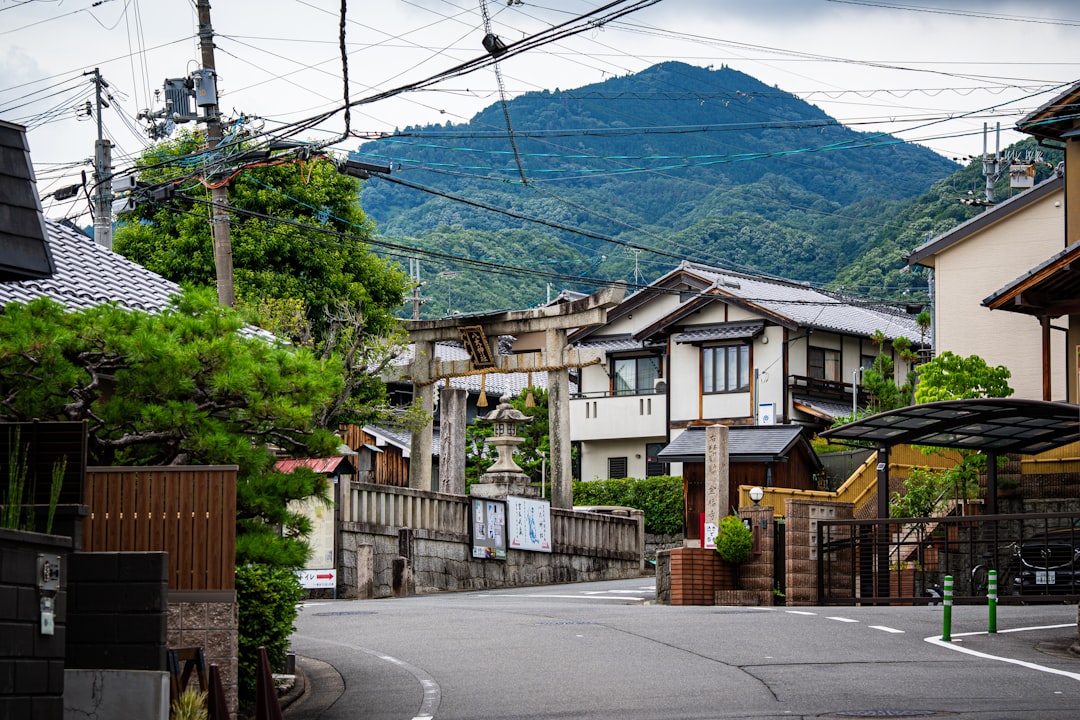
The phenomenon of vanishing towns, or shōmetsu shūraku (消滅集落), is an increasingly prevalent concern across Japan. As population decline and aging demographics grip the nation, once-bustling communities are left eerily silent, their streets devoid of activity and their homes falling into disrepair. This demographic shift, a slow-motion demographic earthquake, is reshaping the very fabric of rural Japan, leaving behind a landscape dotted with ghost towns and structural ruins.
Japan’s demographic landscape is characterized by a rapidly aging population and a persistently low birth rate, a combination that acts as a powerful erosive force on rural communities. This decline is not a sudden catastrophe but a prolonged process, akin to a slow geologic shift.
Aging Society and Low Birth Rates
The nation’s elderly population continues to grow, while the number of young people entering the workforce and establishing families dwindles. This demographic imbalance creates a feedback loop: fewer young people mean fewer potential parents, leading to even lower birth rates in the future. The median age in Japan is among the highest globally, a testament to this demographic reality. Rural areas are often the first to feel the brunt of this shift, as young people migrate to urban centers in search of educational and career opportunities.
Rural to Urban Migration
For decades, there has been a steady exodus from rural areas to major metropolitan hubs like Tokyo, Osaka, and Nagoya. This internal migration, a human tide flowing towards opportunity, strips smaller towns of their vitality. Young people, seeking modern conveniences, better job prospects, and a more dynamic social environment, leave their hometowns, often never to return. This selective migration drains rural areas of their most fertile demographic, leaving behind an increasingly elderly population.
Economic Stagnation in Rural Areas
Many rural towns in Japan have historically relied on industries such as agriculture, forestry, and fishing. These sectors have faced numerous challenges, including competition from foreign markets, declining demand for locally produced goods, and a lack of innovation. As these traditional industries falter, so too do the economic prospects of rural communities. The absence of diverse economic opportunities acts as a powerful deterrent for young professionals who might otherwise consider remaining in or returning to their hometowns.
In recent years, Japan has witnessed a troubling phenomenon of vanishing towns, characterized by empty streets and abandoned homes, as younger generations migrate to urban areas in search of better opportunities. This issue is not only a reflection of demographic changes but also highlights the challenges of rural depopulation. For a deeper understanding of this topic, you can read a related article that explores the implications of these deserted communities and the efforts being made to revitalize them. Check it out here: Japan’s Vanishing Towns: A Closer Look.
The Physical Manifestations of Emptiness: Ghost Towns Emerge
The demographic shifts are manifesting physically across the Japanese landscape. Towns that were once vibrant centers of community are now resembling forgotten relics, their structures slowly succumbing to the ravages of time and neglect.
Abandoned Homes and Infrastructure
Rows of empty houses, known as akiya (空き家), are a common sight in vanishing towns. These homes, once filled with families and activity, now stand vacant, their windows dark and their gardens overgrown. The sheer volume of these abandoned properties presents a significant challenge, as many are left to decay, creating eyesores and potential safety hazards. Public infrastructure, such as schools, hospitals, and community centers, also falls into disuse, often becoming desolate monuments to a bygone era.
Deterioration of Public Services
As populations decline, the economic rationale for maintaining robust public services diminishes. Schools merge or close entirely due to a lack of students, leaving children with lengthy commutes or forcing families to relocate. Healthcare facilities struggle to retain staff and resources, further challenging the elderly residents who remain. Public transportation routes are reduced or discontinued, isolating communities and making access to essential services even more difficult. The fabric of community support, once woven tightly, begins to unravel.
Loss of Local Businesses and Amenities
The departure of residents inevitably leads to the closure of local businesses. Shops, restaurants, post offices, and other essential services find it increasingly difficult to sustain themselves with a diminishing customer base. The closure of these establishments further diminishes the quality of life for remaining residents, creating a vicious cycle of decline. The vibrant commercial arteries of these towns become obstructed, then entirely blocked.
The Social and Cultural Ripple Effects: A Fading Heritage
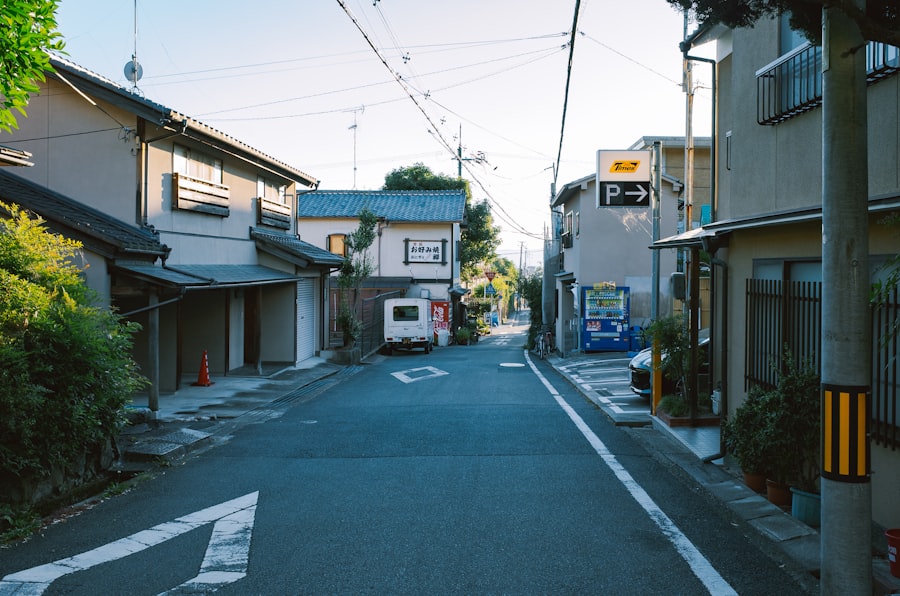
The vanishing of towns is not merely an economic or demographic issue; it carries profound social and cultural implications. The loss of these communities represents a chipping away at Japan’s diverse regional tapestry and the erosion of unique local traditions.
Erosion of Community Bonds
In traditional Japanese rural communities, strong social bonds and mutual support were integral to daily life. As these communities shrink, the social fabric weakens. Neighbors, once a readily available source of assistance and companionship, become fewer and farther between. The sense of collective responsibility and shared identity, which defined many of these towns, begins to dissipate, leaving individuals more isolated.
Disappearance of Local Traditions and Festivals
Many rural towns are custodians of unique local traditions, festivals (matsuri), and cultural practices that have been passed down through generations. These events often depend on community participation and the enthusiasm of younger generations to ensure their continuity. As the population declines and ages, the human infrastructure necessary to organize and perform these customs erodes. The vibrant colors and sounds of ancient festivals are gradually muted, then silenced, becoming only memories.
Psychological Impact on Remaining Residents
For the elderly residents who choose or are unable to leave, the experience of living in a vanishing town can be emotionally challenging. They witness the gradual decay of their surroundings, the departure of loved ones, and the decline of the community they have known their entire lives. This can lead to feelings of loneliness, isolation, and a sense of loss, a silent grief for what once was and what is no more.
Attempts at Revival: Resisting the Inevitable?
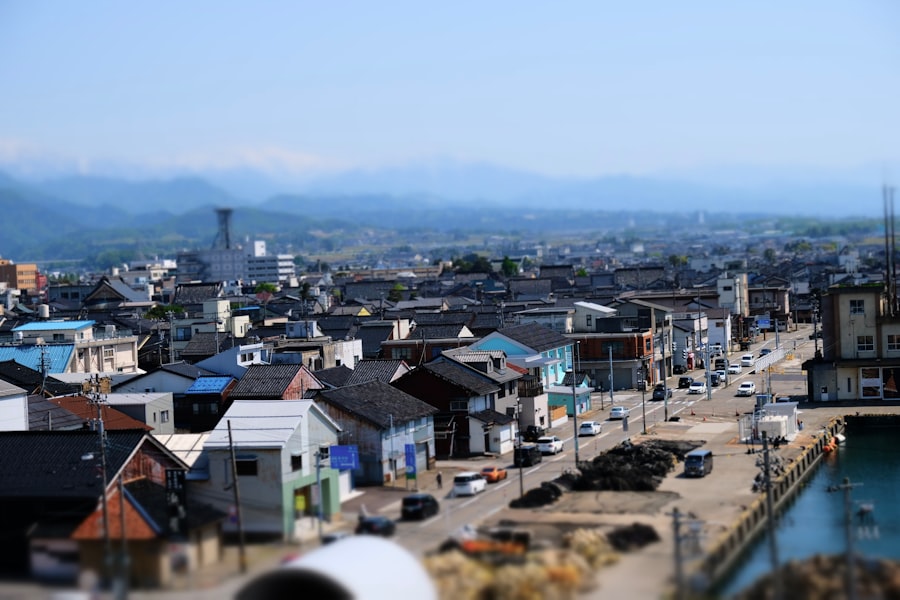
Faced with the stark reality of vanishing towns, local and national governments, alongside various community groups, have launched initiatives to counteract the decline. These efforts are often akin to bailing water from a leaky boat, but they represent a defiant stand against an overwhelming current.
Regional Revitalization Policies
The Japanese government has implemented various regional revitalization policies aimed at attracting people back to rural areas. These initiatives often include subsidies for new businesses, incentives for young families to relocate, and investments in local infrastructure and tourism. The goal is to create economic opportunities and improve the quality of life in these struggling regions.
Encouraging Inmigration and U-turn Migration
Programs like Chiiki Okoshi Kyōryoku-tai (地域おこし協力隊), or “Local Vitalization Cooperators,” aim to dispatch young urban residents to rural areas for fixed terms, where they work on projects designed to boost local economies and communities. There are also efforts to encourage U-turn migration, where individuals who left their hometowns for urban centers are encouraged to return later in life, bringing back skills and experience.
Leveraging Tourism and Unique Local Resources
Some towns have found success in re-branding themselves as tourist destinations, highlighting their natural beauty, historical sites, or unique cultural offerings. This approach seeks to inject external capital into the local economy and create new job opportunities. The preservation of distinctive local crafts, foods, and traditional architecture can also become a draw for visitors, transforming a potential weakness into a strength.
In recent years, Japan has witnessed a troubling trend of vanishing towns and empty streets, a phenomenon that reflects broader societal changes and demographic shifts. For a deeper understanding of this issue, you can explore a related article that delves into the factors contributing to this decline and the impact on local communities. The article provides insights into how aging populations and urban migration are reshaping the landscape of rural Japan. To read more about this pressing topic, visit this insightful article.
The Future of Japan’s Vanishing Towns: A Continuing Challenge
| Metric | Value | Notes |
|---|---|---|
| Number of Vanishing Towns | 1,000+ | Towns with rapidly declining populations |
| Population Decline Rate | 30-50% over 20 years | Average decline in rural areas |
| Percentage of Population Over 65 | 40% | In many rural towns |
| Empty Houses (Akiya) | 8.5 million | Estimated nationwide |
| Average Household Size | 1.9 persons | Smaller in rural depopulated areas |
| Number of Schools Closed | Over 1,000 (last 20 years) | Due to declining child population |
| Percentage of Empty Streets | Varies, up to 70% | During daytime in some towns |
| Government Revitalization Budget | Significant but limited | Efforts to attract residents and tourists |
Despite the various efforts at revitalization, the underlying demographic trends present a formidable challenge. The future of many vanishing towns remains uncertain, a stark reminder of the broader demographic crisis facing Japan.
The Scale of the Problem
The sheer number of towns facing significant decline is staggering. Even with successful revitalization efforts in specific areas, the pervasive nature of the problem means that a complete reversal of the trend is improbable. The demographic shifts are a force of nature, slow but inexorable.
Balancing Preservation and Adaption
As some towns inevitably decline, questions arise regarding the responsible management of their abandonment. This includes addressing the issue of dilapidated akiya, ensuring the safety of remaining structures, and considering how to honor the memory and history of these places. There is a delicate balance between preserving what remains and adapting to the new reality.
Broader Implications for National Identity
The disappearance of rural communities has broader implications for Japan’s national identity. These towns collectively represent a significant portion of the nation’s cultural heritage and traditional way of life. Their loss is not just a statistical anomaly but a profound alteration of the national narrative, a fading snapshot of what Japan once was. The silent streets of these towns whisper tales of a changing nation, a future that requires careful consideration and pragmatic adaptation.
FAQs
What causes the phenomenon of vanishing towns in Japan?
The primary causes include a declining birthrate, aging population, and urban migration. Younger generations move to cities for better job opportunities, leaving rural towns with shrinking populations.
How widespread is the issue of empty streets in Japanese towns?
This issue affects many rural areas across Japan, particularly in regions far from major urban centers. Some towns have seen population declines of over 50% in recent decades.
What are the social impacts of depopulation on these towns?
Depopulation leads to reduced local services, school closures, abandoned homes, and a loss of community vitality. It also challenges local economies and infrastructure maintenance.
Are there any government initiatives to address the problem?
Yes, the Japanese government has implemented policies to revitalize rural areas, including financial incentives for relocation, support for local businesses, and promotion of tourism.
What future trends are expected regarding Japan’s vanishing towns?
Without significant intervention, many rural towns may continue to shrink or disappear. However, efforts to promote remote work and regional development could help stabilize or reverse some declines.