
The densest human corridor concentrations, those serpentine ribbons of human settlement that snake across landscapes, are not accidental geological features. They are the culmination of a complex interplay of geographical advantages, historical momentum, economic opportunity, and technological evolution. Understanding why these corridors form requires dissecting the forces that draw people together in such concentrated, linear patterns. They are the highways of humanity, etched onto the Earth’s surface by the relentless flow of people, goods, and ideas.
The initial formation of human corridors is deeply rooted in the foundational elements of geography. These natural conduits often served as the earliest arteries for human movement, trade, and settlement, laying down the blueprint for subsequent development.
Rivers: Lifelines of Ancient Civilizations
Waterways as Arteries and Arteries of Life
Rivers have historically been the primary arteries of human civilization. Their consistent flow provided a vital source of freshwater for drinking, agriculture, and sanitation, essential for any burgeoning settlement. The fertility of the alluvial plains surrounding rivers, enriched by centuries of sediment deposition, made them prime locations for agriculture, the bedrock of settled societies. Imagine a river as a vast, slow-moving conveyor belt, carrying nutrients and life-giving water, making the land around it a fertile breeding ground for human communities.
Navigation and Transportation: Natural Highways
Beyond sustenance, rivers offered the most efficient means of transportation in the pre-industrial era. Boats and rafts could traverse much greater distances and carry heavier loads than humans walking overland. This ease of movement facilitated trade, the exchange of ideas, and the expansion of influence. Coastal areas and river deltas, where these arteries met the sea, often became hubs of commercial activity, drawing in more people and further solidifying their importance. The Rhine, the Seine, the Nile – these are not just geographical features; they are ancient highways that shaped the contours of empires and economies.
Topographical Constraints: Natural Bottlenecks and Connectors
The physical landscape itself played a critical role in directing human movement and concentrating populations. Mountain ranges, vast deserts, and dense forests acted as formidable barriers, forcing travelers and settlers into pre-existing, more accessible routes. These natural chokepoints, where terrain allowed for passage, became focal points for settlement.
Valleys and Passes: Bridging the Gaps
Mountainous regions often feature fertile valleys and strategic passes that served as natural connectors between otherwise isolated areas. These points of easier passage would inevitably attract early settlements and become crucial nodes in regional trade networks. The geographical necessity of traversing these points meant that communities would naturally coalesce around them, creating linear settlements that followed the contours of the terrain. Think of mountain passes as the vital stitches holding together the fabric of a landscape, creating pathways where none seemed to exist.
Coastal Plains and Deltas: Junctions of Land and Sea
Coastal plains and river deltas, where rivers meet the sea, represent a confluence of advantageous geographical features. They offer access to both inland resources and maritime trade routes, creating powerful magnets for human settlement. These areas are often characterized by flat, fertile land suitable for agriculture and are naturally predisposed to the development of ports and harbors, further enhancing their economic importance.
The phenomenon of densely populated human corridors can be attributed to various socio-economic factors, including urbanization, migration patterns, and infrastructure development. For a deeper understanding of these dynamics, you can explore the article on this topic at Real Lore and Order, which delves into the reasons behind the concentration of populations in specific areas and the implications for urban planning and social interactions.
The Pull of the Plow: Agricultural Foundations of Settlement
The capacity of the land to sustain human life through agriculture has always been a primary driver of population density. Areas offering fertile soil, reliable water sources, and favorable climates became the cradles of early agriculture and, consequently, dense human settlements.
Fertile Soils: The Gift of Sustenance
The existence of rich, arable land is fundamental to supporting a large population. Historically, communities gravitated towards areas with soils conducive to crop cultivation. This often meant alluvial plains, volcanic soils, or areas with ample organic matter. These fertile grounds, like the promised land of ancient myths, beckoned settlers with the prospect of reliable food production, the most basic requirement for survival and growth.
Water Availability: The Lifeblood of Agriculture
Beyond soil fertility, access to water is paramount for agriculture. This includes rainfall patterns and the proximity of freshwater sources like rivers, lakes, and springs. Regions with consistent and adequate water supplies could support more intensive farming practices, leading to higher population densities. The careful husbandry of water, whether through irrigation or reliance on robust rainfall, has been a constant theme in the history of dense human settlements.
Climate: The Enabling Environs
Favorable climatic conditions, such as moderate temperatures and predictable seasons, are also crucial for agricultural success. Extreme climates, whether scorching heat or prolonged freezing, pose significant challenges to farming and limit the potential for large-scale settlement. Regions with a temperate, life-sustaining climate, much like a gentle hand guiding growth, allowed agriculture to flourish.
The Magnet of Commerce: Economic Imperatives
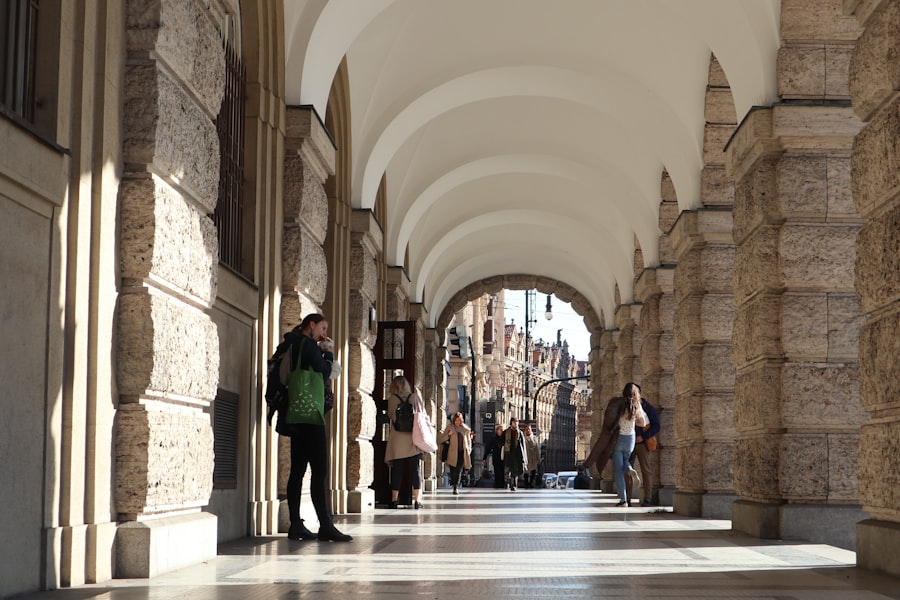
As societies developed, economic factors became increasingly significant in shaping human corridor concentrations. The flow of goods, the concentration of markets, and the promise of economic opportunity acted as powerful attractors, pulling people into specific linear arrangements.
Trade Routes: The Arteries of Exchange
Historically, the densest human corridors often developed along established trade routes. These routes, whether overland or maritime, facilitated the exchange of goods and services, creating economic hubs at points of convergence and along their paths. The Silk Road, the spice routes, and the trans-Atlantic trade routes are prime examples of how commerce etched these pathways onto the world. Imagine trade routes as the nervous system of ancient economies, carrying essential resources and economic vitality.
Market Centers: Hubs of Activity
The development of market towns and cities along these trade routes was a natural consequence. These centers concentrated economic activity, attracting merchants, artisans, and laborers. Their existence fueled further growth, creating a symbiotic relationship where the route supported the market, and the market, in turn, amplified the importance of the route.
Resource Extraction: Proximity to Raw Materials
Proximity to valuable natural resources has also been a significant driver of human concentration. Areas rich in minerals, timber, or other raw materials often saw the development of settlements and infrastructure to support their extraction and transport. This can lead to concentrated settlements focused around mines, logging camps, or other resource extraction sites. The allure of readily available wealth, in the form of gold, iron, or other precious commodities, drew people and communities to the source.
The Imperative of Connection: Infrastructure and Accessibility
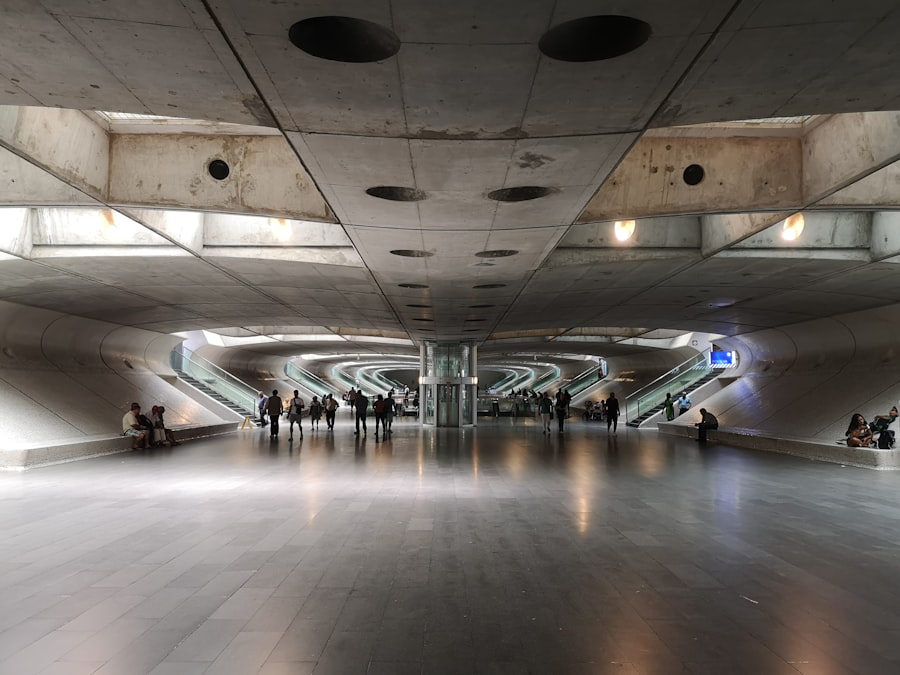
The development and expansion of human corridors are intrinsically linked to the evolution of infrastructure. As technology advanced, the ability to overcome geographical barriers and facilitate movement increased, solidifying and extending these linear settlements.
Roads and Railways: The Engineered Connectors
The construction of roads and, later, railways, transformed human movement and settlement patterns. These engineered pathways allowed for more efficient and faster transportation of people and goods, often following or reinforcing existing natural corridors. The advent of the railway, in particular, was a game-changer, allowing for the development of settlements in previously inaccessible areas and fundamentally reshaping landscapes. These are the skeletal structures that provide strength and definition to the flowing form of human habitation.
Canals and Waterways: Enhancing Navigability
In addition to natural rivers, the construction of canals further enhanced the significance of water-based transportation. These artificial waterways connected existing river systems, created new trade routes, and allowed for the efficient movement of bulk goods, further concentrating settlements around their channels. The Suez Canal and the Panama Canal are not just engineering marvels; they are vital arteries that have profoundly influenced global trade and settlement patterns.
Urban Sprawl and Connectivity: The Modern Evolution
In contemporary times, the influence of infrastructure continues to be paramount. Urban sprawl, often characterized by linear growth along major highways and transportation networks, demonstrates the ongoing impact of connectivity. The ease of access to urban centers and employment hubs dictates where people choose to live, often leading to the elongation of commuting corridors.
The phenomenon of densely populated human corridors can be attributed to various factors, including urban planning, economic opportunities, and social interactions. For a deeper understanding of these dynamics, you can explore a related article that delves into the reasons behind this concentration of people. The article provides insights into how cities develop and why certain areas become hubs of activity. If you’re interested in learning more, check out this informative piece on urban density and its implications.
The Social Tapestry: Human Factors in Concentration
| Reason | Description | Example Locations | Impact on Human Corridor Density |
|---|---|---|---|
| Urbanization | High concentration of people living and working in cities leads to dense pedestrian and vehicular corridors. | New York City, Tokyo, Mumbai | Very High |
| Economic Activity | Areas with significant commercial and industrial activities attract large numbers of commuters and workers. | London Financial District, Shanghai Pudong | High |
| Transportation Hubs | Locations with major airports, train stations, and bus terminals concentrate human movement. | Grand Central Terminal (NYC), Shinjuku Station (Tokyo) | High |
| Tourism | Popular tourist destinations experience seasonal or constant high foot traffic. | Times Square (NYC), Eiffel Tower (Paris) | Moderate to High |
| Geographical Constraints | Natural features like rivers, mountains, or coastlines funnel human movement into narrow corridors. | Hong Kong Island, San Francisco Peninsula | Moderate |
| Infrastructure Design | Urban planning and road network design can concentrate or disperse human corridors. | Manhattan Grid, Venice Canals | Variable |
Beyond purely geographical and economic drivers, human factors – social structures, political decisions, and demographic trends – have also contributed to the formation and persistence of dense human corridors.
Historical Precedence: The Path of Least Resistance
Once established, human corridors often retain their importance due to historical precedence. Communities and infrastructure tend to develop along existing pathways simply because it is the most practical and cost-effective option. The inertia of established routes means that new development often follows the lines of least resistance, reinforcing the linearity of these settlements. Think of it as a well-worn path in a forest; people instinctively follow the easiest route.
Political Boundaries and Administrative Centers
Political decisions and administrative structures can also influence the formation of human corridors. The establishment of capitals, border towns, and administrative centers often dictates where populations gather and how infrastructure is developed, leading to linear patterns of settlement that follow these political divisions or connect these centers.
Population Growth and Migration: The Constant Flow
Ongoing population growth and migration patterns play a crucial role in both the formation and expansion of human corridors. As populations increase, the demand for resources and space grows, leading to the extension of existing settlements along accessible routes. Migration, whether driven by economic opportunity or displacement, further reinforces these corridors as people move along established pathways. The ebb and flow of humanity, like a tide, seeks out the most advantageous shores, which are often found along these historical arteries.
In conclusion, the densest human corridor concentrations are testament to the intricate dance between geography, history, economics, and human agency. They are the visible manifestations of a continuous process of adaptation and development, sculpted by the fundamental needs and aspirations of humanity. Understanding these forces allows us to appreciate the complex origins of the human landscapes that surround us, recognizing them not as mere lines on a map, but as dynamic arteries pulsing with the lifeblood of human civilization.
FAQs
What are the densest human corridors in the world?
The densest human corridors are regions with extremely high population densities, often found in urban areas or along major transportation routes. Examples include the corridor stretching from the Indo-Gangetic Plain in India and Bangladesh, the Nile River Valley in Egypt, and the Pearl River Delta in China.
What factors contribute to the high population density in these corridors?
Several factors contribute to dense human corridors, including fertile land for agriculture, availability of water resources, economic opportunities, historical settlement patterns, and transportation infrastructure that supports trade and mobility.
How does geography influence the concentration of populations in these corridors?
Geography plays a crucial role by providing natural resources such as rivers and fertile plains that support agriculture and human settlement. Additionally, natural barriers like mountains or deserts can funnel populations into narrower corridors where conditions are more favorable.
What economic reasons lead to the formation of dense human corridors?
Economic reasons include the presence of industrial hubs, trade routes, and urban centers that offer employment and business opportunities. These attract people from rural areas, leading to urbanization and increased population density along these corridors.
Are there environmental challenges associated with dense human corridors?
Yes, dense human corridors often face challenges such as pollution, resource depletion, waste management issues, and strain on infrastructure and public services. Managing these challenges requires sustainable urban planning and environmental conservation efforts.