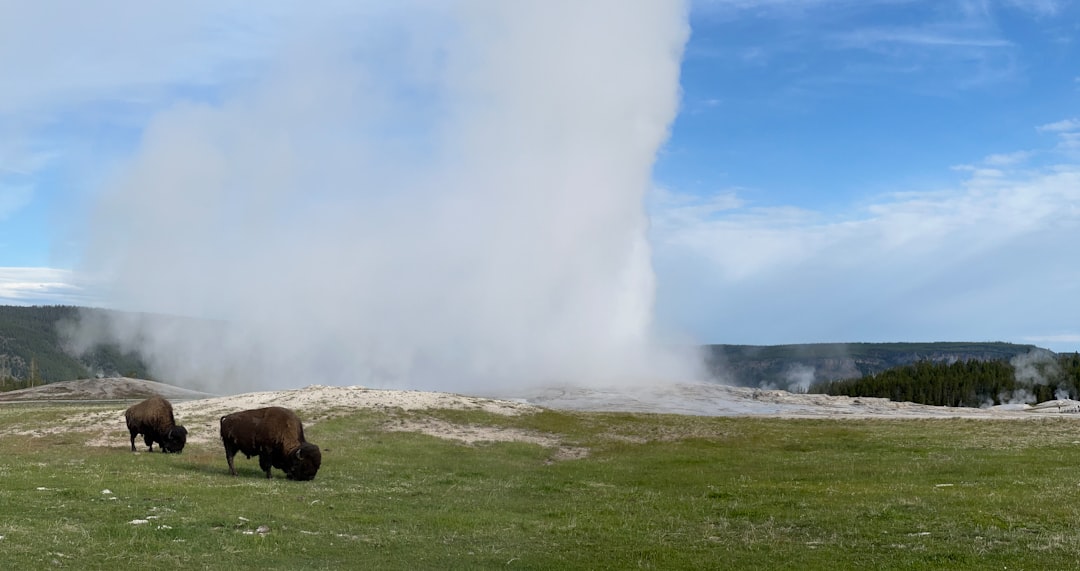
Yellowstone’s Impact on Future Civilization
The Yellowstone Caldera, a colossal geological feature nestled within Yellowstone National Park, stands as a potent symbol of Earth’s dynamic interior. While its immediate impact is felt through the park’s geothermal wonders and dramatic landscapes, the long-term implications of this supervolcano extend far beyond its immediate vicinity, casting a long shadow that could profoundly influence the trajectory of future human civilization. Understanding Yellowstone’s potential, both in its quiescent state and in the unlikely event of a catastrophic eruption, is crucial for anticipating and potentially mitigating its future consequences. This article will explore the multifaceted ways in which Yellowstone, as a prime example of a supervolcanic system, can shape the course of human civilization, from direct climatic impacts to the subtle, yet persistent, influence of geological processes on societal development.
The most dramatic and widely discussed potential impact of Yellowstone on future civilization stems from the possibility of a supervolcanic eruption. While statistically improbable within any given human lifespan, the geological record clearly demonstrates that such events have occurred in Yellowstone’s past, and will likely occur again. The scale of such an event would dwarf any volcanic eruption witnessed in recorded human history, rendering it a civilization-altering catastrophe.
The Immediate Cataclysm: Ash, Lava, and Pyroclastic Flows
Should Yellowstone erupt as a supervolcano, the immediate aftermath would be devastating to a vast regional area. Pyroclastic flows, superheated avalanches of gas and volcanic debris, would incinerate everything in their path for hundreds of miles. Lava flows, though slower moving, would engulf landscapes and destroy infrastructure. However, the sheer volume of ash ejected into the atmosphere would pose the most significant global threat.
The Global Ash Blanket: A New Dark Age
The dispersal of volcanic ash from a Yellowstone eruption would be unlike anything modern civilization has experienced. Estimates suggest that ash could blanket an area the size of a continent, potentially reaching thousands of miles from the caldera. This ash would not be a mere nuisance; it would be a suffocating blanket.
Stratospheric Aerosols and Solar Insolation Reduction
A significant portion of the ash and sulfur dioxide injected into the stratosphere would form sulfate aerosols. These microscopic particles would reflect incoming solar radiation back into space, leading to a phenomenon known as volcanic winter. The Earth’s average temperature could drop dramatically, potentially by several degrees Celsius over a period of years to decades. This global cooling would be a severe shock to agricultural systems worldwide.
Impact on Food Production and Global Famine
The reduced sunlight and colder temperatures would cripple agriculture. Photosynthesis, the engine of most terrestrial food webs, would be severely hampered. Crop yields would plummet, and many staple crops would fail to mature. Livestock would suffer from reduced grazing land and increased cold. The consequent widespread crop failures would undoubtedly lead to mass starvation and unprecedented global famine. Societies that rely heavily on rain-fed agriculture would be particularly vulnerable. The delicate balance of food production, a cornerstone of civilization’s stability, would be shattered.
Air Travel Disruption and Global Trade Collapse
The fine ash particles, even at lower concentrations, are highly abrasive and dangerous to aircraft engines. A supereruption would render air travel impossible for years, effectively grounding the world’s fleets. This would bring the global transportation of goods and people to a standstill, causing a collapse in international trade and supply chains. The interconnectedness that defines modern civilization would be severely strained, if not utterly broken. The flow of vital resources, medicines, and even information would be drastically curtailed.
Long-Term Environmental and Societal Repercussions
Beyond the immediate shock, the lingering effects of a supereruption would reshape the planet and human society for generations.
Climate Reset and Ecological Shifts
The long-term cooling and the composition of the atmosphere would fundamentally alter ecosystems. Habitats would shift, species populations would be decimated, and the biodiversity of the planet would be drastically reduced. Surviving flora and fauna would likely be those adapted to colder, harsher conditions. Humanity’s relationship with the natural world would be irrevocably changed, forcing a reassessment of our place within the surviving biosphere.
Geomagnetic Field Perturbations and Technological Reliance
While less substantiated than the climatic impacts, some theories suggest that massive volcanic events could potentially influence Earth’s magnetic field. A prolonged weakening or shift in the magnetic field would have dire consequences for our increasingly technology-dependent civilization. Increased exposure to solar and cosmic radiation could disrupt electronic systems, damage satellites, and pose health risks to humans and other life forms. Reliance on technologies vulnerable to such shifts would become a significant Achilles’ heel.
In light of the recent discussions surrounding the future of Yellowstone and its potential impact on civilization, an insightful article titled “Yellowstone: A Civilization Forecast” can be found on the Real Lore and Order website. This piece delves into the geological and environmental implications of the Yellowstone supervolcano, exploring how its activity could reshape societal structures and influence global dynamics. For a deeper understanding of these critical issues, you can read the article here: Yellowstone: A Civilization Forecast.
The Unseen Architect: Yellowstone’s Subtle Geological Influence
Beyond the dramatic hypothetical of an eruption, the ongoing geological processes within the Yellowstone Caldera exert a continuous, albeit less conspicuous, influence on the region and, by extension, human civilization. These forces, while not posing an immediate existential threat, contribute to the environmental tapestry that shapes human endeavors.
Geothermal Energy: A Potential Boon for Sustainable Development
Yellowstone’s supervolcano is the engine for one of the planet’s most extensive geothermal systems. This vast underground heat reservoir represents a significant, untapped source of clean energy that could contribute to future civilization’s energy needs.
Harnessing the Earth’s Inner Fire: Geothermal Power Potential
The heat radiating from the magma chambers beneath Yellowstone can be harnessed through geothermal power plants. While the park itself is protected from extensive drilling and exploitation, the surrounding regions could potentially benefit from this resource. As fossil fuel reserves dwindle and the urgency of climate change intensifies, geothermal energy offers a consistent and renewable power source.
Challenges of Geothermal Development: Environmental Concerns and Location Constraints
However, the development of geothermal energy is not without its challenges. Concerns regarding seismic activity induced by drilling, potential groundwater contamination, and the localized environmental impact of power plant construction must be carefully considered. Furthermore, the most significant geothermal resources are often located in seismically active and geologically sensitive areas, like Yellowstone, which come with inherent risks. The proximity of these resources to population centers, or lack thereof, also dictates their practical utility.
Hydrothermal Features and Mineral Resources: Shaping Landscapes and Economies
The park’s numerous hot springs, geysers, and mud pots are not merely tourist attractions; they are manifestations of a powerful geological engine that has shaped the landscape and, historically, influenced human settlement and resource utilization.
Unique Ecosystems and Biodiversity Hotspots
The mineral-rich waters and unique temperature gradients of Yellowstone’s hydrothermal areas support specialized ecosystems. These unique environments harbor endemic species of bacteria, archaea, and other microorganisms that have adapted to extreme conditions. Studying these extremophiles has yielded insights into the origins of life and has led to the development of novel enzymes used in biotechnology and industrial processes. Future civilizations could continue to benefit from these biological discoveries.
The Economic Lure of Mineral Wealth: A Double-Edged Sword
Historically, areas with significant geothermal activity have often been associated with mineral deposits, such as sulfur. While the direct economic extraction of minerals within Yellowstone National Park is prohibited, the broader geological context of the region has been a draw for human activity and resource exploration throughout history. As resources become scarcer, the potential for future civilizations to re-evaluate and carefully exploit more remote or geologically active areas for mineral extraction, albeit with strict environmental safeguards, could emerge. The temptation to exploit geological wealth, however, often comes with significant environmental costs.
The Unseen Water Cycle: Yellowstone’s Hydrological Significance
Yellowstone is the headwaters for major river systems that flow across the western United States. The health and stability of these water sources are vital for agriculture, industry, and human consumption, making the caldera an unsung architect of regional hydrological stability.
Sustaining Western Water Resources: Rivers Born from the Caldera
Major rivers like the Yellowstone, Snake, and Missouri originate within or are fed by precipitation that falls on the Yellowstone Plateau. The caldera’s topography and geology influence the way water is stored, filtered, and released, acting as a natural reservoir and regulator of water flow.
Impact of Climate Change on Meltwater and Runoff
Future civilizations will grapple with the growing impacts of climate change. Changes in snowfall patterns and the timing of snowmelt originating from the Yellowstone region will directly affect the availability of water for millions of people downstream. Droughts or excessive flooding, exacerbated by these changes, can lead to significant societal disruption, impacting agriculture, energy production, and urban water supplies. The predictable rhythms of nature, so long taken for granted, are becoming increasingly erratic.
Yellowstone as a Microcosm: Lessons in Resilience and Adaptation

Regardless of whether a catastrophic eruption occurs, Yellowstone serves as a powerful study in resilience and adaptation. The geological processes constantly reshaping the park, from tectonic uplift to the slow movement of magma, offer profound lessons for how societies can navigate environmental change and uncertainty.
The Cycle of Destruction and Creation: A Geological Metaphor for Societal Change
Volcanic eruptions, though destructive, are also agents of creation. They bring new landforms, fertilize soils, and fundamentally alter landscapes, paving the way for new life. This cyclical process mirrors the challenges and opportunities faced by human civilization. Societies must learn to adapt to disruption, to rebuild after setbacks, and to harness change for progress.
Learning from Ecological Succession in Geologically Active Areas
The rapid ecological succession that occurs in areas affected by volcanic activity, where life reclaims barren landscapes, offers a compelling metaphor for post-disaster recovery. Future civilizations facing widespread environmental damage could draw inspiration and practical knowledge from observing how life re-establishes itself in such challenging conditions.
Understanding Natural Hazards and Building Resilient Infrastructure
The observable hazards associated with the Yellowstone caldera – earthquakes, hydrothermal explosions, and the ever-present threat of a supereruption – provide a critical testing ground for understanding and mitigating natural disasters.
Proactive Hazard Assessment and Mitigation Strategies
The ongoing monitoring and research at Yellowstone have advanced our understanding of volcanic and seismic hazards. Future civilizations can build upon this knowledge to develop more sophisticated hazard assessment tools and implement proactive mitigation strategies for a wide range of natural disasters, not just those directly related to supervolcanoes. This includes developing early warning systems and designing infrastructure that can withstand extreme environmental conditions.
The Importance of Decentralization and Redundancy in Critical Systems
The potential vulnerability of centralized infrastructure to a large-scale natural disaster, as highlighted by the risks associated with Yellowstone, underscores the importance of decentralized systems and redundancy in critical services like power grids, communication networks, and food supply chains. This lesson, imprinted by the sheer scale of potential Yellowstone-related destruction, may shape the resilience of future societies.
The Shadow of the Supervolcano: Shaping Long-Term Human Strategy
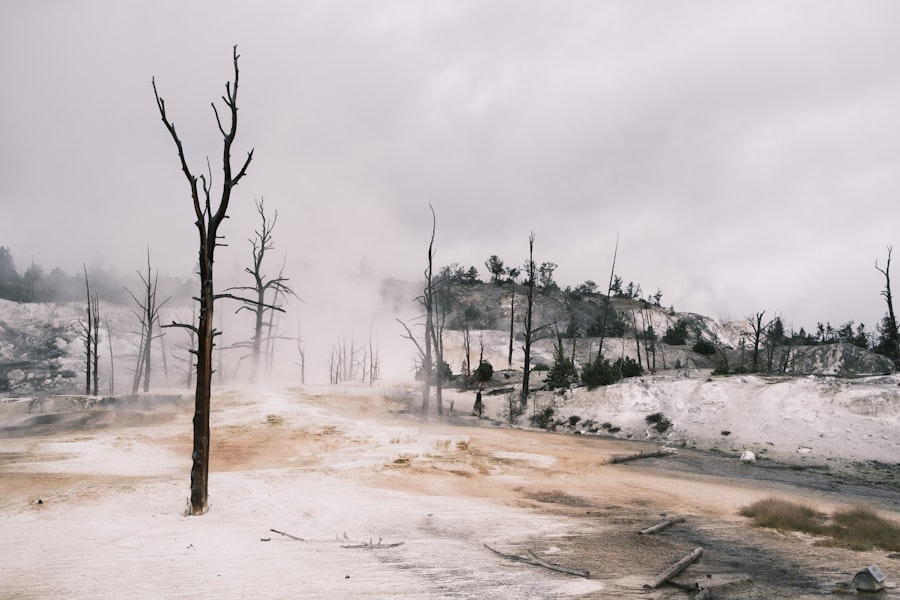
The existence of supervolcanoes like Yellowstone compels humanity to think beyond immediate challenges and consider long-term planetary survival. The immense power represented by these geological features forces a sober reflection on our place within the Earth’s systems.
Global Cooperation and Risk Management
A supereruption would be a global event, requiring an unprecedented level of international cooperation to manage the crisis. The planning and infrastructure necessary to address such a scenario, however unlikely, would necessitate the development of robust global governance mechanisms and collaborative risk management frameworks.
Establishing Global Monitoring and Early Warning Systems
The lessons learned from monitoring Yellowstone could be extrapolated to establish comprehensive global monitoring networks for all major geological hazards. These systems, coupled with effective early warning protocols, could save countless lives and mitigate widespread damage in the event of future catastrophic events.
Resource Allocation and Post-Disaster Reconstruction Planning
The immense scale of potential destruction from a supereruption would demand careful planning for resource allocation and post-disaster reconstruction. This would involve stockpiling essential supplies, developing international aid protocols, and formulating strategies for long-term societal rebuilding, perhaps even including plans for relocating populations from highly vulnerable areas.
The Philosophical Shift: Humility in the Face of Earth’s Power
Perhaps the most profound, yet intangible, impact of Yellowstone on future civilization lies in its ability to instill a sense of humility. The sheer scale of geological forces is a stark reminder of humanity’s relative fragility and the limitations of our control over the natural world.
Re-evaluating Humanity’s Relationship with Nature
The contemplation of Yellowstone’s potential underscores the need for a fundamental shift in humanity’s relationship with nature. Instead of viewing the Earth solely as a resource to be exploited, future civilizations may increasingly see themselves as stewards, deeply interconnected with the planet’s complex and powerful systems. This philosophical evolution could drive more sustainable practices and a greater respect for ecological balance.
The Long View: Intergenerational Responsibility and Planetary Stewardship
The long-term implications of Yellowstone’s geological processes, spanning millennia, encourage a perspective of intergenerational responsibility. Decisions made by current and future societies will have ramifications that extend far beyond their immediate lifetimes. This awareness can foster a stronger sense of duty towards preserving the planet for future generations, akin to tending a garden that will be inherited by descendants unseen.
In exploring the potential impacts of a Yellowstone eruption on modern society, it is fascinating to consider how such a catastrophic event could reshape civilization as we know it. A related article delves into these themes, providing insights into the various scenarios that could unfold in the aftermath of such a disaster. For a deeper understanding of the implications and forecasts surrounding this topic, you can read more in the article found here. The discussion highlights not only the immediate effects but also the long-term changes that could redefine human existence in the face of natural calamities.
Conclusion: Yellowstone, a Constant Reminder of Earth’s Immense Power
| Metric | Value | Description |
|---|---|---|
| Volcanic Eruption Probability | 0.00014% | Annual chance of a major Yellowstone supereruption |
| Global Temperature Increase | 3-5°C | Estimated temperature rise following a supereruption |
| Population Impacted | Millions | Number of people directly affected by ashfall and climate changes |
| Agricultural Decline | 30-50% | Estimated reduction in global crop yields post-eruption |
| Recovery Time | 10-20 years | Estimated time for ecosystems and climate to stabilize |
| Civilization Disruption Index | High | Level of societal and economic disruption forecasted |
Yellowstone, in its quiescent grandeur and its latent potential for overwhelming power, serves as a constant reminder of the immense forces that shape our planet. While the immediate concerns of daily life often overshadow such grand geological narratives, the long-term impact of this supervolcano on future civilization is undeniable. From the direct threat of a catastrophic eruption and its ensuing climatic and societal collapse, to the more subtle influences of geothermal energy, hydrological systems, and the enduring lessons of resilience, Yellowstone is inextricably linked to the future of humanity. Understanding and respecting these geological realities is not merely an academic exercise; it is a crucial step in ensuring that future civilizations can navigate the challenges and embrace the opportunities presented by a dynamic and powerful Earth. The shadow of the supervolcano, cast across the eons, compels us to think critically about our preparedness, our adaptability, and our fundamental relationship with the planet we inhabit.
FAQs
What is the Yellowstone rewrite civilization forecast?
The Yellowstone rewrite civilization forecast is a scientific projection that examines the potential impacts of a major eruption of the Yellowstone supervolcano on human civilization and the environment.
How likely is a Yellowstone supervolcano eruption in the near future?
Current geological studies indicate that a supereruption at Yellowstone is highly unlikely in the near future. The volcano has erupted roughly every 600,000 to 800,000 years, and the last major eruption occurred about 640,000 years ago.
What are the potential global effects of a Yellowstone supervolcano eruption?
A major eruption could release vast amounts of ash and gases into the atmosphere, potentially causing significant climate cooling, disruption of agriculture, widespread ashfall, and severe impacts on air travel and infrastructure worldwide.
How do scientists monitor Yellowstone for signs of volcanic activity?
Scientists use a combination of seismic monitoring, ground deformation measurements, gas emissions analysis, and satellite imagery to track changes in the Yellowstone volcanic system and detect any signs of increased activity.
Can human civilization recover from a Yellowstone supervolcano eruption?
While a supereruption would cause severe short-term disruptions, human civilization has shown resilience to past natural disasters. Recovery would depend on the scale of the eruption, preparedness, and global cooperation to manage food supplies, health, and infrastructure rebuilding.