
Lost ancient technology has long captivated the imagination of historians, archaeologists, and enthusiasts alike. The remnants of civilizations that once thrived on Earth often hint at advanced knowledge and skills that have since been forgotten or obscured by time. From the monumental structures of the Egyptians to the intricate water systems of the Romans, these technologies not only reflect the ingenuity of their creators but also raise questions about the extent of human capability in the distant past.
The allure of lost ancient technology lies in its potential to reshape our understanding of history and the evolution of human civilization. As researchers delve deeper into the past, they uncover evidence that suggests many ancient societies possessed sophisticated technologies that rival or even surpass some modern innovations. This exploration is not merely an academic pursuit; it is a journey into the very essence of human achievement.
The quest to understand these lost technologies can illuminate the paths taken by our ancestors and provide insights into how they adapted to their environments, solved complex problems, and built enduring legacies.
Key Takeaways
- Lost ancient technology holds the key to understanding the advanced knowledge and skills of ancient civilizations.
- The quest for uncovering ancient technology involves exploring historical texts, artifacts, and archaeological sites.
- The discovery of ancient artifacts such as advanced tools and machinery provides valuable insights into the technological capabilities of ancient societies.
- Archaeologists and historians play a crucial role in studying and interpreting ancient technology to shed light on the past.
- Ancient technology continues to influence modern society, inspiring innovation and shaping cultural and societal norms.
The Quest for Uncovering Ancient Technology
The quest for uncovering ancient technology is a multifaceted endeavor that combines archaeology, anthropology, and historical research. Scholars and explorers are driven by a desire to piece together the fragments of history left behind by civilizations that have long since vanished. This pursuit often involves extensive fieldwork, where researchers excavate sites that may hold clues to technological advancements.
Each artifact unearthed can serve as a key to unlocking the mysteries of how ancient peoples lived, worked, and interacted with their surroundings. In addition to physical excavation, modern technology plays a crucial role in this quest. Techniques such as ground-penetrating radar and 3D scanning allow researchers to visualize structures and artifacts without disturbing the sites.
These innovations have revolutionized the way archaeologists approach their work, enabling them to gather data more efficiently and accurately. As they piece together the puzzle of ancient technology, they also confront the challenges posed by time, erosion, and human interference, which can obscure or destroy vital evidence.
The Discovery of Ancient Artifacts
The discovery of ancient artifacts is often a thrilling moment for archaeologists and historians alike. Each find can provide invaluable insights into the daily lives, beliefs, and technologies of past civilizations. From tools and pottery to architectural remnants, these artifacts serve as tangible connections to a world that existed long before modern society took shape.
The context in which these items are found is equally important; it can reveal information about trade routes, cultural exchanges, and technological advancements. One notable example is the discovery of the Antikythera mechanism, an ancient Greek analog computer used to predict astronomical positions and eclipses. Found in a shipwreck off the coast of Antikythera in 1901, this artifact has challenged historians’ perceptions of ancient Greek technology.
Its complexity suggests that the Greeks possessed a level of scientific understanding that was not fully appreciated until centuries later. Such discoveries not only enrich our knowledge of history but also inspire further exploration and research into other potential finds that may still lie buried beneath the earth.
The Role of Archaeologists and Historians
| Role | Archaeologists | Historians |
|---|---|---|
| Study of | Material culture and human behavior through artifacts and structures | Written records and narratives of past events |
| Methods | Excavation, analysis of artifacts, carbon dating | Research, analysis of primary and secondary sources |
| Focus | Ancient civilizations, prehistoric societies | Specific time periods, events, or individuals |
| Contribution | Reconstructing past societies, understanding cultural evolution | Interpreting and contextualizing historical events |
Archaeologists and historians play a pivotal role in uncovering lost ancient technology. Their expertise allows them to interpret artifacts within their historical context, providing a narrative that connects past societies with present understanding.
This process often involves collaboration with scientists from various fields, including materials science and engineering, to better understand the technologies used by ancient peoples. Historians complement this work by placing artifacts within broader historical frameworks. They analyze written records, oral traditions, and other sources to construct narratives that explain how technologies evolved over time and influenced societal development.
Together, archaeologists and historians strive to create a comprehensive picture of ancient life, revealing how technological advancements shaped cultures and contributed to their successes or failures. Their collaborative efforts are essential for piecing together the intricate tapestry of human history.
The Influence of Ancient Technology on Modern Society
The influence of ancient technology on modern society is profound and far-reaching. Many contemporary innovations can trace their roots back to ancient practices and inventions. For instance, the principles of engineering used in constructing aqueducts and roads by the Romans continue to inform modern infrastructure projects.
Similarly, agricultural techniques developed by early civilizations have laid the groundwork for contemporary farming practices that sustain populations worldwide. Moreover, ancient technologies often serve as inspiration for modern inventors and engineers. The study of historical innovations can lead to breakthroughs in various fields, from renewable energy solutions inspired by ancient water management systems to architectural designs that echo the grandeur of ancient monuments.
By examining how past societies addressed challenges with ingenuity and creativity, modern society can glean valuable lessons that inform future technological advancements.
The Challenges of Preserving and Understanding Ancient Technology
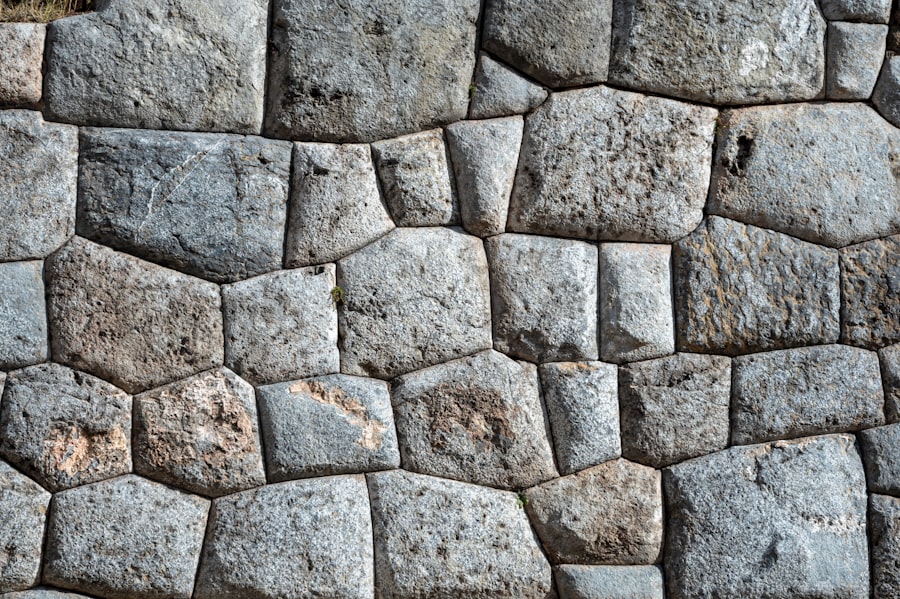
Preserving and understanding ancient technology presents numerous challenges for researchers and conservationists alike. Many artifacts are fragile and susceptible to deterioration due to environmental factors such as humidity, temperature fluctuations, and exposure to light. As a result, careful preservation techniques are essential to ensure that these items can be studied and appreciated for generations to come.
Museums and archaeological sites often employ climate-controlled environments and specialized materials to protect artifacts from damage. In addition to physical preservation, there is also the challenge of interpreting ancient technologies accurately. Many artifacts lack accompanying documentation or context, making it difficult for researchers to ascertain their original purpose or function.
This ambiguity can lead to differing interpretations among scholars, complicating efforts to build a cohesive understanding of ancient technological practices. As new discoveries are made and technologies evolve, ongoing research is necessary to refine existing theories and adapt to new findings.
Ancient Engineering Marvels
Ancient engineering marvels stand as testaments to human ingenuity and creativity throughout history. Structures such as the Great Pyramid of Giza, the Colosseum in Rome, and Machu Picchu in Peru showcase advanced engineering techniques that continue to astound modern architects and engineers. These monumental constructions were not only feats of design but also required sophisticated knowledge of materials, mathematics, and labor management.
The construction methods employed in these projects often remain subjects of debate among scholars. For instance, theories regarding how the pyramids were built range from the use of ramps to more complex systems involving levers and counterweights. Each theory reflects an attempt to understand the capabilities of ancient builders while highlighting their remarkable problem-solving skills.
As researchers continue to study these engineering marvels, they uncover new insights into how ancient societies overcame challenges posed by their environments.
The Mysteries of Ancient Tools and Machinery
The mysteries surrounding ancient tools and machinery add another layer of intrigue to the study of lost technology.
For example, stone tools from prehistoric times demonstrate not only skillful shaping but also an awareness of how different materials could be utilized for specific tasks.
In some cases, ancient machinery has been found that challenges contemporary understanding of technological development. The aforementioned Antikythera mechanism exemplifies this phenomenon; its complexity raises questions about what other advanced devices may have existed but have since been lost to time. As researchers continue to investigate these tools and machines, they strive to unravel their mysteries while considering how they fit into broader narratives about technological progress throughout history.
Uncovering Lost Knowledge and Skills
Uncovering lost knowledge and skills is a critical aspect of studying ancient technology. Many techniques used by past civilizations have been forgotten or replaced by modern methods, leading to a gap in understanding how certain tasks were accomplished. For instance, traditional pottery-making techniques employed by indigenous cultures often involve intricate processes passed down through generations but may be at risk of being lost as modernization takes hold.
Efforts are underway in various parts of the world to revive these traditional skills through workshops, educational programs, and community initiatives. By documenting these practices and encouraging their continuation, researchers aim to preserve valuable knowledge that reflects cultural heritage while also providing insights into historical technological practices. This revival not only honors ancestral wisdom but also enriches contemporary society by fostering a deeper appreciation for craftsmanship and sustainable practices.
The Cultural and Societal Impact of Ancient Technology
The cultural and societal impact of ancient technology cannot be overstated. Technological advancements often shaped social structures, economic systems, and cultural practices within civilizations. For example, the development of agriculture allowed for settled communities to flourish, leading to population growth and the establishment of complex societies with distinct cultural identities.
Moreover, ancient technologies frequently facilitated trade and communication between different cultures, fostering exchanges that enriched societies on multiple levels. The Silk Road is a prime example; it connected diverse civilizations through trade routes that enabled not only the exchange of goods but also ideas, art forms, and technological innovations. Understanding these connections helps illuminate how ancient technologies contributed to cultural diffusion and shaped human history as a whole.
The Future of Uncovering Lost Ancient Technology
The future of uncovering lost ancient technology holds great promise as advancements in technology continue to enhance research capabilities. Innovations such as artificial intelligence, machine learning, and advanced imaging techniques are poised to revolutionize archaeological practices by enabling researchers to analyze vast amounts of data more efficiently than ever before. These tools can assist in identifying patterns within artifacts or predicting where undiscovered sites may be located.
Furthermore, interdisciplinary collaboration will likely play an increasingly important role in this field. By bringing together experts from diverse backgrounds—such as engineering, environmental science, anthropology, and history—researchers can develop more comprehensive approaches to studying ancient technologies. As they work together to unravel the mysteries of the past, they will undoubtedly uncover new insights that deepen our understanding of human ingenuity throughout history.
In conclusion, the exploration of lost ancient technology is an ongoing journey filled with challenges and discoveries that continue to shape our understanding of human history. As researchers strive to uncover artifacts, interpret their significance, and preserve them for future generations, they contribute not only to academic knowledge but also to a broader appreciation for the achievements of our ancestors. Through this collective effort, society can gain valuable insights into its own technological evolution while honoring the legacy left behind by those who came before us.
In the fascinating world of lost ancient technology documentaries, enthusiasts often explore the mysteries surrounding ancient civilizations and their advanced engineering feats. A related article that delves into these intriguing topics can be found on Real Lore and Order’s website. This article provides insights into the various theories and evidence that suggest ancient societies possessed technological capabilities far beyond what was previously believed. For those interested in exploring these captivating ideas further, you can read more about it by visiting this article.
WATCH THIS 🤯Ancient Tech That Should Not Exist
FAQs
What is the lost ancient technology documentary about?
The lost ancient technology documentary explores the possibility that advanced technologies existed in ancient civilizations that have since been lost or forgotten.
What evidence is presented in the documentary?
The documentary presents various archaeological findings, historical texts, and ancient artifacts that suggest the existence of advanced technology in ancient times.
What are some examples of the advanced technology discussed in the documentary?
Examples of advanced technology discussed in the documentary include ancient structures with precise engineering, advanced knowledge of astronomy and mathematics, and artifacts that suggest the use of advanced tools and machinery.
What are some theories about how ancient civilizations may have developed advanced technology?
Some theories suggest that ancient civilizations may have received knowledge or assistance from extraterrestrial beings, while others propose that they developed advanced technology through their own ingenuity and experimentation.
What is the significance of exploring the possibility of lost ancient technology?
Exploring the possibility of lost ancient technology challenges conventional views of ancient civilizations and raises questions about the potential for technological advancements in human history. It also encourages further research and exploration of ancient sites and artifacts.