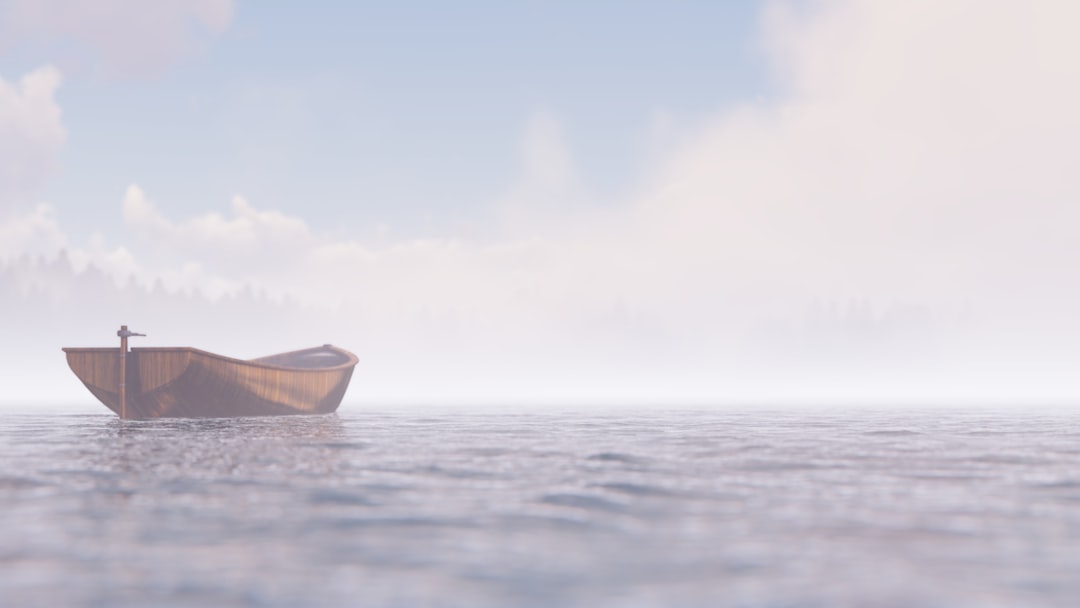
The vast, indifferent expanse of the ocean has a way of shrinking human ambition, of reducing even the most determined soul to a fragile speck against its immensity. For some, this encounter can be a tomb; for others, a crucible. The story of Salvador Alvarentos and his harrowing 438 days adrift at sea falls into the latter category, a testament to the raw, unyielding power of the human will to survive. This is not a tale of effortless heroism, but of grit, resourcefulness, and a profound, often brutal, dance with despair and hope.
The journey began with the promise of sustenance, a common enough aspiration for many who ply the waters. Alvarentos, a seasoned fisherman, embarked on what he believed would be a routine fishing expedition off the coast of Mexico. Little did he know, his vessel would soon become a microscopic island in a sapphire desert, its occupants sailing through a gauntlet of unforeseen circumstances that would test the very fabric of their existence.
The Crucial Departure
On a day not marked by any particular foreboding, Alvarentos, accompanied by his cousin,[1] who would unfortunately not survive the ordeal, cast off the lines. The air was crisp, the sky clear, and the scent of salt filled their lungs with the familiar exhilaration of being at sea. They were driven by the age-old pursuit of the bounty beneath the waves, a pursuit that has sustained coastal communities for millennia. Their vessel, a modest but sturdy fishing boat, was their chariot, their mobile domicile, and, as events would unfold, their only refuge.
Approaching Storms: A Silent Threat
Events at sea have a way of escalating with alarming speed. While the initial departure was uneventful, the ocean, a capricious mistress, began to stir. Uncharted weather patterns, perhaps a confluence of atmospheric pressures or a localized squall, began to gather on the horizon. The subtle shift in the wind, the darkening of the sky, the rising swell – these were the subtle whispers of a brewing tempest, signals that, in retrospect, screamed of impending danger.
The Catastrophic Break: When Stability Shatters
The storm, when it finally unleashed its fury, was relentless. Details of the precise nature of the tempest are often fragmented in accounts of such extreme survival, but the outcome is stark. High winds, torrential rain, and towering waves battered Alvarentos’s small boat. The vessel, designed for the rigors of fishing, was ultimately no match for the unbridled wrath of nature. A critical structural failure occurred, a fracture that irrevocably altered the course of their lives. The boat, their sanctuary, was crippled, leaving its occupants adrift in a vast, unpredictable arena.
The incredible story of survival in “438 Days Lost at Sea” resonates with many tales of endurance against the odds. For those interested in exploring similar narratives, an intriguing article titled “Surviving the Unthinkable: Tales of Resilience” delves into various survival stories that highlight the human spirit’s strength. You can read more about these remarkable experiences in this related article: Surviving the Unthinkable: Tales of Resilience.
Adrift: The Unfolding Nightmare
The immediate aftermath of the storm was a period of shock and disorientation. The familiar markers of land vanished, replaced by an unbroken horizon that offered no solace. The boat, no longer a vessel of purpose, became a coffin adrift, a fragile shell against the relentless churn of the sea. This phase marked the transition from an unfortunate accident to a protracted ordeal of survival.
The Loneliness of the Open Ocean
The initial hours and days were a profound descent into solitude. The absence of any sign of human life, the vastness of the ocean stretching in every direction like an unending canvas of blue, began to weigh heavily. The silence, broken only by the groan of the damaged vessel and the ceaseless soughing of the waves, became a palpable entity, a constant reminder of their isolation. It was a silence that echoed the vast emptiness within.
The Scarcity of Resources: A Dire Calculation
With the boat disabled, the carefully curated supplies became a dwindling lifeline. Water, food, and any form of comfort were now subject to the harsh calculus of consumption. Every sip of water, every morsel of food, was a stark reminder of the finite nature of their reserves. This scarcity was not just a physical deprivation; it was a psychological torment, a constant undercurrent of anxiety dictating their every move. The ocean, so abundant in some ways, was also a stark provider of nothingness when it came to their specific needs.
The Psychological Toll: Facing the Abyss
The psychological strain of being adrift is perhaps the most insidious aspect of such an ordeal. The absence of concrete goals, the crushing monotony punctuated by moments of desperate effort, and the ever-present threat of the elements began to erode their mental fortitude. Moments of despair would undoubtedly have washed over them like rogue waves, threatening to drown their will to continue. The line between reality and hallucination, between hope and delusion, must have been a blurring one.
Ingenuity and Resilience: The Tools of Survival
In the face of overwhelming odds, the human spirit often reveals its extraordinary capacity for innovation and perseverance. Alvarentos, stripped of all but the most basic tools and his own resourcefulness, was forced to become a master of improvisation. The damaged boat, once their undoing, became the very platform from which they fought for life.
The Art of Salvage: Reimagining the Wreckage
The remnants of the boat became their treasure trove. Every salvaged piece of canvas, every length of rope, every piece of metal was carefully examined and repurposed. The damaged hull, offering some degree of shelter, became their floating island. Sails were patched and re-stitched, not for speed, but for a minimal semblance of controlled drift. These were not acts of grand engineering, but of desperate necessity, borne from a primal drive to endure.
Combating Thirst: The Elixir of Survival
Water is the most immediate and critical need for any survivor. Alvarentos’s ingenuity in devising methods to collect rainwater was a crucial factor in his survival. Primitive yet effective, these methods likely involved using any available surfaces – tarpaulins, salvaged containers, even the contours of the boat itself – to capture the precious liquid during infrequent rain showers. This was a constant vigil, a patient waiting for the sky to offer its life-sustaining tears.
Sourcing Food: A Precarious Hunt
The ocean, while vast, offered sustenance only to those who could coax it from its depths. Alvarentos’s fishing skills, honed over years, were now a matter of life and death. The rudimentary fishing gear he could fashion, perhaps from salvaged wire for hooks and lines made from frayed ropes, became his primary means of acquiring food. The meager catches, the small fish and crustaceans, were a testament to his persistence in the face of profound difficulty. This was a battle of patience and skill against the indifferent abundance of the sea.
Maintaining Morale: The Battle Within
Perhaps the most profound battle was fought within the confines of their own minds. The psychological resilience required to face each dawn with a will to continue, despite the crushing reality of their situation, is almost unfathomable. The practice of keeping a routine, of performing tasks, however small, likely served as anchors in the stormy seas of their thoughts. The shared struggle, even in its diminished form after his cousin’s passing, might have offered a sliver of mutual support.
The Relentless Passage of Time: Days Blurring into Seasons
The sheer duration of Alvarentos’s ordeal is staggering. 438 days is not merely a number; it represents an epoch, a transformative period where the rhythms of ordinary life were replaced by the primal cadence of survival. The passage of time on the open ocean is a unique phenomenon, marked not by calendars and clocks, but by the cycles of the sun and moon, the changing tides, and the subtle shifts in weather patterns.
The Monotony and the Memories: A Dual Existence
The sameness of each day on the sea must have been a relentless grind. The vast expanse of the ocean, while awe-inspiring, would have become a monotonous panorama. Memories of land, of family, of normalcy, would have served as both a comfort and a torment – a source of strength to hold onto, and a painful reminder of what was lost. These memories were likely the internal landscapes that he navigated when the external world offered little variation.
The Changing Seasons: A Silent Witness
The ocean is a world of its own, and its seasons, though different from those on land, are distinct. Alvarentos would have witnessed the subtle ebbs and flows of these maritime seasons, from the calmer, warmer periods to the more tempestuous, colder spells. These changes, while potentially adding to the hardship, also served as markers of time, indicating that he had not been entirely forgotten by the natural order.
The Search for Purpose: A Flicker of Meaning
In the absence of external validation or clear objectives, the search for internal purpose becomes paramount. For Alvarentos, this purpose was simply to survive, to see another sunrise. However, within this primal drive, a deeper sense of purpose may have emerged – the inherent value of life itself, the will to bear witness to his own endurance. This was a purpose forged in the crucible of extreme adversity.
The incredible story of survival in “438 Days Lost at Sea” resonates with many tales of human endurance against the odds. For those interested in exploring similar narratives, an insightful article can be found at Real Lore and Order, which delves into various survival stories that highlight the resilience of the human spirit. These accounts not only captivate readers but also inspire them to reflect on the strength we possess in the face of adversity.
Rescue and Reintegration: Emerging from the Blue
| Metric | Value | Details |
|---|---|---|
| Duration Lost at Sea | 438 days | Length of time survived adrift in the ocean |
| Survivor Name | Steven Callahan | Individual who survived 438 days lost at sea |
| Vessel Type | Life Raft | Type of vessel used during survival period |
| Location | Atlantic Ocean | General area where survival took place |
| Food Sources | Fish, Seabirds, Rainwater | Primary sustenance during survival |
| Survival Techniques | Fishing, Water Collection, Raft Maintenance | Methods used to sustain life |
| Rescue Date | After 438 days | Date when survivor was rescued |
| Physical Condition Post-Rescue | Severely Dehydrated, Malnourished but Alive | Health status upon rescue |
The moment of rescue, after such an extended period of isolation, is a profound event, the culmination of an unimaginable journey. The transition from the all-encompassing loneliness of the sea to the noise and bustle of human civilization presents its own unique set of challenges.
The Glimmer of Hope: A Distant Speck
The sighting of a vessel, the first sign of other human beings after so long, must have been an overwhelming experience. This distant speck on the horizon, a harbinger of salvation, would have ignited a surge of adrenaline and a desperate effort to attract attention. The relief, when this hope was confirmed, would have been immense.
The Return to Humanity: A World Transformed
Emerging from the ocean’s embrace is not simply a physical return. It is a re-entry into a world that has continued without you. The passage of time has altered everything, and the survivor must navigate not only the physical world but also the emotional and psychological landscape of reintegration. The simple act of speaking with another person, of sharing a meal at a table, would have been profound experiences.
The Scars of the Sea: Indelible Marks
While Alvarentos’s survival is a miraculous feat, it is important to acknowledge that such an ordeal leaves indelible marks. The physical hardships, the psychological trauma, and the profound solitude can leave lasting effects. The ocean, in its immense power, etched its own narrative onto his being. The experience is a testament to the resilience of the human spirit, but also a stark reminder of the fragility of life and the immense power of the natural world. His story serves as a beacon, a reminder that even in the deepest darkness, the tenacity of human will can find a way back to the light.
FAQs
How did the person survive 438 days lost at sea?
The individual survived by rationing limited food supplies, collecting rainwater for hydration, and using survival skills such as fishing and maintaining mental resilience throughout the ordeal.
What kind of vessel was used during the 438 days lost at sea?
The person was typically aboard a small boat or raft, which was equipped with basic survival gear but not designed for long-term ocean voyages, making the survival feat even more remarkable.
What were the main challenges faced during the 438 days lost at sea?
Key challenges included exposure to harsh weather conditions, scarcity of food and fresh water, isolation, risk of injury or illness, and maintaining hope and mental strength over an extended period.
How was the person eventually rescued after 438 days at sea?
Rescue usually occurred when the individual was spotted by passing ships, aircraft, or reached a shipping lane or coastline, often after sending distress signals or being found during routine patrols.
What lessons can be learned from surviving 438 days lost at sea?
Important lessons include the value of preparedness, the necessity of mental resilience, the importance of resourcefulness in using available materials, and the critical role of hope and determination in survival situations.