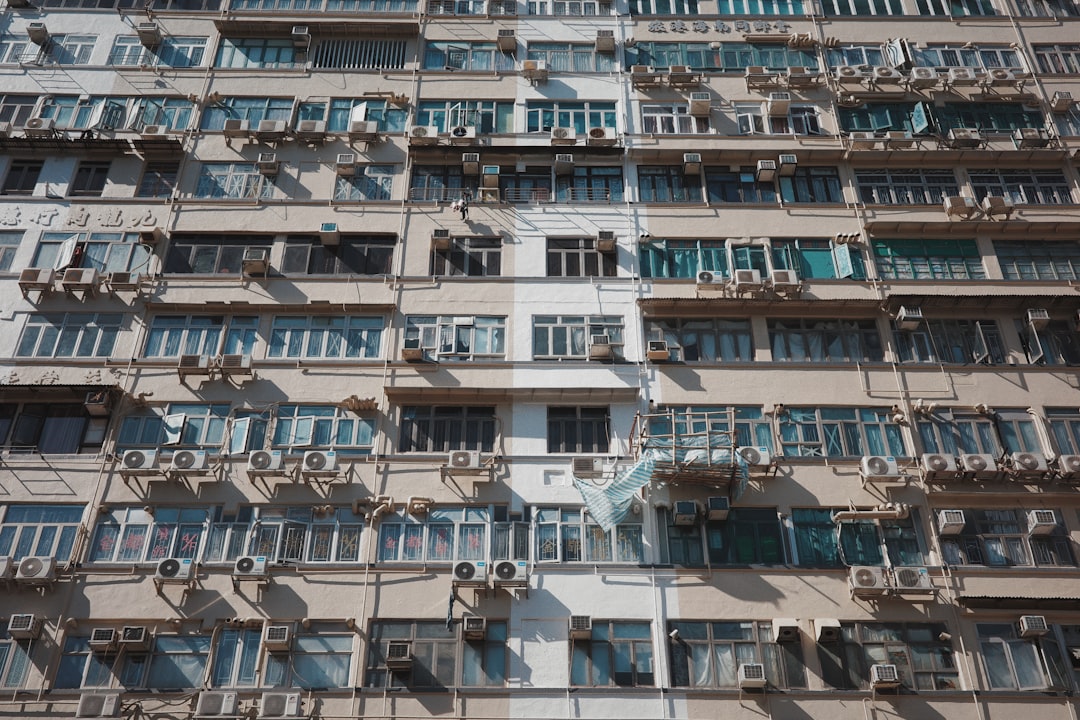
Portugal, a nation renowned for its picturesque coastline, rich history, and vibrant culture, has in recent years faced a significant and mounting challenge: a housing crisis of considerable proportions. This crisis is a multifaceted issue, stemming from a confluence of economic, social, and policy-driven factors. Among the various measures implemented to address this predicament, one program stands out as particularly contentious and impactful: the Golden Visa scheme. This article delves into the complexities of Portugal’s housing crisis and examines the role, perceived benefits, and criticisms surrounding the Golden Visa as a proposed solution.
The roots of Portugal’s housing crisis are deeply embedded in the country’s recent socio-economic trajectory. A booming tourism industry, coupled with an influx of foreign investment, has inadvertently created a perfect storm for escalating property prices and dwindling affordable housing options for local residents.
Economic Recovery and Investment Influx
Following the 2008 global financial crisis and the subsequent sovereign debt crisis, Portugal embarked on a stringent austerity program. The economy slowly recovered, attracting significant foreign direct investment. This influx, while beneficial for overall economic growth, had an immediate and profound impact on the real estate sector. Demand for properties, particularly in prime urban and coastal areas, surged, outstripping the available supply.
The Rise of Tourism and Short-Term Rentals
The exponential growth of Portugal’s tourism sector, encouraged by government initiatives and the ubiquity of online platforms, has transformed many residential areas into de facto tourist accommodations. Landlords, enticed by the higher yields offered by short-term rentals, progressively converted long-term rental properties, particularly in cities like Lisbon and Porto. This conversion significantly reduced the supply of housing available to long-term residents, putting immense pressure on rental prices.
Stagnant Wages and Purchasing Power
Despite economic recovery, wage growth for many Portuguese citizens has lagged behind the soaring cost of living, particularly housing. This disparity has created a chasm between the aspirations of homeowners and renters and their financial realities. The median income simply cannot keep pace with the upward trajectory of property values and rental costs, pushing many families to the periphery or into precarious living situations.
The Role of Foreign Investment
While the Golden Visa is a specific program, it is important to contextualize it within the broader landscape of foreign investment in Portuguese real estate. Non-EU citizens have increasingly viewed Portugal as an attractive investment destination, not only for its lifestyle but also for its relatively stable property market.
Speculative Investment and Empty Homes
A significant portion of foreign investment has been speculative, with properties purchased primarily for capital appreciation rather than immediate occupancy. This phenomenon has led to an increase in vacant properties, particularly in urban centers, further exacerbating the housing shortage for active residents. These empty homes represent a frozen asset in the housing market, unavailable for rent or purchase by local inhabitants.
The ongoing housing crisis in Portugal has sparked significant debate, particularly regarding the impact of the Golden Visa program on the real estate market. For a deeper understanding of this issue, you can read a related article that explores the implications of foreign investment on local housing affordability and availability. To learn more, visit this insightful article.
The Golden Visa Program: A Double-Edged Sword
In 2012, amidst an economic downturn and a struggling property market, Portugal introduced the “Autorização de Residência para Atividade de Investimento” (ARI), commonly known as the Golden Visa program. The scheme aimed to attract non-EU investment, stimulate economic growth, and aid in the recovery of the real estate sector.
Mechanisms and Evolution of the Golden Visa
The Golden Visa program initially offered various investment routes, with the most popular being the acquisition of real estate. Investors could obtain residency by purchasing property valued at €500,000 or more, or €350,000 for properties located in urban regeneration areas. The program has undergone several modifications over time, reflecting both its successes and the growing criticism it has garnered.
Initial Objectives and Perceived Successes
From the government’s perspective, the Golden Visa was a resounding success in its initial years. It injected billions of euros into the Portuguese economy, particularly into the real estate market. This capital infusion was lauded for helping to stabilize property values and stimulate construction, thereby contributing to job creation and economic recovery. The program was seen as a vital lifeline during a period of economic fragility.
Geographic Restrictions and Shifting Focus
In an attempt to redirect investment away from overheated urban and coastal areas, and to address the housing crisis in these regions, the Portuguese government implemented changes to the Golden Visa rules. As of January 2022, property investments in high-density areas such as Lisbon, Porto, and a significant portion of the Algarve became ineligible for the Golden Visa. The focus shifted towards low-density interior regions and the autonomous regions of Madeira and the Azores, or towards other investment options like venture capital funds or job creation.
Criticisms and Unintended Consequences

Despite its economic contributions, the Golden Visa has drawn considerable criticism, particularly from those experiencing the brunt of the housing crisis. Its role in exacerbating housing unaffordability for ordinary Portuguese citizens has become a central point of contention.
Fueling Property Price Inflation
Many critics argue that the Golden Visa has acted as a significant catalyst in the dramatic appreciation of property prices. By creating an artificial demand for high-value properties, particularly in attractive urban and coastal areas, the scheme effectively priced out a substantial portion of the local population. This influx of foreign capital, often driven by the pursuit of residency rather than a genuine need for housing, distorts the market dynamics.
The Luxury Market Disconnect
The Golden Visa predominantly targets the luxury end of the property market. This focus creates a disconnect between the type of housing demanded by Golden Visa investors and the housing needs of the general population. While luxury apartments are purchased, the supply of affordable, family-sized homes remains critically low. This phenomenon is akin to filling a leaky bucket from the top with champagne while the bottom remains dry for those who need water.
Displacement and Gentrification
The program has been implicated in accelerating gentrification and the displacement of long-term residents. As property values rise and rental yields from short-term tourism become more attractive, landlords are incentivized to evict existing tenants or significantly raise rents. This forces local communities, particularly those with strong historical ties to their neighborhoods, to seek more affordable housing on the fringes of urban centers, severing social ties and diluting cultural identity.
Eroding Community Fabric
The transient nature of many Golden Visa investments, where properties are often purchased but remain unoccupied for significant periods or are used solely for short-term rentals, can erode the fabric of traditional residential communities. The presence of fewer full-time residents can lead to a decline in local services, fewer community interactions, and a sense of alienation for those who remain.
Alternative Solutions and Future Outlook
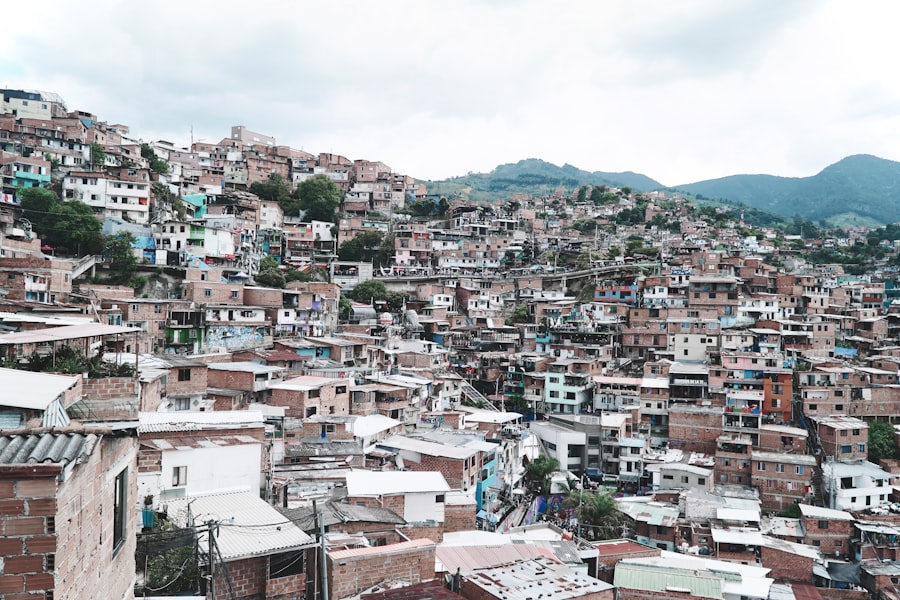
Recognizing the detrimental impact of the housing crisis, the Portuguese government has explored and implemented a range of other measures in conjunction with, or as alternatives to, the Golden Visa. These initiatives aim to increase housing supply, curb speculation, and promote affordability.
Public Investment and Affordable Housing Initiatives
A key component of addressing the crisis involves increased public investment in affordable housing. This includes the construction of new social housing units, rehabilitation of derelict properties, and subsidies for low-income families. The government has pledged to prioritize the creation of a more robust public housing stock, a sector historically underfunded in Portugal.
Regulation of the Rental Market
Measures to regulate the rental market have been introduced to stabilize rents and protect tenants. This includes caps on rent increases, stricter regulations on short-term rental conversions, and incentives for landlords to offer long-term contracts. The aim is to shift the balance of power, which has arguably favored landlords in recent years, towards a more equitable position for tenants.
Combating Speculation and Empty Homes
Further efforts focus on discouraging speculative investment and bringing empty properties back into the housing market. This could involve increased taxation on vacant properties, mandatory rental schemes for unused homes, or stricter controls on the acquisition of multiple properties by a single entity. The challenge lies in designing policies that effectively deter speculation without stifling legitimate investment or infringing on property rights.
The Future of the Golden Visa
The future of the Golden Visa in addressing the housing crisis remains a subject of ongoing debate. While the recent changes redirecting property investment away from high-density areas are a step towards mitigating its negative impact on those specific markets, the fundamental question of whether such investor programs align with the goal of housing affordability persists. The program’s continued existence will likely depend on a delicate balancing act between attracting foreign capital for economic development and ensuring that the basic right to affordable housing for its citizens is not compromised.
The Golden Visa, initially hailed as a panacea for Portugal’s economic woes, has proven to be a complex instrument with far-reaching consequences. While it undeniably drew significant foreign investment, it also became a lightning rod for criticism regarding its role in exacerbating an already challenging housing crisis. Portugal’s journey to resolve its housing predicament is ongoing, a intricate tapestry woven with threads of economic development, social equity, and policy reform. The Golden Visa, in its various iterations, will continue to be a significant thread in this evolving narrative, prompting a continuous national dialogue about what constitutes sustainable and equitable growth.
FAQs
What is the Portugal Golden Visa program?
The Portugal Golden Visa program is a residency-by-investment scheme that allows non-EU citizens to obtain a residence permit in Portugal by making qualifying investments, such as purchasing real estate, creating jobs, or investing in certain funds.
How has the Golden Visa program impacted the housing market in Portugal?
The Golden Visa program has contributed to increased demand for real estate, particularly in major cities and popular tourist areas. This demand has driven up property prices, making housing less affordable for many local residents and contributing to the housing crisis.
What measures has the Portuguese government taken to address the housing crisis linked to the Golden Visa?
The government has introduced regulations to limit Golden Visa investments in high-demand urban areas and encouraged investments in interior regions to promote balanced development. Additionally, there have been efforts to increase affordable housing and regulate short-term rentals.
Who is eligible to apply for the Portugal Golden Visa?
Non-EU nationals who make a qualifying investment in Portugal, such as purchasing real estate worth at least €500,000 (or €350,000 in certain cases), creating jobs, or investing in research or cultural projects, are eligible to apply for the Golden Visa.
Does the Golden Visa program guarantee Portuguese citizenship?
The Golden Visa grants residency rights but does not automatically confer citizenship. After five years of legal residence, applicants may apply for Portuguese citizenship, provided they meet language proficiency and other legal requirements.