The silent stones of history, often weathered by time and shrouded in myth, can hold chilling truths. For generations, whispers of unspeakable atrocities have persisted, tales of entire populations extinguished, of cultures erased from the earth. Yet, separating legend from documented fact has been a formidable challenge. Today, however, a groundbreaking shift is occurring. Through the meticulous application of forensic science, the veil of obscurity is being lifted, allowing us to peer into the grim realities of ancient genocides. This article will delve into the methodologies and discoveries that are bringing these forgotten tragedies into sharp, empirical focus.
The process of uncovering ancient genocide is not a single act but a symphony of disciplines, each playing a crucial role in piecing together shattered narratives. Forensic science, often associated with the immediate aftermath of crimes, has been adapted and honed to excavate the deepest layers of human history. It is through these specialized techniques that the faint echoes of mass violence are transformed into tangible evidence, solidifying what was once conjecture into undeniable fact. Think of these methods as x-rays for the past, revealing the hidden fractures and traumas that conventional archaeology might miss.
Skeletal Analysis: The Silent Witnesses
The most direct, and perhaps most poignant, evidence for ancient genocide often lies within the human remains themselves. Forensic anthropologists and bioarchaeologists are trained to read the stories etched into bones, deciphering signs of trauma, disease, and mode of death. Their examination goes far beyond simple identification; it is a deep dive into the life and, ultimately, the violent demise of individuals.
Identifying Evidence of Mass Trauma
The presence of widespread, patterned trauma on a significant number of skeletons within a specific burial context is a critical indicator. This is not the random violence of individual disputes; it speaks to a systematic and overwhelming force.
Blunt Force Trauma Patterns
The study of skull fractures, in particular, can be highly revealing. The shape, size, and location of impact marks can indicate the type of weapon used – whether a club, an axe, or a projectile. A concentration of such injuries on the skulls of a specific demographic, such as adults or children, can suggest targeted violence. Identifying the same types of fractures across multiple individuals, often in the same areas of the body, suggests a directed and efficient method of killing, rather than the sporadic injuries of battle or natural disaster.
Sharp Force Trauma
Similar to blunt force trauma, sharp force trauma analysis involves examining cut marks, stab wounds, and dismemberment patterns. The angles and depths of these wounds, along with the presence of tool marks, can provide details about the implements used and the methods of execution. Indications of repeated hacking or deliberate severing of limbs can point towards extreme brutality and intent to dehumanize or obliterate.
Projectile Trauma
The recovery of projectile points, such as arrowheads or early bullets, embedded within bone or in close proximity to skeletal remains, is another crucial piece of evidence. The type of projectile and the angle of entry can help reconstruct the circumstances of death, such as an ambush or a widespread attack. The sheer volume of such projectiles in a given site can further underscore the intensity of the violence.
Signs of Systematic Extermination
Beyond direct trauma, forensic analysis can reveal more subtle, yet equally damning, signs of intent to destroy a population.
Age and Sex Distribution
The demographic profile of a massacre site can be highly informative. If a burial site predominantly consists of young adults, or if there is a disproportionate number of women and children, it can suggest targeted extermination, perhaps to eliminate future generations or specific social groups. Conversely, a lack of older individuals might indicate a genocide that spared the elderly, or that they were disposed of in a different manner.
Ritualistic Mutilation and Desecration
While not always present, evidence of post-mortem mutilation or desecration of bodies can be a chilling indicator of genocidal intent. This goes beyond the act of killing and suggests a desire to inflict further suffering, to erase identity, and to instill terror. Such practices, often found in conjunction with mass burials, demonstrate a level of psychological violence as potent as the physical.
Pathology and Disease as Tools of Oppression
In some historical contexts, the deliberate transmission of disease or the deprivation of basic necessities leading to widespread illness and starvation can be considered a form of genocide. Forensic analysis of skeletal remains can reveal evidence of endemic diseases that were exacerbated by poor living conditions, malnutrition, or the deliberate denial of healthcare. Tracing patterns of bone degradation and signs of chronic illness can paint a picture of a population systematically weakened and exploited.
Forensic Archaeology: Excavating the Crime Scenes of Antiquity
If skeletal analysis provides the microscopic view of violence, then forensic archaeology offers the macro perspective, framing the context of these atrocities. Archaeologists trained in forensic principles approach excavation sites not just as historical resources, but as crime scenes, meticulously documenting every artifact, every soil disturbance, and every spatial relationship.
Contextualizing the Remains
The location and context of a burial or skeletal assemblage are paramount. Was it found within a settlement that was subsequently destroyed? Is it in a location that suggests hasty, forced burial? These questions are answered through careful excavation and spatial analysis.
Site Destruction and Abandonment Patterns
Evidence of fire, collapse, and sudden abandonment of settlements can corroborate accounts or suspicions of violent destruction. Forensic archaeologists look for specific signatures of this destruction, such as in-situ burning, collapsed structures that indicate rapid destruction, and the absence of typical patterns of gradual abandonment. The presence of weapons amongst the debris, or intact domestic items suggesting a sudden interruption of daily life, are further clues.
Mass Burial Practices
The discovery of mass graves is a profound and disturbing revelation. The manner in which these bodies are interred – whether in pits, trenches, or individually placed – can offer insight into the perpetrators’ methods and mindset. Were the bodies treated with any semblance of respect, or were they unceremoniously dumped? The stratification of these burials can also reveal the timeline of the killings.
The Presence of Tools of Violence
The identification of weapons, their types, and their distribution within a site can provide critical information about the nature of the conflict. Are they typical of the period, or are they indicative of an external force? The quantity and variety of weaponry found can speak to the scale and sophistication of the attacking forces.
Reconstruction of Events
By meticulously documenting the archaeological record, forensic archaeologists can begin to reconstruct the likely sequence of events that led to these mass deaths.
Stratigraphic Analysis
The layers of earth and debris represent a timeline. Forensic archaeologists analyze these strata to understand the order in which events occurred – the construction of a settlement, its destruction, and the subsequent burial of its inhabitants. This allows for a chronological understanding of the violence.
Artifact Association
The proximity of artifacts to skeletal remains is crucial. Are there broken tools, personal belongings, or evidence of resistance found alongside the bones? This association helps to understand the context of the deaths and can reveal evidence of struggle or attempted defense.
Recent advancements in ancient genocide forensics have shed light on the tragic events of the past, revealing crucial evidence that can help us understand the scale and impact of these atrocities. A related article discusses the methodologies used in uncovering such evidence, emphasizing the importance of archaeological findings and DNA analysis in reconstructing historical narratives. For more insights on this topic, you can read the article here: Ancient Genocide Forensics Evidence.
The Scientific Scrutiny: Beyond Eyewitness Accounts
While ancient texts and oral traditions can offer invaluable clues, they are often subject to bias, embellishment, or the passage of time. Forensic evidence, however, offers an objective, scientific lens through which to examine these claims. It is the bedrock upon which historical understanding is built, providing empirical data that can validate or challenge existing narratives.
Isotopic Analysis: Tracing Journeys and Origins
Isotope analysis, a sophisticated technique borrowed from geochemistry, has become an indispensable tool in understanding ancient populations. By examining the ratio of different isotopes of elements like oxygen, carbon, and strontium in human teeth and bones, scientists can determine where individuals lived and what they ate, offering profound insights into migration patterns, diet, and even social stratification, which can be critical in identifying targeted groups.
Diet and Subsistence Reconstruction
The isotopes of carbon and nitrogen in bone collagen directly reflect the diet of an individual during their lifetime. Identifying a sudden shift in diet, or a population that subsisted on significantly different resources compared to its neighbors, can be indicative of forced displacement or assimilation.
Terrestrial vs. Marine Diets
The ratio of carbon isotopes can differentiate between a diet based on terrestrial plants (like grains) and one reliant on marine resources. A population found to have a predominantly marine diet in a landlocked region, or vice versa, could suggest forced relocation or enslavement.
Malnutrition and Resource Deprivation
Analyzing strontium isotopes can reveal the geological origin of an individual’s drinking water, providing clues to their birthplace or any significant migrations. When combined with dietary isotopes, a compelling picture can emerge of populations forced from their ancestral lands and compelled to subsist on unfamiliar or less nutritious resources, a classic sign of displacement and oppression.
Migration and Origin Determination
Strontium isotopes in tooth enamel and bone are particularly powerful for tracing origins and migration. Each geological region has a unique strontium isotope signature absorbed from the soil and water. By comparing the strontium signature of an individual to the local geology, scientists can determine if they were born in the area where they were found or if they migrated from elsewhere.
Identifying Foreigners or Displaced Populations
Mass migrations, often a feature of genocidal campaigns, can be detected through strontium isotope analysis. If a significant proportion of individuals within a burial site show strontium isotope values that differ from the local geology, it strongly suggests they were displaced populations, brought to the area under duress or as a result of conflict. This can help identify targeted ethnic or cultural groups who were forcibly relocated.
Intergroup Relations and Marriage Patterns
The analysis can also shed light on intergroup relations. If a significant number of individuals within a population have strontium isotope signatures from different regions, it suggests established trade routes or, more intimately, intergroup marriage patterns. A sudden shift in these patterns, or the isolated presence of individuals with foreign isotopic signatures in a context of mass death, can be highly significant.
Ancient DNA Analysis: Decoding Genetic Legacies
The advent of ancient DNA (aDNA) analysis has revolutionized our understanding of past populations, allowing us to delve into their genetic makeup and relationships. This powerful tool can reveal familial connections within massacre sites, identify the genetic origins of populations, and even detect evidence of interbreeding or assimilation, all of which can be critical in identifying perpetrators and victims.
Identifying Kinship and Social Structures
The ability to extract and analyze DNA from ancient remains allows for the identification of familial relationships. This can be crucial in understanding the social fabric of a community and how a genocide may have targeted specific families or kinship groups.
Identifying Family Units in Mass Graves
Within mass graves, aDNA can reveal how individuals were related. The clustering of genetically related individuals within a burial can indicate targeted killing of families, or the preservation of family units even in death. This allows for a more nuanced understanding of the social impact of the violence.
Distinguishing Perpetrators from Victims
In cases where a perpetrator group is known or suspected, aDNA analysis can help differentiate the genetic profiles of the victims from those of the attackers, especially if there is a significant genetic divergence between the groups.
Population Movements and Genetic Affinities
Ancient DNA allows for the tracing of population movements and genetic affinities over millennia. By comparing the genetic profiles of individuals from different sites and time periods, scientists can reconstruct migration patterns and the genetic landscape of ancient societies.
Establishing Ethnic and Cultural Affiliations
The genetic signature of a population can provide clues about its ethnic and cultural affiliations. If a group identified as victims in a historical account has a distinct genetic profile that aligns with a known ethnic group, it can lend scientific weight to the historical claims.
Detecting Intergroup Contact and Conflict
Changes in genetic diversity or the introduction of foreign genetic material can signal significant intergroup contact, including conflict and conquest. A sudden influx of a different genetic signature within a population, especially in conjunction with evidence of violence, can indicate an invasion or assimilation.
The Narrative Reconstructed: From Fragments to Facts
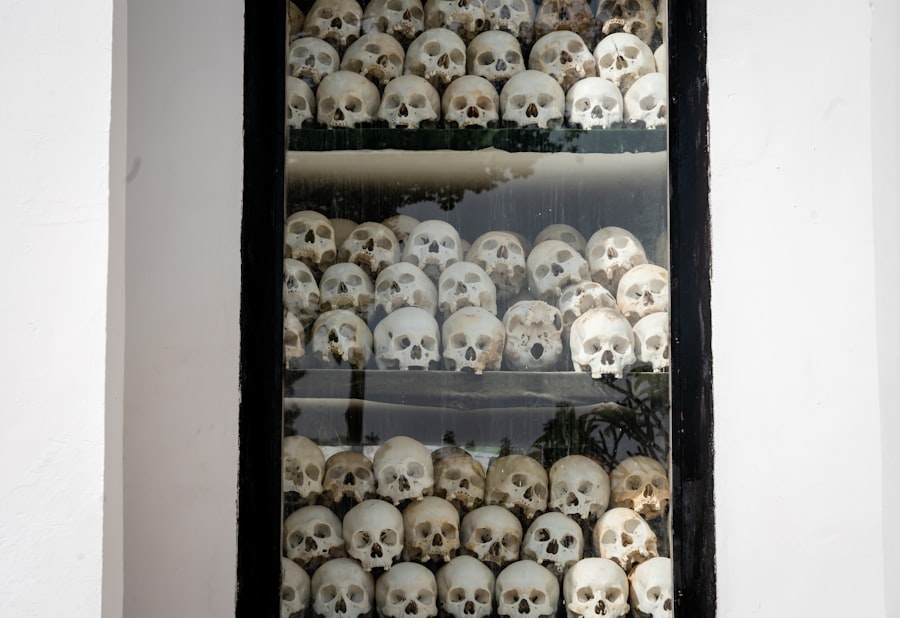
The integration of forensic evidence with historical accounts allows for the reconstruction of shattered narratives. What was once a blurry outline of past events can now be rendered with striking clarity, painting a more accurate and poignant picture of ancient genocides and their devastating human cost.
Corroborating Historical Accounts
In many instances, forensic evidence serves to validate or significantly strengthen historical accounts of genocide. When skeletal evidence of mass trauma and destruction aligns with textual descriptions of violence against a specific group, it transforms conjecture into conviction.
Archaeological Evidence and Textual Discrepancies
Sometimes, forensic evidence can reveal discrepancies or nuances in historical texts. This is not to dismiss historical accounts but to refine our understanding, allowing us to ask more precise questions and seek further corroboration. For example, a text might speak of a general massacre, but skeletal evidence might reveal a specific systematic targeting of men or children.
The Power of Objective Verification
The objective nature of scientific data offers a powerful counterpoint to potential biases or inaccuracies inherent in historical narratives passed down through generations. It provides a verifiable basis for understanding the sheer scale and brutality of such events.
Unveiling Forgotten Victims
Perhaps one of the most profound impacts of forensic investigation into ancient genocide is its ability to give voice to forgotten victims. Individuals and entire communities who were systematically erased from historical records can now be identified, their stories brought to light through the silent testimony of their remains.
Giving Names to the Nameless
The systematic destruction of a population often extends to the erasure of their identity – their names, their histories, their very existence. Forensic science, by analyzing remains and contextualizing their lives and deaths, can begin to restore a semblance of identity to those who were rendered anonymous by violence.
Restoring Dignity to the Deceased
The act of meticulous excavation, analysis, and respectful reburial, when warranted, is an act of restoring dignity to individuals who were denied it in life and in death. It acknowledges their humanity and their suffering.
Ethical Considerations and the Future of Forensic Genocide Studies
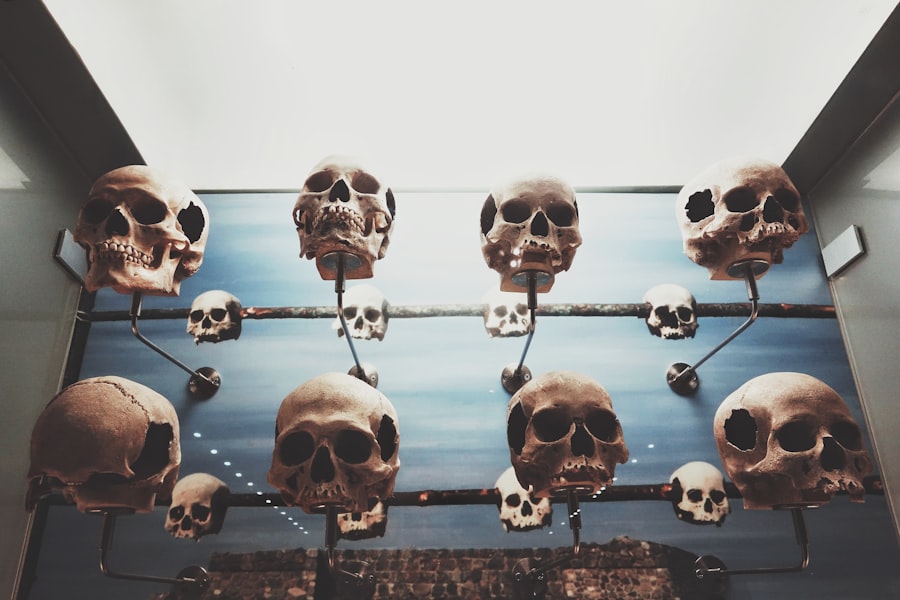
The pursuit of uncovering ancient genocide through forensic means is a powerful endeavor, but it is one that must be undertaken with profound ethical consideration. The very nature of the evidence unearthed is inherently sensitive, demanding respect for the deceased and a commitment to responsible dissemination of findings.
Respect for the Deceased
The individuals whose remains are examined were once living beings with lives, families, and hopes. Their remains are not mere scientific specimens but are the tangible remnants of human lives, and thus deserve to be treated with the utmost respect and dignity throughout the entire investigation process. This means adhering to strict protocols for handling remains, ensuring their proper curation, and considering culturally appropriate reburial practices when possible.
Cultural Sensitivity and Indigenous Rights
In many cases, the uncovering of ancient genocides involves populations with living descendants or cultural heirs. It is imperative that these communities be involved in the process from its inception, ensuring that their cultural sensitivities are respected, their ancestral rights are upheld, and that the research serves their interests and the preservation of their heritage.
The Dissemination of Findings
The way in which forensic discoveries related to genocide are communicated to the public is crucial. Findings should be presented in a factual, objective manner, avoiding sensationalism or exploitation. The focus should remain on shedding light on past injustices, promoting understanding, and preventing future atrocities, rather than on morbid curiosity or prurient interest.
The Ongoing Quest for Truth
As forensic techniques continue to advance, the potential for uncovering further instances of ancient genocide expands. The application of these tools is not a one-time endeavor but an ongoing quest for truth, a continuous effort to correct the historical record and to learn from the darkest chapters of human history.
Technological Advancements and New Frontiers
Future breakthroughs in areas such as high-throughput sequencing for aDNA, advanced imaging techniques, and more sophisticated isotopic analysis will undoubtedly unlock new layers of understanding. These advancements will allow for the examination of fainter traces of evidence and the potential for even more precise reconstructions of past events.
The Moral Imperative of Remembrance
Ultimately, the scientific endeavor to uncover ancient genocide is driven by a moral imperative. It is a testament to the human capacity for both unfathomable cruelty and the persistent drive to remember, to understand, and to ensure that such horrors are never forgotten, and thus, are less likely to be repeated. The meticulous work of forensic scientists serves as a stark reminder of what humanity is capable of, and an urgent call to action for vigilance and the unwavering defense of human dignity.
FAQs
What is ancient genocide forensics evidence?
Ancient genocide forensics evidence refers to the scientific analysis of archaeological and biological remains to identify signs of mass violence or systematic killing in ancient populations. This evidence helps researchers understand historical events involving large-scale atrocities.
What types of evidence are used in ancient genocide forensics?
Researchers use various types of evidence, including skeletal remains showing trauma or mass burial sites, DNA analysis, artifacts indicating violent conflict, and historical records or inscriptions that describe events of mass violence.
How do forensic scientists determine if ancient remains are linked to genocide?
Forensic scientists examine patterns of injuries on bones, such as blunt force trauma or weapon-inflicted wounds, analyze burial contexts for signs of mass graves, and use radiocarbon dating to establish timelines. They also consider cultural and historical data to interpret findings.
Why is studying ancient genocide important?
Studying ancient genocide provides insights into human history, social dynamics, and the causes and consequences of mass violence. It helps acknowledge past atrocities, informs modern human rights discussions, and contributes to the prevention of future genocides.
What challenges do researchers face in ancient genocide forensics?
Challenges include the degradation of remains over time, limited or incomplete archaeological records, distinguishing genocide from other causes of death like disease or famine, and interpreting evidence within complex historical and cultural contexts.