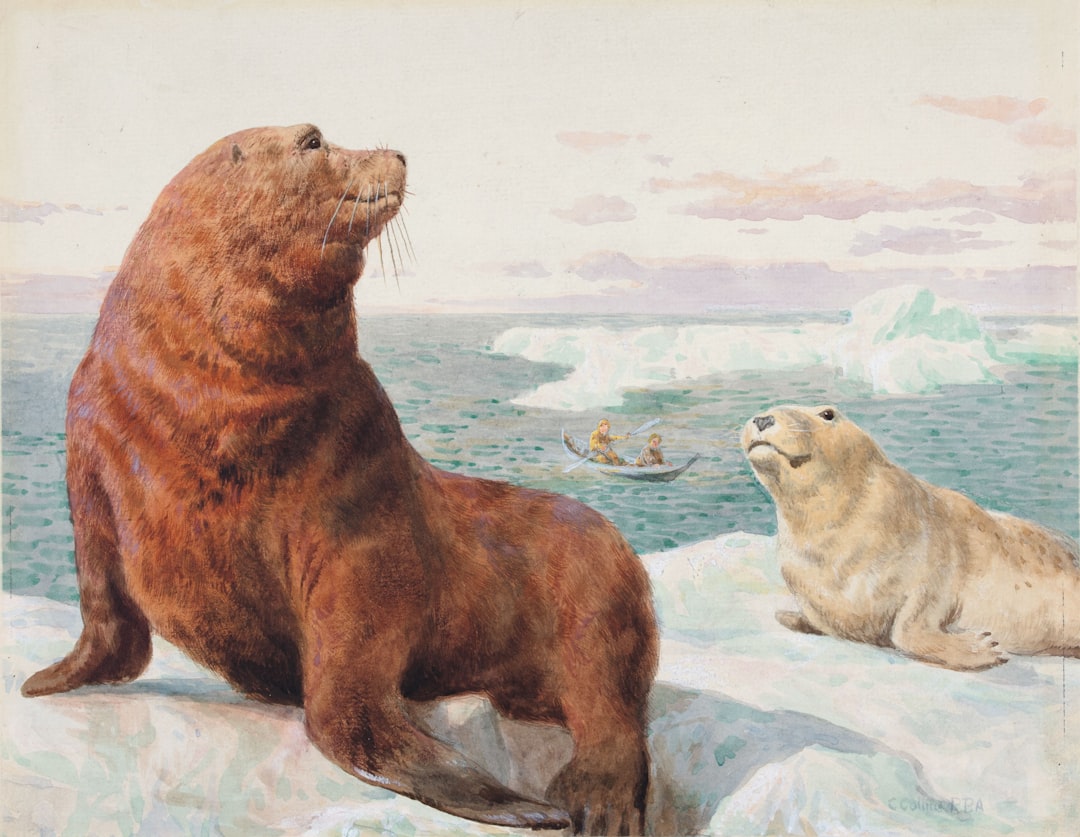
The Arctic, a region once predominantly associated with pristine ice sheets, polar bears, and a fragile ecosystem, is increasingly becoming a crucible of geopolitical tension. For decades, the high north remained largely outside the immediate sphere of conventional global power struggles, a frozen periphery. However, the receding ice, a stark indicator of climate change, has irrevocably altered this status quo, unveiling new strategic waterways, untapped resources, and a renewed emphasis on national interests. This shift, often dubbed the “Arctic War,” is not characterized by conventional armed conflict, but rather by intricate political maneuvers, military posturing, economic competition, and a battle for narratives. It is a hidden start, a slow-motion unraveling of stability, whose implications will resonate globally.
The melting Arctic ice cap is not merely an environmental phenomenon; it is a fundamental reordering of global geography. For centuries, the vast expanse of frozen water acted as a natural barrier, rendering many potential sea lanes impassable and resource extraction prohibitively expensive. The increasingly navigable Northern Sea Route (NSR), the Northwest Passage, and the Transpolar Sea Route are now dramatically shortening shipping times between Europe and Asia, offering significant economic advantages over traditional routes through the Suez Canal. This transformation has ignited a scramble for control and influence, transforming the Arctic into a veritable chessboard for global powers.
Economic Imperatives: Resources and Trade Routes
The allure of the Arctic is multifaceted. Beyond the strategic choke points offered by new shipping lanes, the region is believed to hold approximately 13% of the world’s undiscovered oil and 30% of its undiscovered natural gas, according to the U.S. Geological Survey. These estimations, while subject to change and technological limitations, represent a substantial incentive for energy-dependent nations. Furthermore, significant deposits of rare earth minerals, crucial for modern electronics and renewable energy technologies, are also thought to lie beneath the Arctic seafloor. The extraction of these resources, however, is fraught with environmental and logistical challenges, raising questions about feasibility and sustainability. The pursuit of these economic prizes fuels much of the current geopolitical maneuvering.
The Retreat of Ice and the Rise of Accessibility
The scientific consensus on Arctic ice melt is undeniable. Satellite data consistently demonstrate a shrinking ice cap, leading to longer periods of open water during the summer months. This increased accessibility has not only opened new shipping lanes but also made resource exploration and extraction more viable. While the harsh conditions still present formidable obstacles, technological advancements in icebreakers, offshore drilling platforms, and remote sensing are rapidly overcoming these hurdles. The retreat of the ice is, in essence, the opening act of this unfolding drama, enabling previously unthinkable ventures and intensifying existing rivalries.
The escalating tensions in the Arctic region have sparked discussions about the potential for conflict, often referred to as the “Arctic War.” A related article that delves into the hidden beginnings of this geopolitical struggle can be found at this link. It explores the strategic interests of various nations and the implications of climate change on territorial claims, providing a comprehensive overview of the factors that could lead to a confrontation in this fragile environment.
Military Modernization and Strategic Posturing
As economic interests in the Arctic grow, so too does the military presence of nations with territorial claims or strategic interests in the region. The “Arctic War” is not a clash of arms, but a silent escalation of military capabilities, a demonstration of resolve, and a careful orchestration of power projection. Nations are investing heavily in ice-strengthened naval vessels, long-range patrol aircraft, and specialized Arctic combat units, signaling their intent to protect their interests and assert their sovereignty.
Russia’s Resurgent Arctic Command
No nation has a more extensive coastline and historical presence in the Arctic than Russia. Moscow views the region as vital to its economic prosperity and national security. In response to the opening of new shipping routes and the potential for resource exploitation, Russia has embarked on a significant modernization of its Arctic military infrastructure. This includes the reopening of Soviet-era military bases, the construction of new airfields and radar stations, and the deployment of advanced weaponry systems. Russia’s Northern Fleet, equipped with nuclear-powered icebreakers and submarines, is the cornerstone of its Arctic military strategy. This resurgence is viewed by other Arctic nations as a clear assertion of dominance.
NATO’s Northern Flank: A Reawakened Concern
For NATO, the Arctic represents a crucial northern flank, bridging North America and Europe. The increased Russian military activity has prompted a reevaluation of NATO’s strategy in the region. Member states, particularly Canada, Denmark, Norway, and the United States, are bolstering their own Arctic defenses and enhancing interoperability through joint exercises. The focus is on surveillance, reconnaissance, and maintaining a credible deterrent. While there is an emphasis on de-escalation and cooperation, the underlying message is one of readiness and the protection of sovereign territories. The Arctic, once a region of relative calm, is now firmly integrated into NATO’s broader strategic calculus.
Legal Frameworks and Contesting Claims
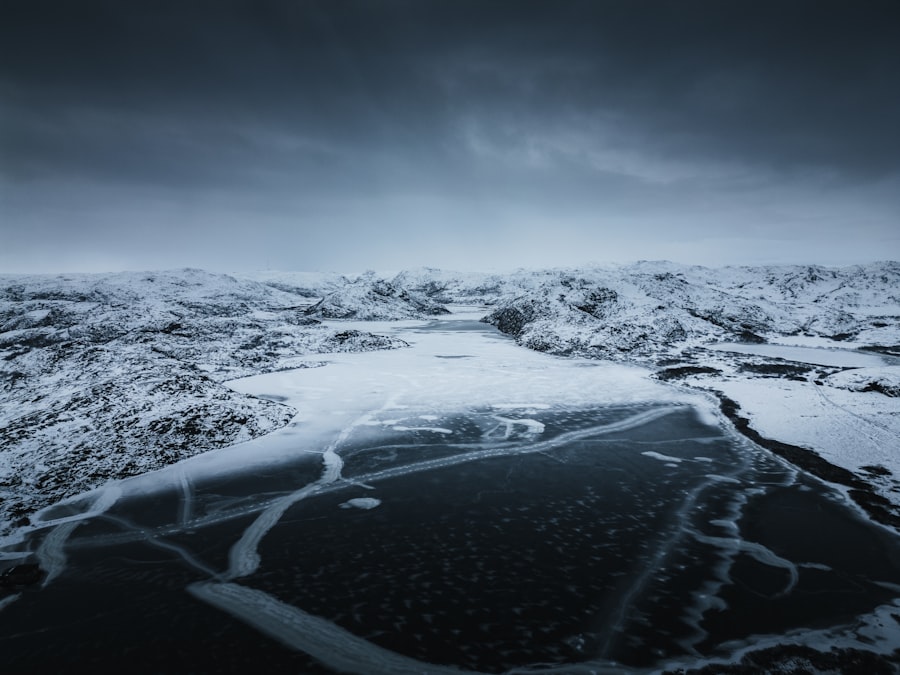
The geopolitical landscape of the Arctic is further complicated by a tangled web of international laws and competing territorial claims. Unlike Antarctica, which is governed by the Antarctic Treaty System, the Arctic enjoys no overarching international regime. Instead, it is primarily governed by the United Nations Convention on the Law of the Sea (UNCLOS), which defines maritime zones and sets out rights and obligations for coastal states. However, the interpretation and application of UNCLOS in the Arctic are subjects of ongoing dispute.
The Continental Shelf Delimitation
A key area of contention revolves around the delimitation of the extended continental shelf, which grants coastal states sovereign rights over the exploration and exploitation of natural resources on and beneath the seabed. Nations like Russia, Canada, Denmark (through Greenland), and the United States are all filing submissions with the UN Commission on the Limits of the Continental Shelf, presenting scientific data to support their claims. These submissions often overlap, creating potential flashpoints for diplomatic friction. The Lomonosov Ridge, an undersea mountain range stretching across the Arctic Ocean, is a particular point of contention, with multiple nations asserting it as an extension of their continental shelf.
The Role of Arctic Council and Bilateral Agreements
Amidst these competitive dynamics, the Arctic Council plays a crucial role as the primary high-level intergovernmental forum promoting cooperation, coordination, and interaction among the Arctic states and Indigenous communities. While the Council primarily focuses on environmental protection and sustainable development, its existence facilitates dialogue and can potentially de-escalate tensions. Additionally, bilateral agreements between Arctic nations address specific issues, such as search and rescue operations, scientific research, and environmental protection. However, the inherent limitations of these frameworks in resolving fundamental territorial disputes are becoming increasingly apparent.
Environmental Considerations and Indigenous Rights
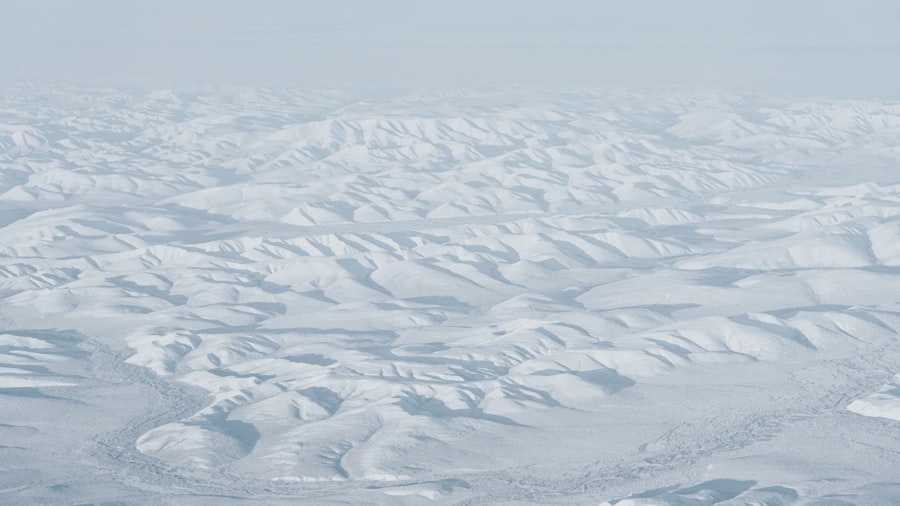
The “Arctic War” is not solely a struggle for economic gain and strategic advantage; it is also a profound challenge to the fragile Arctic environment and the way of life for its Indigenous inhabitants. The pursuit of resources and the increased shipping traffic carry inherent risks that could have devastating and irreversible consequences for an ecosystem already under immense pressure from climate change.
The Peril of Oil Spills and Ecological Damage
The pristine wilderness of the Arctic is particularly vulnerable to industrial accidents. An oil spill in the remote, ice-covered waters would be an unprecedented ecological disaster, with cleanup efforts facing immense logistical challenges due to extreme temperatures, darkness, and ice conditions. Even beyond catastrophic events, increased shipping traffic contributes to noise pollution, disturbing marine life, and heightens the risk of collisions with icebergs and marine mammals. The long-term effects of human activity on the Arctic’s biodiversity, including endangered species like polar bears and narwhals, remain a significant concern for environmental organizations globally.
The Voice of Indigenous Communities
For thousands of years, Indigenous communities have been the custodians of the Arctic, their cultures and livelihoods intrinsically linked to the land and sea. They are the first to experience the impact of climate change and the growing geopolitical interest in the region. Melting ice disrupts traditional hunting grounds, affecting food security and cultural practices. Increased industrial activity, including resource extraction and shipping, poses threats to their ancestral lands and waters. Indigenous voices, often marginalized in international decision-making, are increasingly advocating for their rights to self-determination, environmental protection, and a meaningful say in the future of their homelands. Their perspective is crucial, offering a vital human dimension to the otherwise stark geopolitical calculus.
The recent tensions in the Arctic region have sparked discussions about the potential for conflict, often referred to as the “hidden start” of an Arctic war. This situation is further elaborated in a related article that explores the geopolitical dynamics at play and the implications for global security. For more insights, you can read the full article here. Understanding these developments is crucial as nations vie for control over valuable resources and strategic routes in this increasingly contested area.
Future Projections and Navigating the Hidden Conflict
| Metric | Details |
|---|---|
| Event Name | Arctic War Hidden Start |
| Region | Arctic Circle |
| Start Date | Undisclosed / Classified |
| Involved Parties | Multiple Arctic Nations (Classified) |
| Primary Objective | Control of Arctic Resources and Strategic Positions |
| Reported Incidents | Limited Skirmishes and Reconnaissance Missions |
| Military Assets Deployed | Submarines, Icebreakers, Surveillance Drones |
| Environmental Impact | Minimal but Monitored |
| Current Status | Ongoing Covert Operations |
The “Arctic War” is a slow-motion conflict, a marathon rather than a sprint. The trajectory of this hidden start will be shaped by a confluence of factors: the pace of climate change, technological advancements, shifts in global energy demands, and the diplomatic dexterity, or lack thereof, of the Arctic states. The reader should understand that this is not a scenario destined for immediate, overt military confrontation involving vast armies and fleets, but rather a persistent, low-level competition for influence and resources.
Cooperation or Confrontation: A Fork in the Road
The prevailing narrative often oscillates between two poles: cooperation or confrontation. While instances of collaboration, particularly in scientific research and search and rescue, do exist, the underlying trend points towards increased competition. The temptation of untapped resources and strategic advantage often outweighs the impetus for genuine, long-term cooperative frameworks. The crucial question is whether mechanisms for de-escalation and conflict resolution can keep pace with the escalating tensions. A miscalculation, a perceived slight, or an unchecked incident could rapidly amplify the current low-level conflict into a more overt struggle.
The Unseen Battle for Information and Influence
Beyond military hardware and resource claims, the “Arctic War” is also being fought in the realm of information and influence. Nations are actively shaping perceptions, promoting their narratives, and subtly undermining those of their rivals. This “soft power” struggle involves scientific diplomacy, cultural initiatives, and strategic communication campaigns designed to garner international support and legitimize national claims. The battle for the Arctic will therefore be waged not only on the ice and under the sea but also in the digital sphere and the halls of international organizations. The reader is encouraged to critically assess the information presented by various actors, recognizing that each nation has a vested interest in portraying its actions in the most favorable light. The future of the Arctic, a region of immense strategic and environmental significance, hangs in this delicate balance.
FAQs
What is meant by the term “Arctic war hidden start”?
The term “Arctic war hidden start” refers to the early, often unreported or covert military activities and conflicts in the Arctic region that precede open hostilities or formal declarations of war. These activities may include strategic positioning, intelligence gathering, and small-scale skirmishes.
Why is the Arctic region strategically important in military terms?
The Arctic is strategically important due to its vast natural resources, including oil and gas reserves, and its critical shipping routes that become more accessible as ice melts. Control over the Arctic can provide significant military and economic advantages, making it a focus for national security interests.
Which countries are primarily involved in military activities in the Arctic?
The main countries involved in Arctic military activities include Russia, the United States, Canada, Norway, and Denmark (via Greenland). These nations have territorial claims and interests in the region and have increased their military presence and capabilities there.
What types of military operations are commonly conducted in the Arctic?
Military operations in the Arctic often involve surveillance and reconnaissance, naval patrols, submarine deployments, air defense exercises, and the establishment of military bases. These operations are adapted to the harsh Arctic environment and aim to assert control and monitor rival activities.
How does the “hidden start” of Arctic conflicts impact global security?
The hidden start of Arctic conflicts can lead to increased tensions and misunderstandings among nations, potentially escalating into larger confrontations. Because these activities are often covert, they complicate diplomatic efforts and risk destabilizing the region, which has implications for global security and international relations.