
Copper Cliff, a district nestled within the City of Greater Sudbury, Ontario, has long stood as a bedrock of the region’s economic engine. Its identity is undeniably intertwined with the rich deposits of nickel and copper that lie beneath its surface. The genesis of this economic impact can be traced back to the late 19th century with the discovery of massive sulfide ore bodies, setting in motion a chain of events that would shape not only the physical landscape but also the economic trajectory of Northern Ontario.
The economic footprint of Copper Cliff is multifaceted, extending beyond the immediate operations of its mining and smelting facilities. It acts as a vital nexus, a nexus that draws in investment, creates employment, and fosters the development of ancillary industries. To understand its true significance, one must examine the layers of its influence, from the direct employment generated to the broader ripple effects that touch communities far beyond its immediate borders.
At the heart of Copper Cliff’s economic significance lies the enduring presence of its mining and smelting operations. These are not merely industrial sites; they are the very arteries from which the economic lifeblood of the region flows. The discovery of vast nickel and copper deposits in the late 1800s was the spark that ignited this industrial powerhouse. The subsequent establishment of mining infrastructure, including shafts, processing plants, and smelters, laid the groundwork for sustained economic activity.
Historical Genesis and Resource Wealth
The geological bounty of the Sudbury Basin, the crater in which Copper Cliff is situated, is the primary driver of its economic importance. The impact crater, formed by a meteorite impact millions of years ago, concentrated a unique and exceptionally rich assemblage of minerals. This geological anomaly is the bedrock, quite literally, of Copper Cliff’s economic success. The sheer scale of these resource deposits meant that extraction was not only feasible but highly profitable, attracting significant capital investment from its earliest days.
The Nickel and Copper Deposits: A Global Significance
The Sudbury Basin is renowned for its high-grade nickel-copper-platinum group metals deposits. Historically, it has been one of the world’s largest producers of nickel. This global significance means that the economic fortunes of Copper Cliff are intrinsically linked to the international demand and pricing of these commodities. Fluctuations in the global market for nickel and copper have a direct and often profound impact on the profitability and operational capacity of the mines within the district.
Early Mining Ventures and Their Expansion
The initial mining claims and subsequent establishment of companies like the Canadian Copper Company (which eventually became part of Inco, and later Vale) marked the beginning of an industrial era. These early ventures were characterized by relentless exploration, the development of complex underground mining techniques, and the construction of processing facilities to extract valuable metals from the ore. The expansion of these operations over the decades required significant technological advancements and a consistent labor force.
The Technological Evolution of Extraction
The mining and smelting process itself is a testament to human ingenuity and technological advancement. From early, labor-intensive methods, the industry has evolved to incorporate sophisticated machinery, advanced geological surveying, and complex metallurgical processes. This evolution is not merely about efficiency; it represents a continuous investment in innovation, which in turn supports specialized employment and the development of expertise within the region.
Underground Mining Techniques
Extracting mineral wealth from deep within the earth requires specialized knowledge and advanced technology. Copper Cliff’s mines have seen the implementation of various underground mining methods, from room and pillar to cut and fill, each tailored to the specific geological conditions. The development and maintenance of these mines are complex undertakings, requiring skilled personnel in areas like geotechnical engineering, mine planning, and safety management.
Smelting and Refining Processes
The raw ore extracted from the earth must undergo extensive processing to yield pure nickel and copper. The smelting and refining operations in Copper Cliff have evolved from rudimentary furnaces to highly automated and environmentally regulated facilities. These processes are energy-intensive and require a skilled workforce to operate and maintain the complex equipment, contributing to a specialized sector of employment.
The Economic Impact of Direct Employment
The most visible and immediate economic impact of Copper Cliff’s operations is the direct employment it provides. These are jobs that support families, stimulate local businesses, and contribute to the tax base. The mining and smelting sector, despite its cyclical nature, has historically been a primary source of stable, well-paying employment in the region, serving as the bedrock for many households.
The Workforce: Skills and Expertise
The workforce within Copper Cliff’s industrial sector comprises a diverse range of skills, from geologists and engineers to skilled tradespeople and operational staff. The company’s operations act as a training ground, fostering the development of specialized expertise that is not only valuable locally but is often sought after globally. This pool of talent itself represents a significant economic asset.
The Ancillary Services and Supply Chain
Beyond direct employment, the mining and smelting operations create demand for a vast array of ancillary services and materials. This includes everything from specialized equipment manufacturers and maintenance providers to transportation and logistics companies. The supply chain that supports these operations is a critical component of the local economy, acting as a multiplier effect for economic activity.
The economic impact of Copper Cliff, a community known for its rich mining history, has been extensively analyzed in various studies. One such article that delves into the broader implications of mining activities on local economies can be found at this link: Economic Impacts of Mining in Copper Cliff. This resource provides valuable insights into how mining operations not only contribute to job creation but also influence local businesses and infrastructure development in the region.
A Ripple Effect: Broader Economic Contributions
The economic influence of Copper Cliff extends far beyond the immediate confines of the mining and smelting facilities. It acts as a gravitational center, pulling in investment and fostering a diverse ecosystem of related industries and services. The wealth generated at the source radiates outwards, touching many aspects of regional economic life.
Stimulating Local Businesses and Entrepreneurship
The consistent presence of a large industrial employer like the one in Copper Cliff creates a stable customer base and a demand for goods and services. This environment provides fertile ground for local businesses to thrive and for new entrepreneurial ventures to emerge. Small businesses, restaurants, retailers, and service providers all benefit from the spending power of the workforce and the ongoing needs of the industrial operations.
Retail and Hospitality Sectors
The influx of workers and the presence of major industrial operations ensure a consistent demand for retail goods and hospitality services. Restaurants, shops, and entertainment venues in and around Copper Cliff and Greater Sudbury experience a significant boost from the wages earned and spent by those employed directly or indirectly by the mining sector.
Professional Services and Consulting
Complex industrial operations require a broad spectrum of professional services. This includes legal firms, accounting services, engineering consultants, environmental specialists, and IT support. These professional services are essential for the smooth functioning of the mines and smelters, creating high-value employment and attracting specialized expertise to the region.
Driving Infrastructure Development and Investment
The demands of large-scale mining and smelting operations necessitate continuous investment in infrastructure. This can range from improvements to transportation networks, such as roads and rail lines, to the development of power generation and water management systems. These infrastructure projects, while often driven by industrial needs, benefit the wider community by improving accessibility and service provision.
Transportation and Logistics Networks
The efficient movement of raw materials, finished products, and personnel is crucial for mining operations. This has led to the development and maintenance of robust transportation and logistics networks, including roads, railways, and access to shipping routes. These networks are not solely for the benefit of the mines; they also facilitate broader economic activity and trade for the entire region.
Energy and Utilities Management
The energy-intensive nature of smelting and refining requires reliable and substantial power supplies. This has spurred investment in local power generation and distribution infrastructure. Similarly, water management and waste disposal systems are critical operational components that require ongoing development and management, often leading to advancements that benefit the wider community.
Fostering Research and Development
The need to optimize extraction processes, improve environmental performance, and develop new applications for extracted metals drives innovation within the mining sector. Copper Cliff’s operations have often been at the forefront of research and development, leading to the creation of specialized knowledge centers and partnerships with academic institutions.
Technological Advancements in Metallurgy
The pursuit of greater efficiency and purity in metal extraction has led to significant advancements in metallurgical techniques over the decades. This has involved research into new processing methods, the development of specialized alloys, and the optimization of existing technologies to reduce costs and environmental impact.
Environmental Technologies and Sustainability Initiatives
As environmental regulations have become more stringent, the mining sector has become a significant driver of innovation in environmental technologies. This includes advancements in emissions control, water treatment, and land reclamation. The focus on sustainability within these operations can lead to the development of new technologies and practices that have broader applications.
The Economic Ecosystem: A Complex Interdependency
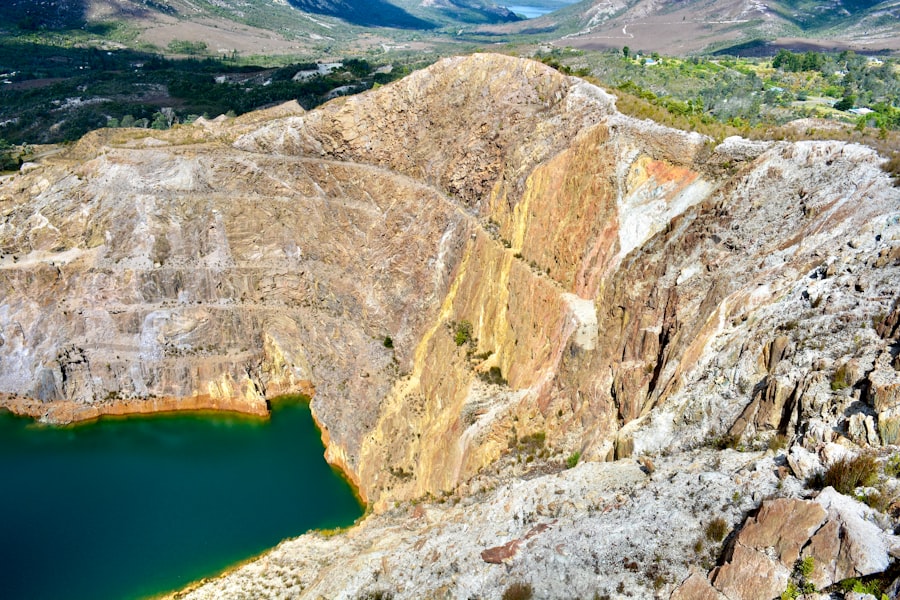
The economic influence of Copper Cliff is not a monolithic force; rather, it is a complex ecosystem where various elements are interdependently woven together. The success of the mining sector is inextricably linked to the health of its supporting industries, and conversely, a robust regional economy provides the necessary human capital and services for the mining operations to function effectively.
The Role of Government and Regulation
Government plays a crucial role in shaping the economic landscape of Copper Cliff. This includes policy frameworks related to resource extraction, environmental protection, and labor standards. The tax revenues generated by the mining operations are a significant source of funding for local and provincial governments, which can then be reinvested in public services and infrastructure.
Resource Taxation and Royalties
The extraction of natural resources is typically subject to taxation and royalty regimes. These financial contributions from mining companies are a vital revenue stream for governments, allowing for investment in public services, infrastructure, and economic diversification initiatives. The level and structure of these revenues can significantly influence the economic environment for both the industry and the broader community.
Environmental Legislation and Compliance
Modern mining operations are subject to stringent environmental regulations designed to mitigate their impact. Compliance with these regulations requires significant investment in technology and practices, but it also fosters the development of expertise in environmental management and remediation, creating opportunities for specialized businesses and professionals.
The Importance of Skilled Labor and Education
The sustained success of Copper Cliff’s economic engine relies heavily on a skilled and well-educated workforce. This necessitates a strong connection between the industrial sector and educational institutions, ensuring that training programs and academic curricula are aligned with the evolving needs of the industry.
Partnerships with Educational Institutions
Collaborations between mining companies and educational institutions, such as Cambrian College and Laurentian University, are crucial for developing the next generation of skilled workers. These partnerships can lead to specialized training programs, research initiatives, and internship opportunities, ensuring a pipeline of talent for the industry.
Continuous Training and Professional Development
The dynamic nature of the mining and smelting industry demands a commitment to continuous learning and professional development. Companies often invest in ongoing training programs to equip their employees with the latest skills and knowledge, enhancing productivity and safety, and maintaining a competitive edge.
Investment and Capital Flows
The economic health of Copper Cliff is also influenced by investment trends and capital flows. Both domestic and international investors play a role in funding exploration, mine development, and technological upgrades. The stability and profitability of the mining operations are key factors in attracting and retaining this vital capital.
Foreign Direct Investment
The significant resource wealth of the Sudbury Basin has historically attracted substantial foreign direct investment. International companies recognize the potential for profit and contribute capital, technology, and expertise, which in turn generates employment and economic activity within the region.
Domestic Investment and Reinvestment
Beyond foreign investment, domestic investors and the reinvestment of profits by established companies are equally important. This demonstrates a long-term commitment to the region and its resources, contributing to sustained economic growth and job creation.
Challenges and Future Directions

While Copper Cliff has historically been a powerhouse of economic activity, it is not immune to challenges. Global commodity price fluctuations, technological shifts, and evolving environmental concerns present ongoing considerations for the region’s economic future. Adapting to these dynamics is crucial for sustained growth.
Navigating Commodity Price Volatility
The international markets for nickel and copper are inherently volatile, with prices subject to global supply and demand, geopolitical factors, and economic cycles. Periods of low commodity prices can significantly impact the profitability of mining operations, leading to production cutbacks or even temporary closures, which in turn affect employment and the broader economy. This volatility is a constant factor that requires strategic management and diversification.
The Impact of Global Markets on Local Operations
The interconnectedness of the global economy means that events in distant corners of the world can have a direct impact on Copper Cliff. Changes in demand from major manufacturing hubs, the discovery of new ore bodies elsewhere, or shifts in trade policies can all influence the profitability and operational decisions of the local mines.
Strategies for Mitigation and Resilience
To mitigate the risks associated with commodity price volatility, regions like Copper Cliff often explore strategies such as diversification into areas beyond primary extraction, focusing on value-added processing, and investing in research and development to improve operational efficiency and reduce costs. Building resilience within the economic structure is paramount.
Technological Disruption and Automation
Advancements in automation and artificial intelligence are transforming industries worldwide, including mining. While these technologies can increase efficiency and safety, they also raise questions about the future of the workforce and the skills required. Proactive adaptation and investment in upskilling are essential to navigate this transition.
The Evolution of Mining Technology
The future of mining will likely involve increased automation, remote operation of equipment, and data-driven decision-making. Companies that embrace these technologies can gain a competitive advantage, but it requires a workforce equipped with new skills in areas such as robotics, data analytics, and software engineering.
Workforce Adaptation and Retraining
As automation becomes more prevalent, there will be a need for significant investment in workforce retraining and upskilling programs. This will ensure that the existing workforce can adapt to new roles and that the region continues to produce the specialized talent required for a technologically advanced mining sector.
Environmental Stewardship and Sustainability
Increasing global awareness of environmental issues has placed a greater emphasis on sustainable practices within the mining industry. Companies operating in Copper Cliff face growing pressure to minimize their environmental footprint, including reducing greenhouse gas emissions, managing water resources responsibly, and addressing land reclamation.
Reducing Environmental Impact
The pursuit of sustainability involves investing in cleaner technologies, improving energy efficiency, and developing innovative methods for waste reduction and resource management. This not only addresses environmental concerns but can also lead to long-term cost savings and enhanced corporate reputation.
The Circular Economy and Resource Utilization
The concept of a circular economy, which emphasizes the reuse and recycling of materials, is gaining traction within the mining sector. Exploring opportunities for greater resource utilization, such as recovering by-products or repurposing mine tailings, can create new economic avenues and reduce the environmental impact of operations.
The economic impact of Copper Cliff is a topic of significant interest, particularly in relation to its mining activities and community development. A related article that delves deeper into these aspects can be found at this site, which explores how local industries contribute to the overall economic landscape of the region. Understanding these dynamics is crucial for assessing the long-term sustainability and growth potential of Copper Cliff and its surrounding areas.
The Enduring Legacy and Future Potential
| Metric | Value | Unit | Notes |
|---|---|---|---|
| Employment | 3,500 | Jobs | Direct jobs in mining and smelting operations |
| Annual Copper Production | 100,000 | Tonnes | Estimated yearly output from Copper Cliff facilities |
| Economic Contribution | 1.2 Billion | CAD | Estimated annual contribution to local economy |
| Tax Revenue | 150 Million | CAD | Annual taxes paid by mining companies |
| Local Business Impact | 250 | Businesses | Number of local businesses supported by mining operations |
| Environmental Remediation Costs | 50 Million | CAD | Annual spending on environmental cleanup and sustainability |
Copper Cliff’s economic legacy is etched deep into the fabric of Northern Ontario, a testament to the power of natural resources and human enterprise. While the landscape of industry is constantly shifting, the district’s fundamental role as an economic catalyst appears poised to continue.
A Continued Source of Pride and Prosperity
For generations, the operations in Copper Cliff have provided a sense of pride and prosperity for the region. The ability to extract valuable resources from the earth and transform them into essential materials for global industries is a source of regional identity and economic stability. This enduring legacy provides a strong foundation for future endeavors.
The Impact on Regional Identity
The mining industry has profoundly shaped the identity of Sudbury and its surrounding communities. The challenges and successes of extracting mineral wealth have fostered a strong sense of community and resilience, contributing to a unique regional character.
Contribution to the Canadian Economy
Copper Cliff’s operations are not just of local or provincial significance; they contribute substantially to Canada’s overall resource-based economy. The nickel and copper produced are essential components in numerous global supply chains, from automotive manufacturing to renewable energy technologies.
Diversification Beyond Traditional Mining
While mining remains the cornerstone, there is an ongoing recognition of the need for economic diversification. Exploring opportunities in sectors that leverage existing infrastructure, skilled labor, and research capabilities can create a more robust and resilient regional economy, lessening reliance on the fluctuations of commodity markets.
Value-Added Processing and Manufacturing
Shifting focus towards value-added processing and manufacturing of extracted metals within the region can create new industries and higher-paying jobs. This would allow the region to capture more of the economic benefit from its resource wealth before products are exported.
Leveraging Expertise in Related Fields
The deep expertise in geology, engineering, and materials science developed through decades of mining can be leveraged in other sectors. This could include areas like advanced manufacturing, environmental consulting, or even specialized technologies for resource exploration in other parts of the world.
The Future: Innovation, Sustainability, and Collaboration
The future of Copper Cliff’s economic impact hinges on its ability to embrace innovation, prioritize sustainability, and foster strong collaborations. By proactively addressing challenges and capitalizing on emerging opportunities, the district can continue to serve as a vital engine for growth in the years to come.
Embracing Innovation and Technology
A continued commitment to adopting and developing new technologies will be essential for the long-term competitiveness of the mining sector. This includes exploring new extraction methods, enhancing automation, and leveraging digital tools for greater efficiency and safety.
Prioritizing Environmental Sustainability
A strong focus on environmental stewardship and sustainable practices will not only meet regulatory requirements but also enhance the industry’s social license to operate. Investments in cleaner technologies and responsible resource management will be crucial for attracting future investment and maintaining a positive reputation.
Fostering Collaboration and Partnerships
Strong collaborations between industry, government, educational institutions, and the community are vital for navigating complex challenges and seizing new opportunities. By working together, stakeholders can create a more integrated and prosperous economic future for Copper Cliff and the City of Greater Sudbury.
FAQs
What is the primary industry driving Copper Cliff’s economy?
Copper Cliff’s economy is primarily driven by the mining and metallurgical industries, particularly nickel and copper mining and processing.
How does the mining industry impact employment in Copper Cliff?
The mining industry is a major employer in Copper Cliff, providing jobs to a significant portion of the local population in various roles including mining operations, engineering, and support services.
What are some economic benefits Copper Cliff receives from mining activities?
Economic benefits include job creation, increased local business opportunities, infrastructure development, and contributions to municipal revenues through taxes and royalties.
Are there any environmental concerns related to Copper Cliff’s economic activities?
Yes, mining and smelting activities have historically led to environmental challenges such as air and water pollution, which have prompted remediation efforts and regulations to mitigate their impact.
How does Copper Cliff’s economy affect the broader regional economy?
Copper Cliff’s mining sector contributes significantly to the regional economy by supporting supply chains, generating export revenues, and fostering economic growth in surrounding communities.