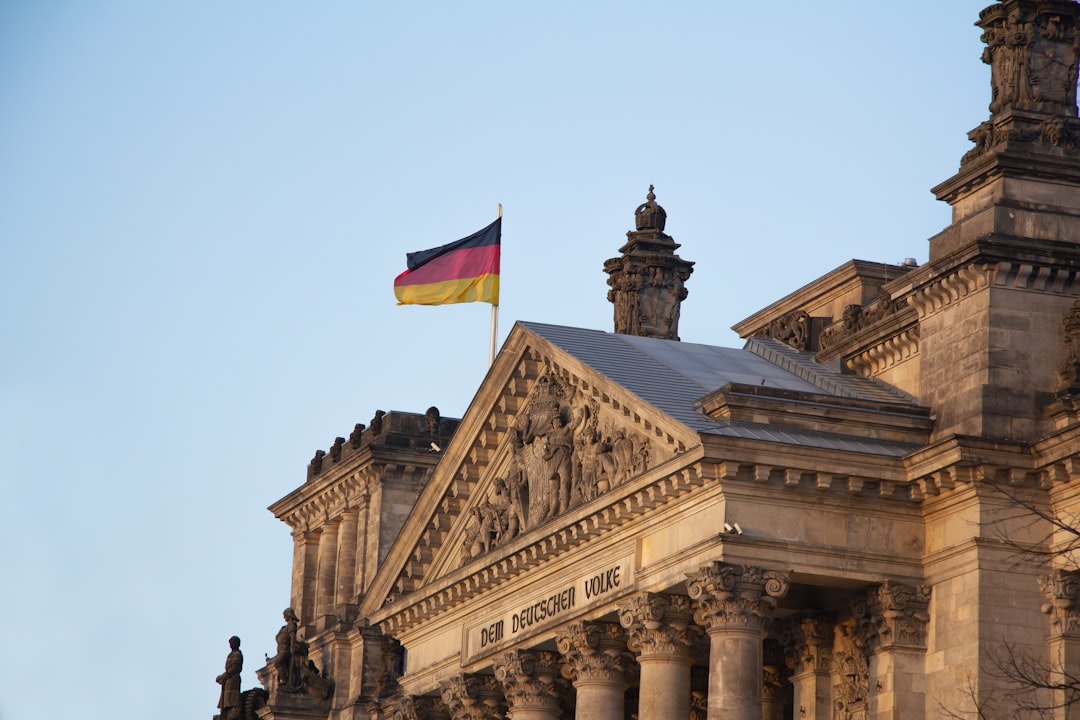
The era of seemingly unshakeable economic dominance for Germany, a period often referred to as the “Wirtschaftswunder” or economic miracle, is facing a significant reckoning. For decades, Germany stood as a beacon of industrial might and export prowess in Europe, a veritable engine pulling the continent forward. However, a confluence of global shifts, internal challenges, and perhaps a touch of complacency has begun to erode the foundations of this once-invincible economic edifice. The question is no longer if the miracle is ending, but rather how profound the transformation will be and what lessons can be gleaned from its twilight.
Germany’s economic miracle was, in large part, a triumph of its export-oriented industrial model. For generations, the nation’s skilled workforce, high-quality engineering, and strategic location fostered a robust manufacturing sector that dominated global markets for automobiles, machinery, chemicals, and pharmaceuticals. This intricate web of production and trade was the engine that powered its post-war recovery and sustained its prosperity. However, this very strength has become a point of vulnerability in the face of evolving global dynamics.
The Shifting Sands of Global Demand
The world is not static, and neither is the demand for German goods. Emerging economies, once primarily consumers of German products, are increasingly developing their own manufacturing capabilities, often with a cost advantage. China, in particular, has transitioned from a workshop of the world to a formidable competitor across numerous sectors, challenging German dominance in areas where it once held undisputed sway. This means the predictable flow of orders from abroad, the lifeblood of the German export engine, is no longer as guaranteed.
The Perils of Over-Reliance
The intense focus on exports, while undeniably successful, has also created a degree of systemic risk. Germany’s economy has become highly sensitive to global economic downturns, trade wars, and geopolitical instability. When the global demand slackens, the German export engine sputters, and the ripple effects are felt throughout the domestic economy. This over-reliance, like building a magnificent castle on a single, albeit strong, pillar, leaves it susceptible to tremors from the wider world.
The Rise of Protectionism and Trade Tensions
In recent years, a global trend towards protectionism and an increase in trade disputes have further complicated the outlook for German exports. Tariffs and non-tariff barriers erected by other nations can significantly increase the cost of German goods, making them less competitive. The ongoing geopolitical tensions, such as the war in Ukraine, have also disrupted supply chains and created uncertainty, further dampening the prospects for smooth international trade.
The economic miracle of Germany, known as the “Wirtschaftswunder,” marked a significant period of recovery and growth following World War II, but it eventually faced challenges that led to its conclusion. For a deeper understanding of the factors that contributed to the end of this remarkable economic phase, you can read a related article that explores the complexities of Germany’s economic landscape and the subsequent transformations it underwent. For more information, visit this article.
The Hydrogen Crisis and the Energy Transition
Germany’s ambitious green energy transition, while laudable in its environmental goals, has inadvertently created significant economic headwinds. The phasing out of nuclear power and reliance on a fluctuating renewable energy supply, coupled with the disruption of Russian gas imports, has led to a sharp increase in energy costs. This “Energiewende” is proving to be a costly endeavor, impacting industrial competitiveness and household budgets.
The Gas Dilemma: From Dependence to Diversification
For years, Germany enjoyed a relatively stable and affordable supply of natural gas from Russia, a cornerstone of its industrial operations. However, the weaponization of energy by Russia following the invasion of Ukraine exposed the profound vulnerability of this reliance. The urgent scramble to diversify energy sources, while necessary, has come at a steep price, with new sources often being more expensive and less reliable in the short term.
The High Cost of Green Ambitions
The transition to renewable energy sources necessitates massive investment in infrastructure, including grid upgrades and storage solutions. While these investments are crucial for long-term sustainability, the immediate financial burden is substantial. Higher electricity prices, a direct consequence of this transition and the phasing out of cheaper fossil fuels, are squeezing margins for businesses and reducing disposable income for consumers.
The Challenge of Industrial Competitiveness
The elevated cost of energy in Germany poses a significant threat to the competitiveness of its energy-intensive industries, such as chemicals and steel production. If these businesses cannot absorb or pass on these higher costs, they may be forced to relocate to countries with lower energy prices, leading to job losses and a decline in industrial output. The “Energiewende,” initially hailed as a path to future prosperity, is currently casting a long shadow over current economic performance.
The Aging Population and the Shrinking Workforce
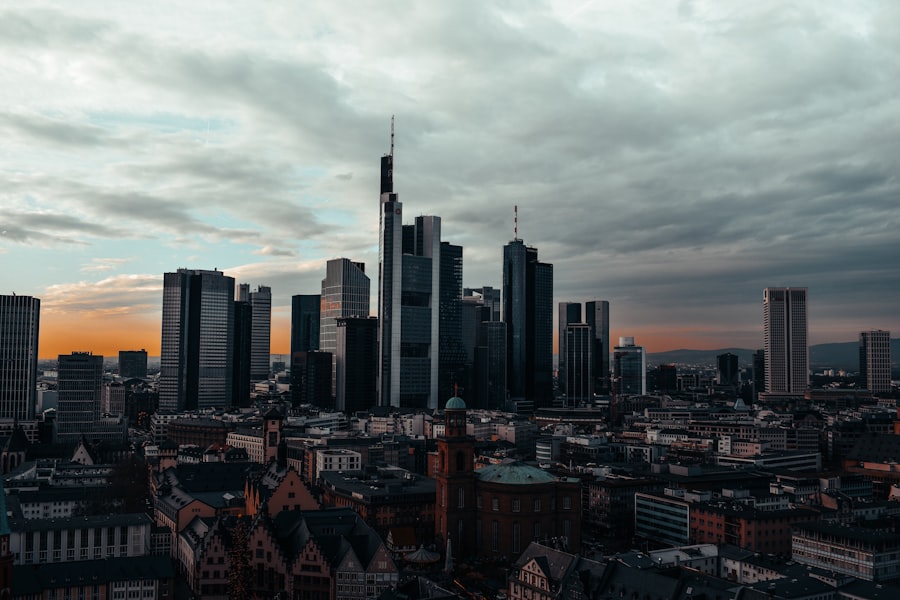
Germany, like many developed nations, is grappling with the demographic challenge of an aging population and a declining birthrate. This demographic shift has profound implications for its economy, leading to a shrinking workforce and increased pressure on social security systems. The once-abundant pool of skilled labor is beginning to recede, creating potential bottlenecks for growth.
The Greying of the Workforce
As the baby boomer generation retires, the number of individuals in the prime working years is declining. This demographic trend inevitably leads to a smaller labor force, which can limit a country’s capacity for economic expansion. The demand for labor continues to outstrip supply in many sectors, leading to wage pressures and challenges in filling skilled positions.
The Strain on Social Security Systems
A shrinking workforce supporting a growing elderly population places immense pressure on social security and pension systems. The ratio of contributors to beneficiaries is shifting unfavorably, raising concerns about the long-term sustainability of these vital programs. This demographic imbalance is a looming fiscal challenge that requires difficult policy decisions.
The Need for Immigration and Integration
To counteract the effects of an aging population, Germany has become increasingly reliant on immigration. However, the successful integration of immigrants into the workforce and society presents its own set of challenges. Language barriers, cultural differences, and the recognition of foreign qualifications can all impede the smooth absorption of new talent. While immigration is a necessary component of the solution, its effective management is crucial.
The Bureaucratic Labyrinth and the Stifling of Innovation
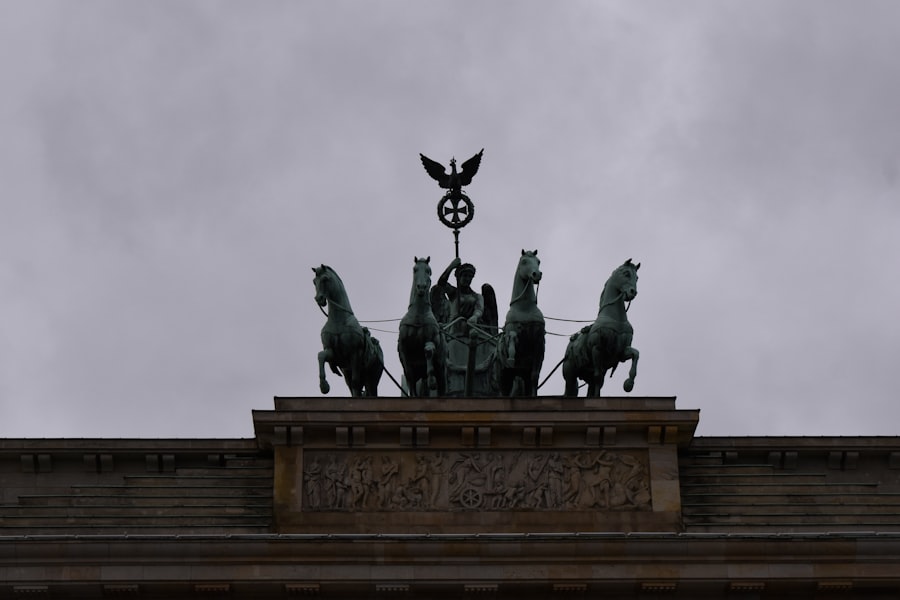
While Germany is renowned for its engineering prowess, it is also increasingly being recognized for its complex bureaucratic processes and a perceived lag in fostering cutting-edge innovation. The emphasis on meticulous planning and regulation, while ensuring quality, can sometimes stifle agility and the rapid adoption of new technologies.
The Slowness of Digitalization
The digital transformation has been slower to take hold in Germany compared to many other developed economies. Bureaucratic hurdles, a lack of digital infrastructure in some areas, and a cultural reluctance to embrace entirely new ways of working have contributed to this lag. This “digital deficit” can hinder productivity and limit the ability of businesses to compete in the global digital economy.
The Burden of Regulation
Germany’s robust regulatory framework, designed to ensure safety, environmental protection, and fair competition, can also act as a brake on innovation. The lengthy approval processes for new products and technologies, coupled with stringent compliance requirements, can discourage entrepreneurial ventures and delay the introduction of groundbreaking ideas to the market.
The Challenge of Startup Culture
While efforts are being made to foster a more vibrant startup ecosystem, Germany has historically struggled to match the innovation dynamism seen in places like Silicon Valley. The cultural emphasis on stability and established employment can sometimes make risk-taking less appealing for aspiring entrepreneurs. Creating an environment where bold ideas can flourish and scale rapidly remains a work in progress.
The remarkable transformation of Germany’s economy, often referred to as the “Wirtschaftswunder,” came to a significant turning point in the late 20th century. As the nation faced various challenges, including reunification and globalization, the foundations of this economic miracle began to shift. For a deeper understanding of the factors contributing to the end of this era, you can explore a related article that delves into the complexities of Germany’s economic landscape. This insightful piece can be found here, providing a comprehensive overview of the changes that shaped the country’s financial future.
The Road Ahead: Adaptation and Reimagining
| Year | GDP Growth Rate (%) | Unemployment Rate (%) | Industrial Production Growth (%) | Inflation Rate (%) | Notes |
|---|---|---|---|---|---|
| 1950 | 8.7 | 7.5 | 12.0 | 1.5 | Start of rapid post-war recovery |
| 1955 | 10.4 | 2.5 | 15.0 | 2.0 | Peak of economic miracle growth |
| 1960 | 4.2 | 1.7 | 5.5 | 1.8 | Growth begins to moderate |
| 1965 | 4.8 | 1.5 | 6.0 | 2.3 | Signs of slowing economic miracle |
| 1970 | 3.2 | 1.2 | 3.0 | 3.5 | End of economic miracle era, oil crisis impact |
The end of Germany’s economic miracle does not necessarily signify an end to its economic prosperity, but rather a profound period of necessary adaptation and recalibration. The nation must acknowledge its vulnerabilities and proactively address the challenges it faces. This requires a willingness to embrace change, to reimagine traditional economic models, and to foster a more dynamic and resilient future.
Embracing Diversification
A key lesson from the current economic headwinds is the need to diversify the economic base. While exports will remain important, fostering a stronger domestic demand, encouraging services, and supporting emerging industries will be crucial for building greater resilience. This means looking beyond the traditional manufacturing strengths and cultivating new avenues for growth.
Investing in the Future
Significant investment will be required in areas such as education, research and development, digital infrastructure, and sustainable energy solutions. These investments are not merely costs, but rather essential building blocks for future competitiveness and long-term prosperity. It’s akin to a gardener tending to their land, knowing that present effort yields future harvests.
Fostering Agility and Innovation
Germany must cultivate a more agile and innovation-friendly environment. This involves streamlining bureaucratic processes, encouraging greater risk-taking, and fostering a culture that embraces technological advancement. The ability to adapt quickly to changing global circumstances will be paramount.
International Cooperation and Resilience
In an increasingly interconnected world, international cooperation and trade partnerships remain vital. However, Germany must also focus on building greater resilience within its own economy to mitigate the impact of external shocks. This could involve strengthening domestic supply chains and reducing reliance on single sources for critical goods and energy. The economic miracle may be fading, but the potential for a strong and adaptable future remains, provided the necessary transformations are embraced with foresight and determination.
FAQs
What was the Germany economic miracle?
The Germany economic miracle, or “Wirtschaftswunder,” refers to the rapid reconstruction and development of West Germany’s economy after World War II, particularly during the 1950s and 1960s. It was characterized by high growth rates, low unemployment, and rising living standards.
What factors contributed to the Germany economic miracle?
Key factors included the implementation of the social market economy, currency reform, the Marshall Plan aid from the United States, a skilled labor force, industrial modernization, and strong export growth.
Why is the Germany economic miracle considered to be ending?
The economic miracle is considered to be ending due to challenges such as slower economic growth, demographic changes like an aging population, increased global competition, structural shifts in industries, and recent economic disruptions including the COVID-19 pandemic and geopolitical tensions.
How has Germany’s economy performed in recent years?
In recent years, Germany has experienced moderate growth but faces challenges such as supply chain disruptions, energy price volatility, and the need to transition to sustainable energy sources. While still Europe’s largest economy, growth rates have slowed compared to the post-war boom period.
What are the prospects for Germany’s economic future?
Germany aims to maintain economic stability by investing in digitalization, green technologies, and innovation. However, addressing demographic shifts, labor shortages, and adapting to global economic changes will be critical for sustaining long-term growth.