The economic landscape of Germany, often lauded as the powerhouse of Europe, presents a complex picture that, upon closer inspection, reveals nuances often overlooked in mainstream analyses. While surface-level statistics paint a robust image of prosperity and stability, a deeper dive uncovers potential statistical misrepresentations and a simmering undercurrent of hidden liabilities that could significantly impact the nation’s long-term economic health. This article endeavors to peel back these layers, examining the methodologies behind reported figures and exploring the subtle yet substantial financial commitments that may not always be visible on the balance sheet.
Germany’s official public debt, while seemingly under control and adhering to EU fiscal rules, may not capture the full extent of the state’s financial obligations. European Union member states are required to report public debt under the Maastricht criteria, which primarily focuses on gross central, state, and local government debt. However, this definition, while legally sound, acts as a selective filter, leaving certain financial responsibilities outside the immediate purview.
The Schattenhaushalt (Shadow Budget)
One significant area of concern lies within the concept of the “Schattenhaushalt,” or shadow budget. This refers to financial commitments undertaken by off-budget entities, special funds, or state-owned enterprises that, while ultimately backed by the state, are not always directly included in the headline public debt figures. These entities often raise capital independently or engage in long-term contractual obligations that, in the event of default or economic downturn, would necessitate governmental intervention.
For instance, consider the various state-backed development banks like KfW, which plays a crucial role in funding infrastructure projects, small and medium-sized enterprises (SMEs), and energy transitions. While KfW’s liabilities are consolidated in national accounts for statistical purposes, the perception among the general public and even some market analysts often focuses on direct government borrowing. The sheer scale and political imperative behind KfW’s activities mean its financial health is intrinsically linked to the German state, creating a contingent liability that, while not immediately visible, casts a long shadow.
Regional and Municipal Liabilities
Beyond federal commitments, the financial health of Germany’s Länder (states) and municipalities presents another layer of complexity. While federally guaranteed, individual states and countless municipalities carry their own significant debt burdens for infrastructure, public services, and social programs. The fiscal equalization system (Finanzausgleich) attempts to balance these regional disparities, but it also creates an implicit understanding that the federal government will ultimately prevent any major regional defaults. This implicit guarantee, like a hidden safety net, reduces the perceived risk for regional lenders but simultaneously expands the federal government’s contingent liabilities, even if not explicitly accounted for as federally issued debt.
Further, the long-term pension liabilities of civil servants at the state and municipal levels are substantial. Unlike the pay-as-you-go system for most private sector employees, civil servants enjoy a robust, unfunded pension system that relies on future tax revenues. These commitments, while not debt in the traditional sense, represent a significant future drain on public finances, often exceeding the explicit debt figures of these regional bodies.
Germany’s economy has often been portrayed as a model of stability and strength, but recent analyses suggest that this perception may be misleading. A related article discusses the underlying issues that have contributed to this narrative, revealing how factors such as demographic challenges, reliance on exports, and structural inefficiencies have created an illusion of prosperity. For a deeper understanding of these complexities, you can read more in the article found here: Germany’s Economy: A Closer Look at the Illusion of Strength.
Demographic Drift: The Unfunded Pension Time Bomb
Germany faces a demographic challenge of monumental proportions, often described as a “demographic time bomb.” The aging population, coupled with declining birth rates, is creating an unsustainable strain on the country’s social security systems, particularly the statutory pension insurance (Deutsche Rentenversicherung).
The Inherent Flaws of the Pay-as-You-Go System
The German pension system operates fundamentally on a pay-as-you-go (Umlagesystem) model. This means that current contributions from active workers are used to pay the pensions of current retirees. It is not a fully funded system where individual contributions are saved and invested over a lifetime to fund one’s own retirement. While this system has been highly effective in periods of economic growth and a young demographic, it becomes increasingly fragile as the ratio of retirees to active workers shifts dramatically.
As of recent statistics, Germany’s birth rate hovers around 1.5 children per woman, significantly below the replacement level of 2.1. Simultaneously, life expectancy continues to rise. This confluence of factors creates an ever-widening gap between contributions and payouts. The government supplements the pension system with substantial federal grants, which, while reported as expenditure, obscure the underlying structural deficit of the pension system itself. These grants, year after year, represent a recurring and growing obligation that, if not directly debt, acts as a mandatory expenditure item that reduces fiscal flexibility and could be seen as an implicit debt to future generations.
Healthcare System Under Pressure
Similar pressures affect Germany’s comprehensive healthcare system. While largely funded through compulsory health insurance contributions, an aging population inevitably leads to higher healthcare costs per capita. Advanced medical treatments, longer life expectancies, and the increasing prevalence of age-related illnesses mean that healthcare expenditures are on an upward trajectory. Government subsidies and structural reforms are often required to maintain solvency and quality of care, placing additional burdens on public finances that are not always reflected in traditional debt statistics. The healthcare system, like the pension system, represents a significant unfunded liability that future generations are implicitly obligated to bear.
The Eurozone’s Shared Burden: Germany’s Implicit Guarantees
As the economic anchor of the European Union and the largest contributor to the Eurozone, Germany shoulders a disproportionate share of the bloc’s financial stability mechanisms. While often framed as solidarity, these commitments also represent substantial contingent liabilities for the German taxpayer.
European Stability Mechanism (ESM)
The European Stability Mechanism (ESM) is a permanent crisis resolution mechanism for countries in the euro area. Germany is the single largest guarantor of the ESM, pledging a significant portion of its capital and callable capital. While this mechanism has been instrumental in stabilizing countries like Greece, Spain, and Portugal during past crises, the callable capital represents a potential obligation that, while not direct debt, could be activated under specific, severe circumstances. The ESM acts as a financial fire engine, and Germany is the primary funder, always on standby.
TARGET2 Imbalances
Perhaps one of the most opaque and frequently misunderstood “hidden debts” is found within the Eurozone’s TARGET2 payment system. TARGET2 (Trans-European Automated Real-time Gross Settlement Express Transfer System) facilitates cross-border payments within the Eurozone. When a country consistently imports more than it exports, or capital flows out, its national central bank incurs a deficit with the European Central Bank (ECB), and conversely, net exporting countries accumulate surpluses.
Germany, as a perennial net exporter, has accumulated massive TARGET2 surpluses, primarily counterbalanced by large deficits in Southern European countries. These surpluses represent a claim on the Eurosystem (and implicitly, on the debtor nations). While the Bundesbank views these as mere technical balances, some economists argue that these represent a significant uncollateralized loan to the deficit countries. If a country were to exit the Eurozone or default on its obligations, the German taxpayer could theoretically be on the hook for a substantial portion of these balances. This isn’t a direct sovereign debt, but a systemic exposure inherent in a monetary union without corresponding fiscal union.
Infrastructural Decay: A Slow-Motion Crisis

Despite its modern image, Germany’s core infrastructure – roads, bridges, railways, and digital networks – has suffered from chronic underinvestment for decades. This neglect, while not appearing as a “debt” on a balance sheet, represents a fundamental deficit in physical capital that will require enormous future investment, effectively a deferred cost.
Roads and Bridges
Many of Germany’s autobahns and municipal roads, built decades ago, are showing their age. The sheer volume of traffic and the incremental impact of heavy goods vehicles have led to widespread degradation, requiring extensive and costly repairs or complete reconstruction. Similarly, bridges across the country are facing structural deficiencies, leading to weight restrictions or even closures, disrupting supply chains and daily commuters. This chronic underfunding has a tangible economic cost, leading to increased transport times, higher maintenance costs for vehicles, and reduced economic efficiency. The longer these investments are postponed, the greater the eventual cost will be, like neglecting a leaky roof until the entire structure is compromised.
Digital Infrastructure Lag
Perhaps more critically for a modern economy, Germany significantly lags behind many comparable nations in digital infrastructure, particularly high-speed fiber optic networks. While extensive investment has been made in recent years, decades of underinvestment mean that large swathes of the country, especially rural areas, suffer from inadequate broadband access. This deficit hinders economic competitiveness, limits remote work capabilities, and acts as a drag on innovation and digital transformation. The cost of thoroughly upgrading this infrastructure is astronomical and represents a massive investment that will predominantly fall on public finances, either directly or through subsidized private investment. This is an investment debt to the future, jeopardizing Germany’s economic standing in an increasingly digital world.
Germany’s economy has often been portrayed as a model of stability and strength, but a closer examination reveals that this perception may be misleading. Many analysts argue that underlying issues, such as reliance on exports and demographic challenges, have been overlooked in favor of a more favorable narrative. For a deeper understanding of these complexities, you can read a related article that explores the intricacies of Germany’s economic situation and its implications for the future. To learn more, visit this insightful article.
The Energiewende’s Enormous Price Tag
| Metric | Reported Value | Underlying Issue | Explanation |
|---|---|---|---|
| GDP Growth Rate | 1.5% (Reported) | Overstated due to export dependency | Germany’s economy heavily relies on exports, which can inflate GDP figures without reflecting domestic economic health. |
| Unemployment Rate | 3.5% (Reported) | Underemployment and part-time work not fully accounted | Low unemployment figures mask the rise in precarious and part-time jobs, leading to a misleadingly positive labor market. |
| Public Debt to GDP | 59% (Reported) | Off-balance-sheet liabilities | Government debt figures exclude certain liabilities, understating the true fiscal burden. |
| Industrial Production | Stable | Declining competitiveness | Despite stable production numbers, many industries face declining global competitiveness due to rising costs. |
| Consumer Confidence Index | High | Short-term optimism | Consumer confidence is buoyed by temporary factors, not long-term economic fundamentals. |
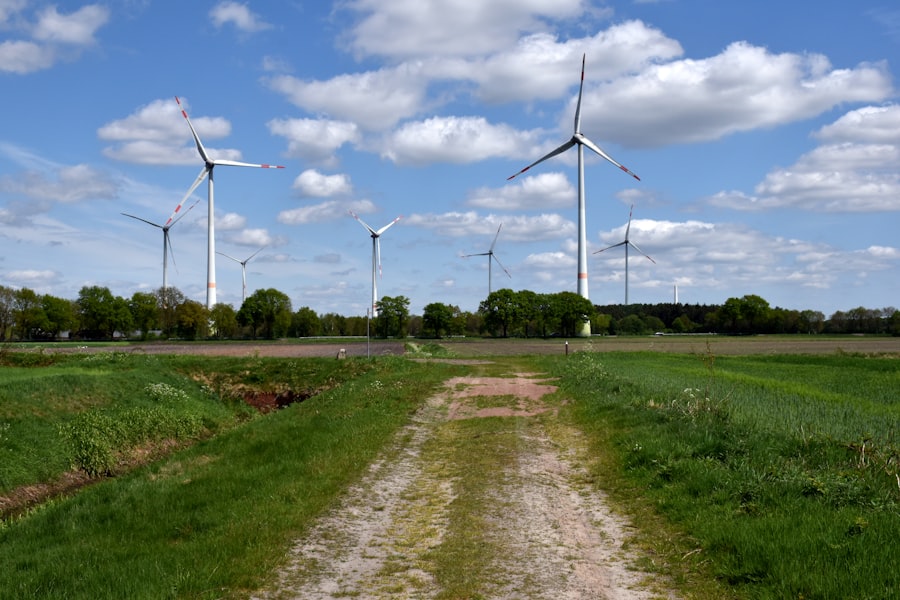
Germany’s ambitious “Energiewende” (energy transition), aiming to shift from nuclear and fossil fuels to renewable sources, is a monumental undertaking with a correspondingly monumental price tag. While laudable in its environmental goals, the financial implications are often downplayed or spread across various accounts.
Subsidies and Grid Expansion Costs
The transition has been heavily subsidized through levies on electricity consumers (EEG-Umlage), initially leading to some of the highest electricity prices in Europe for households and businesses. While the EEG-Umlage was abolished in July 2022 due to the energy crisis and higher CO2 pricing, the underlying costs of renewable energy integration, grid expansion, and maintaining system stability remain. Massive investments are needed to build new transmission lines to carry wind power from the North to industrial centers in the South, and to develop storage solutions. These costs are often borne by grid operators and consumers, but implicitly impact the competitiveness of German industry and require regulatory frameworks and, at times, direct public funding.
The Nuclear Phase-Out and Future Liabilities
The decision to phase out nuclear power entirely by 2022 (though some plants had their operational lives extended under emergency conditions in response to the 2022 energy crisis) also comes with specific future liabilities. The costs associated with decommissioning dormant nuclear power plants and, crucially, storing highly radioactive waste for tens of thousands of years are immense and incredibly complex. While utilities themselves are obliged to fund these, the ultimate responsibility for ensuring safe disposal and long-term security inevitably falls to the state. This represents an enormous, long-term, and largely uncertain financial obligation that, like a ticking clock, operates in the background of Germany’s public finances.
Conclusion: A More Realistic Assessment
For the astute observer, Germany’s economic narrative, while undoubtedly impressive in many aspects, invites a more nuanced interpretation than often presented. The country’s official debt statistics, while compliant with international standards, represent merely the visible tip of an iceberg. Beneath the surface lie substantial shadow budgets, unfunded pension and healthcare liabilities, significant contingent liabilities within the Eurozone, a pressing infrastructure deficit, and the colossal financial demands of the Energiewende.
To truly understand Germany’s economic position, one must go beyond the headline figures and consider these interwoven threads of financial commitments and deferred investments. These are not necessarily signs of immediate crisis but rather indicators of structural challenges and future burdens that, left unaddressed or underestimated, could significantly constrain Germany’s fiscal flexibility and long-term prosperity. Like a meticulously maintained car with a subtle, yet growing, oil leak, the health of the German economy requires regular, thorough inspection of all its parts, both visible and hidden, to ensure its continued smooth operation on the global economic highway.
FAQs
1. What is the main argument behind the claim that Germany’s economy was a lie?
The main argument is that Germany’s economic strength was overstated due to factors such as heavy reliance on exports, significant debt levels, and structural weaknesses that were masked by short-term growth indicators.
2. How did Germany’s export dependency affect perceptions of its economic health?
Germany’s economy heavily depended on exports, especially to other European countries and China. This made its economic performance vulnerable to global market fluctuations, which could create a misleading impression of stability and growth.
3. Were there any hidden economic problems in Germany despite its strong GDP figures?
Yes, despite strong GDP figures, Germany faced issues like an aging population, underinvestment in infrastructure, and a growing public debt burden, which raised concerns about the sustainability of its economic model.
4. How did Germany’s labor market contribute to the perception of economic strength?
Germany’s labor market reforms and relatively low unemployment rates contributed to the perception of economic strength. However, critics argue that these reforms also led to increased job insecurity and a rise in low-wage employment.
5. What lessons can other countries learn from the critique of Germany’s economy?
Other countries can learn the importance of looking beyond headline economic indicators, understanding structural vulnerabilities, and ensuring balanced growth that includes domestic demand and sustainable fiscal policies.