
The Japanese economy, once a global paragon of rapid growth and technological innovation, has for decades navigated a challenging and increasingly precarious landscape. Far from a sudden seismic event, its current state reflects a gradual, yet profound, structural shift – a silent collapse, characterized by stagnation, demographic decline, and a persistent inability to reignite sustained expansion. This article delves into the multifaceted issues contributing to this economic erosion, exploring their origins, impact, and the systemic challenges that impede recovery.
At the heart of Japan’s economic quagmire lies a demographic crisis of unprecedented scale. The nation faces a rapidly aging population and a continuously shrinking birth rate, a demographic tsunami that is reshaping every facet of its economic and social fabric.
The Inexorable March of the Elderly
Japan’s elderly dependency ratio is among the highest in the world. With fewer young people entering the workforce and a growing number of retirees requiring support, the economic implications are profound.
- Decreased Labor Pool: A declining working-age population directly translates to a smaller pool of skilled and unskilled labor. This scarcity impacts productivity, innovation, and the overall capacity for economic output. Businesses struggle to find suitable employees, hindering expansion and competitiveness.
- Strain on Social Security and Healthcare Systems: The pension and healthcare systems, designed for a younger, growing population, are now under immense fiscal pressure. The burden of supporting a larger elderly demographic falls disproportionately on a shrinking number of active workers, leading to rising taxes and potential benefit cuts.
- Reduced Consumption: Older populations tend to consume less across certain sectors, such as consumer electronics and fast-moving consumer goods, compared to younger demographics. This shift in consumption patterns further dampens internal demand, a critical component for economic growth.
The Low Fertility Trap
Japan’s birth rate has consistently hovered below the replacement level for decades, perpetuating the demographic decline. Various factors contribute to this phenomenon.
- Economic Insecurity and Cost of Raising Children: High costs associated with education, housing, and childcare, coupled with often precarious employment conditions, deter many couples from having larger families.
- Changing Societal Norms and Gender Roles: While improving, traditional gender roles still place a significant burden on women in balancing career and family, contributing to lower birth rates. Moreover, evolving individual aspirations and priorities have led to a greater focus on career and personal fulfillment over immediate family expansion for some.
- Lack of Adequate Policy Support: While government initiatives exist to encourage childbirth, many critics argue they are insufficient in scale and scope to meaningfully reverse the trend. The absence of comprehensive and easily accessible childcare, flexible work arrangements, and substantial financial incentives continues to be a barrier.
In recent discussions about the state of the Japanese economy, the article titled “Japan’s Economy: A Lie of Silent Collapse” provides a compelling analysis of the underlying issues that have contributed to the nation’s prolonged stagnation. The piece highlights how decades of deflation, an aging population, and ineffective monetary policies have led to a façade of stability, masking the deeper economic troubles that persist. For a more in-depth exploration of these themes, you can read the full article here: Japan’s Economy: A Lie of Silent Collapse.
Deflationary Drag and the Lost Decades: A Persistent Economic Malady
Beginning in the 1990s, following the bursting of its asset bubble, Japan entered a prolonged period of economic stagnation characterized by persistent deflation. This “Lost Decades” phenomenon has become a deeply entrenched feature of its economic landscape, acting as a powerful anchor preventing sustained growth.
The Vicious Cycle of Deflation
Deflation, a sustained decrease in the general price level of goods and services, presents a formidable challenge to economic recovery.
- Delayed Consumption: Consumers postpone purchases in anticipation of further price drops, leading to decreased demand. This creates a self-reinforcing cycle where businesses, facing lower demand, reduce prices, further entrenching deflationary expectations.
- Increased Real Value of Debt: In a deflationary environment, the real value of debt increases. This makes it harder for individuals and companies to repay loans, leading to reduced investment and increased bankruptcies.
- Reduced Corporate Profits and Investment: Falling prices erode corporate profits, discouraging investment in new capacity, research and development, and hiring. Businesses become more conservative, prioritizing cost-cutting over expansion.
Abenomics: A Mixed Legacy
In an attempt to finally break free from deflation, Prime Minister Shinzo Abe launched “Abenomics” in 2012, a bold economic stimulus program based on “three arrows”: aggressive monetary easing, fiscal stimulus, and structural reforms.
- Monetary Easing (First Arrow): The Bank of Japan embarked on an unprecedented asset purchase program, pushing interest rates into negative territory. While this successfully weakened the yen and boosted corporate profits for export-oriented industries, it did not consistently translate into sustained inflation or wage growth.
- Fiscal Stimulus (Second Arrow): Increased government spending on infrastructure projects and other initiatives aimed to stimulate demand. However, the effectiveness of these measures was often debated, with concerns about the national debt escalating further.
- Structural Reforms (Third Arrow): This arrow proved to be the most challenging to implement. Reforms aimed at deregulation, corporate governance, and labor market flexibility faced significant political and societal resistance, yielding limited tangible results in many areas. While Abenomics managed to prevent a deeper slide into deflation for a period and saw some corporate profits rise, it ultimately failed to achieve its primary objective of sustained 2% inflation and truly revitalize the economy in a lasting manner.
Corporate Inertia and Risk Aversion: A Stifling Business Environment

Beneath the veneer of technological sophistication, many Japanese corporations exhibit a deep-seated conservatism and risk aversion that hinders innovation and adaptation. This cultural inertia, while fostering stability in certain respects, can also act as a drag on dynamism and growth.
The Zaibatsu Legacy and Keiretsu Influence
The historical legacy of the zaibatsu (pre-WWII industrial and financial conglomerates) and their modern counterparts, the keiretsu (interconnected groups of companies), continues to influence corporate behavior.
- Cross-Shareholdings and Insular Networks: Extensive cross-shareholdings among keiretsu member companies can dilute external shareholder influence and entrench management. Decision-making often prioritizes the stability of the group over aggressive, potentially risky, growth strategies.
- Emphasis on Consensus and Seniority: Corporate culture in Japan often values harmony and consensus-building, which can lead to slow decision-making processes. Seniority-based promotion systems, while ensuring experience, can sometimes stifle fresh ideas and discourage younger talent from challenging established norms.
Lack of Disruptive Innovation
Despite Japan’s prowess in incremental innovation and manufacturing excellence, it has struggled to produce globally disruptive technological innovations in recent decades, particularly in software and digital services.
- Risk Aversion and Investment Patterns: Japanese companies tend to be more risk-averse when it comes to investing in unproven technologies or radical new business models. This conservative approach limits their ability to compete in rapidly evolving global markets where agility and disruptive innovation are paramount.
- Talent Flow and Startup Ecosystem: Compared to Silicon Valley or other global innovation hubs, Japan’s startup ecosystem is less vibrant. The flow of talent from large corporations to startups is also relatively limited, as traditional employment offers greater perceived stability.
- Language and Cultural Barriers to Globalization: While Japanese companies are global by nature, the domestic market’s size and language have historically offered a degree of insulation. This can sometimes lead to a less outwardly focused approach to global market trends and technological shifts.
Global Economic Headwinds and Geopolitical Realities: External Pressures
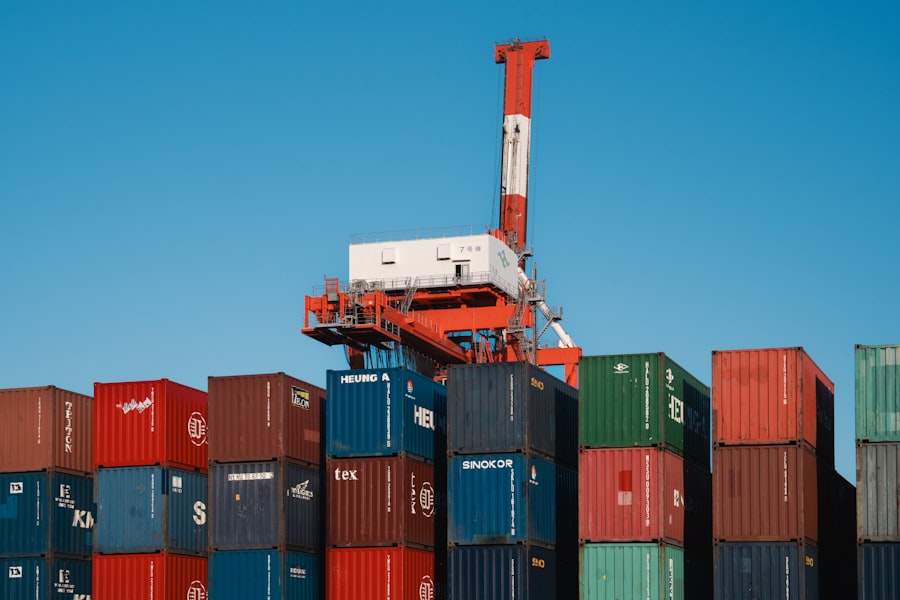
Beyond internal challenges, Japan’s economic trajectory is also significantly influenced by the broader global economic environment and evolving geopolitical landscape. As a heavily export-oriented economy and a nation reliant on imported energy and raw materials, it is particularly susceptible to external shocks.
Reliance on Export Markets and Global Trade Fluctuations
Japan’s economy is inextricably linked to global trade. Its manufacturing powerhouses, from automobiles to electronics, depend heavily on international demand.
- Vulnerability to Global Slowdowns: Recessions or slowdowns in major trading partners, such as the United States, China, and Europe, directly impact Japanese export volumes and corporate profits. The global financial crisis of 2008 and the COVID-19 pandemic serve as potent reminders of this vulnerability.
- Trade Tensions and Protectionism: Rising protectionist sentiments and trade tensions, particularly between the U.S. and China, disrupt global supply chains and create uncertainty for Japanese exporters. Diversifying supply chains and market access becomes crucial but complex.
Energy Dependency and Resource Scarcity
Japan is a resource-poor nation, heavily reliant on imports for virtually all its energy needs (oil, natural gas, coal) and many raw materials crucial for its industries.
- Volatile Energy Prices: Fluctuations in global energy prices have a direct and significant impact on Japan’s balance of trade and the cost of doing business. The nation’s decision to phase out nuclear power in the wake of the Fukushima disaster further exacerbated this dependency on imported fossil fuels, though a re-evaluation is ongoing.
- Geopolitical Risks to Supply Chains: Geopolitical instability in energy-producing regions or disruptions to crucial shipping lanes pose significant risks to Japan’s economic security. Securing diversified and stable energy supplies is a constant strategic imperative.
The recent discussions surrounding Japan’s economy have led many to reflect on the notion of a silent collapse, a theme explored in depth in a related article. This piece delves into the underlying factors that have contributed to the perceived stability of Japan’s economic landscape, while hinting at the fragility that lies beneath the surface. For those interested in understanding the complexities of this situation, the article can be found here: Japan’s Economic Illusion. It provides valuable insights into how the country’s economic narrative may not be as robust as it seems.
Government Debt and Fiscal Constraints: A Looming Spectre
| Metric | Value | Year | Notes |
|---|---|---|---|
| GDP Growth Rate | 0.7% | 2023 | Low growth indicating stagnation |
| Public Debt to GDP Ratio | 260% | 2023 | One of the highest among developed nations |
| Population Decline Rate | -0.7% | 2023 | Negative growth impacting labor force |
| Unemployment Rate | 2.5% | 2023 | Relatively low but underemployment issues exist |
| Inflation Rate | 3.2% | 2023 | Higher than usual, impacting cost of living |
| Corporate Debt Level | 150% of GDP | 2023 | High leverage in private sector |
| Real Wage Growth | -0.5% | 2023 | Declining real wages despite nominal increases |
Japan holds the unenviable distinction of having the highest public debt-to-GDP ratio among developed nations, a mountainous debt that casts a long shadow over its long-term fiscal health and limits its ability to respond to future economic crises.
The Accumulation of Debt
The origins of Japan’s colossal debt are multifaceted, stemming from decades of fiscal stimulus, particularly since the bursting of the asset bubble in the 1990s, and the increasing social security costs associated with its aging population.
- Repeated Stimulus Packages: In efforts to combat deflation and stimulate growth, successive Japanese governments have implemented large-scale fiscal stimulus packages. While intended to boost the economy, many of these failed to generate sustainable growth and contributed significantly to debt accumulation.
- Rising Social Security Expenditures: The escalating costs of pensions and healthcare for a rapidly aging population represent a structural component of government spending that continues to grow, placing immense pressure on the national budget.
The “JGB Paradox” and Fragile Stability
Despite its astronomical debt, Japan has largely avoided a sovereign debt crisis due to a unique set of circumstances often referred to as the “JGB Paradox.”
- Domestic Ownership: A significant majority of Japanese Government Bonds (JGBs) are held by domestic institutions (such as the Bank of Japan, commercial banks, and pension funds). This limits the exposure to foreign capital flight and reduces external pressure on interest rates.
- High Domestic Savings Rate: Historically, Japan has maintained a high domestic savings rate, providing a ready pool of capital to finance government debt. This internal funding mechanism acts as a critical stabilizer.
- Bank of Japan’s Role: The Bank of Japan (BOJ) has become the largest holder of JGBs through its aggressive asset purchase programs. While this has effectively kept long-term interest rates extremely low, it blurs the lines between monetary and fiscal policy and raises concerns about the BOJ’s balance sheet health and future exit strategies from its unconventional policies.
The Inevitable Reckoning
While the “JGB Paradox” has offered a degree of stability, it is not an indefinite solution. The sustainability of such a high debt burden remains a serious concern.
- Limited Fiscal Space: The sheer size of the debt severely limits the government’s fiscal space to respond to future economic shocks or to fund necessary investments in areas like green technology or infrastructure. Any significant increase in global interest rates could trigger a cascade of problems.
- Future Generations’ Burden: The repayment of this debt ultimately falls on future generations. This intergenerational burden raises questions about equitable resource distribution and the long-term economic prospects of the nation.
- Challenges in Fiscal Consolidation: Implementing effective fiscal consolidation measures (such as raising taxes or cutting spending) is politically challenging, especially in an economy struggling with growth and an aging population reliant on social security.
Conclusion: A Crucible of Challenges
Japan’s economic challenges are deeply intertwined, forming a complex web that is difficult to untangle. The silent collapse, characterized by demographic decline, persistent deflation, corporate inertia, and a mountain of public debt, presents a crucible of adversity. While the nation possesses significant strengths – technological prowess, a highly skilled workforce, and a strong work ethic – its ability to transform these into renewed economic vitality hinges on confronting these systemic issues with innovative and politically feasible solutions. The path forward remains fraught with difficulty, requiring a fundamental reimagining of its economic model and a willingness to embrace significant structural change. For the rest of the world, Japan serves as a stark reminder that even highly developed economies are not immune to the silent erosion of fundamental economic forces when left unaddressed.
FAQs
What is meant by the phrase “Japan economy was a lie” in the context of the article?
The phrase suggests that the perceived strength and stability of Japan’s economy were misleading or overstated, masking underlying issues that led to a silent or gradual economic collapse.
What factors contributed to the silent collapse of Japan’s economy?
Key factors include prolonged deflation, an aging population, high public debt, stagnant wage growth, and structural inefficiencies in industries and government policies.
How has Japan’s demographic situation impacted its economic performance?
Japan’s aging population and declining birthrate have reduced the labor force, increased social welfare costs, and lowered domestic consumption, all of which have negatively affected economic growth.
What role did Japan’s asset price bubble play in its economic decline?
The bursting of the asset price bubble in the early 1990s led to a prolonged period of economic stagnation known as the “Lost Decade,” with lasting effects on banking, investment, and consumer confidence.
Are there any measures Japan is taking to address its economic challenges?
Japan has implemented policies such as monetary easing, structural reforms, promoting technological innovation, and encouraging workforce participation among women and older workers to revitalize its economy.