
The Truth Behind Germany’s Economic Deception
Germany, a nation celebrated for its robust industrial prowess and as the often-cited locomotive of the European economy, has long projected an image of unwavering economic stability and responsible governance. This narrative, carefully cultivated and widely disseminated, has painted a picture of a mercantilist marvel, a country that seemingly possesses a secret formula for sustained prosperity. However, beneath the polished surface of these pronouncements, economic realities can be more complex, and what appears as an unassailable fortress of economic strength may, upon closer scrutiny, reveal fissures that challenge the prevailing perception. The truth behind Germany’s economic narrative is not one of inherent flaw or impending doom, but rather a nuanced interplay of structural advantages, historical legacies, and policy choices that, while undeniably successful in many regards, also contribute to certain vulnerabilities and invite scrutiny.
Germany’s economic success is not a product of happenstance. It is built upon a foundation of meticulously designed pillars, each contributing to its formidable structure. Understanding these pillars is crucial to appreciating the source of its perceived strength and the factors that perpetuate its influence.
Engineering Excellence and Manufacturing Dominance
At the heart of Germany’s economic engine lies its world-renowned manufacturing sector, particularly its engineering and automotive industries. Companies like Volkswagen, BMW, Siemens, and Bosch are not merely corporate entities; they are global brands synonymous with quality, innovation, and precision engineering. This dominance is not accidental. It is the result of a long-standing emphasis on vocational training, a highly skilled workforce, and a culture that values craftsmanship.
The Vocational Training System: A Dual Apprenticeship
The dual vocational training system, or “duale Ausbildung,” is a cornerstone. It combines theoretical education in vocational schools with practical, on-the-job training within companies. This creates a pipeline of highly qualified workers tailored to the specific needs of German industry, ensuring a steady supply of skilled labor that underpins the competitiveness of its manufacturing output. This system acts as a fertile ground where young talent is nurtured, growing into indispensable cogs in the industrial machine.
Research and Development Investment: Fueling Innovation
Germany consistently ranks among the top nations for investment in research and development (R&D). This commitment to innovation allows its industries to remain at the cutting edge, developing new technologies and improving existing ones. This R&D focus is not confined to large corporations; it is also embedded within universities and research institutions that collaborate closely with industry. This continuous cycle of innovation is the lifeblood that keeps the German industrial dragon breathing fire.
Export-Oriented Growth: The Global Reach
Germany’s economy is heavily reliant on exports. Its high-quality goods, from cars and machinery to chemicals and pharmaceuticals, are in demand worldwide. This export-driven model has been a primary driver of its economic growth for decades, allowing it to accumulate significant trade surpluses. This global reach transforms the German economy into a vast network, with tendrils reaching into every corner of the globe, drawing sustenance from international demand.
The Euro Currency Advantage: A Tailored Fit?
The introduction of the Euro has, in many ways, benefited Germany by eliminating currency exchange rate fluctuations with its major trading partners within the Eurozone. This facilitates smoother trade and investment, allowing German companies to compete more effectively on a continental scale without the volatility that currency exchange can introduce. The Euro has acted as a unifying force, creating a larger, more predictable market for German goods.
Navigating Global Trade Dynamics: A Steady Hand
Germany has historically excelled at navigating the complexities of global trade agreements and fostering strong diplomatic relationships that support its export interests. Its consistent advocacy for open markets and free trade has allowed its products to penetrate diverse economies. This diplomatic prowess is akin to a skilled navigator, charting courses through the often-turbulent seas of international commerce.
Germany’s economy has often been portrayed as a model of stability and strength; however, a deeper analysis reveals underlying issues that challenge this narrative. An insightful article that delves into these complexities can be found at this link. It discusses the discrepancies between Germany’s economic performance and the realities faced by its workforce, shedding light on the factors that contribute to the perception of a robust economy while masking significant challenges.
The Structural Underpinnings: Mechanisms of Success
Beyond the visible pillars of industry and exports, a complex machinery of structural elements underpins Germany’s economic performance. These are the less visible but equally vital components that enable the smooth functioning of its economic engine.
A Strong Social Market Economy Model: Balancing Competition and Social Welfare
Germany operates under a “social market economy” (Soziale Marktwirtschaft) model. This framework seeks to combine the dynamism of a free market with social justice and security. It emphasizes robust social safety nets, including comprehensive healthcare, unemployment benefits, and pensions, alongside a commitment to fair competition and antitrust regulations. This balance is the tightrope upon which the German economy walks, striving for both efficiency and equity.
The Role of Co-determination (Mitbestimmung): Worker Representation
A unique feature of the German model is co-determination, which grants workers significant representation on the supervisory boards of large companies. This collaboration between management and labor aims to foster a sense of shared responsibility and to ensure that corporate decisions consider the interests of employees as well as shareholders. This partnership is like a two-headed dragon, powerful and with a shared vision, ensuring that progress benefits more than just one entity.
Stability and Predictability: A Foundation for Investment
The established legal framework, consistent regulatory environment, and generally stable political landscape in Germany contribute to a high degree of predictability for businesses. This stability is a magnet for both domestic and foreign investment, as companies feel more secure in their long-term planning and operations. This predictable environment acts as a solid bedrock, upon which businesses can confidently build their empires.
Fiscal Prudence and Debt Management: A Disciplined Approach
Germany has often been lauded for its fiscal discipline, with a history of low public debt relative to its GDP and a commitment to balanced budgets, often enshrined in constitutional “debt brakes.” This disciplined approach has provided it with significant fiscal headroom, especially during economic downturns, allowing for stimulus measures without jeopardizing long-term financial stability. This fiscal discipline is like a seasoned captain, carefully managing the ship’s resources to weather any storm.
The “Schwarze Null” Policy: A Balanced Budget Aspiration
The “Schwarze Null” (black zero) policy, aiming for a balanced federal budget, has been a central tenet of German fiscal policy in recent years. While subject to debate and modification during crises, it reflects a deep-seated cultural preference for fiscal responsibility. This aspiration for a balanced budget is a powerful guiding star, influencing budgetary decisions and fiscal planning.
Flexibility in Economic Downturns: A Reserve of Strength
While advocating for fiscal prudence, Germany has also demonstrated the capacity to deploy stimulus measures when necessary, drawing on its accumulated fiscal reserves. This combination of long-term discipline and short-term flexibility provides a crucial buffer against economic shocks. This ability to be both frugal and generous, depending on the circumstances, showcases a remarkable economic adaptability.
Challenges and Criticisms: Cracks in the Facade?
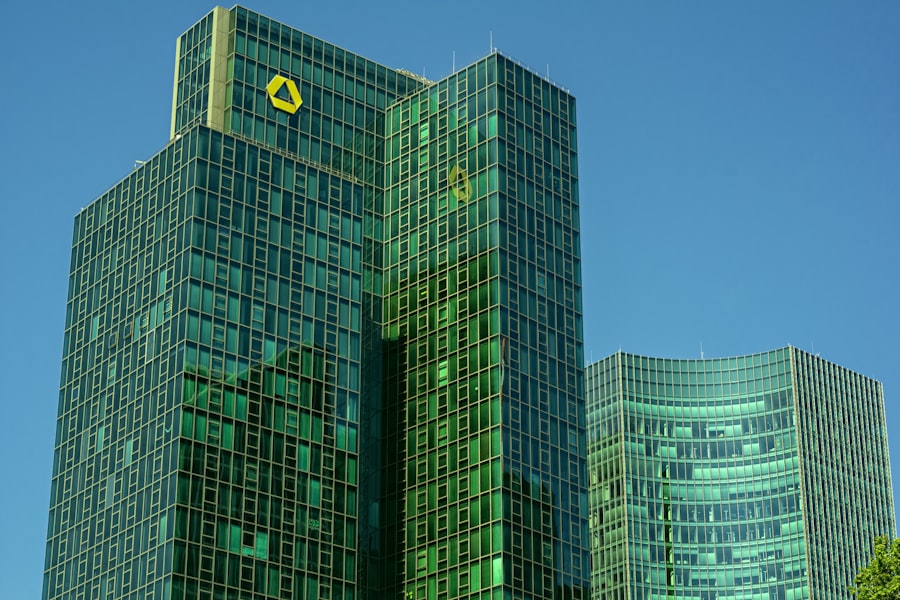
Despite its impressive economic record, Germany, like any nation, faces its share of challenges and criticisms. These issues, often debated internally and externally, highlight areas where vulnerabilities may lie or where the prevailing narrative might not fully reflect the complexities on the ground.
Demographic Shifts and Labor Shortages: The Graying of the Workforce
Germany is grappling with a rapidly aging population and a declining birth rate. This demographic shift is leading to a shrinking workforce and an increasing dependency ratio, placing strain on social security systems and posing a challenge for industries reliant on a steady supply of labor. The demographic tide is a slow but persistent force, gradually reshaping the landscape of the German workforce.
The Impact on Pension Systems: A Looming Fiscal Burden
The aging population directly impacts the sustainability of Germany’s generous pension system. A smaller working population supporting a larger retired population creates a fiscal challenge that requires careful management and potential reforms. The pension system, once a symbol of security, now faces the specter of demographic pressure, requiring a delicate balancing act.
The Need for Skilled Immigration: Bridging the Gap
To address labor shortages, particularly in skilled trades and professions, Germany needs to attract and integrate skilled immigrants. While efforts are being made, the process can be slow and complex, and public perception can also be a factor. The doors of opportunity must swing open wider to skilled individuals from around the globe, forming a bridge to overcome the looming labor deficit.
Infrastructure Deficiencies: Neglect in the Engine Room
Decades of underinvestment have led to aging and inadequate transportation and digital infrastructure in some parts of Germany. This can hinder economic efficiency, particularly outside of major industrial hubs. The impressive engine of the German economy can sputter if its vital arteries – its infrastructure – are neglected.
The State of the Autobahn: More Than Just Speed Limits
While the Autobahn is often associated with Germany, sections are in disrepair, leading to traffic congestion and increased journey times. Similar issues plague railway networks and digital communication infrastructure in many regions. The legendary Autobahn, a symbol of German engineering, is increasingly showing signs of wear and tear, necessitating significant investment.
The Digital Divide: Bridging the Connectivity Gap
The rollout of high-speed internet and robust digital infrastructure has been slower in some rural and less developed areas compared to other advanced economies. This digital divide can disadvantage businesses and individuals in these regions and impact overall economic competitiveness. The race for connectivity is a critical one, and falling behind can isolate communities and stifle economic potential.
Dependence on Exports: A Double-Edged Sword
While a source of strength, Germany’s heavy reliance on exports also makes it vulnerable to global economic slowdowns and geopolitical shifts. A significant downturn in key export markets can have a disproportionate impact on the German economy. The global marketplace, while a source of sustenance, can also be a source of unpredictable storms.
Geopolitical Risks and Supply Chain Vulnerabilities
Rising protectionism, trade wars, and geopolitical tensions can disrupt global supply chains and create uncertainty for German exporters. The interconnectedness that fuels its success also exposes it to external shocks. The intricate web of global trade, while beneficial, can also snag and entangle, causing disruptions that ripple through the economy.
The Need for Diversification: Broadening the Economic Base
Some economists argue that Germany needs to further diversify its economy beyond its traditional manufacturing strengths to reduce its reliance on external demand. This could involve fostering growth in domestic consumption or developing new service-based industries. Cultivating new avenues of growth, like planting a diverse garden, can ensure resilience against the failure of any single crop.
The Perception vs. Reality: Unpacking the “Deception”
The term “deception” in the context of Germany’s economy is not necessarily an accusation of intentional malice, but rather an acknowledgment that the carefully curated image may, at times, mask underlying complexities or overshadow emerging challenges. It is about understanding the nuances that lie beneath the surface of the polished narrative.
The Myth of Unwavering Strength: A Carefully Crafted Image
Germany has excelled at projecting an image of economic invincibility, often serving as a benchmark for other nations. This image is carefully constructed through consistent messaging, celebrating its successes, and downplaying or reframing challenges. The global audience has been presented with a picture so compelling, it has become a widely accepted truth, even if the full canvas is more intricate.
Media Narratives and Political Rhetoric: Reinforcing the Image
Consistent reporting from reputable media outlets, often with a focus on Germany’s economic achievements, and the pronouncements of its political leaders have reinforced this perception. This creates a feedback loop where success is amplified, and potential weaknesses are contextualized or minimized. The media, like a skilled sculptor, has meticulously chiseled away at the rough edges, presenting a smooth, idealized form.
The Eurozone’s Perspective: A Central Player’s Role
Within the Eurozone, Germany’s economic strength is often seen as a stabilizing force. This perception can lead to expectations of Germany taking the lead in economic crises, further solidifying its image as the responsible, problem-solving economic powerhouse. The other members of the Eurozone have come to rely on Germany’s strength, akin to a ship looking to its most robust mast for stability in rough seas.
The Reality of Ongoing Adjustment: A Dynamic System
The truth is that no economy, however strong, is static. Germany is continuously adjusting to changing global conditions, technological advancements, and its own internal demographic and structural challenges. What might appear as a “deception” is often the complex, ongoing process of adaptation and evolution inherent in any large, dynamic economic system. The economy is not a statue, fixed in time, but a living organism, constantly adapting and responding to its environment.
Policy Responses to Emerging Issues: A Continuous Effort
The German government and its institutions are actively engaged in developing and implementing policies to address issues like climate change, digitalization, and demographic shifts. These efforts, while sometimes slow to yield visible results, represent a continuous commitment to maintaining long-term economic competitiveness. The engine is being continually tuned and upgraded, not left to rust.
The Influence of External Factors: Beyond German Control
Many of the challenges confronting Germany are influenced by global trends that are beyond its direct control. The war in Ukraine, disruptions to global energy supplies, and rising inflation are all examples of external factors that impact its economy, regardless of its internal strengths. The economic ship, while well-built, must still contend with the unpredictable currents and weather of the global economic ocean.
Germany’s economy, often hailed as a model of stability and efficiency, has faced scrutiny in recent years, leading some experts to argue that its perceived strength may be misleading. A related article discusses the underlying factors contributing to this narrative, highlighting issues such as demographic challenges and reliance on exports. For a deeper understanding of these complexities, you can read more in this insightful piece on the topic. The article can be found here, providing a comprehensive analysis of why the facade of Germany’s economic prowess might not tell the whole story.
Conclusion: A Complex Equation of Strength and Adaptation
| Metric | Reported Value | Underlying Issue | Explanation |
|---|---|---|---|
| GDP Growth Rate | 1.5% (Reported) | Overstated due to export dependency | Germany’s economy heavily relies on exports, which can be volatile and influenced by global demand, masking domestic weaknesses. |
| Unemployment Rate | 3.5% (Reported) | Underemployment and low-quality jobs | Low unemployment figures do not account for part-time or precarious employment, which affects economic stability. |
| Public Debt to GDP | 59% (Reported) | Off-balance-sheet liabilities | Some liabilities, such as pension obligations, are not fully accounted for, understating true debt levels. |
| Industrial Production | Flat or Declining | Hidden by service sector growth | Manufacturing output has stagnated or declined, but growth in services masks this decline in headline figures. |
| Investment in Innovation | Below EU Average | Long-term growth risk | Lower investment in R&D threatens future competitiveness, contradicting claims of a robust economy. |
Germany’s economic narrative is not a simple tale of unqualified success, nor is it a story of deliberate deception. Instead, it is a complex equation where formidable strengths forged by decades of strategic policy and cultural emphasis on quality are balanced against evolving internal and external challenges. The perception of Germany as an economic marvel is largely earned, built upon a foundation of innovation, skilled labor, and export prowess. However, acknowledging the fissures – the demographic shifts, infrastructure needs, and reliance on global markets – is not to diminish its achievements, but to understand the dynamic reality of a nation striving for sustained prosperity in an ever-changing world.
The “deception,” if one can even use that strong a term, lies not in an intent to mislead, but in the inherent human tendency to simplify complex realities into digestible narratives. Germany’s economic story is a testament to meticulous planning and execution, yet it also underscores the universal truth that even the most robust structures require ongoing maintenance, adaptation, and a clear-eyed assessment of the horizon. The nation’s ability to navigate these ongoing adjustments will ultimately define its economic trajectory in the years to come, moving beyond the perception of an unassailable fortress to one of resilient, adaptable strength.
FAQs
1. What is the main argument behind the claim that Germany’s economy was a lie?
The main argument is that Germany’s economic success was overstated due to factors such as reliance on debt, export-driven growth that masked domestic weaknesses, and structural issues like low productivity and demographic challenges that were not adequately addressed.
2. How did Germany’s export-driven economy contribute to misconceptions about its economic strength?
Germany’s economy heavily depended on exports, especially to other European countries. This created an illusion of strength, but it also meant that Germany was vulnerable to external demand fluctuations and did not focus enough on boosting domestic consumption and investment.
3. What role did debt and financial practices play in the perception of Germany’s economic health?
Germany’s economic model involved significant borrowing and financial engineering, which helped sustain growth temporarily. However, this reliance on debt raised concerns about the sustainability of its economic performance and the true health of its economy.
4. Were there structural problems in Germany’s economy that contradicted the image of strength?
Yes, Germany faced structural problems such as an aging population, labor market rigidities, and insufficient innovation in certain sectors. These issues challenged the long-term viability of its economic model despite short-term successes.
5. How did the global economic environment affect the perception of Germany’s economy?
The global economic environment, including the Eurozone crisis and changing trade dynamics, exposed vulnerabilities in Germany’s economy. Dependence on exports and external markets made it susceptible to global shocks, which questioned the robustness of its economic performance.