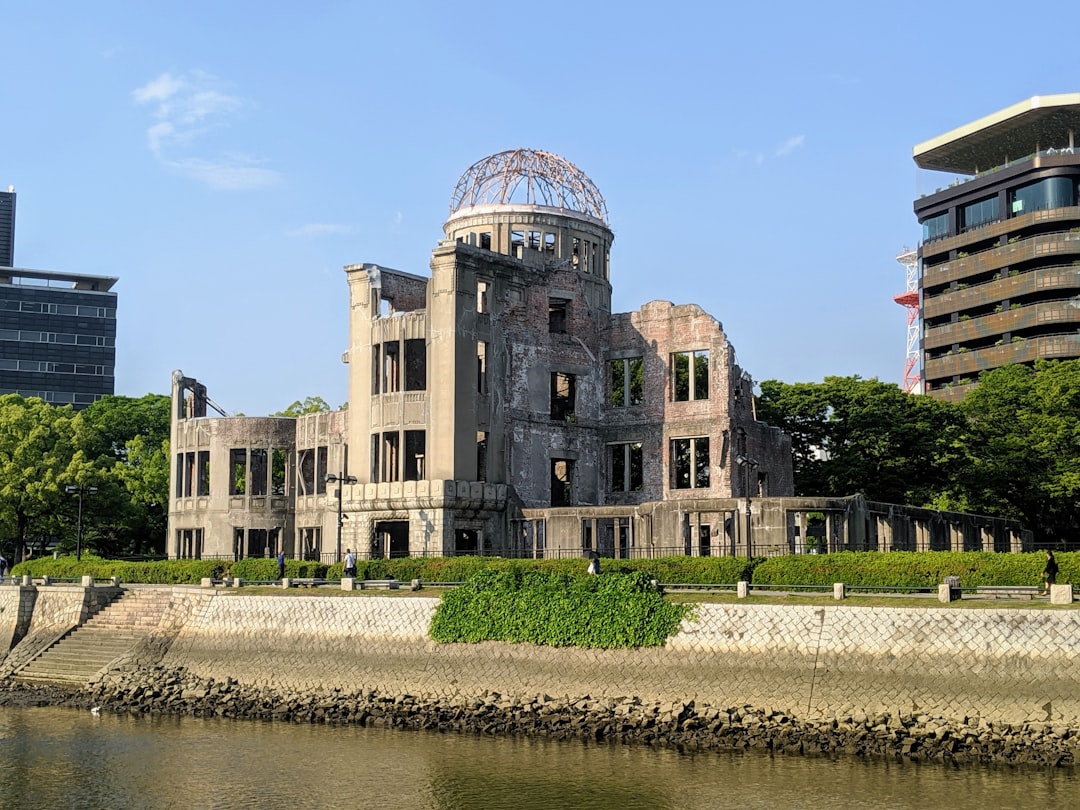
The specter of nuclear conflict, long relegated to the anxieties of the Cold War, has re-emerged with a chilling assertiveness. As the calendar pages turn towards 2025, the global landscape is increasingly defined by heightened tensions, resurgent geopolitical rivalries, and a demonstrable expansion of nuclear arsenals. This article undertakes a factual assessment of where the world stands regarding nuclear war risks as that pivotal year approaches, examining the arsenals, doctrines, and the intricate web of factors that amplify the potential for cataclysm.
The post-Cold War era, characterized by a hopeful, albeit sometimes fragile, reduction in nuclear postures, has visibly eroded. Several key developments have contributed to this recalcitrant reality, painting a stark picture of evolving strategic thinking. The emphasis has shifted from de-escalation and disarmament towards modernization, expansion, and the implicit or explicit signaling of nuclear capabilities as instruments of coercion and deterrence. This is not a subtle shift; it is a tectonic plate movement in the bedrock of global security.
The Resurgence of Great Power Competition
The re-emergence of great power competition, particularly between the United States, Russia, and China, has been a primary catalyst. These nations, possessors of the vast majority of the world’s nuclear weapons, are no longer engaging in the tacit arms control dialogues of previous decades. Instead, they are engaged in a renewed arms race, driven by perceived threats and a desire to maintain or achieve strategic superiority. This competition breeds a climate of suspicion and mistrust, where every military development by one power is scrutinized and often mirrored by others, creating a dangerous cycle. This is akin to a game of chess where each player is also building larger and more intimidating pieces, not just for defense, but for the express purpose of intimidation and, potentially, a swift, decisive, and devastating opening move.
The Erosion of Arms Control Regimes
The disintegration of key arms control treaties has further lubricated the slide towards increased nuclear risk. The Intermediate-Range Nuclear Forces (INF) Treaty, once a cornerstone of European security, has been abandoned. The New START treaty, while extended, faces an uncertain future as trust between the United States and Russia continues to dwindle. The absence of robust, verifiable agreements creates a vacuum, allowing for the unhindered pursuit of new technologies and expanded arsenals without the constraints of international oversight. This vacuum is a breeding ground for strategic miscalculation, where unspoken intentions can be dangerously misread.
The Modernization Imperative
Faced with perceived threats and the modernization efforts of adversaries, nuclear powers are not content with their existing arsenals. A significant global trend towards the modernization of existing nuclear weapons and the development of new, more sophisticated systems is underway. This includes the development of hypersonic missiles, low-yield nuclear weapons, and advanced delivery systems. The rationale often presented is to maintain a credible deterrent. However, critics argue that these advancements blur the line between conventional and nuclear warfare, increase the temptation to use nuclear weapons in a conflict, and destabilize the existing strategic balance. It’s like upgrading your defenses with the latest security systems, but also developing offensive capabilities that make your rivals feel perpetually on edge, wondering if you’re preparing for a siege or a pre-emptive strike.
As global tensions continue to rise, the risks associated with nuclear arsenals in 2025 have become a pressing concern for international security. A related article that delves into the implications of these risks can be found at Real Lore and Order, where experts analyze the potential scenarios and strategies that nations might adopt in response to the evolving geopolitical landscape. This comprehensive examination sheds light on the urgent need for diplomatic efforts to mitigate the threat of nuclear conflict.
Assessing the Global Nuclear Arsenals: A World of WMDs
As 2025 looms, the sheer scale and sophistication of the world’s nuclear arsenals remain a stark testament to humanity’s capacity for self-destruction. While precise numbers are subject to intelligence assessments and varying interpretations, the overall picture is one of significant nuclear power projected across multiple nations. The strategic considerations behind these arsenals are as varied as the nations that possess them, ranging from existential deterrence to regional power projection.
The United States: A Constantly Evolving Deterrent
The United States maintains the largest and most technologically advanced nuclear arsenal in the world. This includes a triad of delivery systems: intercontinental ballistic missiles (ICBMs), submarine-launched ballistic missiles (SLBMs), and strategic bombers. The U.S. nuclear modernization program is a multi-decade undertaking aimed at maintaining the reliability and effectiveness of its nuclear deterrent. This program encompasses the replacement of aging ICBMs, the development of new submarines, and the refitting of its bomber fleet, as well as the potential development of new warheads. The stated intent is to ensure a credible second-strike capability, meaning the ability to retaliate with devastating effect even after absorbing a first strike. However, the sheer scale and sophistication of these upgrades contribute to the global nuclear landscape, prompting reactions from other nuclear powers.
The ICBM Fleet and its Successors
The U.S. Ground-Based Strategic Deterrent (GBSD) program is designed to replace the aging Minuteman III ICBM system. This new generation of missiles is intended to remain operational for decades, ensuring the continued viability of land-based nuclear forces. The modernization extends to the warheads themselves, with efforts focused on ensuring their safety, security, and reliability.
The Naval Deterrent: Submarines as Silent Giants
The Ohio-class submarines, armed with Trident II D5 SLBMs, form a crucial leg of the U.S. nuclear triad. The Columbia-class submarine program is underway to replace the Ohio-class, ensuring a continuous and undetectable nuclear deterrent capability from the sea.
The Air Power Component: Bombers and Cruise Missiles
The U.S. Air Force maintains a fleet of strategic bombers, including the B-2 Spirit and the B-52 Stratofortress, capable of delivering nuclear weapons. The development of the B-21 Raider is intended to further modernize this aspect of the triad, providing a stealthier and more capable platform.
Russia: A Doctrine of Escalation Dominance
Russia’s nuclear posture is characterized by a doctrine that emphasizes escalation dominance, a concept that suggests the ability to escalate a conflict to a level favorable to Russia, potentially including the limited or tactical use of nuclear weapons. This doctrine, coupled with significant investment in nuclear modernization and the development of novel delivery systems, has become a subject of considerable concern internationally. Russia’s nuclear arsenal, though smaller than the U.S. in terms of overall warhead numbers, is strategically positioned and increasingly diverse.
The Strategic Rocket Forces: Land-Based Might
Russia’s Strategic Rocket Forces (RVSN) operate a wide array of ICBMs, many of which are undergoing modernization. Newer systems like the Yars and the Sarmat are designed to incorporate advanced countermeasures and a larger payload capacity, enhancing their survivability and penetration capabilities.
The Submarine Fleet: The Silent Service’s Nuclear Punch
Russia’s Northern and Pacific Fleets operate nuclear-powered ballistic missile submarines (SSBNs). These submarines, equipped with Bulava SLBMs, represent a highly survivable and potent leg of Russia’s nuclear deterrent. Ongoing modernization efforts aim to enhance their stealth and the effectiveness of their missile systems.
Novel Delivery Systems: Hypersonics and More
Russia has been particularly vocal and active in the development of hypersonic missiles, such as the Avangard and the Zircon. These weapons are designed to travel at speeds many times the speed of sound, making them incredibly difficult to intercept. Their integration into Russia’s nuclear arsenal raises concerns about the erosion of traditional missile defense capabilities and a potential lowering of the nuclear threshold.
China: The Ascendant Nuclear Power
China’s nuclear arsenal, while historically smaller and less diverse than those of the U.S. and Russia, is experiencing a period of rapid and significant expansion. This build-up, largely driven by China’s growing regional and global influence, is altering the strategic calculations of its neighbors and the broader international community. The opacity surrounding China’s nuclear program further fuels speculation and concern.
The Expanding ICBM Force: Towards a Triad
China is significantly expanding its ICBM force, including the development of mobile and solid-fuel systems. There are also indications of China developing a silo-based ICBM force, moving towards a more robust and diversified land-based component.
Naval Nuclear Capabilities: A Growing Submarine Force
China is developing and deploying nuclear-powered ballistic missile submarines (SSBNs) equipped with JL-2 and potentially future sea-launched ballistic missiles. This expansion of its naval nuclear capabilities offers a more elusive and potent deterrent.
The Role of Nuclear Weapons in China’s Strategy
While China has historically maintained a “no first-use” policy, the rapid expansion of its arsenal has led to questions about the long-term commitment to this policy, particularly in the context of regional security challenges and evolving geopolitical dynamics.
The Calculus of Conflict: Doctrines and Deployments
Beyond the sheer numbers of warheads and missiles, a nation’s nuclear doctrine and strategic deployments play a critical role in shaping the risk of nuclear war. These doctrines, often shrouded in strategic ambiguity, can be interpreted in various ways, leading to miscalculations that could, in the worst-case scenario, initiate a catastrophic chain of events. The proximity of nuclear forces, the types of weapons deployed, and the declared intentions behind them all contribute to the global nuclear posture.
“First Use” vs. “No First Use” Policies
The fundamental difference between “first use” and “no first use” policies is stark. Nations that maintain a “first use” policy reserve the right to initiate nuclear conflict under certain circumstances, often in response to conventional aggression that threatens their vital interests or those of their allies. Conversely, “no first use” policies pledge to refrain from being the first to employ nuclear weapons. The erosion of “no first use” commitments or the ambiguous interpretation of such policies by nuclear powers can be a significant driver of heightened nuclear risk. This is akin to a nation declaring it will never fire first, but reserving the right to use its weapons if provoked by any means, leaving a wide and potentially dangerous grey area.
The U.S. Policy and its Ambiguities
The United States’ nuclear doctrine has historically included flexibility in its use, allowing for “first use” in certain extreme circumstances to deter nuclear or overwhelming conventional attacks. While recent pronouncements have sought to reassure allies, the underlying capability and strategic thinking remain a point of contention and contribute to regional anxieties.
Russia’s Escalatory Doctrine
As mentioned, Russia’s doctrine of “escalation dominance” inherently implies a willingness to consider the use of nuclear weapons to de-escalate a conventionally unfavorable conflict. This doctrine, coupled with the development of tactical nuclear weapons, is perceived by many as lowering the nuclear threshold and increasing the risk of an accidental or intentional nuclear exchange.
China’s “No First Use” Stance and its Evolution
China’s long-standing “no first use” policy has been a cornerstone of its nuclear posture. However, the rapid expansion of its arsenal has led to increased international scrutiny and debate about the potential for future shifts in this policy, particularly in light of evolving regional security challenges.
The Deployment of Tactical Nuclear Weapons
The development and potential deployment of tactical nuclear weapons, also known as non-strategic nuclear weapons, represent a particularly concerning trend. These are smaller yield weapons designed for use on the battlefield, with the intent of achieving battlefield objectives or compelling an adversary to cease hostilities. However, the use of even a “tactical” nuclear weapon carries the immense risk of escalation. The battlefield becomes a potential nuclear ground zero, and the line between tactical and strategic exchange can blur with terrifying speed.
The Russian Arsenal of Tactical Nuclear Weapons
Russia is widely believed to possess a significant stockpile of tactical nuclear weapons. Their perceived utility in a doctrine of escalation dominance raises concerns about their potential use in a regional conflict, with the devastating humanitarian and environmental consequences that would ensue.
The U.S. Response and Modernization
In response to perceived threats, the United States has also engaged in the modernization of its own tactical nuclear capabilities and the development of new lower-yield options. This reciprocal development creates a dangerous tit-for-tat dynamic, where each side feels compelled to match the other’s perceived “advantages.”
Emerging Threats and Risk Multipliers
Beyond the established nuclear powers and their arsenals, a constellation of emerging threats and risk multipliers are simultaneously contributing to the increasing precariousness of the global security environment. The proliferation of nuclear technology to new actors, the rise of cyber warfare, and the potential for miscalculation in complex, multi-domain conflicts all add layers of uncertainty and danger.
Nuclear Proliferation: A Spreading Shadow
The spread of nuclear weapons or the potential for proliferation to additional states is a persistent and deeply concerning threat. The development of nuclear capabilities by states with volatile political situations or avowed enmity towards their neighbors dramatically increases the danger of nuclear use. The unraveling of established non-proliferation regimes further exacerbates this risk.
The Case of North Korea
North Korea’s continued development of nuclear weapons and ballistic missile technology remains a significant concern. Its unpredictable nature and aggressive rhetoric amplify the potential for miscalculation and accidental escalation in the Korean Peninsula. The possession of nuclear weapons by an isolated and unpredictable regime is like handing a loaded gun to a child in a crowded room.
The Iran Question
The international community’s ongoing efforts to prevent Iran from acquiring nuclear weapons are a testament to the perceived danger of such an event. A nuclear-armed Iran would fundamentally alter the geopolitical landscape of the Middle East, potentially triggering a regional arms race.
Cyber Warfare and Nuclear Command and Control
The increasing reliance on digital systems for command, control, and communication in nuclear arsenals presents a new and insidious vulnerability. Cyberattacks could potentially disrupt early warning systems, interfere with launch authorization processes, or even trigger false alarms, leading to accidental launch or a decision to preemptively strike based on faulty information. This is like trying to secure a vast fortress with digital locks that could be picked by invisible hackers.
The Vulnerability of Nuclear C2 Systems
The interconnectedness of modern military systems makes nuclear command and control (C2) pathways potential targets for sophisticated cyber adversaries. The integrity of these systems is paramount to ensuring responsible nuclear operations.
The Risk of False Alarms and Misinformation
A successful cyberattack could generate false positives, mimicking incoming missile launches and potentially forcing a rapid, high-stakes decision on the part of military leaders to launch their own weapons.
The Miscalculation Trap: Fog of War in the Digital Age
The complex interplay of advanced military technologies, rapid communication, and heightened geopolitical tensions creates a fertile ground for miscalculation. In a crisis, the “fog of war” can be amplified by the speed and inscrutability of digital information flows, making it harder to discern intentions and increasing the risk of unintended escalation. The speed at which events can unfold in modern warfare, coupled with the potential for deception and misinterpretation, creates a volatile environment where a minor incident could quickly spiral out of control.
Geopolitical Flashpoints and Regional Conflicts
Existing geopolitical flashpoints, such as the ongoing conflict in Ukraine and tensions in the South China Sea, can serve as potential triggers for nuclear escalation. A conventional conflict involving nuclear-armed states or their allies carries an inherent and terrifying risk of nuclearization.
The Role of AI in Future Warfare
The increasing integration of Artificial Intelligence (AI) into military decision-making processes raises further questions about de-escalation and control. While AI could potentially enhance situational awareness, it also carries the risk of autonomous decision-making that bypasses human judgment, particularly in high-stress, rapidly evolving conflict scenarios.
As global tensions escalate, the risks associated with nuclear arsenals in 2025 have become a pressing concern for international security experts. A recent article highlights the potential for miscalculations and the dire consequences that could arise from an arms race among nuclear powers. For those interested in understanding the complexities of this issue, the article can be found here: nuclear war risks. The insights provided serve as a crucial reminder of the importance of diplomatic efforts in mitigating these threats.
The Path Forward: Deterrence, Diplomacy, and De-escalation
| Country | Estimated Nuclear Warheads (2025) | Delivery Systems | Risk Level | Comments |
|---|---|---|---|---|
| United States | 5,428 | ICBMs, SLBMs, Strategic Bombers | Moderate | Modernization ongoing, strong deterrence posture |
| Russia | 5,977 | ICBMs, SLBMs, Strategic Bombers | High | Large arsenal, recent military tensions increase risk |
| China | 410 | ICBMs, SLBMs | Moderate | Expanding arsenal, growing strategic capabilities |
| India | 160 | Ballistic Missiles, Aircraft | Low | Regional tensions with Pakistan |
| Pakistan | 165 | Ballistic Missiles, Aircraft | Low | Ongoing conflict with India |
| North Korea | 40-50 | Short and Medium Range Missiles | High | Unpredictable regime, regional instability |
| France | 290 | SLBMs, Strategic Bombers | Low | Stable deterrent, limited arsenal |
| United Kingdom | 225 | SLBMs | Low | Continuous at-sea deterrent |
As the world stands on the precipice of 2025, the growing nuclear war risks demand urgent and sustained attention. While the current trajectory is concerning, it is not immutable. A concerted effort focused on strengthening deterrence, revitalizing diplomacy, and actively pursuing de-escalation strategies is imperative to steer humanity away from the precipice.
Strengthening Deterrence through Credibility and Communication
While the focus has been on the risks, the fundamental concept of nuclear deterrence, when managed with clear communication and credible, but not excessive, capabilities, can still play a role in preventing large-scale conventional wars between major powers. However, this must be coupled with a commitment to reducing the salience of nuclear weapons in international security.
Maintaining a Stable Strategic Balance
The goal should be to maintain a stable strategic balance that discourages any nuclear power from believing it can achieve a decisive nuclear victory without incurring unacceptable costs. This is a delicate tightrope walk, requiring constant vigilance and clear signaling.
Open Channels of Communication
Maintaining open and reliable channels of communication between nuclear-armed states is crucial, particularly during times of crisis. Dialogue, even when difficult, can help prevent misunderstandings and de-escalate tensions before they reach a critical point.
Revitalizing Diplomacy and Arms Control
The erosion of arms control regimes is a significant factor contributing to the current risks. A renewed commitment to diplomacy and the negotiation of new, verifiable arms control agreements is essential. These agreements should aim to limit the development and deployment of destabilizing weapons systems and reduce the overall number of nuclear warheads in existence.
Rebuilding Trust and Transparency
The foundation of effective arms control is trust and transparency. Initiatives that foster mutual understanding and verification of nuclear activities can help allay fears and create a more secure environment.
Expanding the Non-Proliferation Regime
Strengthening the nuclear non-proliferation treaty (NPT) and ensuring its robust implementation are critical to preventing the spread of nuclear weapons to additional states. This requires continued international cooperation and enforcement mechanisms.
Embracing De-escalation and Risk Reduction
Active efforts at de-escalation are not a sign of weakness but a demonstration of responsibility and strategic foresight. This involves a range of measures, from confidence-building exercises to the clear signaling of intentions and restraint in military actions.
Reducing the Role of Nuclear Weapons
Nuclear weapon states should commit to reducing the reliance on nuclear weapons in their security doctrines and exploring pathways to disarmament. This gradual process, while challenging, is ultimately the surest path to mitigating the risks of nuclear war.
Investing in Conflict Prevention and Resolution
Addressing the root causes of geopolitical tensions and investing in conflict prevention and resolution mechanisms are crucial long-term strategies. By alleviating the underlying drivers of conflict, the potential for nuclear escalation is inherently diminished. The looming shadow of 2025 serves as a stark reminder that the choices made today will reverberate through generations. The arsenal exists, the doctrines are in play, and the risks are undeniably growing. The question before humanity is clear: will it choose the path of escalating peril, or will it embrace the difficult but essential work of de-escalation and disarmament?
FAQs
What is the current global nuclear arsenal status as of 2025?
As of 2025, the global nuclear arsenal consists of approximately 13,000 nuclear warheads held by nine countries, with the majority maintained by the United States and Russia. Efforts to modernize and expand arsenals continue amid ongoing geopolitical tensions.
Which countries possess nuclear weapons in 2025?
The nine countries known to possess nuclear weapons in 2025 are the United States, Russia, China, France, the United Kingdom, India, Pakistan, North Korea, and Israel (though Israel has not officially confirmed its arsenal).
What are the main risks associated with nuclear war in 2025?
The main risks include accidental launches, miscalculations during conflicts, escalation of regional disputes, cyberattacks on nuclear command systems, and the potential use of nuclear weapons by non-state actors or rogue states.
Are there any international treaties aimed at reducing nuclear war risks?
Yes, key treaties include the Treaty on the Non-Proliferation of Nuclear Weapons (NPT), the New START treaty between the US and Russia, and various regional agreements. However, some treaties have faced challenges or lapses, impacting global nuclear risk reduction efforts.
How do advancements in technology affect nuclear war risks in 2025?
Advancements in missile technology, cyber warfare, artificial intelligence, and missile defense systems can both increase risks by enabling faster and more complex attacks and provide new tools for detection and prevention, making the overall impact on nuclear war risks complex.