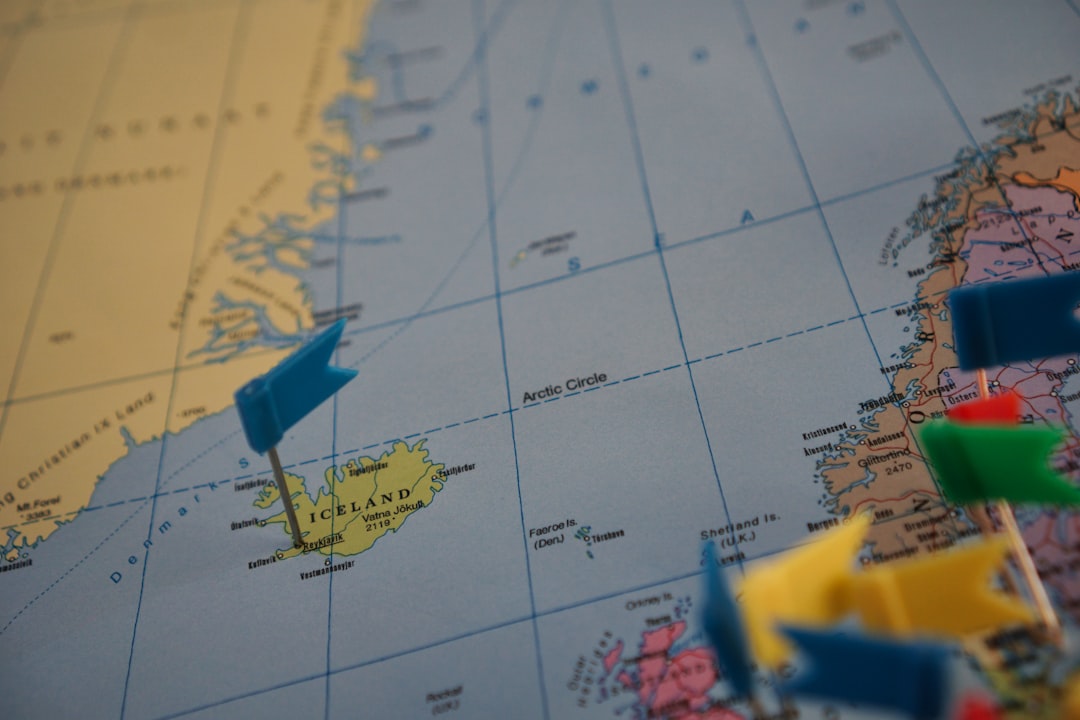
The geopolitical landscape of Europe, a tapestry woven from centuries of conflict, alliance, and shifting economic tides, is once again undergoing significant recalibration. As 2026 approaches, observers and analysts are anticipating a series of structural adjustments that promise to redraw the continent’s power map. This article delves into the projected shifts, examining the underlying drivers and their potential ramifications for regional stability, economic integration, and international relations. Readers are invited to consider the multifaceted nature of these changes, understanding that power is not a monolithic entity but a constellation of influence, military might, economic leverage, and diplomatic acumen.
Europe’s long-standing reliance on external energy sources has been a consistent vulnerability, a geopolitical Achilles’ heel. The events of the early 2020s, particularly the disruption of traditional supply chains, accelerated a concerted drive towards energy independence. By 2026, substantial progress is expected, leading to profound geopolitical consequences. This shift is not merely about sourcing fuel; it is about reclaiming agency and redefining relationships.
The Rise of Renewable Energy Hubs
Several nations, particularly those with abundant natural resources suitable for renewable energy generation, are poised to become pivotal energy hubs. The Scandinavian countries, with their hydroelectric and wind power capabilities, along with nations bordering the North Sea, are investing heavily in offshore wind farms, creating a new energy axis.
- Nordic Energy Corridors: Projects like NordLink and Viking Link, interconnector cables facilitating energy exchange, are expected to be fully operational and expanded, solidifying the Nordic region’s role as a net energy exporter within Europe. This creates a powerful bloc with significant influence over energy policy.
- Southern Europe’s Solar Renaissance: Mediterranean nations, particularly Spain, Italy, and Greece, are capitalizing on their abundant solar resources. Large-scale solar farms and associated green hydrogen initiatives are transforming these countries from energy importers to potential exporters of clean energy and related products. This represents a significant economic uplift and a new source of diplomatic leverage in regional discussions.
Diminished Russian Energy Leverage
The long shadow of Russian energy dominance over parts of Europe is projected to shrink considerably by 2026. Diversification efforts, coupled with the expansion of renewable capacity, are eroding Moscow’s traditional lever of influence. This does not imply a complete severing of ties but rather a rebalancing of power dynamics.
- LNG Infrastructure Expansion: New liquefied natural gas (LNG) terminals and expanded regasification capacities across Western and Southern Europe are providing alternative gas supplies, primarily from the United States and Qatar. This diversified sourcing reduces reliance on any single supplier.
- Shift in Bargaining Power: As European nations gain greater energy sovereignty, their negotiating position with traditional energy suppliers, including Russia, strengthens. This recalibration is likely to manifest in more assertive foreign policy stances and less susceptibility to energy-related coercion.
As discussions about the potential redrawing of Europe’s power map in 2026 gain traction, it’s essential to explore the implications of such changes on international relations and regional stability. For a deeper understanding of the geopolitical dynamics at play, you can read a related article that delves into the historical context and future projections of Europe’s shifting alliances. Check it out here: Europe’s Power Map Redraw: Implications and Insights.
The Evolving Architecture of European Security
The collective security framework of Europe, primarily anchored by NATO, has been subject to intense scrutiny and adaptation in recent years. By 2026, the architecture of European security is expected to reflect a more nuanced and multi-layered approach, with increased introspection and greater indigenous capacity building.
Enhanced European Defence Cooperation
The call for greater European strategic autonomy, long a rhetorical aspiration, is translating into tangible defence cooperation initiatives. The perceived need to bolster capabilities independent of, yet complementary to, NATO is driving significant investment and integration.
- PESCO and its Maturation: The Permanent Structured Cooperation (PESCO) framework, an EU initiative, is anticipated to see further practical implementation. Joint procurement programs, shared military training exercises, and collaborative research and development in defence technologies will become more commonplace. This will foster interoperability and reduce duplication of effort among member states.
- Franco-German Defence Axis: The traditional Franco-German engine of European integration is extending its reach into defence. Joint projects in areas such as future combat air systems and main battle tanks are symbolic of a deeper commitment to European-led security solutions. This axis could serve as a gravitational center for other nations seeking to enhance their indigenous defence capabilities.
Shifting Roles within NATO
While NATO remains the bedrock of transatlantic security, the roles and contributions of individual European member states are undergoing re-evaluation. A more equitable burden-sharing model and increased specialization within the alliance are expected.
- Eastern Flank Fortification: Countries on NATO’s eastern flank, particularly Poland and the Baltic states, are stepping up their defence spending and modernizing their armed forces at an accelerated pace. These nations are becoming crucial frontline defenders, contributing significantly to the alliance’s deterrence capabilities. This rise in their military stature grants them greater voice in strategic discussions.
- Specialization and Force Projection: Other European NATO members are likely to specialize in specific areas, such as cyber warfare, logistics, or naval capabilities, to optimize resource allocation and enhance overall alliance effectiveness. This division of labor will streamline operations and create a more integrated defensive posture.
Economic Restructuring and Digital Sovereignty
The European economic landscape is a mosaic of diverse national economies, increasingly interconnected yet facing common challenges. By 2026, significant restructuring, driven by global supply chain recalibrations and an intensified focus on digital sovereignty, will reshape economic power dynamics.
Reshoring and Nearshoring Initiatives
The fragility exposed by global supply chain disruptions spurred a strategic re-evaluation of manufacturing locations. Reshoring (bringing production back to the home country) and nearshoring (relocating production to geographically closer countries) are becoming prevalent trends, impacting national economies and regional trade flows.
- Central and Eastern European Manufacturing Hubs: Nations in Central and Eastern Europe, with their skilled labor forces and competitive operating costs, are emerging as attractive destinations for reshoring initiatives. Companies are seeking to shorten supply lines and reduce reliance on distant markets, bolstering industrial bases in countries like Poland, Czech Republic, and Hungary. This represents a significant economic opportunity and a further integration of these economies into the Western European industrial ecosystem.
- Strategic Industry Protection: Key industries, particularly semiconductors, pharmaceuticals, and critical raw materials, are subject to increased governmental oversight and protection. The European Chips Act, for instance, aims to bolster Europe’s semiconductor manufacturing capacity, reducing dependence on East Asian suppliers. This represents a strategic shift towards greater economic resilience, even at the cost of potential short-term inefficiencies.
The Digital Single Market and Data Governance
The ongoing efforts to create a truly unified European Digital Single Market are projected to bear more fruit by 2026, accompanied by more robust data governance frameworks. This push for digital sovereignty aims to carve out a distinct European digital sphere, balancing innovation with privacy and security.
- GDPR’s Global Influence: The General Data Protection Regulation (GDPR) has already set a global benchmark for data privacy. By 2026, its principles are expected to be further integrated into EU policy and potentially influence more international standards. This confers significant regulatory power on the EU, shaping how global technology companies operate within its borders.
- Investment in Digital Infrastructure: Europe is investing heavily in secure digital infrastructure, including quantum computing research, protected cloud services, and next-generation telecommunications networks (e.g., 6G). This aims to reduce reliance on non-European tech giants and foster indigenous technological innovation, creating new economic opportunities and strategic advantages.
Demographic Shifts and Political Realignment
Demographic trends, often slow-moving societal currents, are nonetheless powerful forces shaping political landscapes. By 2026, the cumulative effect of aging populations, evolving migration patterns, and changing societal values is expected to contribute to significant political realignments across Europe.
The Greying Continent and its Implications
Europe’s aging population presents both challenges and opportunities. The increasing proportion of retirees relative to the working-age population impacts social welfare systems, healthcare demands, and economic productivity.
- Pension Reforms and Fiscal Pressures: Governments across Europe will be compelled to implement further pension reforms, potentially raising retirement ages or adjusting benefit structures. This will be a constant source of political debate and social tension, shaping electoral outcomes and policy priorities.
- Innovation in Eldercare and Automation: The demographic shift is also spurring innovation in eldercare technologies, automation, and robotics to address labor shortages and enhance quality of life for seniors. Nations that successfully adapt and leverage these technologies could gain an economic edge and become models for others.
Migration as a Continuous Variable
Migration, both internal and external to the EU, remains a continuous variable influencing socio-political dynamics. While debates often focus on external migration, internal EU migration also subtly reweaves national demographics and economic contributions.
- Integration and Social Cohesion: The success of integration policies for migrant populations will be a critical factor in maintaining social cohesion and harnessing their economic potential. Countries that effectively manage integration, fostering social and economic inclusion, will likely experience greater political stability and economic dynamism.
- Political Fragmentation and Populism: Conversely, failures in integration, perceived or real, can fuel political fragmentation and populist movements. This dynamic will continue to shape electoral contests and the discourse around national identity in various European states.
As discussions around the potential redraw of Europe’s power map in 2026 gain momentum, many analysts are examining the implications of shifting alliances and geopolitical strategies. A related article explores the historical context and possible future scenarios that could arise from these changes. For a deeper understanding of the dynamics at play, you can read more in this insightful piece on European geopolitics. This examination sheds light on how emerging trends may reshape the continent’s political landscape in the coming years.
The Future of European Union Integration
| Country | Projected Energy Capacity 2026 (GW) | Renewable Energy Share (%) | Coal Power Capacity (GW) | Nuclear Power Capacity (GW) | Key Energy Transition Notes |
|---|---|---|---|---|---|
| Germany | 220 | 65 | 10 | 0 | Phasing out nuclear, coal phase-out accelerated, strong renewables growth |
| France | 130 | 40 | 5 | 61 | Maintaining nuclear dominance, increasing renewables |
| United Kingdom | 110 | 70 | 3 | 8 | Expanding offshore wind, reducing coal drastically |
| Italy | 90 | 55 | 2 | 0 | Focus on solar and wind, no nuclear power |
| Poland | 75 | 30 | 30 | 0 | Gradual coal reduction, increasing renewables |
| Spain | 85 | 60 | 4 | 7 | Strong solar and wind expansion, stable nuclear |
| Netherlands | 50 | 55 | 5 | 0 | Transitioning from coal to gas and renewables |
| Sweden | 40 | 80 | 0 | 7 | High hydro and nuclear share, leading in renewables |
The European Union, a unique experiment in supranational governance, constantly navigates calls for deeper integration against the centrifugal forces of national sovereignty. By 2026, the trajectory of EU integration is expected to be characterized by a pragmatic and perhaps more differentiated approach, reflecting evolving geopolitical realities.
Differentiated Integration and Multi-Speed Europe
The notion of a “multi-speed” Europe, where different member states integrate at varying paces or in different policy areas, is likely to become more formalized and accepted. This approach allows for greater flexibility and accommodates diverse national interests without stalling overall progress.
- Core and Periphery Dynamics: A core group of highly integrated states, often led by France and Germany, may push for deeper integration in areas like defence, fiscal policy, or digital sovereignty. Other member states may opt for a more limited participation, focusing on key economic benefits of the single market. This could lead to a more effective, albeit less uniformly integrated, Union.
- Flexible Accession Frameworks: The EU may explore more flexible accession frameworks for aspiring member states, particularly in the Western Balkans. Instead of an all-or-nothing approach, mechanisms for partial integration or closer partnership could emerge, providing a pathway to eventual full membership while addressing current readiness gaps.
EU’s Global Diplomatic Stature
Alongside internal adjustments, the EU’s role as a global diplomatic actor is expected to solidify further. As a bloc, the EU possesses significant economic and normative power, which it is increasingly leveraging on the international stage.
- Strategic Autonomy in Foreign Policy: The push for strategic autonomy extends to foreign policy, with the EU aiming to speak with a more unified voice on global issues, from climate change to human rights and trade. This will involve developing common positions and robust diplomatic tools to project its values and interests globally.
- Partnerships and Alliances: The EU will continue to forge and strengthen strategic partnerships with like-minded democracies worldwide, particularly in the Indo-Pacific region. These alliances are crucial for addressing global challenges and counterbalancing the influence of revisionist powers. The EU aims to be a reliable and influential partner in a multipolar world.
In conclusion, the European power map of 2026 is unlikely to be a static image but rather a dynamic landscape in perpetual motion. The shifts outlined in this article represent significant tectonic plates moving beneath the surface, reshaping alliances, economic dependencies, and strategic imperatives. For readers, understanding these underlying forces is crucial for comprehending the emergent realities of a continent that continues to adapt and evolve in response to both internal aspirations and external pressures. The pursuit of greater energy independence, the recalibration of security architecture, the economic restructuring, the demographic dividends and challenges, and the evolving nature of EU integration – all these strands intertwine to create a complex and compelling narrative of European transformation. The continent, a historical crucible of innovation and conflict, is once again charting its course in a rapidly changing world, with its resilient spirit as its guiding star.
FAQs
What is the Europe power map redraw 2026?
The Europe power map redraw 2026 refers to the anticipated changes in the geopolitical and economic influence of European countries by the year 2026. It involves shifts in political alliances, economic power, and strategic influence across the continent.
What factors are driving the changes in Europe’s power map by 2026?
Key factors include economic growth disparities, political developments such as elections and policy changes, shifts in energy resources and infrastructure, technological advancements, and evolving security dynamics within and outside Europe.
Which countries are expected to gain influence in Europe by 2026?
Countries with strong economic growth, strategic geopolitical positioning, and active roles in European institutions are expected to gain influence. This often includes Germany, France, and emerging economies in Eastern Europe, though specific projections vary based on current trends.
How will the redraw of the Europe power map affect the European Union?
The redraw may impact the balance of power within the EU, influencing decision-making processes, policy priorities, and the cohesion of the union. It could lead to shifts in leadership roles and changes in the focus of EU initiatives.
What role do external powers play in the Europe power map redraw 2026?
External powers such as the United States, Russia, and China influence Europe’s power dynamics through diplomacy, trade, security partnerships, and investment. Their interactions with European countries contribute to the evolving geopolitical landscape leading up to 2026.