
The ancient Assyrian aqueduct of Jerwan, a remarkable feat of engineering, dates back to the 7th century BCE during the reign of King Sennacherib. This monumental structure was constructed to transport water from the Khosr River to the city of Nineveh, which was the capital of the Assyrian Empire at that time. The aqueduct was not merely a utilitarian project; it symbolized the power and sophistication of Assyrian civilization.
The construction of such an extensive water supply system demonstrated the Assyrians’ advanced understanding of hydraulics and their commitment to urban development. The aqueduct’s history is intertwined with the broader narrative of the Assyrian Empire, which was known for its military prowess and architectural achievements. As the empire expanded, so did its need for efficient water management systems to support its growing population and agricultural demands.
The Jerwan aqueduct was a response to these needs, showcasing the ingenuity of Assyrian engineers who designed a system that could transport water over long distances while maintaining a steady flow. This engineering marvel not only served practical purposes but also reflected the cultural and political ambitions of one of history’s most formidable empires.
Key Takeaways
- The ancient Assyrian aqueduct of Jerwan has a rich history dating back to the 7th century BC, showcasing the advanced engineering skills of the Assyrians.
- The aqueduct was a marvel of ancient engineering, utilizing gravity to transport water over long distances through a system of canals and tunnels.
- In ancient Assyrian society, the aqueduct played a crucial role in providing water for irrigation, agriculture, and sustaining urban centers, contributing to the empire’s prosperity.
- The decline and abandonment of the aqueduct can be attributed to various factors, including natural disasters, warfare, and the shift in power dynamics in the region.
- Efforts to revive the aqueduct in modern times have been met with challenges, including funding, technical expertise, and the need to balance preservation with modern water management needs.
The Engineering and Design of the Aqueduct
The engineering and design of the Jerwan aqueduct are nothing short of extraordinary. Spanning approximately 50 kilometers, this aqueduct utilized a combination of underground tunnels and above-ground channels to navigate the challenging terrain between the Khosr River and Nineveh. The structure was primarily built using locally sourced limestone, which was shaped into large blocks that fit together seamlessly, ensuring durability and stability.
The precision with which these stones were cut and assembled is a testament to the advanced skills possessed by Assyrian craftsmen. One of the most impressive aspects of the aqueduct’s design is its ability to maintain a consistent gradient, allowing water to flow naturally without the need for pumps. Engineers employed a technique known as “slope calculation,” which involved careful measurements to ensure that the water would travel downhill at a steady rate.
This meticulous attention to detail not only facilitated efficient water transport but also minimized the risk of erosion and structural failure. The aqueduct’s design exemplifies the harmonious relationship between functionality and aesthetics, as it seamlessly integrated into the landscape while serving its vital purpose.
The Importance of the Aqueduct in Ancient Assyrian Society
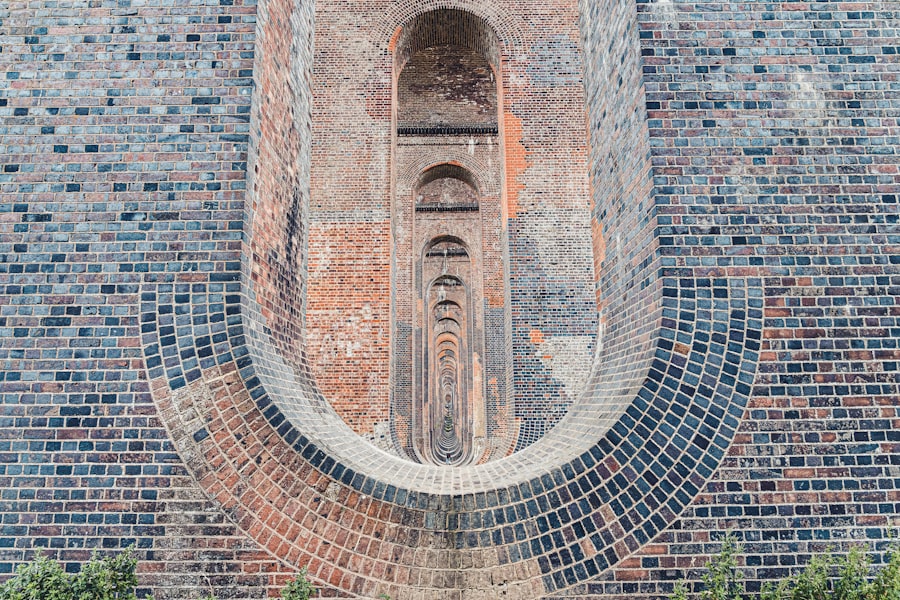
In ancient Assyrian society, the aqueduct played a crucial role in sustaining urban life and agricultural productivity. Water was an essential resource for both drinking and irrigation, and the Jerwan aqueduct provided a reliable supply to the bustling city of Nineveh. This access to fresh water allowed for the cultivation of crops, which in turn supported a growing population and contributed to the empire’s economic prosperity.
The aqueduct was not merely a conduit for water; it was a lifeline that enabled the flourishing of one of history’s greatest civilizations. Moreover, the aqueduct served as a symbol of Assyrian ingenuity and power. It represented the empire’s ability to harness natural resources and transform them into tools for societal advancement.
The successful construction and maintenance of such an extensive water system showcased the organizational skills and technological prowess of the Assyrians. In a society where water scarcity could lead to famine and unrest, the Jerwan aqueduct stood as a testament to the empire’s commitment to ensuring stability and prosperity for its citizens.
The Decline and Abandonment of the Aqueduct
| Reasons for Decline and Abandonment of the Aqueduct | Impact |
|---|---|
| Lack of maintenance | Decreased water flow and structural deterioration |
| Competition from modern water supply systems | Reduced reliance on the aqueduct for water distribution |
| Environmental changes | Altered water sources and decreased demand for aqueduct water |
| Population shifts | Decreased need for water in certain areas served by the aqueduct |
As with many great civilizations, the decline of the Assyrian Empire led to the eventual abandonment of its remarkable infrastructure, including the Jerwan aqueduct. By the end of the 7th century BCE, internal strife, external invasions, and economic challenges began to erode the foundations of Assyrian power. The once-thriving city of Nineveh fell into decline, and with it, the maintenance of essential structures like the aqueduct ceased.
Over time, neglect and natural erosion took their toll on this engineering marvel. The abandonment of the aqueduct marked a significant turning point in the region’s history. As water management systems fell into disrepair, local populations faced increasing challenges in accessing clean water.
The once-bustling agricultural lands surrounding Nineveh began to suffer from drought and reduced productivity. The decline of the aqueduct not only signified a loss of technological achievement but also reflected broader societal changes as communities struggled to adapt to new realities in a post-Assyrian world.
Efforts to Revive the Aqueduct in Modern Times
In recent years, there has been a renewed interest in reviving and preserving the ancient Assyrian aqueduct of Jerwan. Archaeologists, historians, and conservationists have recognized its significance as both an engineering marvel and a cultural heritage site. Efforts have been made to document its structure, assess its condition, and explore possibilities for restoration.
These initiatives aim not only to preserve the physical remnants of the aqueduct but also to educate future generations about its historical importance. Modern technology has played a crucial role in these revival efforts. Advanced imaging techniques, such as 3D scanning and drone surveys, have allowed researchers to create detailed maps of the aqueduct’s layout and condition.
This data is invaluable for planning restoration projects that respect the original design while ensuring structural integrity. Additionally, collaborations between local governments, international organizations, and academic institutions have fostered a sense of shared responsibility for preserving this ancient treasure.
Challenges in Restoring the Aqueduct to its Former Glory
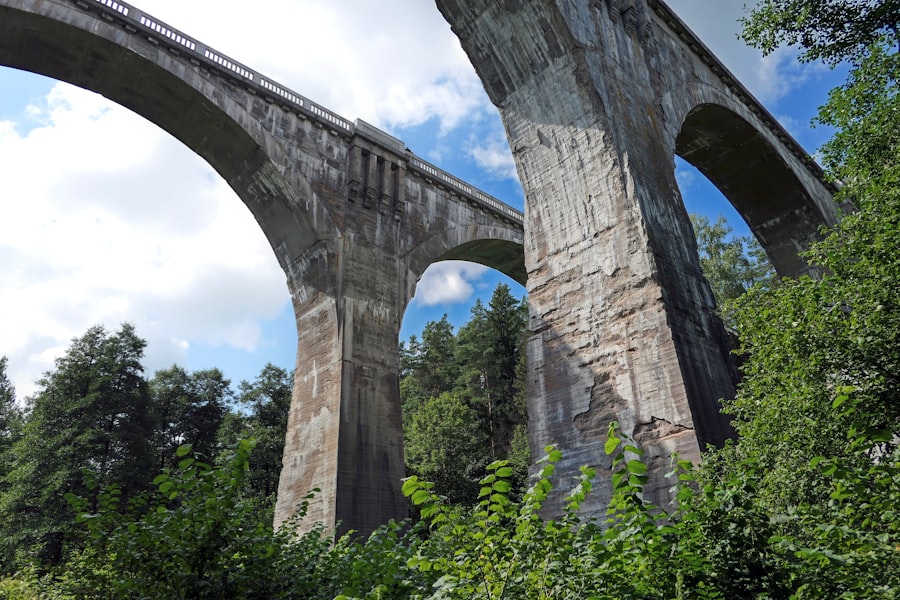
Restoring the ancient Assyrian aqueduct presents numerous challenges that must be carefully navigated. One significant hurdle is securing funding for restoration projects, as financial resources are often limited in regions facing economic difficulties. Additionally, political instability in parts of Iraq can complicate efforts to mobilize support for preservation initiatives.
Ensuring that restoration work is conducted responsibly and ethically is paramount, as any missteps could further damage this irreplaceable cultural asset. Another challenge lies in balancing modern needs with historical preservation. As communities around Jerwan continue to grow, there is an increasing demand for water resources that may conflict with conservation efforts.
Striking a balance between utilizing historical infrastructure for contemporary needs while safeguarding its integrity requires innovative thinking and collaboration among stakeholders. Engaging local communities in these discussions is essential, as their input can help shape sustainable solutions that honor both heritage and modern requirements.
The Cultural and Historical Significance of the Aqueduct
The cultural and historical significance of the Jerwan aqueduct extends far beyond its engineering achievements. It serves as a tangible link to a bygone era when the Assyrian Empire reigned supreme in Mesopotamia. The aqueduct embodies not only technological innovation but also reflects the values and aspirations of a civilization that prioritized urban development and resource management.
As such, it stands as a symbol of human ingenuity in overcoming environmental challenges. Moreover, the aqueduct has become an important focal point for understanding ancient Assyrian society as a whole. It provides insights into their agricultural practices, urban planning, and social organization.
By studying this structure, historians can glean valuable information about how water management influenced daily life in Nineveh and surrounding areas. The aqueduct thus serves as a vital piece of the puzzle in reconstructing the complex tapestry of Assyrian history.
The Impact of the Aqueduct on the Surrounding Environment
The impact of the Jerwan aqueduct on its surrounding environment was profound during its operational years. By channeling water from the Khosr River to Nineveh, it transformed arid landscapes into fertile agricultural zones capable of sustaining large populations. This irrigation system allowed farmers to cultivate crops year-round, significantly enhancing food security within the empire.
The resulting agricultural surplus contributed to economic stability and growth, enabling Nineveh to flourish as a major urban center.
Altering natural water flows can disrupt local ecosystems, affecting flora and fauna dependent on original hydrological patterns.
While it provided immediate benefits to human populations, it is essential to consider how such interventions may have impacted biodiversity in the region over time. Understanding these dynamics is crucial for modern conservation efforts aimed at restoring balance between human needs and environmental health.
The Role of the Aqueduct in Modern Water Management
In contemporary discussions about water management, lessons from ancient structures like the Jerwan aqueduct remain relevant today. As global populations continue to grow and climate change exacerbates water scarcity issues, innovative solutions rooted in historical practices can inform modern strategies. The principles behind the aqueduct’s design—such as gravity-fed systems and sustainable resource management—offer valuable insights for developing efficient water distribution networks in urban areas.
Furthermore, reviving interest in ancient water systems can inspire communities to adopt more sustainable practices that honor both heritage and environmental stewardship. By studying how past civilizations managed their water resources effectively, modern societies can learn from their successes and failures alike. The Jerwan aqueduct serves as a reminder that sustainable water management is not merely a contemporary concern but has been an essential aspect of human civilization for millennia.
The Future of the Ancient Assyrian Aqueduct of Jerwan
The future of the ancient Assyrian aqueduct hinges on ongoing efforts to preserve its legacy while adapting it for modern use. As restoration projects gain momentum, there is hope that this remarkable structure will not only survive but thrive as an educational resource for future generations. By fostering awareness about its historical significance, communities can cultivate pride in their heritage while promoting responsible stewardship.
Moreover, integrating modern technology with traditional knowledge can pave new pathways for sustainable water management practices inspired by ancient wisdom. As societies grapple with contemporary challenges related to water scarcity and environmental degradation, looking back at successful models like the Jerwan aqueduct may provide innovative solutions that bridge past achievements with future needs.
Visiting and Experiencing the Aqueduct Today
Today, visitors have an opportunity to experience firsthand the grandeur of the ancient Assyrian aqueduct at Jerwan. Guided tours offer insights into its historical context while allowing individuals to appreciate its architectural beauty up close. Walking along sections of this monumental structure provides a tangible connection to an era long past—a chance to reflect on human ingenuity that transcends time.
For those interested in archaeology or history, visiting Jerwan offers an enriching experience that deepens understanding not only of Assyrian civilization but also broader themes related to engineering excellence throughout human history. As restoration efforts continue, there is hope that increased tourism will further support preservation initiatives while fostering appreciation for this remarkable cultural heritage site. In conclusion, while challenges remain in restoring and preserving this ancient marvel, there is optimism surrounding its future as both an educational resource and symbol of resilience against time’s passage—a testament to humanity’s enduring quest for innovation amidst ever-changing landscapes.
The Assyrian aqueduct at Jerwan is a remarkable feat of ancient engineering, showcasing the ingenuity and resourcefulness of the Assyrian Empire. This aqueduct, constructed during the reign of King Sennacherib in the 7th century BCE, was designed to transport water across the rugged terrain of northern Mesopotamia.