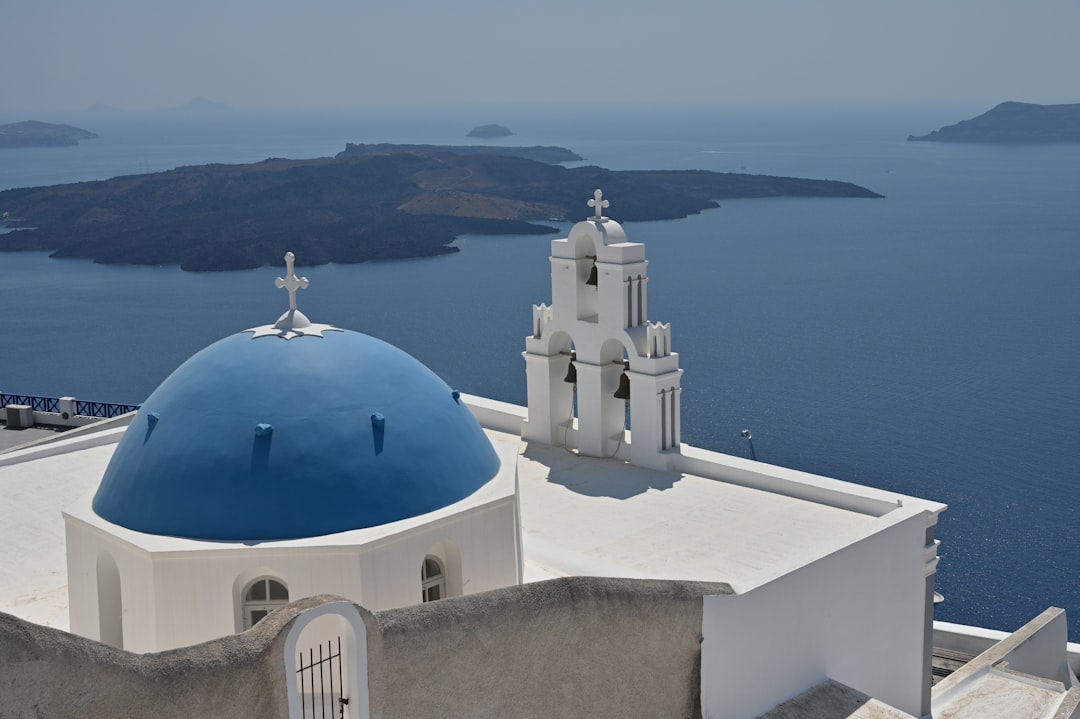
The allure of Greece, a country steeped in history and blessed with unparalleled natural beauty, has long drawn visitors to its shores. For potential investors, the Greek islands represent a tantalizing prospect, a mosaic of opportunities waiting to be explored. However, navigating this landscape requires more than just a fascination with ancient ruins and azure waters. Unlocking the secrets of successful tourism investment in the Greek islands necessitates a deep understanding of market dynamics, regulatory frameworks, and the inherent characteristics of each island’s potential. This article aims to demystify this complex terrain, providing a factual and analytical approach for those seeking to invest in this vibrant sector.
The Untapped Potential of Greek Island Tourism
The Greek island tourism sector has demonstrably recovered from past economic challenges, with increasing visitor numbers and revenue streams. This resilience is not a product of chance, but rather a testament to the enduring appeal of Greece’s unique offering. From the iconic caldera views of Santorini to the vibrant beaches of Mykonos, the diversity of experiences available across the archipelago is vast. This diversity translates into a broad spectrum of investment opportunities, catering to various market segments.
Demographic Shifts and Traveler Preferences
- The Rise of the Experience Economy: Increasingly, travelers are seeking authentic and immersive experiences rather than mere passive consumption of destinations. This manifests as a demand for unique accommodations, local culinary adventures, cultural excursions, and eco-tourism initiatives. Investors who can tap into this trend by offering curated experiences will find a receptive market.
- The Digital Nomad and Remote Work Revolution: The global shift towards remote work has opened new avenues for tourism. Islands that can offer reliable infrastructure, co-working spaces, and a balanced lifestyle are attracting longer-staying visitors who contribute to the local economy beyond traditional seasonal tourism.
- Sustainable and Responsible Travel: There is a growing conscience among travelers regarding the environmental and social impact of their journeys. Destinations and businesses that prioritize sustainability, from waste management to community engagement, are becoming increasingly attractive.
Economic Indicators and Market Growth
- Post-Pandemic Recovery: The tourism sector has been a significant driver of Greece’s economic recovery, demonstrating robust growth in arrivals and expenditure. This sustained positive trajectory signals a healthy market for investment.
- Diversification of Tourist Flows: While traditionally dominated by certain islands, there is a growing interest in exploring lesser-known archipelagos, offering opportunities for diversification and the development of new tourism hubs. This can mitigate risks associated with over-reliance on established, potentially saturated, destinations.
- Infrastructure Development Initiatives: Governmental and European Union-funded projects are increasingly focused on improving infrastructure across the islands, including transportation networks, digital connectivity, and renewable energy solutions. These developments are crucial for enhancing the visitor experience and supporting business growth.
Identifying Prime Investment Niches
Investing in the Greek islands is not a monolithic endeavor. Success hinges on identifying specific niches that align with market demand and individual investor capabilities. These niches offer unique avenues for growth, each with its own set of considerations and potential returns.
Luxury and Boutique Hospitality
- The Demand for Exclusivity: The market for luxury travel in Greece remains strong, with discerning travelers seeking high-end accommodations, personalized services, and unique amenities. Boutique hotels, private villas, and exclusive resorts cater to this segment, commanding premium pricing.
- Focus on Design and Authenticity: Luxury offerings are increasingly blending modern comforts with authentic local aesthetics and experiences. This can involve heritage properties restored with contemporary elegance or new developments that draw inspiration from traditional Cycladic or Ionian architecture.
- Gourmet Tourism and Wellness Retreats: Integrated luxury experiences often include exceptional culinary offerings and dedicated wellness facilities. Investors can capitalize on the growing demand for farm-to-table restaurants, spa services, and holistic retreat centers.
Sustainable and Eco-Tourism Ventures
- Preserving Natural Capital: The intrinsic beauty of the Greek islands is their primary asset. Investing in eco-tourism means contributing to the preservation of this capital. This includes developing nature-based activities, supporting conservation efforts, and promoting low-impact tourism.
- Agritourism and Local Produce: Connecting visitors with the agricultural heritage of the islands can be a powerful draw. Investments in agritourism initiatives, such as wine tourism, olive oil production tours, and farm stays, offer authentic experiences and support local communities.
- Renewable Energy Integration: As environmental consciousness grows, so does the appeal of properties and businesses that utilize renewable energy sources. Investing in solar power, wind energy, or other sustainable solutions for tourist facilities can enhance their market appeal and reduce operational costs.
Diversified Tourism Products
- Adventure and Active Tourism: Beyond sunbathing, many travelers seek opportunities for hiking, sailing, diving, cycling, and other adventurous pursuits. Islands with rugged landscapes or pristine marine environments are prime locations for developing such offerings.
- Cultural and Heritage Tourism: Greece’s rich history provides a fertile ground for cultural tourism. This can involve investing in the restoration and operation of historical sites, developing interactive museums, or organizing themed tours that explore ancient civilizations, mythology, or local traditions.
- Nautical Tourism and Marina Development: The extensive coastline and numerous islands make Greece a premier destination for sailing and yachting. Investments in marina infrastructure, boat charter services, and related amenities can cater to this affluent segment of the market.
Navigating the Regulatory Landscape
The path to investment in Greece, like any country, is paved with a complex regulatory framework. Understanding and adhering to these regulations is paramount to avoid legal pitfalls and ensure a smooth investment process. This is akin to understanding the currents and tides before setting sail; ignorance can lead to unexpected grounding.
Legal and Property Acquisition Processes
- Due Diligence on Property Titles: Thorough due diligence on property titles is essential to ensure clear ownership and the absence of encumbrances. This involves engaging with reputable legal counsel specializing in Greek property law.
- Understanding Zoning and Building Regulations: Each island and municipality has specific zoning laws and building regulations that must be strictly adhered to. Ignoring these can lead to costly delays or even demolition orders.
- Navigating the Golden Visa Program: For foreign investors, Greece’s Golden Visa program, which offers residency permits in exchange for real estate investment, can be an attractive incentive. Understanding the eligibility criteria and application process is crucial.
Business Licensing and Operational Compliance
- Obtaining Necessary Permits: Operating a tourism-related business in Greece requires obtaining various permits and licenses, including those for accommodation, food services, and tour operations. The requirements can vary depending on the type and scale of the business.
- Taxation and Fiscal Regulations: Familiarity with the prevailing tax regime for businesses and individuals is vital. This includes corporate tax, VAT, and any specific tourism-related taxes. Consulting with tax advisors specializing in Greek law is highly recommended.
- Labor Laws and Employment Regulations: Understanding Greek labor laws, including employment contracts, social security contributions, and minimum wage requirements, is essential for managing staff effectively and avoiding legal disputes.
Strategic Geographical Focus
The Greek archipelago is not a homogeneous entity. Each island, and even specific regions within larger islands, possesses distinct characteristics that influence its tourism potential and investment suitability. A scattergun approach is less likely to yield results than a targeted strategy.
The Cycladic Islands: Iconic Charm and High Demand
- Santorini and Mykonos: Prestige Properties and Niche Markets: These internationally renowned islands continue to attract significant investment, particularly in the luxury hospitality sector. However, saturation and high entry costs necessitate a focus on highly differentiated offerings, such as unique villa experiences or specialized culinary ventures.
- Emerging Cycladic Gems: Paros, Naxos, and Milos: Beyond the ultra-famous, islands like Paros and Naxos offer a compelling blend of natural beauty, traditional charm, and a growing tourism infrastructure. Milos, with its unique volcanic landscapes, is increasingly attracting visitors interested in geological wonders. These islands often present more accessible investment opportunities with strong growth potential.
- Infrastructure and Connectivity: Investors must consider the existing infrastructure, including airport capacity, ferry connections, and road networks, as well as plans for future development, when evaluating investment opportunities in the Cyclades. The reliance on sea transport for many islands necessitates careful consideration of logistical challenges.
The Ionian Islands: Verdant Landscapes and Family Appeal
- Corfu, Zakynthos, and Kefalonia: Established Resorts and Diverse Offerings: These islands are popular for their lush greenery, stunning beaches, and family-friendly atmosphere. Investment opportunities exist in upgrading existing resort facilities, developing eco-lodges, or creating niche attractions focused on local produce and outdoor activities.
- Lesser-Known Ionian Islands: Paxos and Lefkada: These islands offer a more tranquil and authentic experience, attracting travelers seeking peace and natural beauty. Investments in boutique accommodations, sustainable tourism initiatives, and small-scale cultural experiences can thrive here.
- Environmental Considerations: The unique ecosystems of the Ionian Islands, including protected marine areas, require careful consideration of environmental impact when planning any tourism development. Sustainable practices are not just desirable but often legally mandated.
The Dodecanese and Aegean Archipelagos: Historical Richness and Cultural Tourism
- Rhodes and Kos: Historical Sites and Diverse Appeal: These larger islands boast significant historical sites, charming medieval towns, and a variety of beaches and natural landscapes. Investment opportunities can be found in restoring historical properties for boutique hotels, developing cultural tourism packages, or enhancing family-oriented attractions.
- Smaller Dodecanese Islands: Astypalea and Symi: Islands like Astypalea and Symi offer a more intimate and authentic experience, characterized by traditional architecture and a laid-back atmosphere. Investments in charming guesthouses, local crafts, and culinary tourism can be highly successful.
- Geopolitical and Access Considerations: While historically rich, some of these islands are geographically closer to Turkey, necessitating an awareness of regional dynamics. Connectivity and accessibility, particularly during shoulder seasons, is also a key factor for investors.
The Future of Greek Island Tourism Investment
The trajectory of Greek island tourism investment is one of continuous evolution, driven by changing global trends and the inherent adaptability of the sector. Those who can anticipate and respond to these shifts will be best positioned for long-term success.
Embracing Technology and Innovation
- Digitalization of Guest Services: From online booking platforms and contactless check-in to personalized digital concierges and augmented reality experiences, technology is transforming the guest journey. Investors who integrate these innovations will enhance efficiency and guest satisfaction.
- Data Analytics for Market Understanding: Leveraging data analytics can provide invaluable insights into traveler behavior, preferences, and market trends. This allows for more targeted marketing campaigns and informed investment decisions.
- Smart Island Initiatives: The concept of “smart islands” is gaining traction, focusing on sustainable resource management, efficient infrastructure, and enhanced digital connectivity. Investing in businesses that align with these principles will position them for future growth and resilience.
Investing in Sustainable and Socially Responsible Tourism
- Community Integration and Local Employment: True success in tourism is intrinsically linked to the well-being of the local community. Investing in initiatives that prioritize local employment, support local businesses, and preserve cultural heritage fosters goodwill and long-term sustainability.
- Circular Economy Principles: Adopting circular economy principles, such as waste reduction, recycling, and utilizing local resources, not only benefits the environment but can also lead to cost savings and enhanced brand reputation.
- Climate Change Adaptation and Resilience: As the effects of climate change become more pronounced, investments in adaptive infrastructure and sustainable practices will become increasingly crucial. This includes water conservation, coastal protection, and ensuring the long-term viability of natural attractions.
The Greek islands offer a landscape of immense potential for discerning investors. By understanding the market, navigating the regulations, strategically focusing on prime locations, and embracing innovation and sustainability, one can indeed unlock the secrets to thriving in this enchanting corner of the world. The key lies not in chasing fleeting trends, but in building enduring value on a foundation of quality, authenticity, and responsible stewardship.
FAQs
What makes Greek islands attractive for tourism investment?
Greek islands offer stunning natural beauty, rich cultural heritage, and a well-established tourism infrastructure. Their strategic location in the Mediterranean, combined with favorable climate and diverse attractions, makes them highly appealing for investors in the tourism sector.
Which Greek islands are considered the best for tourism investment?
Popular islands for tourism investment include Santorini, Mykonos, Crete, Rhodes, and Corfu. These islands have high tourist traffic, developed amenities, and strong potential for growth in hospitality, real estate, and related services.
What types of tourism investments are common in the Greek islands?
Common investments include hotel and resort development, vacation rental properties, restaurants and bars, tour and activity companies, and infrastructure improvements. Eco-tourism and luxury tourism projects are also gaining popularity.
Are there any government incentives for investing in Greek island tourism?
Yes, the Greek government offers various incentives such as tax benefits, grants, and streamlined permitting processes to encourage investment in tourism infrastructure and services, especially in less developed islands.
What challenges should investors be aware of when investing in Greek island tourism?
Investors should consider challenges like seasonal fluctuations in tourist numbers, regulatory and bureaucratic hurdles, infrastructure limitations on smaller islands, and the need to balance development with environmental sustainability.