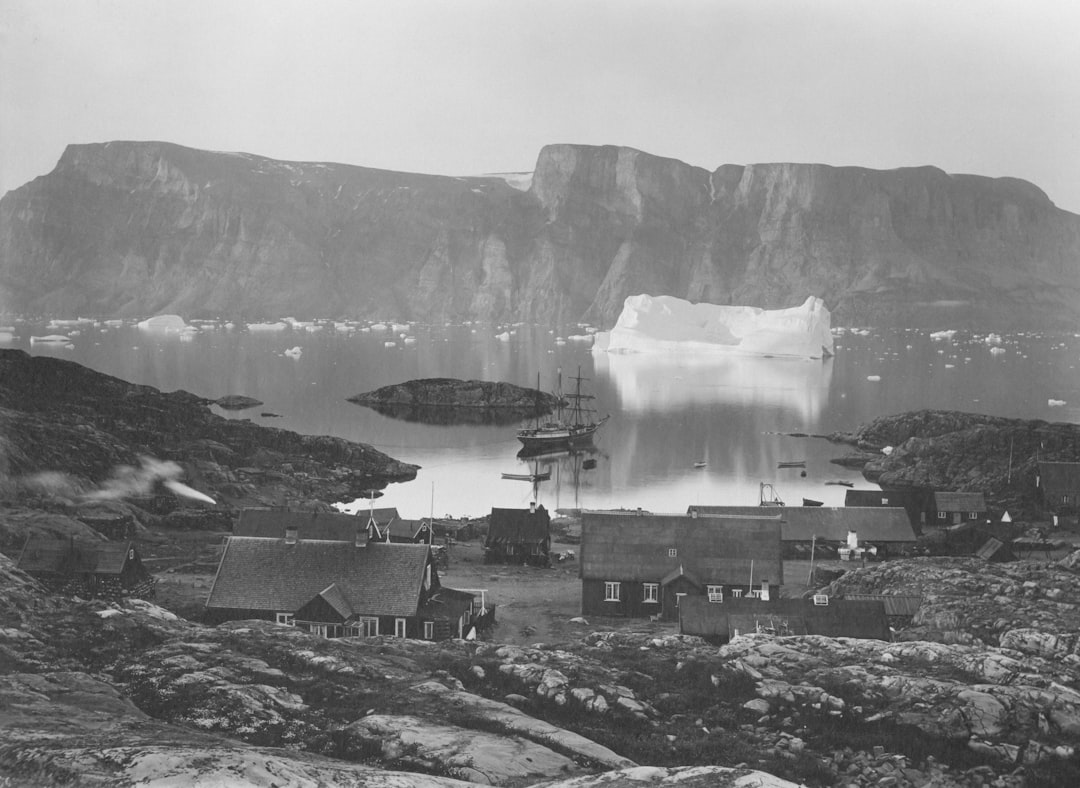
Greenland, an autonomous constituent country within the Kingdom of Denmark, finds itself at a precipice, grappling with a potential mining boom that promises both unprecedented economic prosperity and profound social and environmental upheaval. The world’s largest island, a sparsely populated territory primarily covered by ice, has long remained a serene and largely undisturbed landscape. However, the accelerating global demand for critical minerals – the literal building blocks of modern technology and the green energy transition – has cast a new light on Greenland’s vast, untapped reserves. This burgeoning interest has ignited a complex and often heated debate within the island nation, juxtaposing economic aspirations against environmental stewardship, cultural preservation, and the delicate balance of indigenous life.
The geological makeup of Greenland is remarkably diverse and rich, a legacy of ancient tectonic forces and millions of years of natural processes. This translates into a treasure trove of minerals highly sought after by industries worldwide.
Critical Minerals Driving Global Interest
The current surge in mining interest is not for traditional resources like gold or diamonds, though Greenland does possess these. Instead, the focus is squarely on critical and strategic minerals. These are the elements essential for manufacturing everything from smartphones and electric vehicle batteries to wind turbines and advanced defense systems. Rare earth elements (REEs), for instance, are indispensable for high-tech applications, and Greenland is home to some of the world’s largest known undeveloped deposits.
- Rare Earth Elements (REEs): Greenland’s Kvanefjeld and Kringlerne deposits are globally significant, containing substantial amounts of light and heavy REEs. These are vital for magnets in electric motors, catalysts, and advanced electronics.
- Uranium: Often found alongside REEs, uranium deposits in Greenland have spurred debate due to their use in nuclear energy and potential military applications.
- Other Strategic Minerals: Niobium, tantalum, and lithium are also present in commercially viable quantities, further enhancing Greenland’s attractiveness to mining companies and nations seeking secure supply chains.
Economic Prospects and the Path to Independence
For a nation heavily reliant on a single industry – fishing – and substantial subsidies from Denmark, the potential revenue from mining represents a compelling alternative. For many Greenlanders, especially the younger generation, mining offers a direct pathway to greater economic self-sufficiency and, ultimately, full independence from Denmark.
- Diversification of Economy: A successful mining industry would significantly diversify Greenland’s economic base, reducing its vulnerability to fluctuations in fish stocks and global seafood markets.
- Job Creation and Infrastructure Development: Major mining projects would necessitate the creation of numerous jobs, both direct and indirect, and stimulate investment in vital infrastructure such as roads, ports, and energy grids.
- Increased National Income: Royalty payments and taxes from mining operations could dramatically boost the national budget, allowing for increased public services and investments in education and healthcare.
The recent surge in mining activities in Greenland has sparked rising tensions among various stakeholders, including environmental groups, indigenous communities, and international investors. As the demand for rare earth minerals continues to grow, the implications of this mining boom are becoming increasingly complex. For a deeper understanding of the challenges and controversies surrounding this issue, you can read the related article on the topic at Real Lore and Order.
Environmental Concerns and Climate Change Realities
The promise of economic prosperity, however, comes with a formidable shadow: the undeniable environmental risks associated with large-scale mining, particularly in a fragile Arctic ecosystem already bearing the brunt of climate change.
The Fragile Arctic Ecosystem
Greenland’s environment is exceptionally delicate, characterized by permafrost, unique flora and fauna, and an intricate web of marine life. Any substantial industrial activity, especially mining, carries the risk of irreversible damage.
- Permafrost Thaw and Instability: Mining operations can accelerate permafrost thaw, leading to ground instability, infrastructure damage, and the release of sequestered greenhouse gases, creating a feedback loop for climate change.
- Water Contamination: The extraction and processing of minerals often involve the use of hazardous chemicals and can generate vast quantities of tailings, which, if not properly managed, can leach heavy metals and toxic substances into waterways, contaminating vital drinking water sources and impacting aquatic life.
- Biodiversity Loss: Habitats for Arctic wildlife, including polar bears, seals, caribou, and numerous bird species, could be disrupted or destroyed by mining activities, road construction, and increased human presence.
Climate Change: A Double-Edged Sword
Paradoxically, the very phenomenon that makes Greenland’s minerals more accessible – the melting of its ice sheet – also amplifies the environmental risks. As the ice recedes, new areas become exposed and easier to access for exploration and extraction. However, this also means that the ecosystem is already under immense stress.
- Melting Ice and Coastal Erosion: Rapid ice melt contributes to rising sea levels and increased coastal erosion, making infrastructure development and maintenance more challenging and vulnerable.
- Increased Shipping Traffic: A mining boom would inevitably lead to a substantial increase in shipping traffic through once-pristine Arctic waters, raising concerns about oil spills, noise pollution, and disturbance to marine mammals.
Social and Cultural Impacts on Indigenous Communities
Greenland is home to the Inuit people, whose culture and way of life are intrinsically linked to the land and sea. The prospect of industrial-scale mining introduces significant social and cultural challenges that threaten to disrupt traditional practices and community cohesion.
Disruption of Traditional Lifestyles
For generations, Inuit communities have relied on hunting, fishing, and foraging for sustenance and cultural continuity. Mining projects can directly interfere with these practices.
- Impact on Hunting and Fishing Grounds: Proposed mining sites often overlap with or are in close proximity to critical hunting and fishing territories, potentially displacing wildlife and contaminating food sources.
- Noise and Contamination: The constant noise from machinery, blasting, and increased human activity can drive away animals, making traditional hunting more difficult and less fruitful. Contamination fears deter consumption of traditional foods.
- Land Use Conflicts: The appropriation of land for mining operations can create conflicts with traditional land use rights and customary practices, leading to resentment and disputes.
Influx of Foreign Workers and Cultural Clashes
Large-scale mining projects often necessitate the import of a significant number of foreign workers with different cultural backgrounds and languages. This influx can dramatically alter the social fabric of small, isolated communities.
- Strain on Social Services: Existing social services, including housing, healthcare, and education, in small communities can be overwhelmed by a sudden increase in population.
- Cultural Assimilation and Language Erosion: The dominance of a foreign workforce and the economic opportunities they present can lead to the marginalization of local languages and cultural practices.
- Social Disintegration: Rapid cultural shifts, economic disparities, and the erosion of traditional values can contribute to social problems such as increased crime rates, substance abuse, and family breakdown.
Geopolitical Implications and International Scrutiny
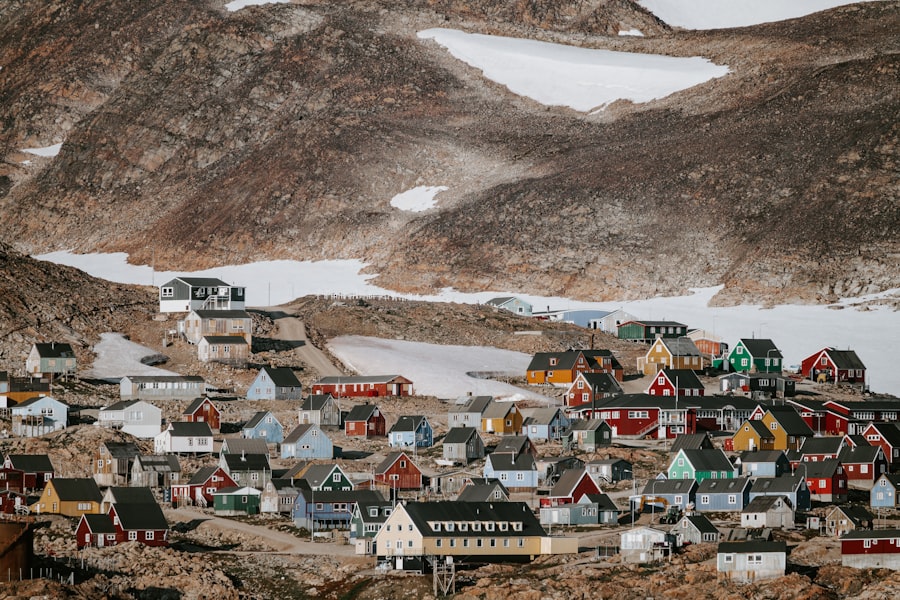
Greenland’s mineral wealth and its strategic Arctic location have not gone unnoticed on the international stage. The potential mining boom intertwines the island’s domestic aspirations with broader geopolitical interests and concerns.
The Scramble for Arctic Resources
As climate change opens up new shipping routes and exposes previously inaccessible resources, the Arctic has become a new frontier for international competition. Greenland sits squarely in this evolving geopolitical landscape.
- Great Power Competition: Major global powers, including the United States, China, and Russia, view the Arctic as strategically vital. Access to Greenland’s critical minerals is a key component of their broader Arctic strategies.
- Security Concerns: The increased presence of foreign companies and potential foreign state involvement in critical infrastructure projects, such as mines and ports, raises security concerns for Denmark and NATO.
- China’s Growing Influence: Chinese companies have shown significant interest in Greenland’s rare earth elements and other minerals, sparking concerns among Western allies about China’s growing influence in the Arctic.
Balancing Sovereignty and International Pressure
Greenland, in its pursuit of economic independence, must navigate a complex web of international expectations, environmental regulations, and political pressures.
- Danish Oversight: While Greenland has extensive self-rule, Denmark retains control over foreign policy and defense, which complicates large-scale international agreements regarding mineral exploitation.
- Environmental Standards: International organizations and environmental NGOs exert pressure on Greenland to adopt and enforce the highest environmental standards for mining operations, often stricter than those currently in place.
- Ethical Sourcing and Sustainability: As global demand for ethically and sustainably sourced materials grows, Greenland faces the challenge of demonstrating that its mining operations adhere to best practices in environmental protection, human rights, and social responsibility.
The recent surge in mining activities in Greenland has sparked rising tensions among environmentalists and indigenous communities, as concerns grow over the potential impact on the pristine landscape and local ecosystems. A related article explores these complexities in greater detail, highlighting the balance between economic development and environmental preservation. For more insights on this pressing issue, you can read the full article here.
The Path Forward: Balancing Development and Preservation
| Metric | Value | Details |
|---|---|---|
| Number of Active Mining Projects | 15 | Includes rare earth elements, uranium, and iron ore mining sites |
| Annual Mineral Extraction (tons) | 120,000 | Estimated total mineral output in 2023 |
| Foreign Investment Increase (2020-2023) | 35% | Growth in investments mainly from China, EU, and US companies |
| Local Employment in Mining Sector | 2,500 | Number of Greenlandic workers employed in mining |
| Environmental Impact Reports Filed | 8 | Reports addressing concerns over ecosystem disruption |
| Diplomatic Tensions Reported | 3 | Incidents involving Greenland, Denmark, China, and the US |
| Projected Mining Growth Rate (2024-2028) | 12% per year | Expected increase in mining activities and output |
The challenges facing Greenland are immense, requiring a delicate balance between extracting the benefits of its mineral wealth and safeguarding its pristine environment and unique culture. The debate is a microcosm of the global struggle to reconcile development with sustainability.
The Need for Robust Regulatory Frameworks
For any mining to proceed responsibly, Greenland requires a comprehensive and stringent regulatory framework that reflects the unique vulnerabilities of the Arctic.
- Environmental Impact Assessments (EIAs): Thorough, independent, and transparent EIAs are paramount, with long-term monitoring plans and provisions for adaptive management based on evolving scientific data.
- Waste Management and Rehabilitation: Clear and enforceable regulations for tailings management, water treatment, and post-mining site rehabilitation are essential to minimize lasting environmental damage.
- Indigenous Consultation and Consent: The principle of Free, Prior, and Informed Consent (FPIC) must be enshrined in law and practice, ensuring that Inuit communities have a genuine say in decisions affecting their traditional lands and livelihoods.
- Strengthening Local Capacity: Investing in education and training programs for Greenlanders to work in and manage the mining sector is crucial, rather than relying solely on foreign expertise.
Exploring Sustainable Alternatives and Diversification
While mining offers immediate economic prospects, Greenland must also explore and invest in sustainable alternatives and further diversify its economy beyond non-renewable resources.
- Harnessing Renewable Energy: Greenland possesses vast potential for hydropower, which could power mining operations and reduce their carbon footprint, while also offering clean energy for communities.
- Sustainable Tourism: Developing high-value, low-impact tourism centered on Greenland’s natural beauty and cultural heritage can provide long-term, sustainable economic benefits.
- Research and Innovation: Investing in scientific research related to Arctic ecosystems, climate change adaptation, and sustainable resource management can position Greenland as a global leader in these fields.
The potential mining boom in Greenland represents a pivotal moment in its history. Like a double-edged sword, it offers the glittering promise of economic independence and prosperity, yet simultaneously threatens the very essence of what makes Greenland unique: its pristine Arctic environment and the enduring culture of its indigenous people. The decisions made in the coming years will not only shape the trajectory of this vast island nation but will also serve as a crucial test case for how humanity navigates the complex path between resource extraction and planetary stewardship in an era of unprecedented environmental change and geopolitical realignment. The world watches, keen to see if Greenland can forge a future where the glow of prosperity doesn’t overshadow the profound beauty and fragility of its ancient lands.
FAQs
What is causing the surge in mining activities in Greenland?
The surge in mining activities in Greenland is primarily driven by the increasing global demand for rare earth minerals and other valuable resources found in the region. Melting ice due to climate change has also made previously inaccessible areas more reachable for mining operations.
Which minerals are predominantly being mined in Greenland?
Greenland is rich in minerals such as rare earth elements, uranium, zinc, iron ore, and gold. Rare earth elements are particularly significant due to their use in electronics, renewable energy technologies, and defense industries.
Why are mining activities in Greenland leading to rising tensions?
Mining activities in Greenland have led to rising tensions due to environmental concerns, disputes over land rights, and geopolitical interests. The involvement of foreign companies and governments has also heightened strategic competition in the Arctic region.
How is the Greenland government responding to the increase in mining?
The Greenland government has been promoting mining as a way to boost its economy and reduce dependence on Denmark. It has implemented regulatory frameworks to manage mining projects but faces challenges balancing economic development with environmental protection and indigenous rights.
What are the environmental impacts associated with mining in Greenland?
Mining in Greenland poses risks such as habitat disruption, pollution of water sources, and increased greenhouse gas emissions. The fragile Arctic ecosystem is particularly vulnerable, and there are concerns about the long-term effects of mining on biodiversity and local communities.