
The Portuguese housing market, a dynamic landscape shaped by tourism, investment, and local affordability, has recently become the nexus of a complex interplay between a burgeoning housing crisis and an accelerating demand for its Golden Visa program. This article delves into the factual underpinnings of this phenomenon, examining the contributing factors, their consequences, and the evolving policy responses.
Portugal, once a highly affordable European nation, has witnessed a dramatic shift in its housing landscape over the past decade. This transformation is not a singular event but rather a confluence of interconnected forces, each contributing to the erosion of housing affordability for many citizens.
Surging Property Prices
At the heart of the crisis lies an unprecedented escalation in property prices. Data from entities like the National Statistics Institute (INE) consistently show double-digit annual increases in both sale and rental costs, particularly in major urban centers such as Lisbon and Porto, and popular coastal regions.
Urban Hubs as Epicenters
Lisbon, the nation’s capital, acts as a barometer for the broader trend. Its historic charm and vibrant cultural scene have attracted a steady stream of international residents and investors, driving up demand for all types of housing. The average property price in Lisbon, for instance, has surpassed figures seen in many other European capitals, disproportionately affecting local wage earners.
Coastal Hotspots and Tourist Impact
Beyond the metropolitan areas, the Algarve region, renowned for its beaches and golf courses, has experienced similar inflationary pressures. The influx of seasonal tourists and foreign retirees seeking holiday homes or permanent residences has tightened the housing supply for the local population. This phenomenon extends to other popular coastal towns, transforming once-affordable communities into luxury enclaves.
Stagnant Wages and Purchasing Power
While property prices have surged, the average Portuguese wage has not kept pace. This disparity creates a widening chasm between housing costs and the financial capacity of the majority of the population.
Impact on Young Professionals
For young professionals and families, the dream of homeownership or even securing stable long-term rentals in desirable areas has become increasingly elusive. High rental costs consume a significant portion of disposable income, hindering savings and economic mobility. This situation often forces individuals to delay independent living or relocate to less central areas, extending commute times and impacting quality of life.
Erosion of Middle-Class Aspirations
The middle class, traditionally the backbone of the housing market, finds itself increasingly squeezed. The cost of living, particularly housing-related expenses, has outstripped wage growth, leading to a palpable sense of economic insecurity. This erosion of purchasing power extends beyond housing, impacting other sectors of the economy as discretionary spending is curtailed.
The ongoing housing crisis in Portugal has sparked significant debate, particularly regarding the controversial golden visa program, which has been criticized for driving up property prices and limiting access to affordable housing for locals. For a deeper understanding of the implications of this program and its impact on the housing market, you can read a related article that explores these issues in detail at Real Lore and Order. This article provides valuable insights into the challenges faced by residents and the potential reforms needed to address the crisis.
The Allure of the Golden Visa Program
Against this backdrop of domestic housing challenges, Portugal’s Golden Visa program, officially known as the “Autorização de Residência para Atividade de Investimento” (ARI), has operated as a powerful magnet for foreign capital, particularly through real estate investment.
Program Overview and Investment Routes
Launched in 2012, the Golden Visa program aimed to attract foreign investment and stimulate the Portuguese economy during a period of financial hardship. It offers non-EU citizens the opportunity to acquire residency in Portugal in exchange for qualifying investments.
Real Estate as the Primary Channel
Initially, real estate acquisition was the most popular and straightforward investment route. Investors could purchase property valued at €500,000 or more, or €350,000 for properties subject to rehabilitation. This direct link between real estate and residency facilitated a significant inflow of foreign capital into the housing market.
Other Investment Avenues
While real estate dominated, the program also offered other investment options, including capital transfer, job creation, and investment in scientific research or cultural heritage. However, the tangible and often appreciating nature of property made it a particularly attractive option for many applicants.
Benefits for Investors
For foreign investors, the Golden Visa offered a compelling package of benefits beyond mere residency. These advantages collectively contributed to its substantial popularity.
Schengen Area Access
A key draw for many investors was the ability to travel freely within the Schengen Area, a borderless zone comprising 27 European countries. This convenience appealed to individuals seeking greater global mobility for business or leisure.
Pathway to EU Citizenship
After five years of holding the Golden Visa and maintaining their investment, individuals become eligible to apply for Portuguese citizenship. This pathway to EU citizenship, with all its inherent rights and privileges, represented a significant long-term incentive for many applicants.
The Intertwined Destinies: Golden Visa and Housing
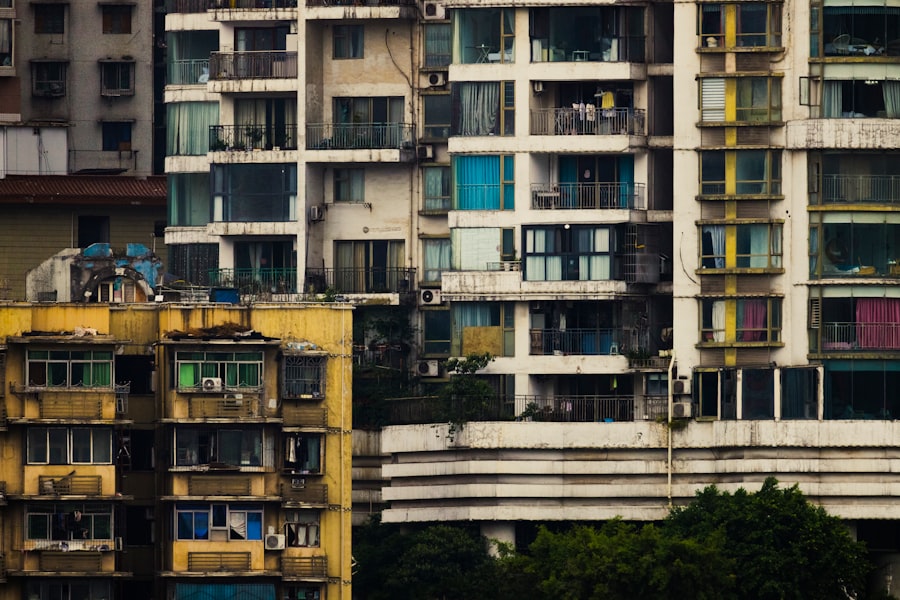
The rise of Portugal’s housing crisis and the popularity of its Golden Visa program are not isolated phenomena; they are deeply intertwined, each influencing and exacerbating the other in a complex feedback loop.
Increased Demand and Price Inflation
The direct correlation between Golden Visa investments and property price inflation has been a subject of extensive debate and analysis. Critics argue that the program, by channeling substantial foreign capital into the real estate market, directly contributed to the surge in prices, effectively outcompeting local buyers.
Luxury Market Dominance
Golden Visa investments predominantly targeted the luxury segment of the housing market in prime locations. These high-value transactions artificially inflated property values in these areas, creating a ripple effect across the broader market. When the “top of the market” experiences rapid appreciation, it pulls up the values of properties in lower tiers as well, much like a rising tide lifts all boats, but in this case, making them less accessible.
Displacement of Local Residents
As property values escalated, many landlords in popular areas opted to sell their properties to Golden Visa investors or convert them into short-term tourist rentals, where returns were often higher. This shift led to a reduction in the long-term rental supply for local residents, forcing many to either pay exorbitant rents or relocate away from urban centers, disrupting established communities.
Policy Responses and Program Evolution
Recognizing the undeniable link between the Golden Visa and the housing crisis, the Portuguese government has undertaken several policy adjustments, reflecting an evolving awareness of the societal impact of the program.
Geographic Restrictions on Real Estate Investment
In 2021, and further reinforced in 2023, the government implemented significant restrictions on real estate investment for Golden Visa purposes. Investments in residential properties in high-demand areas like Lisbon, Porto, and coastal regions were largely excluded. This policy change aimed to redirect investment away from overheated housing markets towards interior regions or commercial properties. This measure was akin to erecting a temporary dam to divert a portion of the financial flow away from the most vulnerable areas.
Shift Towards Non-Real Estate Options
The legislative changes encouraged investors to explore alternative investment routes such as capital transfers, investment funds, or job creation, thereby reducing the program’s direct impact on the residential property market. This diversification was a strategic move to maintain foreign investment while mitigating its negative externalities on housing affordability.
Broader Economic and Social Consequences

The convergence of the housing crisis and Golden Visa demand has cast a long shadow over Portugal, extending its influence beyond mere property prices to touch upon various facets of the nation’s economic and social fabric.
Exacerbation of Gentrification
The influx of foreign investment, particularly through the Golden Visa, has accelerated the process of gentrification in many historic neighborhoods. As properties are renovated and repurposed for a wealthier demographic, the character of these areas undergoes a transformation.
Loss of Local Businesses and Culture
With rising rents and property taxes, many traditional local businesses, from family-run cafes to artisan workshops, find it increasingly difficult to operate. They are often replaced by establishments catering to tourists or high-income residents, leading to a homogenization of commercial offerings and a gradual erosion of local culture. The intangible heritage of a community, its unique flavor and character, can slowly dissipate.
Social Segregation
The rising cost of living in urban centers contributes to increased social segregation. Those who can no longer afford to live in central areas are pushed to the periphery, creating a physical and economic divide between different segments of society. This can lead to reduced social cohesion and a sense of alienation among long-term residents.
Challenges to Sustainable Urban Development
The rapid and often speculative nature of real estate investment, partly fueled by the Golden Visa, poses significant challenges to sustainable urban planning and development.
Infrastructure Strain
Increased population density in desirable areas, driven by both tourism and Golden Visa residents, can place a considerable strain on existing infrastructure, including public transport, water supply, and waste management systems. Cities, designed for a certain capacity, struggle to adapt to unforeseen growth.
Preservation of Architectural Heritage
While some Golden Visa investments contribute to the renovation of dilapidated buildings, there is also the risk of inappropriate development or alterations that compromise the architectural integrity of historic districts. Balancing modernization with preservation becomes a delicate act, often with differing priorities between investors and local conservationists.
The ongoing housing crisis in Portugal has sparked significant debate, particularly regarding the controversial golden visa program that has been criticized for driving up property prices and making housing less accessible for locals. For a deeper understanding of the implications of this program, you can explore a related article that delves into the complexities of the situation and its impact on both residents and investors. To read more about this pressing issue, visit this insightful piece that examines the intersection of real estate and immigration policies in Portugal.
Looking Ahead: A Path Towards Balance
| Metric | Value | Details |
|---|---|---|
| Golden Visa Applications (2023) | 1,200+ | Number of new applications submitted in 2023 |
| Average Property Price Increase (2015-2023) | 85% | Increase in housing prices in Lisbon and Porto |
| Percentage of Golden Visa Investments in Real Estate | 90% | Proportion of Golden Visa funds invested in residential properties |
| Rental Price Increase (2015-2023) | 70% | Average increase in monthly rent in major cities |
| Number of Properties Purchased via Golden Visa | 5,000+ | Total properties bought by Golden Visa investors since program inception |
| Percentage of Housing Stock Owned by Foreign Investors | 15% | Estimated share in key urban areas |
| Government Measures to Address Crisis | 5 | Number of new policies introduced since 2020 |
The current situation in Portugal highlights the intricate balance governments must strike when seeking to attract foreign investment while safeguarding the welfare of their own citizens. The interplay between the housing crisis and the Golden Visa program serves as a critical case study for other nations grappling with similar pressures.
Continued Monitoring and Adaptability
The Portuguese government’s proactive steps to modify the Golden Visa program’s real estate component demonstrate a willingness to adapt policy in response to societal challenges. However, continuous monitoring of the housing market, investment trends, and socio-economic indicators will be crucial to assess the effectiveness of these measures and identify any unintended consequences. The current policy is not a static solution but a dynamic response, requiring ongoing evaluation.
Investment in Affordable Housing Initiatives
Beyond adjusting investment immigration programs, a comprehensive solution to the housing crisis must include robust government investment in affordable housing initiatives. This could involve direct construction of social housing, incentives for private developers to build affordable units, and regulatory frameworks to control rental price increases. This forms the bedrock upon which genuine housing affordability can be built, providing an alternative to the market’s current trajectory.
Strengthening Rental Market Regulations
A well-regulated rental market is pivotal for protecting tenants and ensuring housing stability. This may involve measures such as rent control mechanisms in specific areas, improved legal protections for renters, and transparent dispute resolution processes. Such regulations can act as a counterbalance to the speculative forces driving up rental prices.
In conclusion, Portugal’s housing crisis is a multifaceted challenge, and the Golden Visa program has played a significant, albeit complex, role within it. The ongoing adjustments to the program signify a recognition of the need for a more balanced approach that prioritizes the housing needs of Portuguese citizens while still fostering beneficial foreign investment. The path forward requires a combination of targeted policy interventions, sustainable urban planning, and a deep understanding of the interwoven dynamics of global capital and local communities. The metaphor of a complex tapestry comes to mind, where each thread – housing, investment, policy – is interconnected, and pulling too hard on one can distort the entire pattern.
FAQs
What is the Portugal Golden Visa program?
The Portugal Golden Visa program is a residency-by-investment scheme that allows non-EU citizens to obtain a residence permit in Portugal by making qualifying investments, such as purchasing real estate, creating jobs, or investing in certain funds.
How has the Golden Visa program impacted the housing market in Portugal?
The Golden Visa program has contributed to increased demand for real estate, particularly in major cities and popular tourist areas. This demand has been linked to rising property prices and concerns about housing affordability for local residents.
What are the main criticisms related to the Golden Visa and the housing crisis in Portugal?
Critics argue that the Golden Visa program has driven up property prices, making housing less affordable for locals. It is also said to encourage speculative real estate investments and contribute to gentrification in some neighborhoods.
Has the Portuguese government made any changes to the Golden Visa program due to the housing crisis?
Yes, the Portuguese government has introduced changes to restrict Golden Visa investments in high-demand urban areas, redirecting investments to less populated regions to alleviate pressure on housing markets in cities like Lisbon and Porto.
What alternatives exist for foreigners who want to invest in Portugal without exacerbating the housing crisis?
Alternatives include investing in commercial real estate, job-creating business ventures, or government-approved investment funds outside of high-demand residential areas. These options can qualify for residency permits while minimizing impact on the housing market.