Yellowstone’s Impact on Future Civilization
The Yellowstone Caldera, a geological behemoth slumbering beneath the North American continent, represents a potent geological force with the capacity to reshape the planet. While its most dramatic manifestations are infrequent and catastrophic, the caldera’s ongoing geological activity, its influence on regional ecosystems, and the potential implications of a supereruption, all hold significant weight when considering the long-term trajectory of human civilization. Our understanding of such a monumental system is still a work in progress, but the lessons drawn from its present state and the potential for future events offer a stark lens through which to examine our own preparedness and our place within the Earth’s grand geological narrative.
Yellowstone National Park, the sentinel atop the caldera, is more than just a tourist attraction; it is a unique geological and ecological laboratory. Its hydrothermal features, its diverse biosphere, and the very ground beneath our feet serve as constant reminders of the immense power dwelling below the surface. The observable phenomena within Yellowstone provide invaluable data for scientists, refining our models of volcanic activity and fostering a deeper appreciation for the intricate web of life that can flourish even in geologically active areas.
Geothermal Wonders and Their Societal Relevance
The geysers, hot springs, and fumaroles of Yellowstone are not mere curiosities. They are direct manifestations of the Earth’s internal heat, a force that has, in various forms, underpinned human development for millennia.
Heat and Energy Extraction
The heat emanating from Yellowstone acts as a powerful analogue for geothermal energy potential. Although direct large-scale energy extraction within the national park is prohibited due to conservation efforts, the geological conditions present are indicative of similar, exploitable resources elsewhere. Understanding how this heat is distributed and transferred within the Earth’s crust, as observed in Yellowstone, informs the development of geothermal power technologies. These technologies offer a sustainable and carbon-neutral energy source, a critical component for any future civilization aiming to mitigate climate change and ensure energy security. The heat powering Yellowstone’s geysers, in a sense, whispers of the potential for clean energy that lies dormant beneath our feet across the globe.
Mineral Deposition and Resource Formation
Hydrothermal activity also plays a crucial role in mineral deposition. The hot, mineral-rich waters circulating beneath Yellowstone have, over geological timescales, formed and continue to form valuable mineral deposits. While the direct mining of these resources within the park is unsustainable, the processes at play provide insights into the formation of ore bodies elsewhere. Understanding these processes can aid in the exploration and sustainable extraction of vital minerals, resources that will continue to be essential for technological advancement and infrastructure development in future societies.
Biodiversity Flourishing in a Dynamic Landscape
Yellowstone’s ecosystem is exceptionally robust, characterized by a remarkable biodiversity that has adapted to the dynamic geological environment. The presence of volcanic soils, the influence of geothermal heat on vegetation, and the cycles of forest regeneration after past disturbances all contribute to a unique ecological blueprint.
Resilience and Adaptation in Biospheres
The flora and fauna of Yellowstone demonstrate a profound capacity for resilience and adaptation. Species have evolved to thrive amidst the challenges and opportunities presented by a geologically active region. Studying these adaptations can provide valuable insights into how ecosystems might respond to future environmental changes, including those potentially induced by extreme geological events. This knowledge is a vital building block for future conservation strategies and for understanding how life can persist and adapt in a changing world. The tenacious life in Yellowstone, clinging to existence in seemingly harsh conditions, serves as a testament to the enduring power of nature’s ingenuity.
The Role of Disturbance in Ecological Succession
Past volcanic activity, though on a smaller scale than a supereruption, has undoubtedly shaped Yellowstone’s landscape and its ecological succession. The fires that sweep through the park, often linked to drier conditions exacerbated by geothermal influence, are crucial drivers of forest regeneration. Observing these cycles offers a model for understanding how ecosystems recover and evolve after significant disturbances. This principle of ecological succession, as witnessed in Yellowstone, is a fundamental concept for ecological restoration efforts and for forecasting the long-term health of natural environments in the face of future challenges.
In exploring the intricate relationship between natural disasters and societal resilience, the article “Yellowstone’s Eruption: A Civilization Forecast” delves into the potential impacts of a supervolcanic eruption on modern civilization. This thought-provoking piece examines historical precedents and offers insights into how communities might adapt or falter in the face of such catastrophic events. For further reading, you can check out the related article at Real Lore and Order.
The Specter of a Supereruption: A Civilizational Tipping Point
The most profound impact of Yellowstone on future civilization undoubtedly centers on the potential for a supereruption. This event, though statistically rare, carries immense destructive potential, capable of triggering global environmental and societal upheaval. Our vigilance and understanding of this threat are paramount.
Catastrophic Environmental Consequences
A supereruption from the Yellowstone Caldera would unleash a cascade of devastating environmental consequences on a global scale, dwarfing any localized volcanic event.
Volcanic Ash and Atmospheric Impact
The immediate effect of a supereruption would be the ejection of colossal volumes of volcanic ash and gases into the stratosphere. This ash cloud would blanket vast swathes of the North American continent, rendering agricultural lands infertile and disrupting transportation and communication networks for years, if not decades.
Global Cooling and the “Volcanic Winter”
Beyond regional devastation, the ash and aerosols injected into the upper atmosphere would reflect solar radiation back into space, leading to a significant and prolonged period of global cooling. This phenomenon, often termed a “volcanic winter,” could plunge the planet into a deep freeze, wreaking havoc on global agriculture and food supply chains. The societal implications of such widespread crop failure and famine are immense, potentially leading to mass migrations, resource wars, and the breakdown of social order. This is the ultimate ecological shockwave, capable of chilling the very fabric of our interconnected world.
Air Quality and Respiratory Health
Beyond the immediate agricultural impact, the fine ash particles suspended in the atmosphere pose severe risks to human and animal respiratory health. Inhaling these particles can lead to widespread respiratory illnesses, exacerbating existing health conditions and overwhelming healthcare systems on an unprecedented scale. The invisible threat of airborne ash could prove as deadly as the physical destruction.
Impact on Water Resources
The widespread deposition of volcanic ash would severely contaminate surface and groundwater sources. Rivers and lakes would become choked with particulate matter, rendering them undrinkable and unusable for irrigation. This contamination would have long-lasting effects on water availability and quality, presenting a significant challenge for survival and recovery in the aftermath of an eruption. The very essence of life, water, could become a poisoned chalice.
Societal Collapse and the Need for Resilience
The sheer scale of disruption caused by a supereruption would test the very foundations of human civilization. The interconnectedness of our global society, while a source of strength in normal times, could become a vector for rapid collapse in the face of such a catastrophic event.
Food Security and Famine
The most immediate and critical threat posed by a supereruption would be to global food security. Widespread crop failure, coupled with the disruption of agricultural supply chains, would lead to unprecedented famine. The ability of future civilizations to withstand such a shock would depend on their preparedness in terms of food storage, alternative food production methods, and resilient supply networks. The specter of empty granaries looms large in any discussion of such an event.
Economic and Political Instability
The economic ramifications of a supereruption would be catastrophic. Global markets would crash, supply chains would shatter, and the infrastructure upon which modern economies depend would be severely damaged. This economic upheaval would inevitably lead to immense political instability, potentially triggering widespread conflict as nations scramble for dwindling resources. The delicate balance of global power could shatter into a million pieces.
Mass Migration and Social Disruption
In the direct aftermath of a supereruption, massive displacement of populations would occur as people flee devastated areas. This would create immense pressure on unaffected regions, leading to potential humanitarian crises, social unrest, and increased competition for resources. The human tide of refugees could overwhelm even the most prepared societies.
Preparedness and Mitigation: A Call to Foresight
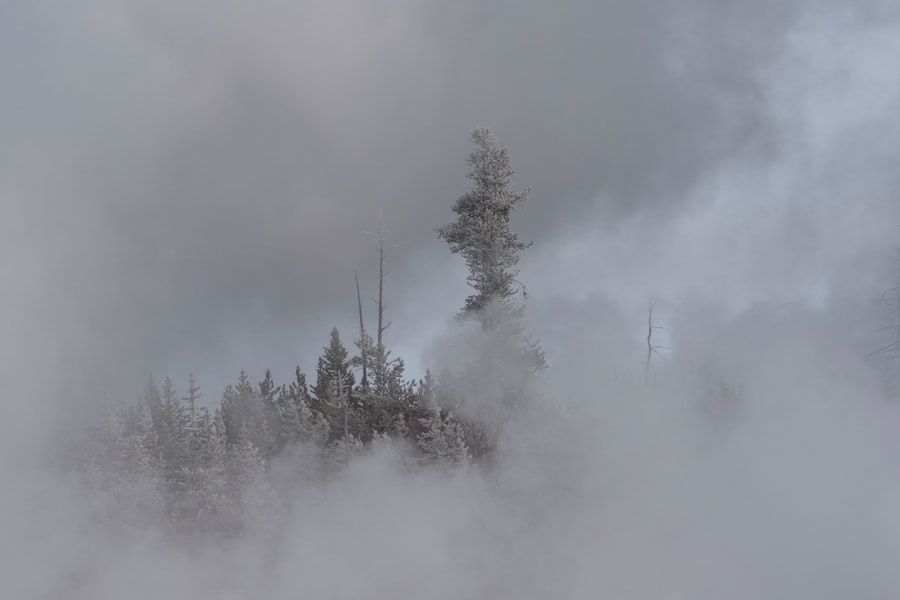
While a supereruption is a low-probability, high-consequence event, it is not an event that can be ignored by future civilizations. The proactive development of mitigation strategies and robust preparedness plans is not an option but a necessity for long-term survival.
Enhanced Volcanic Monitoring and Early Warning Systems
Continuous and advanced monitoring of the Yellowstone Caldera is crucial. Investments in seismic networks, GPS deformation monitoring, gas emission analysis, and thermal imaging are essential to detect any subtle shifts in volcanic activity.
Global Collaboration in Scientific Research
The study of Yellowstone and other supervolcanoes requires a global, collaborative effort. Sharing data, resources, and expertise across international borders will accelerate our understanding and refine predictive models. This international scientific endeavor is a cornerstone of future preparedness.
Developing Sophisticated Predictive Models
Advancements in computational power and our understanding of volcanic processes will allow for the development of more sophisticated predictive models. These models, informed by real-time data from monitoring networks, can provide earlier and more accurate warnings, allowing for greater lead time for evacuation and preparedness.
Building Societal Resilience: A Multi-faceted Approach
Resilience is not merely about surviving a crisis; it is about the capacity to adapt, recover, and even thrive in its aftermath. Building societal resilience in the face of such a monumental threat requires a multi-faceted approach.
Diversification of Food Production and Storage
Future civilizations must prioritize diversifying food production methods beyond current industrial agriculture. This includes promoting small-scale, sustainable farming, developing drought- and cold-resistant crops, and establishing robust, long-term food storage facilities in secure locations, ready to weather even the harshest volcanic winter.
Decentralized Infrastructure and Redundant Systems
Reliance on highly centralized infrastructure makes societies vulnerable. Future planning should focus on developing decentralized systems for energy, communication, and water, with built-in redundancy to ensure continued functionality even if parts of the network are damaged. A more distributed nervous system for society will be more robust.
Public Education and Preparedness Drills
Effective public education campaigns are essential to inform citizens about the risks and necessary preparedness measures. Regular drills, evacuation plans, and the stocking of essential supplies can significantly improve the survival rates of populations in affected regions. Knowledge is power, and preparedness is the ultimate insurance policy.
The “Long Fuse”: Yellowstone’s Enduring Influence
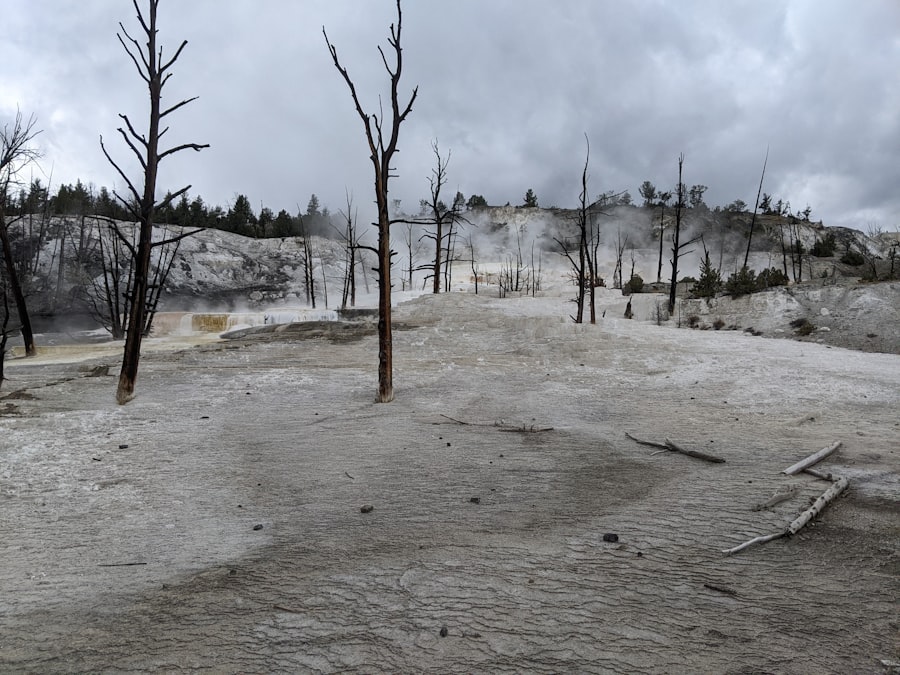
Even without a catastrophic eruption, the ongoing geological processes associated with the Yellowstone Caldera exert a subtle yet significant influence on the surrounding environment and, by extension, on the human endeavors that interact with it. This “long fuse” of geological activity provides ongoing lessons and opportunities.
Subtlety in Geothermal Influences
The consistent output of geothermal energy, though not currently exploited on a massive scale within the park, represents a constant reminder of the Earth’s internal heat engine. This consistent energy flux influences local microclimates and soil composition, creating unique ecological niches.
Regional Climatic Anomalies and Microclimates
The heat rising from the caldera can subtly influence regional weather patterns, leading to localized microclimates that differ from the surrounding areas. Understanding these anomalies can inform agricultural practices and resource management in regions adjacent to such geothermal hotspots.
Soil Fertility and Unique Flora
The volcanic soils, enriched by past eruptions and ongoing hydrothermal activity, are naturally fertile. This has historically supported a distinct array of plant life, contributing to the unique biodiversity of the Yellowstone region and offering insights into soil management and land rehabilitation.
The Value of Undisturbed Geological Systems
Yellowstone National Park, by its very designation, preserves a largely undisturbed geological system. This preservation is of incalculable value for scientific research, providing a baseline against which to measure human impact on other, more exploited geological environments.
A Natural Laboratory for Geological Processes
The ongoing hydrothermal and seismic activity within Yellowstone provides a natural laboratory for studying a multitude of geological processes, from rock formation and mineral alteration to fluid dynamics within the Earth’s crust. This uninterrupted study is vital for advancing geological science.
Informing Resource Management in a Changing World
The lessons learned from Yellowstone’s balanced ecosystem and its geological dynamics can inform future resource management strategies for other geologically active regions around the globe. It offers a template for coexisting with, rather than simply exploiting, Earth’s powerful forces.
In exploring the potential impacts of a Yellowstone eruption on modern society, it is essential to consider various forecasts and analyses that delve into this topic. A particularly insightful article can be found at this link, which discusses the implications of such a catastrophic event on civilization. Understanding these scenarios can help us better prepare for the unforeseen challenges that may arise from natural disasters like those posed by Yellowstone.
Yellowstone’s Legacy: A Mirror to Civilization’s Future
| Metric | Value | Unit | Description |
|---|---|---|---|
| Volcanic Eruption Probability | 0.00014 | Annual Probability | Estimated yearly chance of a supereruption at Yellowstone |
| Population Impacted | 50,000,000 | People | Number of people potentially affected in North America |
| Global Temperature Drop | 3 | °C | Estimated average global temperature decrease post-eruption |
| Agricultural Output Reduction | 20 | Percent | Estimated decrease in global crop yields for 1-3 years |
| Recovery Time | 10 | Years | Estimated time for civilization to recover from major disruption |
| Economic Impact | Severe | N/A | Qualitative assessment of economic consequences |
| Air Travel Disruption | 6 | Months | Estimated duration of major air travel interruptions |
The Yellowstone Caldera, a sleeping giant, serves as a powerful, albeit humbling, mirror reflecting the potential future of human civilization. Its present state offers invaluable scientific data and ecological insights, while the specter of a supereruption forces us to confront the fragility of our existence and the imperative of preparedness.
The Imperative of Long-Term Thinking
The geological timescales of volcanic activity, spanning hundreds of thousands of years, stand in stark contrast to the short-term horizons of human political and economic cycles. Yellowstone compels future civilizations to embrace a paradigm of long-term thinking, one that considers the multigenerational consequences of their actions and their preparedness strategies.
Stewardship of Earth’s Dynamic Systems
The ongoing study and management of Yellowstone underscore the critical need for responsible stewardship of Earth’s dynamic geological and ecological systems. Future civilizations will need to develop ethical frameworks for interacting with such powerful natural forces, prioritizing sustainability and resilience over immediate exploitation.
Intergenerational Responsibility and Legacy
The decisions made today regarding scientific research, preparedness, and resource management will directly impact the survival and well-being of future generations. The legacy of Yellowstone reminds us of our intergenerational responsibility to prepare for contingencies that, while perhaps improbable, could have devastating consequences. The story of Yellowstone is, in essence, unfinished, and its future chapters will be written by the choices humanity makes today. The caldera’s slow breath is a constant reminder of the power that lies beneath, and our capacity to respond to such power will define our enduring footprint on this planet.
FAQs
What is the Yellowstone rewrite civilization forecast?
The Yellowstone rewrite civilization forecast is a scientific projection that examines the potential impacts of a major eruption of the Yellowstone supervolcano on human civilization and the environment.
How likely is a Yellowstone supervolcano eruption in the near future?
Current geological studies indicate that a major eruption of the Yellowstone supervolcano is unlikely in the near future, with no signs of imminent activity. Such eruptions occur on timescales of hundreds of thousands of years.
What are the possible global effects of a Yellowstone supervolcano eruption?
A large eruption could release massive amounts of ash and gases into the atmosphere, potentially causing significant climate cooling, disruption of agriculture, and widespread environmental and economic impacts worldwide.
How do scientists monitor Yellowstone for signs of volcanic activity?
Scientists use a combination of seismic monitoring, ground deformation measurements, gas emissions analysis, and satellite observations to detect changes in volcanic activity at Yellowstone.
Can human civilization recover from a Yellowstone supervolcano eruption?
While a major eruption would pose severe challenges, human civilization has resilience and adaptive capacity. Recovery would depend on the scale of the eruption, preparedness, and global cooperation to manage environmental and societal impacts.