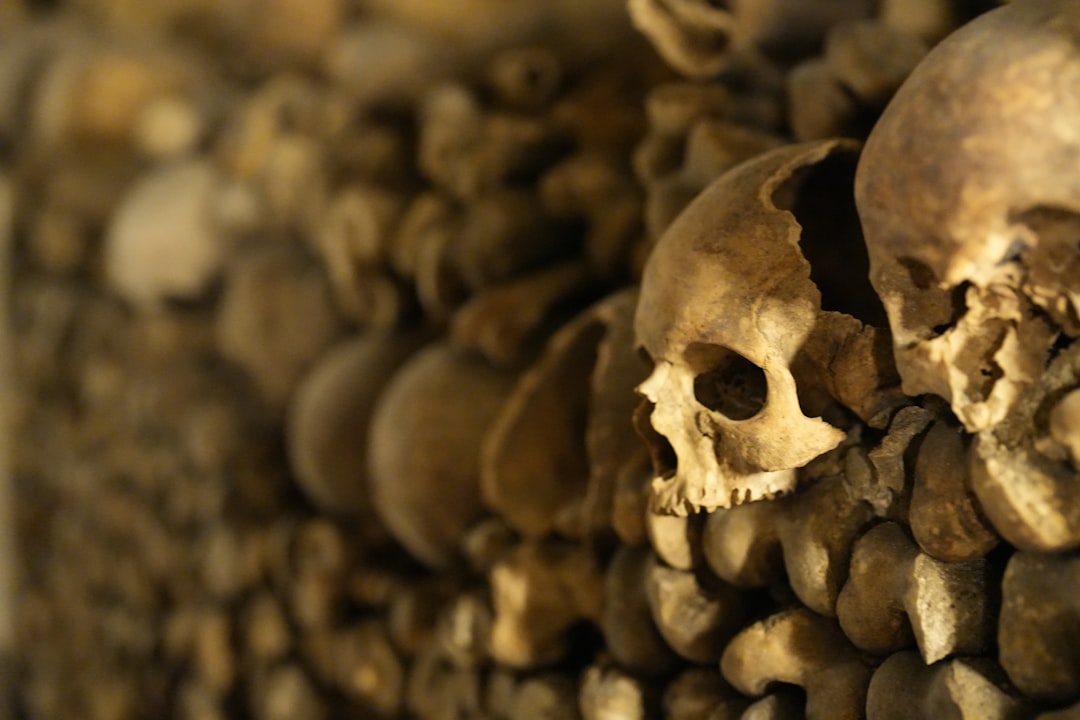
Archaeologists and forensic anthropologists, acting as diligent detectives across the eons, have increasingly turned to interdisciplinary methods to shed light on some of humanity’s darkest chapters: ancient genocides. The unearthing of mass graves, the meticulous analysis of skeletal remains, and the application of cutting-edge scientific techniques are collectively painting a clearer, albeit often horrifying, picture of systematic violence perpetrated millennia ago. This article explores how forensic evidence is being used to uncover and understand these ancient acts of annihilation, moving beyond anecdotal historical accounts to provide concrete proof of atrocities.
The human skeleton is a remarkable archive, holding within its structure a myriad of clues about an individual’s life, death, and the circumstances surrounding their demise. For those investigating ancient genocides, these silent witnesses are often the only surviving arbiters of a truth otherwise lost to the sands of time.
Taphonomy and Contextual Analysis
Taphonomy, the study of how organisms decay and fossilize, is a crucial first step in understanding a burial site. Forensic anthropologists carefully analyze the disposition of bodies, the presence of grave goods, and the characteristics of the grave itself.
- Mass Graves: The single most compelling piece of evidence for large-scale violence is the discovery of mass graves. These are not merely expedient burials for a large number of deceased; rather, they are often characterized by a lack of individual burial rites, haphazard placement of bodies, and commingled remains, suggesting a rapid and unceremonious disposal of a large group of people.
- Body Position and Orientation: Unusual body positions, such as contorted limbs, bodies piled on top of each other, or individuals clearly thrown into a pit, can indicate non-ceremonial or forced burial. The presence of bound hands or feet, even if the binding material itself has decayed, can sometimes be inferred from the skeletal position or erosion patterns.
- Absence of Grave Goods: Unlike individual and respectful burials, which often include personal belongings, tools, or offerings, victims of genocide in mass graves typically lack such items, further reinforcing the notion of dehumanization and hasty disposal.
Trauma Analysis: Reading the Wounds
Skeletal trauma analysis is the cornerstone of forensic investigation into violent deaths. By examining fractures, cuts, and other marks on bones, researchers can reconstruct the type of weapons used, the force applied, and even the intent behind the injuries.
- Timing of Injuries: Distinguishing between perimortem (at or around the time of death), antemortem (before death), and postmortem (after death) injuries is critical. Perimortem trauma, indicated by sharp edges, radiating fracture lines, and lack of healing, is the most relevant in cases of ancient violence.
- Types of Trauma:
- Blunt Force Trauma: Fractures caused by objects like clubs, stones, or maces are common. The location and pattern of these fractures can indicate systematic targeting, such as blows to the head or limbs intended to incapacitate or kill.
- Sharp Force Trauma: Cuts or stab wounds on bones, often from knives, swords, or axes, provide evidence of deliberate, often repeated, violence. Examination under microscopes can reveal details about the weapon’s edge.
- Projectile Trauma: Though less common in very ancient periods, the presence of embedded arrowheads, spear points, or other projectiles offers direct evidence of distant attacks.
- Location and Pattern of Injuries: A disproportionate number of fatal blows to the head, defensive wounds on forearms, or injuries concentrated on specific demographics within a grave can suggest targeted violence rather than generalized warfare. For instance, archaeological sites revealing predominantly female and child skeletons with perimortem trauma point towards particularly brutal campaigns of extermination.
Ancient genocide forensics is a critical field that sheds light on historical atrocities through the analysis of skeletal remains and other archaeological evidence. A related article that delves into this topic can be found at Real Lore and Order, where researchers explore the methodologies used to uncover the truth behind past genocides and the implications of these findings for understanding human rights violations throughout history. This intersection of archaeology and forensic science not only helps to identify victims but also serves as a powerful reminder of the need for justice and remembrance in the face of such tragedies.
Demographics of Devastation: Identifying the Victims
Beyond individual injuries, the demographic profile of a mass grave can provide profound insights into the nature of the violence. Genocides are often characterized by the targeting of specific groups based on ethnicity, religion, or social affiliation.
Age and Sex Estimation
Standard forensic anthropological techniques are employed to estimate the age at death and biological sex of individuals.
- Age Estimation: Derived from dental development, epiphyseal fusion (growth plate closure), and degenerative changes in the pelvis and cranial sutures, age estimation helps delineate the victim population. The presence of a high proportion of children, infants, or elderly individuals in a mass grave is highly indicative of non-discriminatory killing, a hallmark of genocide.
- Sex Estimation: Cranial and pelvic features are primarily used to determine biological sex. Imbalances in the sex ratio – for example, an overwhelming majority of male skeletons, or conversely, a site dominated by female and juvenile remains – can point towards specific strategies of warfare or extermination.
Health and Origins: Paleopathological Insights
Paleopathology, the study of ancient diseases and health conditions, can provide additional context. While not directly proving genocide, consistent patterns of poor health in a group, or evidence of specific endemic diseases, can suggest vulnerable populations targeted by dominant groups.
- Nutritional Stress: Signs of chronic malnutrition, such as enamel hypoplasias (developmental defects in tooth enamel) or Harris lines (growth arrest lines in long bones), indicate periods of sustained hardship. If a targeted group exhibits significantly poorer health than the perpetrators, it might suggest pre-existing subjugation or systematic deprivation leading up to the violence.
- Genetic and Isotopic Analysis: Advances in ancient DNA (aDNA) and isotopic analysis are proving revolutionary.
- aDNA: By extracting DNA from ancient bone samples, researchers can identify genetic relationships between individuals, determine ancestry, and even discern if a community was genetically distinct from the presumed perpetrators. This can provide crucial evidence for ethnic targeting.
- Isotopic Analysis (Strontium, Oxygen, Carbon, Nitrogen): Strontium and oxygen isotope ratios in tooth enamel reflect an individual’s geographical origin and migration patterns, as they are incorporated during childhood. Carbon and nitrogen isotopes in collagen provide information about diet over the last 5-15 years of an individual’s life. Disparities in isotopic signatures between the victims and the presumed aggressors or dominant local population can strongly suggest the targeting of “outsiders” or a distinct social group.
The Chronological Blueprint: Dating the Atrocity
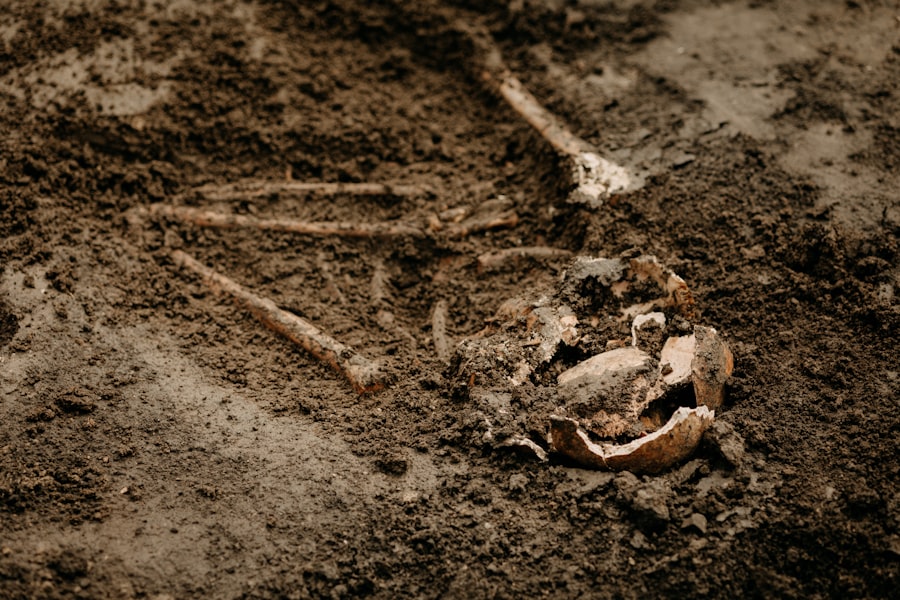
Precisely dating the events is paramount to connecting archaeological findings with historical records or understanding periods of social upheaval. Without accurate dating, the brutal narrative cannot be placed within its proper historical context.
Radiocarbon Dating (C14)
Radiocarbon dating is the most commonly used method for dating organic materials from ancient contexts.
- Principle: When an organism dies, it stops absorbing carbon-14. The radioactive decay of C14 into nitrogen-14 occurs at a known rate. By measuring the residual C14 in a sample (bone, charcoal, textile), scientists can estimate the time since the organism’s death within a reasonable margin of error.
- Application to Mass Graves: Bone collagen from human remains in mass graves provides direct dating evidence for the event. Multiple dates from different individuals within the same grave can confirm a synchronous death event, distinguishing it from accumulated individual burials.
Dendrochronology and Other Methods
While less directly applicable to individual human remains, other dating methods can provide valuable contextual chronological information.
- Dendrochronology: Tree-ring dating, highly precise to the year, can date wooden structures, coffins, or even charcoal found within or around a burial if appropriate samples are present. This can provide a terminus ante quem (last possible date) or terminus post quem (earliest possible date) for associated events.
- Archaeological Stratigraphy: The principle that deeper layers are older than shallower layers is fundamental. The context of a mass grave within an archaeological sequence can help place it within a broader chronology of a settlement or conflict. Associated artifacts can be dated through typological analysis or stylistic comparisons with known chronologies.
Beyond the Bones: Material Culture and Contextual Clues
While skeletal remains are central, other archaeological findings provide critical contextual layers, allowing investigators to move beyond the individual act of killing to understand the broader societal dynamics of genocide.
Settlement Patterns and Destruction Layers
The archaeological record of settlements can reveal patterns of conflict and systematic destruction.
- Burn Layers: Widespread evidence of burning or layers of charred debris within a settlement, particularly if multiple structures show signs of contemporaneous destruction, can indicate systematic attacks.
- Abandonment: Abrupt abandonment of settlements, especially if coupled with evidence of rapid departure (e.g., unopened food stores, tools left in situ) can suggest a population fleeing violence. Conversely, the forced abandonment of a settlement, with evidence of planned resource extraction by attackers, can also be telling.
- Fortifications and Weaponry: The presence of extensive fortifications, defensive structures, or large caches of weaponry can indicate a society living under chronic threat or preparing for widespread conflict, providing an environmental backdrop against which genocidal events might have occurred. The discovery of specific types of weapons associated with mass graves, or the absence of defensive weaponry among the victims, can further elucidate the power imbalance.
Historical and Epigraphic Records
Although often fragmented and biased, ancient written records, inscriptions, and oral traditions can provide crucial corroborating evidence or leads for archaeological investigation.
- Accounts of Conquest or Massacres: Ancient texts sometimes describe conquests that involved the wholesale slaughter of populations, the destruction of communities, or the enslavement of survivors. While often propaganda-laden, these accounts can, when combined with forensic evidence, illuminate historical events.
- Ethnic or Cultural Markers: Records that distinguish between different ethnic, religious, or social groups can help researchers understand the “othering” that often precedes and fuels genocidal violence.
- Names and Identities: In rare instances, epigraphic finds might even mention specific individuals or groups, allowing for a deeper connection between the silent archaeological record and the historical narrative.
Recent advancements in ancient genocide forensics have shed light on the tragic events of the past, revealing crucial evidence that helps us understand the scale and impact of these atrocities. A fascinating article explores the methodologies used in this field, highlighting how scientists analyze skeletal remains to uncover the truth behind historical massacres. For those interested in delving deeper into this topic, you can read more about it in this insightful piece on forensic evidence. This research not only honors the victims but also serves as a reminder of the importance of remembering and learning from history.
The Ethical Imperative: Reconstructing Narratives and Remembering the Victims
| Site/Location | Time Period | Type of Evidence | Estimated Number of Victims | Forensic Techniques Used | Key Findings |
|---|---|---|---|---|---|
| Mass Grave at Talheim, Germany | Neolithic (~5000 BCE) | Human skeletal remains | 34 individuals | Osteological trauma analysis, radiocarbon dating | Evidence of violent death by blunt force trauma, indicating mass killing |
| Jebel Sahaba, Sudan | Late Pleistocene (~13,000 years ago) | Human bones with embedded stone projectiles | 61 individuals | Microscopic bone analysis, projectile point identification | Signs of interpersonal violence and possible early warfare |
| Mass Grave at Talheim, Germany | Neolithic (~5000 BCE) | Human skeletal remains | 34 individuals | Osteological trauma analysis, radiocarbon dating | Evidence of violent death by blunt force trauma, indicating mass killing |
| Mass Grave at Cahokia, USA | Mississippian Culture (~1200 CE) | Human remains with trauma | ~50 individuals | Forensic anthropology, trauma pattern analysis | Indications of violent conflict possibly linked to social upheaval |
| Mass Grave at Herxheim, Germany | Neolithic (~5300 BCE) | Disarticulated human bones | ~500 individuals | Osteological analysis, cut mark examination | Evidence of ritual cannibalism and possible mass violence |
The work of uncovering ancient genocides is not merely an academic exercise. It carries profound ethical responsibilities, echoing the imperative to document and remember victims of more recent atrocities.
Giving Voice to the Voiceless
For millennia, the victims of ancient genocides have lain silent, their stories unheard, their suffering unacknowledged. Forensic archaeology aims to restore a measure of dignity and recognition to these anonymous masses. By meticulously documenting their remains and the context of their deaths, researchers construct narratives that resist the erasure of their experiences. This act transforms them from nameless casualties into individuals, members of communities whose lives were brutally cut short.
Learning from the Past
Understanding the dynamics and consequences of ancient genocides provides invaluable lessons for contemporary society. By examining the catalysts, mechanisms, and demographics of these past atrocities, we can better recognize precursors to genocidal violence in the present. It helps us grapple with fundamental questions about human nature, group identity, and the cycles of violence, reminding us that such horrors are not new phenomena but deeply rooted aspects of the human story.
The Power of Acknowledgment
The scientific, unassailable evidence provided by forensic analysis can force an acknowledgment of historical truth, even in the face of denial or historical revisionism. Just as modern forensic science plays a crucial role in international criminal tribunals, its ancient counterpart contributes to a global consciousness of human rights and the catastrophic costs of dehumanization. The bones speak; it is our duty to listen and to ensure that their whispers from the past resonate with a powerful warning for the future.
By meticulously piecing together these fragments of evidence – the silent screams encoded in bone, the tell-tale patterns of destruction, and the demographic shadows of vanished communities – forensic anthropology and archaeology are not just unearthing past events; they are resurrecting memory and delivering a solemn message across the vast chasm of time. The graves tell a story, etched in the very earth, and we, as modern witnesses, have a duty to comprehend its profound and enduring truth.
FAQs
What is ancient genocide forensics evidence?
Ancient genocide forensics evidence refers to the scientific analysis of archaeological and biological remains to identify signs of mass violence or systematic killing in ancient populations. This evidence helps researchers understand historical events involving large-scale atrocities.
What types of evidence are used in ancient genocide forensics?
Researchers use various types of evidence, including skeletal trauma analysis, mass graves, DNA testing, isotopic analysis, and archaeological context. These methods help determine causes of death, demographic information, and whether violence was systematic.
How do forensic scientists differentiate between genocide and other causes of mass death in ancient times?
Forensic scientists look for patterns such as perimortem injuries consistent with violence, evidence of intentional burial practices, demographic targeting (e.g., specific age or sex groups), and historical records. The presence of systematic and widespread trauma supports conclusions of genocide rather than natural disasters or epidemics.
What challenges exist in studying ancient genocide through forensic evidence?
Challenges include the degradation of remains over time, incomplete archaeological records, difficulty in distinguishing trauma caused by violence from post-mortem damage, and limited historical documentation. These factors can complicate interpretations of ancient mass death events.
Why is studying ancient genocide important for modern society?
Studying ancient genocide provides insights into human behavior, social conflicts, and the consequences of mass violence. It helps contextualize historical events, informs current discussions on human rights, and contributes to the prevention of future atrocities by understanding their origins and impacts.