
The immense scale of human population has, over millennia, led to the development of highly concentrated settlements. These areas, characterized by extreme population densities, represent complex spatial constructs that dramatically influence societal organization, resource allocation, and environmental impact. Understanding these “densest human corridors” requires a multidisciplinary approach, dissecting their historical genesis, contemporary dynamics, and future implications.
The genesis of densely populated corridors is deeply rooted in historical developments, often reflecting a confluence of geographical, technological, and political factors. Early human settlements, while rudimentary, laid the foundational patterns for eventual high-density living.
Agricultural Revolution and Sedentary Lifestyles
The advent of agriculture, beginning around 10,000 BCE, served as the primary catalyst for increased population density. Prior to this, nomadic hunter-gatherer societies were inherently dispersed due to their subsistence strategies. The ability to cultivate crops and domesticate animals allowed for sustained food production in a fixed location, leading to surplus and the growth of permanent settlements. River valleys, with their fertile soils and reliable water sources, became natural cradles for these early population clusters. Mesopotamia, the Nile Valley, and the Indus Valley all exemplify this initial phase of concentration.
Urbanization and Specialized Labor
As agricultural production became more efficient, not everyone was required for food production. This surplus labor allowed for the emergence of specialized crafts, trade, and eventually, formal administration. Cities, therefore, became centers of innovation, commerce, and governance, attracting people from surrounding rural areas. The Roman Empire, for instance, fostered numerous cities that served as administrative and economic hubs, drawing significant populations. The concept of the “city” itself became synonymous with increased density and a complex social hierarchy.
Industrial Revolution and Mass Migration
The Industrial Revolution, beginning in the late 18th century, profoundly reshaped human settlement patterns. Factories, fueled by new technologies, required a large workforce, leading to massive rural-to-urban migration. Cities like London, Manchester, and New York experienced unprecedented population booms, transforming them into dense industrial centers. The availability of employment, even under harsh conditions, acted as an irresistible magnet, drawing individuals and families to these burgeoning urban landscapes. This era also saw the development of more efficient transportation networks, further facilitating the movement of people and goods to and from these concentrated areas.
The phenomenon of densely populated human corridors can be attributed to various factors, including urban planning, economic opportunities, and social interactions. For a deeper understanding of the reasons behind this concentration, you can explore a related article that delves into the intricacies of urban density and its implications on society. To read more, visit this article.
Contemporary Dynamics of Dense Corridors
In the 21st century, the factors influencing population concentration are multifaceted, encompassing economic opportunities, infrastructure, and even climate change. These contemporary dynamics continue to shape and redefine the densest human corridors globally.
Economic Opportunities and Urban Agglomeration
Modern cities serve as powerful economic engines, offering diverse employment opportunities, higher wages, and access to a wider range of goods and services. This economic pull remains a primary driver of population concentration. The phenomenon of “urban agglomeration” describes the tendency for economic activities and populations to cluster together, generating positive externalities such as knowledge sharing, specialization, and reduced transaction costs. Megacities like Tokyo, Shanghai, and Delhi exemplify this gravitational pull, attracting millions seeking a better quality of life and economic advancement.
Infrastructure and Accessibility
The presence of robust infrastructure – reliable transportation networks (roads, railways, ports, airports), communication systems, and essential services (healthcare, education, sanitation) – acts as a powerful amplifier for population density. Efficient infrastructure reduces the friction of distance, making it easier for people to commute, goods to be transported, and services to be delivered. Conversely, a lack of adequate infrastructure can act as a natural brake on population growth, regardless of other attractive factors. Consider a city like Mumbai, where existing infrastructure, despite its scale, is constantly strained by its burgeoning population, yet its economic opportunities continue to attract migrants.
Political Stability and Governance
Regions experiencing political stability and effective governance tend to foster more predictable environments for investment and daily life, thereby attracting and retaining populations. Conversely, areas plagued by conflict, instability, and poor governance often experience outward migration or internal displacement, leading to decreased density or forced concentration in less stable areas. The refugee crises observed in various parts of the world offer stark evidence of how political instability can disrupt established population patterns.
Climate Change and Environmental Migration
While a newer phenomenon, climate change is emerging as a significant driver of population concentration. Rising sea levels, extreme weather events, and desertification can render certain areas uninhabitable or unproductive, forcing populations to migrate to more resilient and often already densely populated regions. Coastal cities, for example, face the dual challenge of accommodating internal migrants while also preparing for potential influxes from communities displaced by rising waters. This adds another layer of complexity to the challenges of managing dense corridors.
Characteristics of Densely Populated Areas
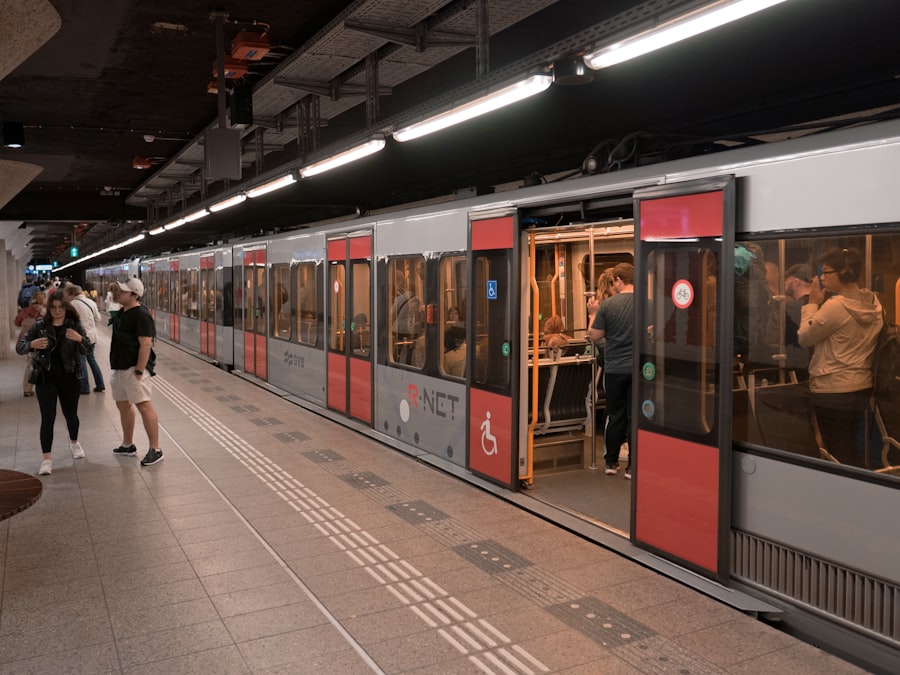
The physical and social characteristics of densely populated corridors are distinctive, representing a unique human-environment interaction. These areas push the boundaries of urban planning and social organization.
High-Rise Architecture and Vertical Living
To accommodate vast numbers of people in limited horizontal space, dense corridors often adopt high-rise architecture as a pragmatic solution. Skyscrapers and multi-story residential buildings become commonplace, transforming urban landscapes into vertical cities. This vertical living optimizes land use but also introduces challenges related to sunlight access, wind patterns, and community interaction. Think of Hong Kong’s skyline, a testament to vertical expansion, where space is a supreme commodity.
Complex Transportation Systems
The movement of millions of people daily necessitates highly complex and efficient transportation systems. Subways, elevated trains, extensive bus networks, and even ferries become essential arteries for these urban behemoths. Traffic congestion is a perennial challenge, driving innovations in public transport and urban planning. The intricate web of Tokyo’s subway system is a prime example of a transportation infrastructure designed to cope with immense daily commuter flows.
Intense Resource Consumption and Waste Generation
With millions of inhabitants concentrated in a small area, resource consumption (water, energy, food) and waste generation reach astronomical levels. This places immense pressure on infrastructure and natural resources, demanding sophisticated systems for supply, distribution, and waste management. The ecological footprint of dense corridors is considerably higher per unit area than that of sparsely populated regions, highlighting the need for sustainable practices.
Diverse Social Fabric and Cultural Exchange
Despite the challenges, dense corridors are often hotbeds of cultural diversity and innovation. The sheer number of people from various backgrounds leads to a vibrant exchange of ideas, traditions, and perspectives. This rich social fabric also fosters creative industries, cutting-edge research, and a dynamic public sphere. While leading to a loss of traditional community structures, new forms of urban community often emerge, adapting to the close proximity of diverse populations. The multicultural tapestry of cities like New York and London illustrates this aspect.
Challenges and Opportunities in Dense Corridors

The concentration of human activity brings both formidable challenges and unparalleled opportunities. Navigating these complexities is crucial for the sustainable development of these critical regions.
Environmental Degradation and Pollution
One of the most pressing challenges is environmental degradation. Air and water pollution, noise pollution, and the generation of vast amounts of waste are common issues in dense corridors. The sheer volume of human activity contributes to climate change through increased carbon emissions and habitat destruction around urban perimeters. Addressing these issues requires comprehensive environmental policies, investment in green infrastructure, and a shift towards more sustainable consumption patterns.
Strain on Infrastructure and Public Services
The rapid growth of dense corridors often outpaces the development of adequate infrastructure and public services. Housing shortages, overcrowded public transport, strained healthcare facilities, and insufficient sanitation systems are frequently observed. This can lead to decreased quality of life and widening social inequalities. Effective urban planning and continuous investment in infrastructure are vital to alleviate these pressures.
Social Inequality and Disparities
While dense corridors offer economic opportunities, they also tend to exacerbate social inequalities. The cost of living, particularly housing, can become prohibitive, leading to gentrification and the displacement of low-income communities. Gaps in access to quality education, healthcare, and green spaces often follow socioeconomic lines, creating marginalized populations within these otherwise affluent areas. Addressing these disparities requires targeted social policies and inclusive urban development strategies.
Innovation and Economic Productivity
Despite the challenges, dense corridors are unrivaled centers of innovation and economic productivity. The close proximity of diverse talents, industries, and institutions fosters knowledge spillovers and technological advancements. These areas act as economic powerhouses, contributing significantly to national and global GDP. Silicon Valley, despite not being a traditional “corridor” in the linear sense, exemplifies a dense cluster of innovation.
Cultural Vibrancy and Diversity
The confluence of people from myriad backgrounds creates a cultural melting pot, fostering artistic expression, culinary diversity, and a vibrant public life. This rich cultural ecosystem enhances the quality of life for residents and attracts tourism, adding another layer of economic benefit. The continuous evolution of diverse cultural expressions within these dense settings is a testament to human adaptability.
The phenomenon of densely populated human corridors can be attributed to various factors, including urban planning, economic opportunities, and cultural significance. For a deeper understanding of these dynamics, you might find the article on urban density and its implications quite insightful. It explores how cities evolve and the reasons behind the concentration of populations in specific areas. You can read more about it in this related article.
Future Outlook for Densely Populated Areas
| Reason | Description | Example Locations | Impact on Density |
|---|---|---|---|
| Urbanization | Concentration of population in cities due to job opportunities and amenities. | New York City, Tokyo, Mumbai | High density due to limited space and high demand for housing and services. |
| Transportation Hubs | Areas around major transit points attract large numbers of people for commuting. | Grand Central Terminal (NYC), Shinjuku Station (Tokyo) | Creates corridors with heavy pedestrian flow during peak hours. |
| Economic Activity | Regions with concentrated commercial and industrial activities draw workers and consumers. | Financial districts in London, Hong Kong | Increases daytime population density and corridor congestion. |
| Geographical Constraints | Natural barriers like rivers or mountains funnel movement into narrow corridors. | Manhattan Island, Hong Kong Island | Limits expansion, increasing density along accessible routes. |
| Infrastructure Design | Urban planning that channels pedestrian and vehicular traffic into specific pathways. | Pedestrian bridges, subway exits in dense cities | Concentrates human movement, creating dense corridors. |
The trajectory of dense human corridors is influenced by global trends, technological advancements, and policy decisions. The future will likely see continued growth, but with an increased emphasis on sustainability and resilience.
Smart City Initiatives and Technology Integration
The integration of advanced technologies, often referred to as “smart city” initiatives, is poised to reshape dense corridors. Artificial intelligence, the Internet of Things (IoT), and big data analytics can optimize traffic flow, manage resource consumption, enhance public safety, and improve the efficiency of public services. These technologies offer potential solutions to many of the challenges associated with high density, though they also raise concerns about privacy and digital divides.
Sustainable Urban Planning and Green Infrastructure
Future urban planning in dense corridors will increasingly prioritize sustainability. This includes the development of green infrastructure, such as urban parks, vertical gardens, and permeable surfaces, to mitigate the urban heat island effect, improve air quality, and manage stormwater. Promoting public transportation, cycling, and pedestrian zones will reduce reliance on private vehicles and decrease carbon emissions. The concept of the “15-minute city,” where essential services are within a short walk or bike ride, is gaining traction as a model for sustainable urban living.
Climate Change Resilience and Adaptation
As climate change intensifies, dense corridors will need to invest heavily in resilience and adaptation strategies. This includes upgrading infrastructure to withstand extreme weather events, developing early warning systems, and implementing nature-based solutions for coastal protection and flood management. Relocation strategies for specific vulnerable areas may also become necessary. The long-term viability of many coastal megacities hinges on successful adaptation.
Evolving Social Structures and Community Engagement
The social fabric of dense corridors will continue to evolve. Efforts to foster a sense of community amidst high density are crucial. This includes promoting public spaces, supporting local initiatives, and leveraging technology to connect residents. Understanding and addressing the psychological impacts of dense living, such as stress and anonymity, will be critical for creating livable and thriving urban environments.
In conclusion, dense human corridors are not merely statistical anomalies; they are living testaments to human ingenuity, resilience, and the relentless pursuit of opportunity. They represent the epicenter of many global challenges and, simultaneously, the wellspring of innovative solutions. By understanding their historical roots, contemporary dynamics, and future trajectories, we, as a global society, can strive to build more equitable, sustainable, and thriving environments for the vast majority of humanity who call these concentrated spaces home.
FAQs
What are the densest human corridors in the world?
The densest human corridors are regions with extremely high population concentrations, often found in parts of South Asia such as the Indo-Gangetic Plain, as well as in urbanized areas of East Asia like the Pearl River Delta and the Tokyo metropolitan region.
What factors contribute to the high population density in these corridors?
Key factors include fertile land for agriculture, availability of water resources, historical trade routes, economic opportunities, urbanization, and favorable climate conditions that support large populations.
How does urbanization affect the density of human corridors?
Urbanization leads to the growth of cities and metropolitan areas, attracting people for jobs, education, and services, which increases population density in these corridors and often results in the expansion of infrastructure and housing.
What role does geography play in the formation of dense human corridors?
Geography influences human settlement patterns by providing natural resources, flat and arable land, river systems for transportation and irrigation, and climate conditions conducive to agriculture and habitation, all of which support dense populations.
Are there any challenges associated with living in densely populated human corridors?
Yes, challenges include overcrowding, strain on infrastructure and resources, environmental degradation, pollution, traffic congestion, and increased risk of disease transmission, which require effective urban planning and management.