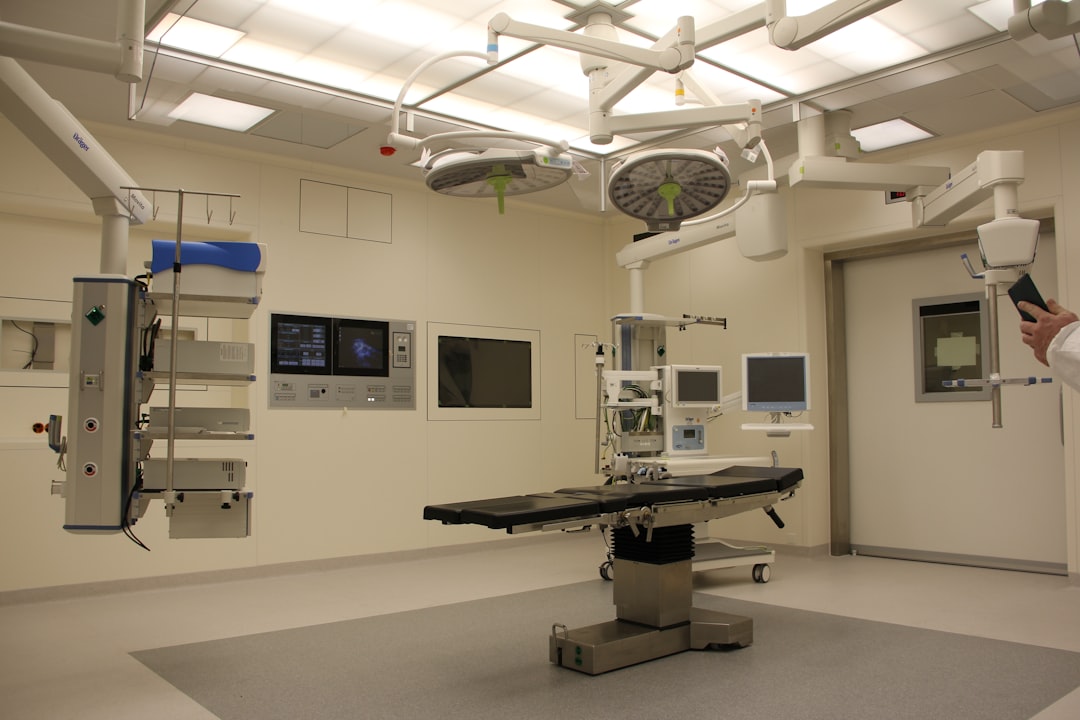
The air within a hospital is not merely a medium for respiration; it is a meticulously orchestrated environment, a silent symphony of precise pressures, temperatures, and, critically, medical gas compositions. The control systems that govern these lifeblood gases—oxygen, medical air, nitrous oxide, surgical vacuum—are the unsung heroes of modern medicine, ensuring that every breath drawn in an operating theater or an intensive care unit is as intended. Yet, this intricate system, so vital to patient outcomes, stands at a precipice. The future of hospital gas control is not one of passive evolution but an escalating battle for survival, driven by technological advancements, evolving medical practices, and an ever-increasing demand for efficiency and safety.
Historically, medical gas supply chains were characterized by a robust, if somewhat cumbersome, reliance on bulky cylinders and central pipeline systems. While these methods remain foundational, the landscape is rapidly transforming. The sheer volume and diversity of gases required, coupled with the logistical challenges of managing high-pressure cylinders, have spurred a re-evaluation of traditional approaches. This shift is not simply about upgrading current infrastructure; it is about reimagining the very pathways through which life-sustaining gases reach the patient.
The Decline of the Cylinder Armada
For decades, the ubiquitous medical gas cylinder has been the frontline soldier in hospital gas supply. Stored in designated areas, transported by dedicated personnel, and meticulously checked for pressure and expiry, these cylinders are a familiar sight. However, their inherent limitations are becoming increasingly pronounced.
Logistical Nightmares and Safety Concerns
The sheer number of cylinders required to sustain the operation of a large hospital can be staggering. This necessitates extensive storage space, often in climatically controlled environments, and a constant, labor-intensive process of rotation and refilling. Each cylinder is a potential projectile in an emergency situation, and the risk of leaks, mishandling, and accidental mixing of gases presents a persistent safety concern. The “empty” cylinder, a symbol of a momentarily depleted resource, can quickly become a critical bottleneck if replacements are not readily available, turning a minor inconvenience into a potential crisis.
The Cost of Cylinders: A Leaky Faucet
Beyond the immediate logistical burdens, the financial implications of relying solely on cylinders are significant. The cost of purchasing, maintaining, and transporting cylinders, coupled with the loss of revenue from expired or damaged contents, represents a substantial drain on hospital budgets. Furthermore, the energy required for compression and filling adds another layer of operational expense.
The Rise of On-Site Generation: Harnessing Indigenous Resources
In response to the limitations of the cylinder armada, on-site gas generation systems have emerged as a potent alternative, offering a more sustainable and cost-effective solution. These systems, akin to a hospital establishing its own independent power plant, allow institutions to produce vital gases directly within their facilities.
Oxygen Concentrators: Breathing Life from the Air
Oxygen concentrators, utilizing pressure swing adsorption (PSA) technology, have become increasingly prevalent. These devices selectively extract oxygen from ambient air, a readily available and inexhaustible resource. The process, though requiring a power source, significantly reduces the dependency on external supply chains.
Technological Advancements in PSA
Modern PSA systems are more energy-efficient and compact than their predecessors, making them suitable for integration into a wider range of hospital settings. Innovations in molecular sieve materials and control algorithms have enhanced their reliability and output capacity, allowing them to serve not just smaller clinics but also larger medical centers.
The Security of In-House Oxygen Production
The ability to generate oxygen on-site offers a profound sense of security. It shields a hospital from the vagaries of external supply chain disruptions, be they natural disasters, geopolitical conflicts, or global pandemics, instances where the demand for oxygen can skyrocket, leaving traditional suppliers overwhelmed.
Medical Air Compressors: The Foundation of Breathable Air
Medical air, a critical blend of oxygen and nitrogen, is also increasingly being generated on-site. Robust compressor systems, often employing oil-free rotary screw technology, provide a clean and reliable source of compressed air, free from contaminants that could pose a risk to patients.
Ensuring Purity and Reliability
The stringent quality standards for medical air necessitate sophisticated filtration and drying systems. These on-site solutions are designed to meet and exceed these benchmarks, providing a consistent and pure supply essential for respiratory support and pneumatically powered medical devices.
Decentralized Systems: Micro-Grids for Medical Gases
The concept of decentralized gas delivery systems, akin to a hospital embracing a micro-grid approach for its utilities, is gaining traction. This envisions smaller, localized gas generation and storage units positioned strategically throughout a facility, reducing the reliance on a single central point of failure.
Enhancing Resilience and Redundancy
By distributing gas supply points, hospitals can enhance their resilience. If one localized system experiences an issue, others can continue to operate, ensuring uninterrupted patient care. This redundancy is a crucial element in building a robust and fail-safe gas delivery infrastructure.
Tailoring Supply to Demand
Decentralized systems also allow for a more granular approach to gas management. Smaller units can be deployed in specific departments or wings where demand is highest, optimizing efficiency and minimizing the energy expenditure associated with long pipeline runs.
In light of the ongoing discussions surrounding the future of healthcare amidst the gas war, an insightful article titled “Navigating the Future of Hospitals in Conflict Zones” can be found at this link: Navigating the Future of Hospitals in Conflict Zones. This piece explores the challenges faced by medical facilities in areas affected by conflict and the innovative strategies being implemented to ensure that healthcare remains accessible and effective, even in the most trying circumstances.
Precision Engineering: The Intrinsic Role of Gas Control Devices
The delivery of medical gases is only one part of the equation. The control devices that regulate the flow, pressure, and concentration of these gases are the delicate instruments that translate bulk supply into precise therapeutic interventions. Without their meticulous calibration and robust design, even the most abundant supply would be rendered useless, or worse, dangerous.
Regulators: The Gatekeepers of Pressure
Medical gas regulators are the unsung heroes that transform high-pressure gas from cylinders or pipelines into safe, usable pressures at the point of care. Their function is critical, ensuring that the delicate respiratory systems of patients are not subjected to overwhelming force.
Types and Technologies
From simple single-stage regulators to more complex multi-stage devices, the technology behind pressure regulation is vital. Advanced materials and sealing technologies are employed to minimize leaks and ensure consistent performance. Diaphragm materials must be chemically inert and resistant to temperature fluctuations to maintain their efficacy.
Fail-Safe Mechanisms
Many regulators incorporate safety features, such as automatic shut-off valves or pressure relief mechanisms, to prevent dangerous over-pressurization. These fail-safe designs act as crucial bulwarks against potential catastrophic failures, safeguarding patients from harm.
Flowmeters: Orchestrating the Breath
Flowmeters are the instruments that precisely measure and control the volume of gas delivered to a patient. Their accuracy is paramount, especially in critical care scenarios where even minor deviations in oxygen or air delivery can have dire consequences.
Variable Bypass and Mass Flow Controls
Variable bypass flowmeters, often utilizing a float ball in a tapered tube, have been the workhorse for decades. However, advancements in mass flow controllers (MFCs) offer a higher degree of precision and responsiveness, enabling more sophisticated control of gas mixtures.
The Demands of Precision Medicine
As medical science advances, so too do the demands placed upon flowmeters. Robotic surgery, for example, may require incredibly precise gas flows for insufflation or other critical functions, pushing the boundaries of current flowmeter technology.
Manifolds and Alarm Systems: The Central Nervous System
Gas manifolds act as the central distribution points, connecting various supply sources to the hospital’s pipeline system. Integrated alarm systems are the vigilant sentinels, monitoring pressure, flow, and gas composition, and alerting staff to any deviations from safe operating parameters.
The Early Warning System of Patient Safety
These alarms are not mere conveniences; they are essential early warning systems. A drop in oxygen pressure, a leak in the system, or the unintended introduction of non-medical air can be detected and flagged instantaneously, allowing for swift intervention and preventing potentially life-threatening situations.
Human-Machine Interface Evolution
The design of these alarm systems is also evolving. Intuitive graphical interfaces and advanced diagnostic capabilities are replacing the often-confusing array of flashing lights and beeping sounds, providing clinicians with clearer, more actionable information.
The Digital Revolution: Smart Gases and Predictive Maintenance

The integration of digital technologies into hospital gas control systems is ushering in an era of “smart gases” and predictive maintenance, transforming how these vital resources are managed. This is akin to a hospital’s gas infrastructure evolving from a collection of mechanical parts into an interconnected, intelligent network.
Internet of Things (IoT) in Gas Management
IoT sensors embedded within gas supply lines, regulators, and storage tanks can collect real-time data on pressure, flow rates, volume, and even gas purity. This constant stream of information provides an unprecedented level of visibility into the gas infrastructure.
Real-Time Monitoring and Control
Hospitals can now monitor their entire gas network remotely, identifying potential issues before they manifest as alarms. This allows for proactive intervention, preventing minor problems from escalating into major disruptions. Imagine a weather forecast for your gas supply, allowing for preemptive action.
Data-Driven Decision Making
The data collected through IoT devices can inform operational decisions, optimize gas consumption, and identify areas for efficiency improvements. This shift from reactive troubleshooting to proactive management is a significant paradigm change.
Predictive Maintenance: A Stitch in Time Saves Nine
By analyzing the vast amounts of data generated by IoT devices, healthcare facilities can implement predictive maintenance strategies. This involves using algorithms to identify patterns and anomalies that may indicate impending equipment failure.
Preventing Downtime Before It Occurs
Instead of waiting for a regulator to fail or a compressor to break down, predictive maintenance allows for scheduled repairs or replacements during planned downtime, minimizing the risk of unexpected disruptions to patient care. This foresight is a powerful weapon against system failure.
Reducing Unforeseen Costs
Predictive maintenance can also lead to significant cost savings by preventing costly emergency repairs and reducing the need for extensive spare parts inventories. It shifts maintenance budgets from a reactive, often panicked, expense to a planned, efficient investment.
The Human Element: Training and Expertise in a Complex Ecosystem
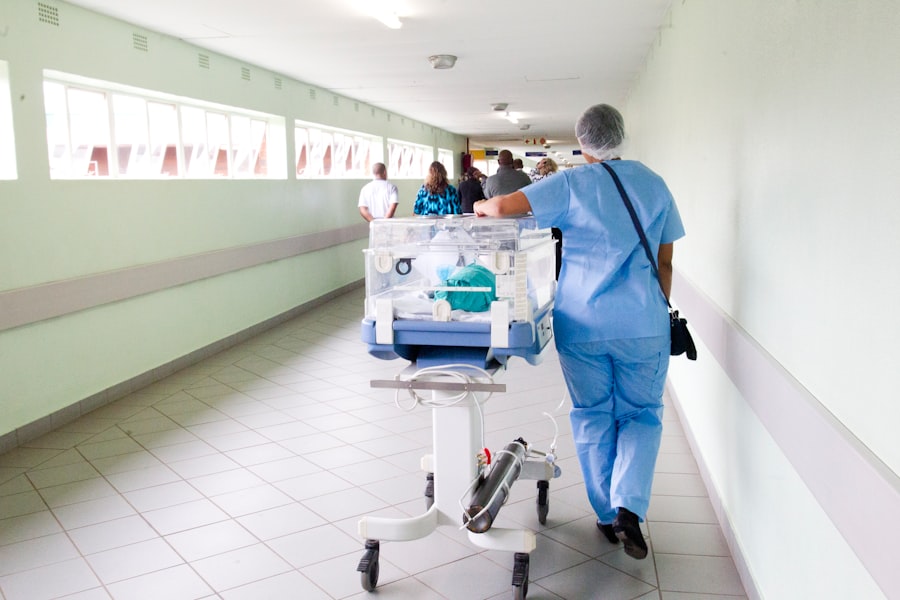
Despite the burgeoning sophistication of automated systems, the human element remains indispensable in the future of hospital gas control. Without highly trained and knowledgeable personnel, even the most advanced technology is rendered vulnerable. The future of this field is a delicate dance between human expertise and technological prowess.
The Evolving Skillset of Biomedical Engineers
Biomedical engineers are at the forefront of implementing, maintaining, and troubleshooting these complex gas control systems. Their roles are expanding to include a deeper understanding of digital technologies, data analytics, and cybersecurity.
From Mechanical Repair to Data Interpretation
The traditional focus on mechanical repair is being augmented by the need to interpret data from IoT sensors, understand software interfaces, and manage the integration of new technologies. This requires a continuous learning curve and a willingness to embrace new disciplines.
The Importance of Cross-Disciplinary Training
Training programs must evolve to encompass not only the mechanical and electrical aspects of gas control but also the digital literacy and data analysis skills necessary to manage modern systems. Cross-disciplinary training is becoming a necessity, not an option.
Clinical Staff Awareness: The Frontline Guardians
While biomedical engineers manage the systems, clinical staff are the end-users and the ultimate guardians of patient safety. A comprehensive understanding of how medical gases are delivered and the implications of system failures is crucial for all healthcare professionals.
Understanding the Basics of Gas Delivery
All clinical staff, from nurses to physicians, should possess a fundamental understanding of the medical gas systems they rely on. This knowledge includes the correct use of equipment, the recognition of alarm conditions, and the basic principles of safe gas management.
The Role of Continuous Education
Hospitals must implement robust and ongoing education programs for clinical staff. These programs should cover updates in technology, best practices in gas management, and emergency protocols. Continuous education ensures that the frontline remains informed and prepared.
In the ongoing discussions about the future of healthcare in conflict zones, the article on gas war hospital control provides valuable insights into the challenges faced by medical facilities in such environments. The complexities of maintaining operational integrity while navigating the pressures of warfare are highlighted in this piece, which can be found in detail at this link. Understanding these dynamics is crucial for developing effective strategies to ensure that hospitals can continue to provide care amidst the chaos of conflict.
The Ethical and Regulatory Frontier: Ensuring Access and Equity
| Category | Metric | Current Status | Future Projection | Control Measures |
|---|---|---|---|---|
| Gas | Average Price per Unit | 3.50 | 3.80 | Price Caps, Subsidies |
| Gas | Supply Stability | Moderate | Improved | Diversification of Sources |
| War | Conflict Intensity Index | 7.2 (High) | 5.0 (Moderate) | Peace Talks, Ceasefire Agreements |
| War | Displacement Rate (per 1000) | 120 | 80 | Humanitarian Aid, Safe Zones |
| Hospital | Bed Occupancy Rate (%) | 85 | 75 | Capacity Expansion, Efficient Patient Flow |
| Hospital | Average Patient Wait Time (minutes) | 45 | 30 | Digital Scheduling, Staff Training |
| Future | Renewable Energy Adoption (%) | 25 | 60 | Incentives, Infrastructure Development |
| Control | Regulatory Compliance Rate (%) | 90 | 95 | Regular Audits, Penalties |
The future of hospital gas control is not solely a technical challenge; it is also a matter of ethical responsibility and regulatory oversight. Ensuring equitable access to life-saving gases and maintaining stringent safety standards are paramount concerns that will shape the evolution of these systems.
Global Disparities in Access: The Oxygen Divide
The stark reality of global disparities in access to essential medical gases cannot be ignored. While developed nations are investing in advanced on-site generation and smart systems, many less developed regions still struggle with basic cylinder supply.
Bridging the Gap Through Sustainable Solutions
The development and deployment of affordable, robust, and sustainable medical gas solutions for low-resource settings present a significant ethical imperative. Innovations in decentralized generation and simpler, more durable equipment are crucial for bridging this divide.
The Role of International Collaboration
International collaboration and knowledge sharing are vital in addressing these global disparities. Partnerships between governmental organizations, NGOs, and private sector entities can help facilitate the transfer of technology and expertise to regions most in need.
Regulatory Evolution: Adapting to New Realities
As technology advances and medical practices evolve, regulatory bodies must adapt to ensure that safety and efficacy are maintained. New standards and guidelines will be required to address the complexities of decentralized systems, IoT integration, and data security.
Cybersecurity of Medical Gas Networks
The increasing reliance on digital networks for gas control introduces new cybersecurity vulnerabilities. Protecting these critical systems from cyber threats is paramount to ensuring patient safety and maintaining the integrity of healthcare operations.
The Need for Proactive Policy Development
Regulatory bodies must proactively develop policies that address the unique challenges and opportunities presented by the evolving landscape of hospital gas control. This includes establishing clear guidelines for data management, system validation, and the responsible deployment of new technologies.
The battle for the future of hospital gas control is a multifaceted one, waged on technological, logistical, and ethical fronts. It is a struggle to ensure that the very air that sustains life within our healthcare institutions remains a reliable, safe, and accessible resource for all. The decisions made today regarding investment, innovation, and regulation will determine whether this vital life support system thrives or falters in the decades to come.
FAQs
What is a gas war in the context of hospital future control?
A gas war refers to competitive pricing and supply strategies among gas providers that can impact hospital operations, particularly in managing energy costs and ensuring reliable gas supply for medical equipment and heating.
How does gas supply affect hospital future control and planning?
Hospitals rely on a stable and affordable gas supply for heating, sterilization, and power generation. Future control involves planning for energy needs, securing contracts, and implementing energy-efficient technologies to mitigate risks from gas price fluctuations or shortages.
What measures can hospitals take to manage risks associated with gas wars?
Hospitals can diversify energy sources, invest in renewable energy, negotiate long-term gas contracts, and implement energy conservation practices to reduce dependency on volatile gas markets and maintain operational stability.
How might a gas war impact hospital costs and patient care?
Increased gas prices or supply disruptions can raise operational costs, potentially limiting resources available for patient care. Hospitals may face challenges maintaining temperature control, sterilization processes, and equipment functionality, which are critical for patient safety.
Are there technological solutions to help hospitals control future gas-related challenges?
Yes, technologies such as energy management systems, combined heat and power (CHP) units, and alternative energy installations can help hospitals optimize gas usage, reduce costs, and enhance resilience against gas supply uncertainties.