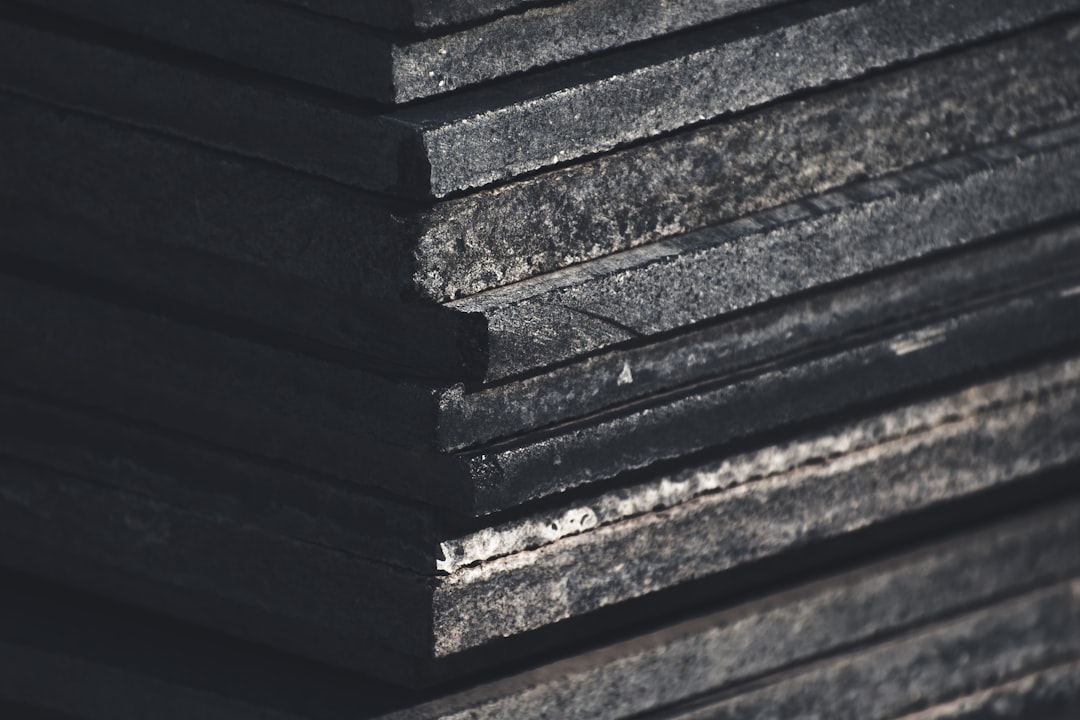
The deep Earth, a realm often perceived as inert and static, is a dynamic crucible where immense pressures and temperatures drive fascinating geological transformations. One such phenomenon, the subject of increasing scientific inquiry, involves the potential for silicates, the primary constituents of rocks like granite, to undergo significant structural reorganization under extreme conditions, leading to behaviors reminiscent of plasticity. This article delves into the mechanisms underlying this metamorphic dance, exploring how granite, a symbol of resilience and rigidity, may, in the profound depths of our planet, adopt characteristics typically associated with more deformable materials.
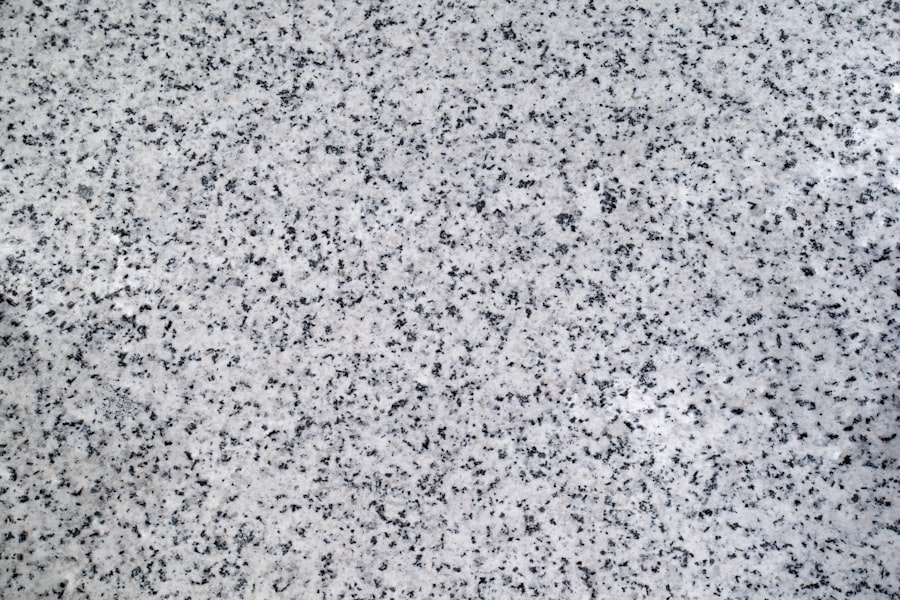
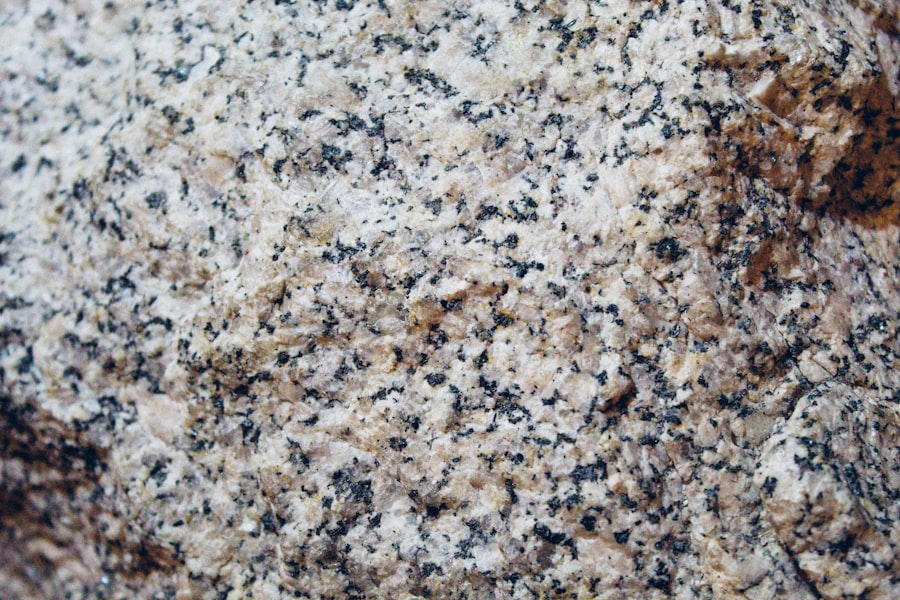
Granite, a ubiquitous igneous rock, forms from the slow crystallization of magma beneath the Earth’s surface. Its characteristic robustness stems from a tightly interlocked matrix of mineral grains. Understanding the potential for granite to exhibit plastic-like behavior necessitates a detailed examination of its fundamental structure.
Quartz: The Silica Backbone
Quartz (SiO₂), typically comprising 20-60% of granite by volume, is a notoriously hard and brittle mineral under surface conditions. Its atomic structure, a continuous framework of silicon-oxygen tetrahedra, grants it remarkable strength. However, under elevated pressures and temperatures, the bonds within this framework can experience increasing strain, potentially leading to atomic rearrangements.
Felspars: The Potassium and Sodium Envoys
Felspars, including orthoclase (potassium felspar) and plagioclase (sodium-calcium felspar), constitute another significant portion of granite, often exceeding 50%. These tectosilicate minerals, like quartz, possess a framework structure. Their atomic arrangement, however, is more complex, incorporating alkali and alkaline earth metal cations. The presence of these larger, more mobile ions may play a crucial role in facilitating deformation mechanisms at depth.
Micas and Amphiboles: The Layered Lubricants
Minor constituents such as micas (e.g., biotite) and amphiboles (e.g., hornblende) are also present in granite. These minerals exhibit distinct layered or chain-like structures. While less abundant, their presence can influence the overall mechanical response of the rock, potentially acting as planes of weakness or contributing to localized deformation.
Recent research has uncovered fascinating insights into the transformation of granite into a plastic-like substance deep within the Earth’s mantle, shedding light on geological processes that have long puzzled scientists. For a deeper understanding of this phenomenon and its implications for our planet’s geology, you can read the related article at Real Lore and Order. This exploration not only enhances our knowledge of Earth’s composition but also raises questions about the potential for new materials and their applications.
The Pressure Cooker: Simulating Deep Earth Conditions
Replicating the extreme conditions found deep within the Earth is a formidable challenge. Scientists employ various high-pressure, high-temperature experimental techniques to probe the behavior of minerals under these punishing environments. These simulations provide critical insights into the processes that unfold far beneath our feet.
Diamond Anvil Cells: Squeezing the Unyielding
Diamond anvil cells (DACs) are instruments capable of generating immense pressures, sometimes exceeding millions of atmospheres. In a DAC, a small sample of material is compressed between two opposing diamonds, the hardest known natural material. Laser heating can simultaneously elevate temperatures to thousands of degrees Celsius. Observing samples under these conditions through spectroscopic techniques allows researchers to monitor changes in their crystal structure and bonding.
Multi-Anvil Presses: Envisioning the Mantle
Multi-anvil presses operate on a larger scale than DACs, allowing for the compression of larger samples. These devices employ multiple anvils arranged around a central cubic or octahedral sample chamber, generating pressures representative of the Earth’s upper mantle. Experiments conducted with multi-anvil presses are vital for investigating the bulk behavior of rock analogues and for understanding phase transitions that occur at depth.
Computer Simulations: The Virtual Laboratory
Alongside physical experiments, sophisticated computer simulations, employing techniques such as molecular dynamics and first-principles calculations, are invaluable. These simulations model the interactions between individual atoms, predicting their behavior under various conditions. They offer a unique advantage by allowing researchers to explore scenarios that are difficult or impossible to replicate in the laboratory, providing atomic-level insights into phase transformations and deformation mechanisms.
The Mechanisms of Metamorphosis: How Granite Bends
The transformation of granite from a seemingly immutable solid into a material exhibiting plastic-like flow is not a singular event but a complex interplay of several atomic-scale mechanisms. These processes collectively contribute to the rock’s ability to deform without fracturing under enormous stress.
Dislocation Creep: The Atomic Shuffle
Dislocation creep is a primary mechanism of plastic deformation in crystalline materials at high temperatures. It involves the movement of line defects, known as dislocations, through the crystal lattice. Imagine a carpet with a ripple; the ripple represents a dislocation, and moving it across the carpet effectively shifts a portion of the carpet itself. In minerals, dislocations allow for atomic planes to slide past each other, leading to macroscopic deformation. This process is highly dependent on temperature, as increased thermal energy facilitates atomic movement and dislocation glide.
Diffusional Creep: The Grain Boundary Glide
At even higher temperatures and stresses, diffusional creep mechanisms become significant. These processes involve the migration of individual atoms or ions within the crystal lattice, either through the bulk of the grains (volume diffusion) or along grain boundaries (grain boundary diffusion). Imagine a stack of bricks slowly settling, with individual bricks subtly shifting positions over time. This atomic diffusion allows for changes in crystal shape and can lead to the redistribution of material within the rock, accommodating stress. Grain boundary sliding, a related phenomenon, involves the relative movement of adjacent grains without significant internal deformation of the grains themselves.
Pressure Solution: The Dissolution-Reprecipitation Cycle
Pressure solution is a key metamorphic process where mineral dissolution occurs at grain contacts subjected to high normal stress, followed by precipitation of the dissolved material in areas of lower stress. Consider holding a sugar cube under a heavy weight in a slightly humid environment; the sugar gradually dissolves at the points of contact and recrystallizes in other areas. This mechanism effectively transfers material and can lead to a reduction in porosity and substantial deformation of the rock mass. It is particularly effective in the presence of an aqueous fluid phase, which acts as a medium for transport.
Phase Transformations: The Structural Rebirth
Under extreme pressures and temperatures, some minerals within granite may undergo phase transformations, converting into denser, higher-pressure polymorphs. For example, quartz can transform into coesite and then stishovite at increasing pressures. These new mineral phases often have different crystal structures and mechanical properties. The transformation itself can introduce significant strain and facilitate further deformation by creating new grain boundaries or defects within the material. This structural rebirth within the Earth’s depths offers a glimpse into a dynamic underground world.
The Geodynamic Implications: Architects of Earth’s Interior
Understanding the plastic behavior of granite and other silicate rocks at depth has profound implications for our comprehension of various geodynamic processes. These transformations are not mere laboratory curiosities but fundamental drivers of Earth’s internal workings.
Plate Tectonics: The Driving Force Beneath
The Earth’s lithosphere, comprising the crust and uppermost mantle, is fragmented into tectonic plates that move and interact. The ability of rocks at the base of the lithosphere and within the mantle to deform plastically is crucial for the very existence of plate tectonics. Without this ductility, the plates would likely be rigid and locked, preventing the dynamic processes of subduction, seafloor spreading, and mountain building that shape our planet’s surface. Think of the deep Earth as a slow-motion conveyer belt, with the plastic deformation of rocks enabling the movement of the continents above.
Mantle Convection: Earth’s Internal Engine
Mantle convection, the extremely slow circulation of solid rock within the Earth’s mantle, is the primary mechanism for heat transfer from the planet’s interior to its surface. This convective flow is driven by density differences, with hotter, less dense material rising and cooler, denser material sinking. The plastic deformation of mantle rocks, facilitated by mechanisms such as dislocation creep and diffusion creep, allows the mantle to flow over geological timescales. This continuous circulation acts as Earth’s internal engine, powering plate tectonics and controlling the planet’s thermal evolution.
Earthquake Mechanisms: Bridging Brittle and Ductile Regimes
While earthquakes are typically associated with brittle fracturing of rocks in the shallow crust, the transition from brittle to ductile deformation at depth plays a critical role in understanding seismic activity. At shallower depths, rocks behave elastically, storing strain energy until it exceeds their brittle strength, leading to sudden rupture. However, deeper in the crust and upper mantle, where temperatures and pressures are higher, rocks begin to deform plastically. The boundary between these brittle and ductile regimes is an important zone for understanding the nucleation and propagation of earthquakes and for deciphering the rheology of the seismogenic zone.
Recent research has uncovered fascinating insights into how granite can be transformed into a plastic-like substance deep within the Earth’s mantle, revealing the complex processes that govern our planet’s geology. This intriguing phenomenon is explored in greater detail in a related article, which discusses the implications of this transformation for our understanding of tectonic activity and material science. For more information, you can read the full article here.
The Unveiling Journey: Future Directions in Research
| Metric | Description | Value | Unit |
|---|---|---|---|
| Material Type | Original material before transformation | Granite | — |
| Transformed Material | Material after processing | Plastic Composite | — |
| Depth of Earth Layer | Depth at which transformation occurs | 1500 | meters |
| Temperature | Temperature at transformation depth | 120 | °C |
| Pressure | Pressure at transformation depth | 150 | MPa |
| Transformation Time | Duration for granite to convert to plastic-like material | 500 | hours |
| Plasticity Index | Measure of plastic behavior of transformed material | 0.75 | unitless |
| Density | Density of transformed plastic composite | 2.3 | g/cm³ |
The exploration of ‘plastic granite’ and the broader rheology of deep Earth materials is an ongoing scientific endeavor. Researchers are constantly refining experimental techniques and theoretical models to enhance our understanding of these complex processes.
In-Situ Observations: Peering into the Depths
A significant challenge in high-pressure research is the difficulty of making real-time, in-situ observations of deformation processes. Developing new analytical techniques that allow for direct visualization of atomic rearrangements and defect movement within samples under extreme conditions is a key area of focus. Synchrotron X-ray diffraction and imaging, for example, offer promising avenues for real-time monitoring of phase transformations and crystal orientations during deformation experiments.
Integrating Multiscale Models: From Atom to Planet
Future research will increasingly focus on integrating data from atomic-scale simulations with larger-scale geodynamic models. This multiscale approach aims to bridge the gap between observations of individual atoms and the behavior of the entire planet. By coupling atomic-level insights into mineral plasticity with models of mantle convection and plate tectonics, scientists can develop more comprehensive and accurate descriptions of Earth’s evolution and dynamics.
Exploring Exotic Materials: Beyond Silicates
While this discussion has focused on granite and its constituent silicates, the principles of high-pressure plasticity extend to a wide range of deep Earth materials. Investigating the rheological properties of other mantle minerals, core minerals, and even exotic phases that may exist at extreme depths will continue to shed light on the Earth’s mysterious interior. The universe of deep Earth materials is vast and complex, and each new discovery provides another piece to the planetary puzzle.
In conclusion, the transformation of granite into a state reminiscent of plasticity under deep Earth conditions is a testament to the dynamic nature of our planet’s interior. This intricate process, driven by immense pressures, temperatures, and ingenious atomic mechanisms, shapes the very landscape we inhabit and orchestrates the grand symphony of plate tectonics. As we continue to refine our experimental tools and theoretical frameworks, we move closer to truly unveiling the deep Earth’s secrets, understanding not only how rocks deform, but how our planet breathes and evolves beneath our feet. This ongoing scientific odyssey invites you to marvel at the extraordinary resilience and adaptability of nature, even in its most unyielding manifestations, revealing that beneath the stoic exterior of granite lies a potential for profound, albeit incredibly slow, motion.
FAQs
What does “granite turned to plastic deep earth” mean?
“Granite turned to plastic deep earth” refers to the process where granite rock, under extreme heat and pressure deep within the Earth’s crust, becomes ductile or “plastic.” This means the granite can deform and flow slowly rather than breaking, which is typical behavior of rocks at great depths.
At what depth does granite become plastic in the Earth?
Granite typically becomes plastic at depths of around 15 to 30 kilometers (9 to 19 miles) beneath the Earth’s surface, where temperatures range from approximately 300°C to 700°C (572°F to 1292°F) and pressures are sufficiently high to allow ductile deformation.
Why does granite change from a solid rock to a plastic state deep in the Earth?
Granite changes to a plastic state due to the combined effects of high temperature and pressure. These conditions cause the mineral grains within the granite to recrystallize and deform without fracturing, allowing the rock to flow slowly over geological time.
How does the plastic behavior of granite affect geological processes?
The plastic behavior of granite influences tectonic processes such as mountain building, crustal deformation, and the formation of metamorphic rocks. It allows the deep crust to accommodate stress by flowing rather than fracturing, which affects the structure and evolution of the Earth’s crust.
Can granite return to its original solid state after becoming plastic?
Yes, when granite moves to shallower depths or cools down, it can revert to a more brittle, solid state. This transition depends on changes in temperature, pressure, and deformation rates as the rock moves within the Earth’s crust.