Cities, complex organisms of stone and steel, are not passive backdrops for human existence; they actively participate in shaping the lives of their inhabitants. Beyond the overt divisions of zoning laws and public policy, a myriad of subtle, often invisible mechanisms operate to categorize, channel, and ultimately sort people. This sorting is not arbitrary; it is a profound and ongoing process, influencing everything from social networks to economic opportunity. To truly understand urban life, one must delve into these “secret ways” cities choreograph human experience.
The physical form of a city, its very architecture, acts as a powerful sorting agent. This is not simply about building types but about the spatial relationships they embody and the access they provide or deny.
Vertical Segregation: A Tale of Floors
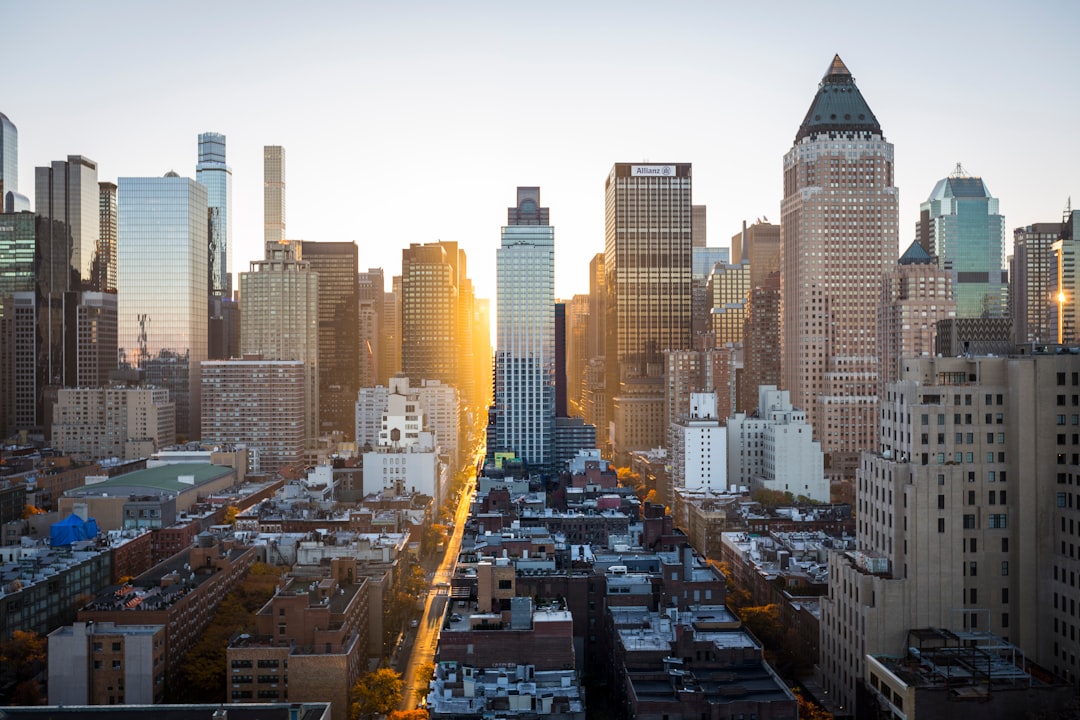
Consider the skyscrapers that pierce the urban sky. While seemingly democratic in their verticality, apartments at higher elevations often command higher prices, offering superior views, reduced street noise, and perceived prestige. This creates a vertical stratification, where the wealthy reside above, literally looking down upon those in lower-level units or ground-floor storefronts. This isn’t merely about luxury; it’s about a subtle form of social distance, a visual and experiential separation that reinforces existing class structures. Conversely, in some older cities, ground floors were historically less desirable due to dampness and street noise, leading to the wealthy occupying higher floors before the advent of modern elevators. This historical nuance highlights the evolving nature of urban stratification.
The Maze of Streets and Pathways
The layout of streets and pathways is another critical architectural sorter. Grid systems, often praised for their efficiency, can also lead to monotonous, easily traversed routes that offer less opportunity for serendipitous encounters among diverse groups. In contrast, winding, organic street patterns, prevalent in older city centers, can foster a sense of discovery and community, but also create enclaves and limit access for newcomers unfamiliar with the labyrinthine passages. Furthermore, the design of public thoroughfares – the presence or absence of wide sidewalks, bike lanes, and green spaces – signals who is prioritized in the urban landscape. Wide, tree-lined boulevards invite leisurely strolls, often found in affluent areas, while narrow, exhaust-choked streets with crumbling pavements are frequently the domain of less privileged neighborhoods.
Gated Communities and Invisible Walls
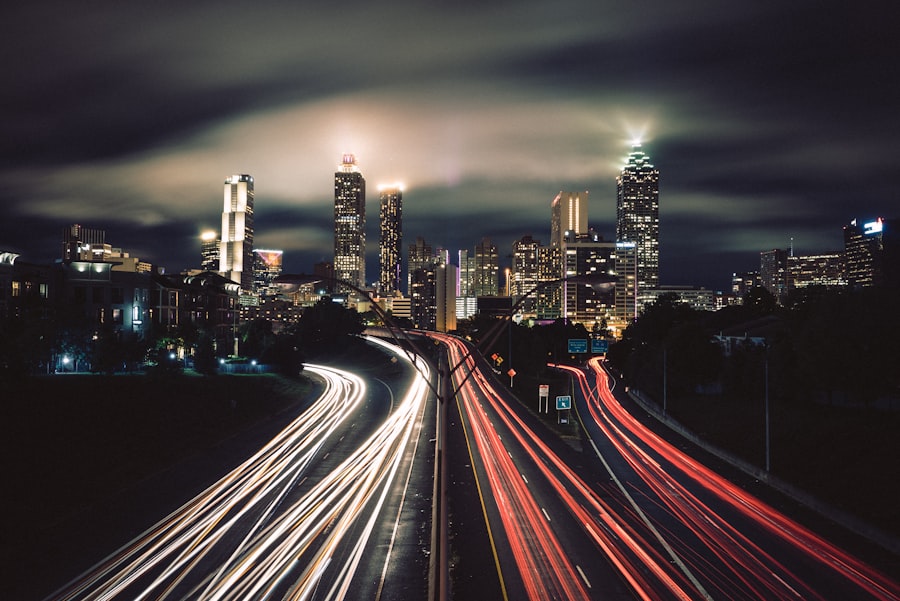
While gated communities represent an explicit architectural choice for exclusion, many “invisible walls” exist. Consider the strategic placement of highways that bisect neighborhoods, creating physical and psychological barriers between communities. These infrastructure projects, often lauded for their transportation benefits, have historically been used to isolate minority and low-income populations from amenities and opportunities in more affluent areas. The noise pollution, fumes, and lack of pedestrian crossings imposed by these concrete rivers effectively sort people into different realms of accessibility and environmental quality.
In exploring the intricate ways cities manage their populations, the article “How Cities Secretly Sort People” delves into the subtle mechanisms that influence urban living and social dynamics. This thought-provoking piece examines the various factors that contribute to the sorting of individuals based on socioeconomic status, access to resources, and even geographical location. For a deeper understanding of these hidden systems and their implications, you can read the full article at How Cities Secretly Sort People.
Economic Gravity and the Pull of Opportunity
Economic forces arguably exert the most potent sorting influence within cities. The uneven distribution of resources, jobs, and services acts as a powerful magnet, drawing some in and pushing others out.
The Price of Admission: Housing Markets
The housing market is perhaps the most visible economic sorter. High demand in desirable areas, coupled with limited supply, drives up housing costs, effectively pricing out lower and middle-income individuals and families. This “economic gravity” causes a centrifugal force, pushing those who cannot afford the escalating rent or mortgage payments to increasingly peripheral and often less serviced areas. Gentrification, a complex urban phenomenon, provides a stark example, where the influx of wealthier residents and businesses transforms neighborhoods, often displacing long-term residents through rising property values and rents. This isn’t merely a shift in demographics; it’s a re-sorting of an entire community based on purchasing power.
Job Deserts and Oases
The spatial distribution of employment opportunities further sorts urban populations. Cities often develop specialized economic zones, with concentrations of high-paying jobs in downtown financial districts or suburban tech hubs. Those lacking the means of transportation or the economic capital to live near these “oases” face longer commutes, reduced employment options, and increased financial strain. Conversely, some areas become “job deserts,” with a scarcity of viable employment, contributing to cycles of poverty and marginalization. This separation is more than geographical; it creates an economic chasm, separating those with access to upward mobility from those confined to its absence.
The Digital Divide within the City
In the increasingly digital age, access to reliable and affordable internet further sorts urban residents. High-speed internet is no longer a luxury but a fundamental utility, essential for job applications, education, and civic engagement. Areas with established infrastructure and affluent populations tend to have superior digital connectivity, while lower-income neighborhoods often contend with slower speeds, higher costs, or even a complete lack of access. This digital divide exacerbates existing inequalities, effectively creating a sorting mechanism that determines who can fully participate in the modern economy and society.
Social Selves and the Echo Chambers of Kin
Beyond physical and economic factors, the innate human tendency to gravitate towards those who are similar plays a crucial role in urban sorting. Cities, despite their diversity, often become a mosaic of self-selected communities.
The Invisible Threads of Social Networks
Social networks, both online and offline, act as powerful, though often unseen, sorting agents. People tend to form connections with those who share similar backgrounds, interests, and socioeconomic status. These networks can provide valuable support, information, and opportunities, but they also create echo chambers, reinforcing existing beliefs and limiting exposure to diverse perspectives. In an urban context, this often translates to individuals frequenting specific neighborhoods, establishments, or community groups, further cementing existing social divisions. One might observe a group of professionals consistently patronizing a particular coffee shop, while a different demographic congregates at a community center across town, rarely intersecting.
Cultural Enclaves and Community Identity
Cities are renowned for their cultural enclaves – Chinatowns, Little Italys, Koreatowns, and countless others. While these vibrant communities offer a sense of belonging and cultural preservation, they also act as a form of self-sorting. Individuals, drawn by shared language, traditions, and services, coalesce in these areas. This can lead to a rich tapestry of urban life, but it can also inadvertently limit integration with broader urban society, particularly for first-generation immigrants. These enclaves provide a haven but can also become a barrier, particularly if perceived by external communities as exclusionary.
The Allure of Symbolic Capital
Symbolic capital, encompassing social prestige, cultural recognition, and perceived status, also influences where people choose to settle and interact. Certain neighborhoods acquire a reputation for being “trendy,” “artistic,” “family-friendly,” or “exclusive.” Individuals seeking to align themselves with these symbols are drawn to these areas, further reinforcing their character and oftentimes their exclusivity. Conversely, neighborhoods with negative symbolic capital, often associated with blight or crime, struggle to attract residents, even if housing is affordable. This psychological sorting, based on collective perceptions and aspirations, is a potent, often unconscious, force in urban development.
The Gauntlet of Urban Services
The uneven distribution and quality of urban services represent another significant, often overlooked, sorting mechanism. Access to essential amenities can profoundly impact quality of life and future prospects.
Education: The Great Divider
Perhaps no urban service sorts more profoundly than education. The quality of public schools often varies dramatically across neighborhoods, becoming a primary driver for housing choices, particularly for families. Affluent areas tend to have well-funded schools with greater resources, experienced teachers, and higher academic outcomes. Conversely, schools in less advantaged areas frequently face underfunding, overcrowding, and a lack of resources, perpetuating cycles of inequality. This disparity effectively sorts children into different educational pathways, directly impacting their future opportunities and socioeconomic mobility. It casts a long shadow, shaping career paths and life trajectories.
Healthcare Deserts and Oases of Wellness
Access to quality healthcare facilities and services is another critical sorter. “Healthcare deserts,” areas with a scarcity of medical professionals, clinics, and hospitals, are commonly found in lower-income and underserved neighborhoods. Residents in these areas face longer travel times, limited choices, and often poorer health outcomes. Conversely, affluent areas often boast a plethora of specialized medical centers, clinics, and wellness facilities. This disparity in healthcare access fundamentally sorts urban residents into different tiers of health and longevity, a stark reminder of how urban systems can dictate fundamental well-being.
Public Transit and the Chains of Commute
The extent and efficiency of public transportation networks act as a critical sorter, dictating who can access employment, education, and leisure opportunities. Well-connected neighborhoods with extensive bus routes, subway lines, or rail access offer greater mobility and freedom. Residents in these areas can more easily navigate the city, regardless of car ownership. However, areas with limited or infrequent public transit options effectively chain residents to their immediate vicinity or necessitate expensive and often time-consuming car travel. This creates a clear division between the mobile and the less mobile, impacting job prospects, social participation, and overall quality of life.
In recent discussions about urban development, the concept of how cities secretly sort people has gained significant attention. This phenomenon often influences social dynamics and access to resources, leading to a deeper examination of urban policies. For a more in-depth exploration of this topic, you can read a related article that delves into the intricacies of urban sorting and its implications for society. Check out the insightful piece here: related article. Understanding these mechanisms can help us advocate for more equitable urban environments.
The Digital Footprint and the Algorithmic City
| City | Sorting Method | Criteria Used | Purpose | Impact on Residents |
|---|---|---|---|---|
| New York | Zip Code Segmentation | Income Levels, Property Values | Resource Allocation, School Districting | Creates Socioeconomic Divides |
| London | Postcode Sorting | Wealth, Crime Rates | Policing, Public Services Distribution | Unequal Service Quality |
| Tokyo | Neighborhood Zoning | Age Demographics, Employment Types | Urban Planning, Transportation | Influences Mobility and Access |
| Paris | Arrondissement Classification | Historical Wealth, Cultural Status | Tourism, Housing Policies | Preserves Social Stratification |
| San Francisco | Tech Industry Clustering | Job Sector, Education Level | Economic Development, Innovation Hubs | Gentrification and Displacement |
In the 21st century, the digital realm has become an increasingly sophisticated, though often opaque, sorter of people within cities. Our online interactions and data leave footprints that are then utilized by algorithms to shape our urban experience.
Location-Based Marketing and Hyper-Targeting
Our smartphones, through location services, constantly communicate our presence in the urban landscape. This data, often aggregated and analyzed, is used by companies for hyper-targeted advertising. You might notice advertisements for upscale restaurants if you frequently visit a certain affluent district, or promotions for discount stores if your daily commute takes you through a less prosperous area. This creates a feedback loop, reinforcing existing consumption patterns and subtly guiding individuals towards businesses and experiences deemed “appropriate” for their perceived demographic and location. It’s a digital hand, gently nudging individuals into predefined consumer categories.
Predictive Policing and Spatial Profiling
The integration of data and algorithms in urban policing also contributes to sorting. Predictive policing models analyze historical crime data, socioeconomic indicators, and other factors to identify areas deemed at higher risk for particular crimes. While ostensibly aimed at improving public safety, these algorithms can inadvertently lead to over-policing in specific neighborhoods, often those inhabited by minority or low-income populations. This increased police presence, whether warranted or not, can create a sense of being constantly under surveillance, impacting daily life, contributing to negative stereotypes, and reinforcing the perception of certain areas as “problematic.” It’s a digital lens, focusing scrutiny on particular segments of the urban population.
The Gated Digital Experience
The concept of a “gated community” is no longer purely physical. Digital platforms and services often employ algorithms that prioritize content and experiences based on user profiles, online behavior, and even geographical location. For example, local news feeds on social media platforms might prioritize content from affluent areas, or popular event listings might disproportionately feature events in specific, desirable parts of the city. This creates a “gated digital experience,” where some individuals are exposed to a richer, more diverse spectrum of urban offerings online, while others are presented with a more limited or biased view, further shaping their perception and engagement with the city around them.
The secret ways cities sort people are multifaceted and deeply ingrained in the urban fabric. From the obvious divides of housing prices to the subtle nudges of digital algorithms, these mechanisms constantly shape who lives where, who interacts with whom, and who has access to which opportunities. As citizens, understanding these forces is crucial. It empowers individuals to critically examine their own urban experience and to advocate for more equitable and inclusive urban futures, recognizing that the grand tapestry of city life is not woven by chance, but by a complex interplay of design, economics, social dynamics, and increasingly, technology. The city is a relentless sorter, and its methods warrant continued scrutiny.
FAQs
What does it mean that cities “secretly sort people”?
It refers to the ways urban environments and policies unintentionally or deliberately organize residents into different social, economic, or demographic groups based on factors like housing, transportation, and public services.
What methods do cities use to sort people?
Cities may use zoning laws, public housing placement, school district boundaries, and infrastructure development that influence where different populations live and work, often leading to segregation or clustering of communities.
Is the sorting of people in cities always intentional?
No, sorting can be both intentional, such as through discriminatory policies, or unintentional, resulting from economic factors, market forces, or historical development patterns.
How does sorting impact residents of a city?
Sorting can affect access to resources, quality of education, employment opportunities, and social mobility, often reinforcing inequalities and limiting interactions between diverse groups.
Can cities change how they sort people?
Yes, through inclusive urban planning, equitable housing policies, improved public transportation, and community engagement, cities can work to reduce segregation and promote more integrated and diverse neighborhoods.