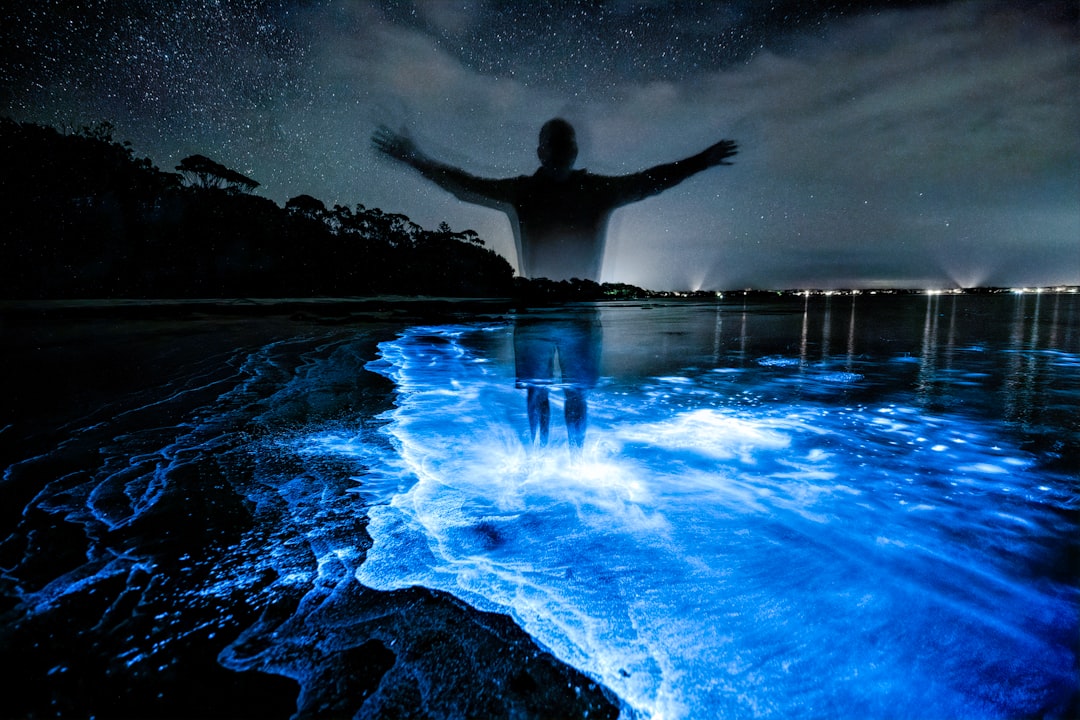
The hidden wonders of ocean bioluminescence unveil a mesmerizing spectacle that unfolds in the vast, often unseen depths of our planet’s oceans. This natural phenomenon, the production and emission of light by living organisms, transforms the perpetual darkness into an ethereal stage, populated by creatures that have evolved to harness the power of light for survival, communication, and predation. Understanding this bioluminescent world is akin to deciphering a secret language spoken in flashes and glows, a testament to the remarkable adaptability of life in extreme environments.
Bioluminescence, at its core, is a chemical reaction. It is not a result of heat, as in incandescence, but rather a “cold light” produced with remarkable efficiency. The fundamental components typically involve a light-emitting molecule called a luciferin and an enzyme called a luciferase. The luciferase acts as a catalyst, facilitating the oxidation of luciferin, a process that releases energy in the form of photons – light particles. This biochemical ballet is the engine behind the myriad of light displays observed in the ocean. The specific structures of luciferins and luciferins vary across different species, leading to variations in the color and pattern of the emitted light. This chemical diversity is a reflection of divergent evolutionary paths, each species adapting its luminescent machinery to its unique ecological niche.
Luciferins: The Light-Bearing Molecules
The luciferin molecule serves as the fuel for bioluminescence. While the general term “luciferin” is used, there are several distinct chemical classes of these compounds, each found in different lineages of bioluminescent organisms. For instance, the luciferin found in fireflies, with which many are familiar, is structurally different from that found in marine bacteria or deep-sea fish. This chemical mimicry or convergent evolution means that similar light-producing capabilities have arisen independently multiple times, tailored to the specific needs of each organism. The structure of luciferin is critical as it dictates the color of the light produced when it is oxidized.
Luciferases: The Catalytic Architects
The luciferase enzyme is the conductor of the bioluminescent orchestra. It accelerates the oxidation of luciferin, thereby controlling the rate and intensity of light production. Like luciferins, luciferases are diverse, with different enzymes interacting with different luciferins. The interaction between a specific luciferase and its corresponding luciferin is highly specific, ensuring that the light is produced only when intended. The efficiency of these enzymes is astonishing; they can catalyze the reaction with minimal energy loss, which is crucial for organisms in energy-limited environments like the deep sea.
The Role of Oxygen and Cofactors
Oxygen is a universal requirement for most bioluminescent reactions. It acts as the oxidizer for luciferin. In addition to oxygen, other cofactors, such as adenosine triphosphate (ATP) or calcium ions, are often necessary to provide the energy or trigger the reaction. The availability and regulation of these cofactors are vital for controlling when and how brightly an organism can luminesce. The complex interplay of these chemical components underscores the intricate biochemical pathways that underpin this captivating natural phenomenon.
The ocean is home to a myriad of bioluminescent wonders that remain largely unseen by the human eye, with about 95 percent of these fascinating phenomena hidden beneath the waves. For those interested in exploring this captivating subject further, a related article can be found at this link, which delves into the mysteries of bioluminescence and its significance in marine ecosystems.
Mechanisms of Light Production
The way light is produced in bioluminescent organisms can be broadly categorized into two main mechanisms: intracellular luminescence, where the organism produces light from specialized cells called photocytes, and extracellular luminescence, where the light is emitted from symbiotic bacteria housed within specialized organs. Both methods achieve the same end – the generation of light – but through distinct biological arrangements.
Intracellular Luminescence: The Organism’s Own Light
In intracellular bioluminescence, the light-producing machinery resides within the organism’s own cells. These specialized photocytes are often clustered together to form photophores, which can be complex structures capable of modulating the intensity, duration, and even color of the emitted light. Some organisms, like certain jellyfish and ctenophores (comb jellies), possess diffuse networks of photocytes, allowing for widespread illumination. Others, particularly fish and squid, have highly organized photophores. The control over these photophores can be neural or hormonal, allowing for rapid and precise light displays. Think of these photocytes as tiny, living lightbulbs, intricately wired and regulated to serve the organism’s needs.
Extracellular Luminescence: The Bacterial Partnership
A significant portion of marine bioluminescence originates from symbiotic bacteria. These bacteria, often belonging to genera like Vibrio or Photobacterium, possess their own luciferin-luciferase systems. They are typically housed in specialized light organs, or photophores, within their host organism. The host provides the bacteria with a stable environment, nutrients, and often a mechanism to control the light emission, such as shutters or reflectors. In return, the host benefits from the light produced by its bacterial partners. This symbiotic relationship is a remarkable example of mutualism, where two disparate life forms collaborate for mutual benefit, creating a living lantern.
Symbiotic Control: Shutters and Reflectors
The interaction between the host organism and its symbiotic bacteria is crucial for effective light utilization. Host animals have developed sophisticated mechanisms to control the emission of light from their bacterial photophores. This includes structures like pigmented tissues that act as shutters, allowing the animal to turn the light on and off by covering or exposing the light-emitting bacteria. Other adaptations include reflective layers that can amplify or direct the light, making it more effective for various purposes. These structures are akin to adjustable lampshades and mirrors, finely tuned for specific applications.
Functions of Ocean Bioluminescence
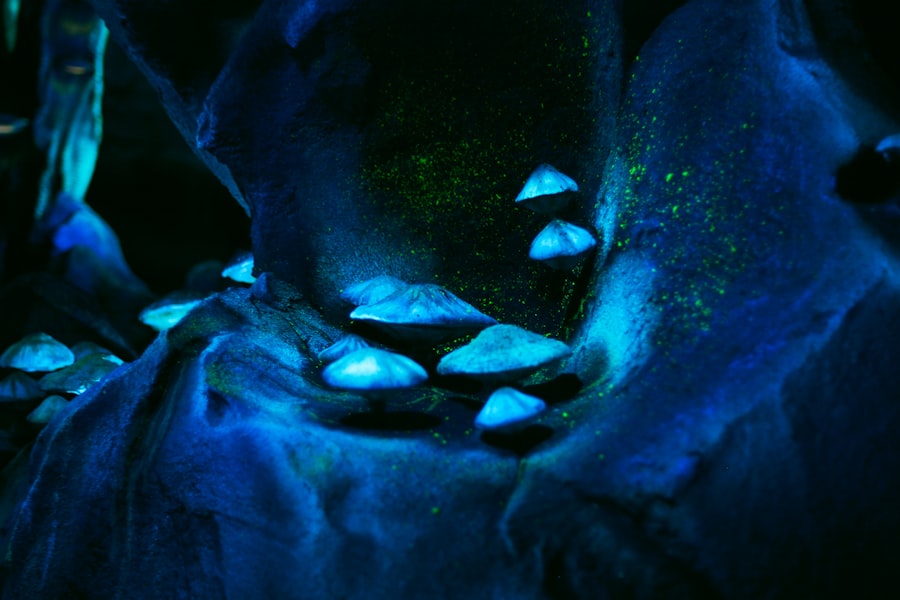
The existence of bioluminescence in the ocean is not merely an aesthetic curiosity; it serves a profound array of functions essential for the survival and reproduction of the organisms that possess it. In the perpetual twilight or absolute darkness of the ocean depths, light becomes a currency, exchanged for sustenance, safety, and social interaction.
Defense: Escaping the Predator’s Gaze
One of the most prevalent uses of bioluminescence is for defense. Many organisms employ light as a diversionary tactic or a deterrent. A sudden flash of light can startle a predator, giving the prey a crucial moment to escape. Some smaller organisms release a cloud of bioluminescent particles, like a luminous smokescreen, to confuse and distract their pursuers. This explosive release of light acts as a dazzling decoy, drawing the predator’s attention away from the fleeing prey.
Counterillumination: Blending with the Sunlight
In the mesopelagic zone, where some sunlight penetrates, many animals use bioluminescence for counterillumination. This ingenious camouflage strategy involves producing light on their ventral (underside) surfaces to match the faint ambient light from above. By illuminating their bellies, they effectively erase their silhouette against the less-dark water above, making them almost invisible to predators lurking below. This act of self-illumination is like projecting the sky onto one’s own shadow, rendering oneself invisible to those looking up.
Predation: Luring and Illuminating Prey
Bioluminescence is also a powerful tool for predation. Some anglerfish, for example, possess a luminous lure, an esca, that dangles in front of their mouths, enticing unsuspecting prey with its glow. Other predators use their light to momentarily blind or disorient their prey, making them easier to capture. Furthermore, some animals employ bioluminescence to illuminate their surroundings, acting as living flashlights to search for food in the darkness. This is particularly useful in environments where visual hunting is otherwise impossible.
Communication: A Language of Light
Beyond defense and predation, bioluminescence plays a vital role in communication, particularly for mating and species recognition. Many species have distinct bioluminescent patterns that signal their species identity, sex, and reproductive readiness. These light signals can be complex and timed precisely to attract mates or ward off rivals. The ocean’s depths become a vibrant ballroom of flashing lights, where individuals engage in a silent, luminous discourse.
Diversity Across Marine Environments
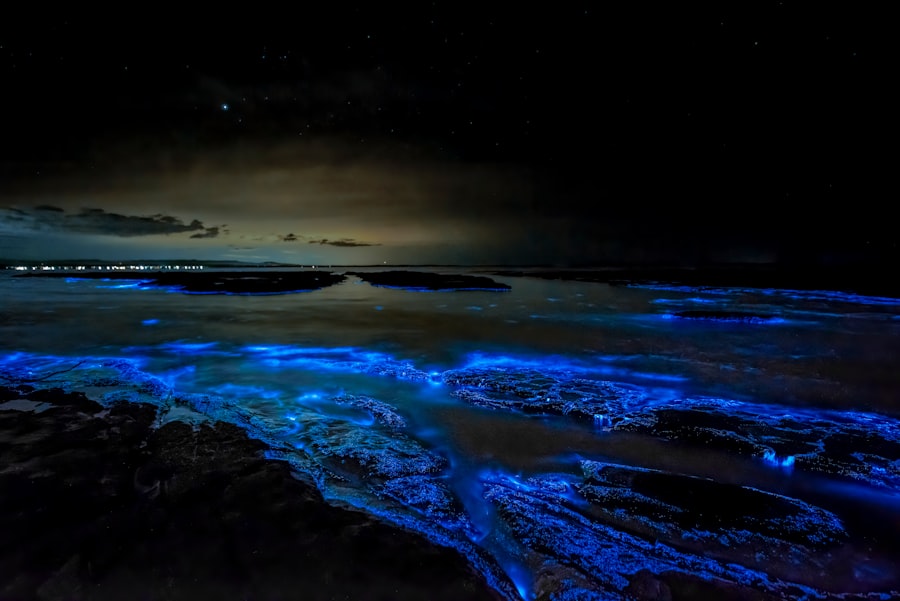
The prevalence and characteristics of bioluminescence vary significantly across different marine environments, reflecting the unique pressures and opportunities present in each zone. From the sunlit surface waters to the crushing depths of the abyssal plain, life has found ways to harness light.
Epipelagic Zone: Surface Spectacles
In the epipelagic zone, the uppermost layer of the ocean, bioluminescence is often associated with planktonic organisms. Dinoflagellates, a type of single-celled alga, are notorious for their spectacular bioluminescent displays when disturbed, creating a shimmering effect in disturbed waters, often referred to as “sea sparkle” or “phosphorescence.” This defense mechanism might deter zooplankton grazers or attract predators of those grazers. While not as common as in deeper zones, bioluminescence in the epipelagic is often a fleeting but brilliant event.
Mesopelagic Zone: The Twilight Realm of Light
The mesopelagic zone, extending from approximately 200 to 1,000 meters, is a realm of perpetual twilight where sunlight is dim and becomes increasingly scarce with depth. This environment is a hotspot for bioluminescence, with a vast array of organisms utilizing light for various purposes. Counterillumination is a dominant strategy here, as described earlier, with many fish, squid, and crustaceans displaying ventral photophores. The density of bioluminescent species and the complexity of their light displays are significantly higher in this zone compared to the surface.
Bathyal and Abyssal Zones: Lights in the Deep Darkness
Descending into the bathyal (1,000–4,000 meters) and abyssal (4,000–6,000 meters) zones, the absence of sunlight is absolute. Here, bioluminescence becomes an essential sensory adaptation, providing the primary means for many organisms to interact with their environment and each other. The light organs in these zones are often elaborate, and the uses range from attracting mates across vast distances to luring prey in the pitch black. Many of the deep-sea fish famous for their bioluminescent adaptations, such as those with lure-like appendages, inhabit these incredible depths.
Hadal Zone: Extreme Adaptations in the Trenches
The hadal zone, comprising the deepest ocean trenches, presents the most extreme environment on Earth. While research in these depths is challenging, evidence suggests that bioluminescence does occur, albeit less frequently and with potentially different functions compared to shallower deep-sea zones. Organisms here have evolved under immense pressure and complete darkness, and any bioluminescent capabilities are likely highly specialized adaptations for survival in these alien landscapes.
The ocean is home to a myriad of bioluminescent wonders, with an astonishing 95 percent of these phenomena remaining unseen by the human eye. These captivating displays of light are often hidden in the depths of the sea, where unique organisms create mesmerizing patterns that illuminate the dark waters. For those intrigued by the mysteries of the ocean, a related article explores the unseen beauty of these bioluminescent creatures and their ecological significance. You can read more about it in this insightful piece on ocean bioluminescence.
Bioluminescent Organisms: A Gallery of Living Lights
| Metric | Value | Description |
|---|---|---|
| Percentage of Ocean Bioluminescence Unseen | 95% | Estimated portion of bioluminescent phenomena in oceans that remain unexplored or undocumented |
| Known Bioluminescent Species | ~1,500 | Number of marine species identified to produce bioluminescence |
| Depth Range of Bioluminescence | 0 – 1,000+ meters | Depths at which bioluminescent organisms are found, from surface to deep sea |
| Primary Functions of Bioluminescence | 3 | Functions include predation, defense, and communication |
| Bioluminescent Light Wavelength | 440 – 480 nm | Typical blue-green light emitted by marine bioluminescent organisms |
| Estimated Bioluminescent Organism Biomass | Millions of tons | Approximate total biomass of bioluminescent organisms in the ocean |
| Research Expeditions Annually | ~50 | Number of scientific expeditions focused on studying ocean bioluminescence |
The diversity of bioluminescent organisms in the ocean is staggering, encompassing a wide range of taxa from microscopic bacteria to larger invertebrates and vertebrates. Each group has evolved unique ways to produce and utilize light, showcasing the remarkable adaptability of life.
Bacteria: The Humble Illuminators
As mentioned, marine bioluminescent bacteria are foundational to many ecosystems. They are often found free-living in the water column or associated with larger organisms. Their constant, low-level glow can sometimes be observed in surface waters during certain conditions. These microscopic organisms form the base of the bioluminescent pyramid, providing light for many creatures through symbiotic relationships.
Cnidarians: Jellyfish and Corals of Light
Many species of jellyfish and hydroids (related to jellyfish) are bioluminescent. Some produce flashes of light when disturbed, while others emit glowing waves of light that ripple across their bodies. The eerie glow of a bioluminescent jellyfish drifting through the dark ocean is an unforgettable sight. Box jellyfish, in particular, can exhibit striking bioluminescent patterns.
Ctenophores: Comb Jellies and Their Iridescent Glow
Ctenophores, or comb jellies, are often confused with jellyfish but are a separate phylum. Many ctenophores are known for their bioluminescence, which can be quite spectacular. Their iridescent cilia, which they use for locomotion, can refract light, creating rainbow-like displays, and some species can also produce their own light through chemical means.
Crustaceans: Tiny Lanterns of the Sea
From copepods and ostracods to shrimp and krill, a vast array of crustaceans are bioluminescent. Some release luminous clouds to deter predators, while others use their light for communication. Certain deep-sea shrimp possess the ability to eject a bioluminescent fluid, effectively blinding their attackers. Larger crustaceans, like some species of lobsters, also exhibit bioluminescence.
Mollusks: Cephalopods and Bivalves of Light
Cephalopods, including squid and octopus, are renowned for their sophisticated bioluminescent capabilities. Deep-sea squid, in particular, have evolved elaborate photophores and can control their light emission with remarkable precision for camouflage, communication, and predation. Some bivalve mollusks, like certain clams and scallops, also exhibit bioluminescence, though it is less common than in cephalopods.
Fish: Masters of Deep-Sea Illumination
The oceans’ depths are populated by an astonishing diversity of bioluminescent fish. Anglerfish with their tempting lures, viperfish with their formidable photophores, and lanternfish, aptly named for their rows of light-producing organs, are just a few examples. These fish have adapted their bioluminescence for everything from attracting prey to signaling to mates and deterring predators, making them true masters of the luminous in the dark.
Future Research and Conservation
The study of ocean bioluminescence is a continuously evolving field, with new discoveries being made regularly. Understanding the complex biochemical pathways involved, the evolutionary pressures that have shaped this phenomenon, and the ecological roles bioluminescence plays is crucial for appreciating the full scope of marine biodiversity. As our technology advances, allowing us to explore previously inaccessible ocean depths, our understanding of these living lights will undoubtedly continue to expand.
Unraveling Complex Biochemical Pathways
Despite significant progress, the exact biochemical mechanisms and evolutionary origins of bioluminescence in all organisms have yet to be fully elucidated. Researchers are continually working to identify novel luciferins and luciferases, understand the genetic basis of their production, and explore the intricate regulatory networks that control light emission. This fundamental research not only expands our knowledge of life but also holds potential for applications in fields like medicine and biotechnology, where bioluminescent markers are already invaluable tools.
The Impact of Anthropogenic Factors
The same stresses that impact other marine ecosystems also pose a threat to bioluminescent organisms. Pollution, climate change, and overfishing can disrupt the delicate balance of marine life, potentially leading to declines in bioluminescent populations. Understanding the specific vulnerabilities of these organisms to environmental changes is essential for developing effective conservation strategies. The loss of even a single species from this luminous tapestry would be a dimmer world.
Conservation Efforts and Sustainable Exploration
Protecting bioluminescent creatures requires a multifaceted approach. This includes reducing pollution, mitigating climate change, and establishing marine protected areas that safeguard their habitats. Responsible tourism and research practices are also vital to minimize disturbance. Ensuring the health of the oceans is paramount to preserving these hidden wonders for future generations to marvel at. The silent language of light in the ocean deserves our protection and careful stewardship.
FAQs
What is bioluminescence in the ocean?
Bioluminescence is the natural emission of light by living organisms in the ocean, such as certain species of plankton, jellyfish, and fish. This light is produced through a chemical reaction involving the molecule luciferin and the enzyme luciferase.
Why is 95 percent of ocean bioluminescence unseen?
Approximately 95 percent of ocean bioluminescence occurs in deep or remote parts of the ocean that are difficult for humans to access or observe. Many bioluminescent organisms live in the deep sea, where sunlight does not penetrate, making their glowing displays largely hidden from view.
What purposes does bioluminescence serve for marine organisms?
Bioluminescence serves various functions, including attracting mates, deterring predators, camouflaging, and luring prey. Different species use light in unique ways to survive and communicate in the dark ocean environment.
How do scientists study bioluminescent organisms in the deep ocean?
Scientists use specialized equipment such as remotely operated vehicles (ROVs), submersibles, and sensitive cameras to explore and document bioluminescent organisms in their natural habitats. These tools allow researchers to observe and record light emissions in the deep sea.
Can bioluminescence be seen from the ocean surface?
Yes, bioluminescence can sometimes be seen from the ocean surface, especially in coastal areas where bioluminescent plankton bloom. These glowing waters are often visible at night and can create stunning natural light displays along shorelines.