The world’s maps, those static snapshots of our planet, have historically depicted a stable geography. Coastlines have been redrawn by tectonic shifts and erosion over millennia, but the process has been slow enough to remain largely unnoticed in human timescales. Today, however, a different, more dynamic force is redrawing those lines with unsettling speed: the rising oceans. This phenomenon, driven by anthropogenic climate change, is not a distant threat; it is a present reality, leading to what can be termed “vanishing nations.” As sea levels encroach, entire island states and low-lying coastal regions face an existential crisis, their very existence threatened with erasure from the world’s atlases. This article delves into the plight of these “drowning countries on maps,” examining the scientific underpinnings, the geopolitical ramifications, and the profound human stories unfolding as landmasses shrink and populations are displaced.
Sea level rise is not a monolithic event but a complex interplay of several contributing factors, each amplifying the overall threat to low-lying coastal areas and island nations. Understanding these drivers is crucial to grasping the scale of the challenge.
Thermal Expansion: The Warming Water’s Grasp
As the Earth’s atmosphere warms due to increased greenhouse gas concentrations, the oceans absorb a significant portion of this excess heat. This absorption leads to thermal expansion, a phenomenon where water, like most substances, increases in volume as its temperature rises. Imagine heating a pot of water on a stove; as it gets hotter, its level visibly rises. The vastness of the oceans means that even a small temperature increase translates into a substantial volume expansion. This expansion is a primary driver of global sea level rise, silently pushing the boundaries of land further underwater.
Melting Ice Sheets and Glaciers: The Great Unburdening
The Earth’s cryosphere, encompassing the vast ice sheets of Greenland and Antarctica, as well as countless glaciers worldwide, represents a colossal reservoir of frozen freshwater. As global temperatures climb, these ice formations are melting at an accelerating rate. The ice that was once locked away on land, if it melts and flows into the ocean, directly contributes to sea level rise. Unlike melting icebergs, which are already floating and displace their weight in water, land-based ice loss is a net gain for ocean volume. The sheer scale of these ice sheets means that their complete melting would result in catastrophic sea level rise, dwarfing current projections. The slow dribble of melting glaciers, while individually less impactful than the great ice sheets, collectively adds a significant burden to the rising seas.
Ocean Currents and Gravitational Shifts: A Subtle Redistribution
While thermal expansion and ice melt are the dominant global forces, localized changes in ocean currents and gravitational effects also play a role. Changes in ocean circulation patterns can influence regional sea levels, leading to variations in the rate of rise along different coastlines. Furthermore, the immense mass of ice sheets exerts a gravitational pull on surrounding seawater. As these ice sheets melt, this gravitational influence diminishes, causing sea levels to fall in their vicinity but rise elsewhere. While these factors are more nuanced, they contribute to the intricate tapestry of sea level change across the globe.
The issue of vanishing nations and the impact of rising sea levels on countries is becoming increasingly urgent, as highlighted in a related article that explores the implications of climate change on global maps. This article delves into the stories of nations at risk of disappearing and the geopolitical ramifications of such changes. For more insights, you can read the full article here: Vanishing Nations and Drowning Countries.
Island Nations on the Brink: The Frontline of a Warming World
For many island nations, sea level rise is not a future projection but a daily struggle. These nations, often comprised of low-lying atolls and coral islands, are particularly vulnerable due to their elevation and limited landmass. Their cultural heritage, economies, and very identities are inextricably linked to their land, making the prospect of submersion a profound tragedy.
Kiribati: A Nation Seeking Higher Ground
The Republic of Kiribati, an expanse of islands scattered across the central Pacific, is perhaps the most widely recognized example of a nation facing imminent existential threat. With an average elevation of just two meters above sea level, even modest sea level rise poses a dire situation. King tides, which naturally push water levels higher, have become increasingly destructive, inundating homes, salinating freshwater sources, and destroying agricultural land. The government of Kiribati has been at the forefront of international discussions on climate change, advocating for stronger global action and exploring options for relocation and land acquisition in countries like Fiji. Their plight serves as a stark warning of what awaits other vulnerable coastal communities.
Tuvalu: The Dwindling Dominion
Similar to Kiribati, the Polynesian nation of Tuvalu, a collection of nine coral atolls also in the Pacific, is acutely vulnerable. Its highest point reaches only 4.6 meters above sea level. The encroaching sea has already claimed burial grounds, damaged infrastructure, and made subsistence farming increasingly challenging. The concept of “land security” for Tuvaluans is becoming a relic of the past, with the saltwater intrusion progressively rendering what land remains less habitable and less productive. The loss of their homeland represents not just a geographical disappearance but the erosion of a unique cultural heritage, passed down through generations.
Maldives: A Jewel Submerged
The Maldives, renowned for its breathtaking coral reefs and luxury tourism, is a nation composed of over 1,190 coral islands. The highest natural ground level in the Maldives is only 2.4 meters above sea level, making it one of the most vulnerable countries in the world. The nation’s economy is heavily reliant on tourism, which is threatened by coastal erosion and coral bleaching events exacerbated by rising sea temperatures. The government has actively pursued strategies to combat erosion and has also invested in raising the elevation of key islands, but the long-term viability of the nation remains a significant concern. The image of a luxury resort struggling against the relentless tide is a potent symbol of the disconnect between economic pursuits and environmental consequences.
Coastal Megacities: The Inconvenient Truth of Land Reclamation

While island nations face outright submersion, major coastal cities, often built on reclaimed land or at very low elevations, are also grappling with the encroaching sea. These metropolises, hubs of global commerce and culture, present a different kind of challenge, one where extensive infrastructure and large populations make relocation a far more complex and costly endeavor.
Jakarta, Indonesia: Sinking Below the Waves
Indonesia’s capital, Jakarta, is perhaps the most extreme example of a sinking city. Built on soft alluvial soil, the city is also experiencing significant land subsidence, compounding the effects of sea level rise. Parts of North Jakarta are already several meters below sea level and are regularly inundated during high tides. The Indonesian government has embarked on an ambitious, and controversial, plan to relocate the capital to Borneo, a testament to the infeasible long-term prospects of keeping Jakarta’s existing infrastructure afloat. This move, a monumental undertaking, underscores the profound challenges of defending or abandoning established urban centers against the rising tide.
Venice, Italy: A Grand Lady Besieged
Venice, a city built on a lagoon, has a long history of managing acqua alta (high water). However, the frequency and severity of these floods have increased significantly in recent decades, directly linked to sea level rise. The MOSE (Modulo Sperimentale Elettromeccanico) project, a complex system of mobile barriers, was designed to protect the city from extreme tides. While it has seen some success, the ongoing rise of the sea presents a continuous battle, and the long-term sustainability of Venice as a habitable city remains a subject of concern and ongoing debate. The city’s architectural marvels, its very essence, are held hostage by the ebb and flow of a more aggressive ocean.
New Orleans, USA: Still Reeling From the Deluge
Superstorm Sandy and Hurricane Katrina serve as stark reminders of the vulnerability of low-lying coastal cities like New Orleans. While not entirely submerged, significant portions of the city lie below sea level, protected by extensive levee systems. The increased intensity of hurricanes, fueled by warmer ocean waters, poses a constant threat of catastrophic flooding. The lessons learned from these disasters are being applied to enhance coastal defenses, but the specter of future, more powerful storms and the persistent threat of sea level rise loom large. The resilience built into the city’s defenses is a testament to human ingenuity, but it is a race against a force of nature that is gaining momentum.
Climate Refugees: The Human Cost of Vanishing Lands
The physical disappearance of land has profound and devastating consequences for the people who call these places home. As coastlines recede and freshwater sources are salinated, entire communities are forced to abandon their ancestral lands, becoming what are increasingly termed “climate refugees.” This displacement is not merely a geographical shift; it is a severing of cultural roots, a loss of identity, and a precarious journey into an uncertain future.
The Loss of Ancestral Homes and Cultural Identity
For inhabitants of island nations and low-lying coastal areas, their land is not just property; it is the repository of their history, their traditions, and their spiritual connection to the Earth. The burial grounds of ancestors, the sacred sites passed down through generations, the very landscapes that shape their folklore and identity – all are threatened by the encroaching sea. The prospect of becoming “stateless” or having to assimilate into new cultures, stripped of their heritage, is a deeply traumatic experience. It is the erasure of a unique human narrative, a silencing of voices that have contributed to the rich tapestry of global diversity.
Economic Devastation and Livelihood Disruption
The economies of many vulnerable nations are intrinsically tied to their coastal environments. Fisheries are threatened by warming oceans and coral bleaching, while agriculture suffers from saltwater intrusion and land loss. Tourism, a vital source of income for many island states, is directly impacted by coastal erosion and the degradation of natural beauty. As land disappears, so too do the means of sustenance, pushing communities into poverty and increasing their dependence on external aid. This economic destabilization further exacerbates the challenges of adaptation and relocation.
The Geopolitical Implications of Mass Displacement
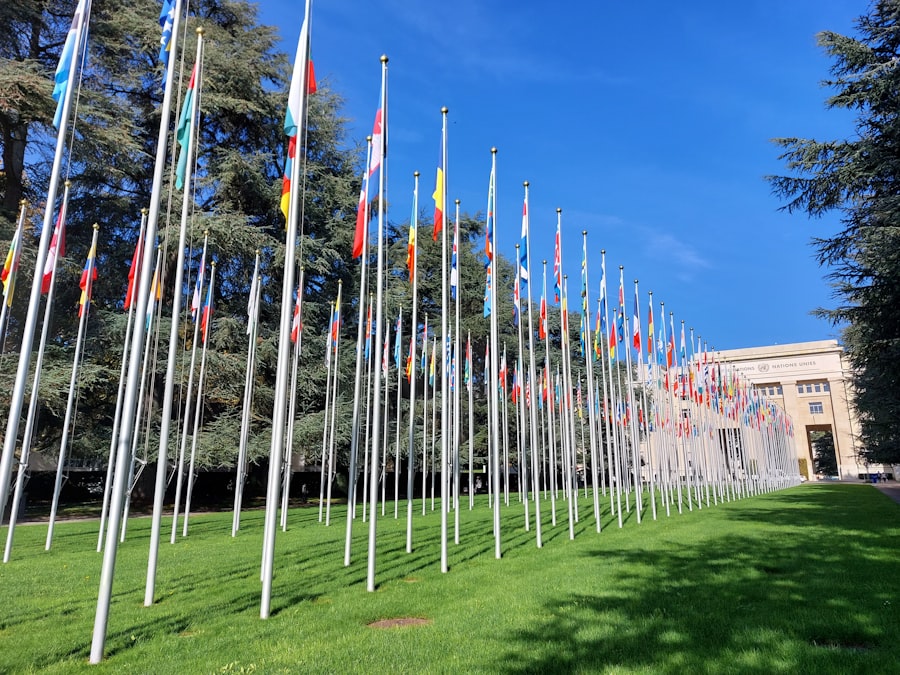
The mass displacement of populations due to sea level rise presents significant geopolitical challenges. The concept of national sovereignty is challenged when entire nations face submersion. Questions arise regarding citizenship for displaced populations, international responsibility for climate refugees, and the potential for resource competition and conflict in areas where populations relocate. The international community faces the complex task of developing legal frameworks and humanitarian responses to address this unprecedented crisis, a crisis that will increasingly test the bonds of global cooperation.
As climate change continues to threaten coastal regions around the world, the concept of vanishing nations has gained increasing attention. Countries like the Maldives and Tuvalu are facing the grim reality of rising sea levels, which could render them uninhabitable in the near future. For a deeper understanding of this pressing issue and its implications on global maps, you can explore a related article that discusses the challenges faced by these vulnerable nations. To learn more about this topic, visit this insightful article that sheds light on the plight of countries at risk of disappearing.
Adapting, Relocating, and the Future of Maps
| Metric | Description | Example Countries/Regions | Data/Value |
|---|---|---|---|
| Land Loss Rate | Annual percentage of land area lost due to rising sea levels | Maldives, Kiribati, Bangladesh | 0.5% – 1.2% per year |
| Population at Risk | Number of people living in low-lying coastal areas vulnerable to flooding | Bangladesh, Vietnam, Netherlands | Over 200 million globally |
| Projected Submersion Year | Estimated year when significant landmass may become uninhabitable or submerged | Tuvalu | 2050 – 2100 |
| Map Updates Frequency | How often maps are updated to reflect changes in coastlines and landmass | Global mapping agencies | Every 5-10 years |
| Number of Vanishing Nations | Countries or territories at risk of disappearing due to climate change | Marshall Islands, Kiribati, Maldives | Approximately 10 |
The response to the threat of vanishing nations is multifaceted, encompassing a range of strategies from engineering solutions and adaptation measures to the somber reality of large-scale relocation. The future of these lands, and the people who inhabit them, hinges on a combination of global climate action and localized resilience.
Engineering Defenses: A Battle Against the Elements
In many coastal cities and regions, engineers are working to bolster defenses against rising sea levels. This includes the construction of higher and stronger seawalls, the restoration of natural coastal defenses like mangroves and coral reefs, and the implementation of advanced flood management systems. The Netherlands, a nation with a long history of managing water, is a prime example of a country that has invested heavily in such engineering solutions to protect its low-lying territory. However, these engineered solutions are often costly, require continuous maintenance, and can only delay, not ultimately halt, the inevitable advance of the sea if global warming continues unabated.
Managed Retreat and Relocation: The Sacrifice of Land
For some communities, particularly on small islands and highly vulnerable atolls, managed retreat and relocation are becoming the only viable options. This involves the planned and orderly movement of populations away from rising shorelines. This process is fraught with logistical, economic, and emotional challenges. It requires careful planning to ensure the well-being and cultural continuity of displaced communities, including the provision of new housing, economic opportunities, and social support. The government of Kiribati’s exploration of land purchase in Fiji represents a proactive, albeit difficult, step in this direction.
International Cooperation and Climate Justice
Addressing the crisis of vanishing nations requires a robust and coordinated international response. Developed nations, historically responsible for the bulk of greenhouse gas emissions, have a moral and ethical obligation to support vulnerable countries in their adaptation and relocation efforts. This includes financial assistance, technological transfer, and a commitment to ambitious emissions reductions to mitigate further sea level rise. The concept of “climate justice” underscores the need for equitable solutions that acknowledge the disproportionate impact of climate change on developing nations and small island states. The future of these maps, and the human stories etched within them, depends on a collective will to act decisively and compassionately.
As the oceans continue their inexorable climb, the lines on our maps are becoming more fluid, more precarious. The stories of these vanishing nations are not just tales of geographical loss; they are urgent calls to action, reminding us that the decisions made today will determine which nations remain visible on the world’s charts and which become mere footnotes in the history of a changing planet. The silent tide is a powerful metaphor for the slow, insidious nature of climate change, a force that, if left unchecked, will redraw not just coastlines, but the very geopolitical and human landscape of our world.
FAQs
What are vanishing nations?
Vanishing nations refer to countries or territories that are at risk of disappearing due to environmental factors such as rising sea levels, natural disasters, or other ecological changes.
Why are some countries considered “drowning”?
Countries are considered “drowning” when they face significant threats from rising sea levels caused by climate change, leading to flooding, loss of land, and potential submersion of coastal areas.
How do maps help in understanding vanishing nations?
Maps visually represent geographic changes over time, showing areas affected by rising sea levels or other environmental threats, helping researchers and policymakers track and plan for the impacts on vulnerable nations.
Which regions are most affected by the issue of vanishing nations?
Low-lying island nations in the Pacific Ocean, parts of Southeast Asia, and coastal regions in countries like Bangladesh are among the most affected by rising sea levels and environmental changes leading to vanishing lands.
What measures are being taken to address the problem of vanishing nations?
Efforts include international climate agreements to reduce greenhouse gas emissions, building sea defenses, relocating populations, and raising global awareness to mitigate the impacts of climate change on vulnerable countries.