
The origins of Damascus steel can be traced back to ancient times, with its roots deeply embedded in the Middle East, particularly in the city of Damascus, Syria. This remarkable material was first developed around 300-500 AD, during a period when the region was a hub for trade and cultural exchange. The steel was renowned for its unique patterns and exceptional strength, which made it highly sought after for weaponry, particularly swords.
The name “Damascus” itself is derived from the city where this steel was first produced, and it became synonymous with quality and craftsmanship. As trade routes expanded, the techniques for creating Damascus steel spread across various cultures and regions. The steel was made using a process known as pattern welding, which involved layering different types of iron and steel to create a composite material.
Over the centuries, the allure of this material captivated artisans and warriors alike, leading to its use in various forms of weaponry and tools, each piece telling a story of its own.
Key Takeaways
- Damascus steel has a long and storied history dating back to ancient times, with its origins rooted in the Middle East.
- The unique properties of Damascus steel, such as its strength, flexibility, and distinctive patterns, make it highly sought after for various applications.
- Traditional techniques of crafting Damascus steel involve the layering and forging of different types of steel to create the signature patterns.
- Modern methods of crafting Damascus steel often involve the use of modern technology and machinery to achieve consistent and high-quality results.
- Pattern welding plays a crucial role in creating the intricate and beautiful patterns that are characteristic of Damascus steel.
The Characteristics and Properties of Damascus Steel
Damascus steel is celebrated for its unique combination of properties that set it apart from other types of steel. One of its most notable characteristics is its striking visual appearance, marked by intricate patterns that resemble flowing water or wood grain. These patterns are not merely decorative; they are indicative of the steel’s layered structure, which contributes to its overall strength and durability.
The interplay of different metals within the composite material results in a blade that is both resilient and flexible, making it ideal for cutting tools and weapons. In addition to its aesthetic appeal, Damascus steel possesses remarkable functional properties. It is known for its ability to hold a sharp edge while remaining resistant to chipping and breaking.
This quality is particularly important for blades used in combat or heavy-duty applications. Furthermore, the unique composition of Damascus steel allows it to be more resistant to corrosion compared to other steels, making it a practical choice for knives and tools that may be exposed to moisture or harsh conditions. The combination of beauty and functionality has solidified Damascus steel’s reputation as a premier material in both historical and modern contexts.
The Traditional Techniques of Crafting Damascus Steel

The traditional methods of crafting Damascus steel are steeped in history and require a high level of skill and artistry. Artisans would begin by selecting high-quality iron and steel, often sourced from different regions to achieve the desired properties. The process typically involved layering these metals in alternating sheets, which were then heated and forged together.
This initial step was crucial, as it set the foundation for the unique patterns that would emerge during the subsequent stages of production. Once the layers were fused, the artisan would employ various techniques to manipulate the material further. This included folding and twisting the metal to create intricate designs.
The forging process was labor-intensive and required a deep understanding of metallurgy, as well as an intuitive sense of how the materials would respond to heat and pressure. After shaping the blade, artisans would often etch or polish the surface to enhance the visual patterns, resulting in a final product that was not only functional but also a work of art. This traditional craftsmanship has been passed down through generations, preserving the rich heritage of Damascus steel production.
The Modern Methods of Crafting Damascus Steel
| Method | Details |
|---|---|
| Pattern Welding | Layering different types of steel to create patterns |
| Twist Core Technique | Twisting and folding the steel to create unique patterns |
| Forge Welding | Heating and hammering the steel to bond the layers together |
| Etching | Revealing the patterns by etching the steel with acid |
In contemporary times, while traditional techniques remain revered, modern methods have emerged that streamline the production of Damascus steel. Advances in technology have introduced new tools and materials that allow artisans to create high-quality Damascus steel more efficiently. For instance, modern forging techniques often utilize hydraulic presses and power hammers, which can significantly reduce the physical labor involved in shaping the metal.
These innovations enable craftsmen to focus more on design and artistry rather than solely on the physical demands of forging. Additionally, modern metallurgical science has provided insights into the properties of various alloys, allowing artisans to experiment with different combinations to achieve specific characteristics in their Damascus steel. This has led to a resurgence in popularity for custom-made knives and tools that incorporate unique blends of metals tailored to individual preferences.
While some artisans still adhere strictly to traditional methods, many have embraced these modern techniques to enhance their craft while maintaining the essence of what makes Damascus steel so special.
The Importance of Pattern Welding in Damascus Steel
Pattern welding is at the heart of what defines Damascus steel, serving as both a technique and an art form that elevates this material above others. This process involves layering different types of steel or iron, which are then forged together through heat and pressure. The resulting composite material not only boasts enhanced strength but also reveals stunning visual patterns that are unique to each piece.
These patterns are not merely aesthetic; they reflect the skill and creativity of the artisan who crafted them. The significance of pattern welding extends beyond its visual appeal; it also plays a crucial role in determining the performance characteristics of the final product. By carefully selecting and layering different metals, artisans can create blades with specific attributes such as hardness, flexibility, and edge retention.
This level of customization allows for a wide range of applications, from high-performance knives to decorative pieces that showcase the beauty of craftsmanship. In essence, pattern welding is what transforms raw materials into extraordinary works of art that embody both form and function.
The Role of Heat Treatment in Damascus Steel
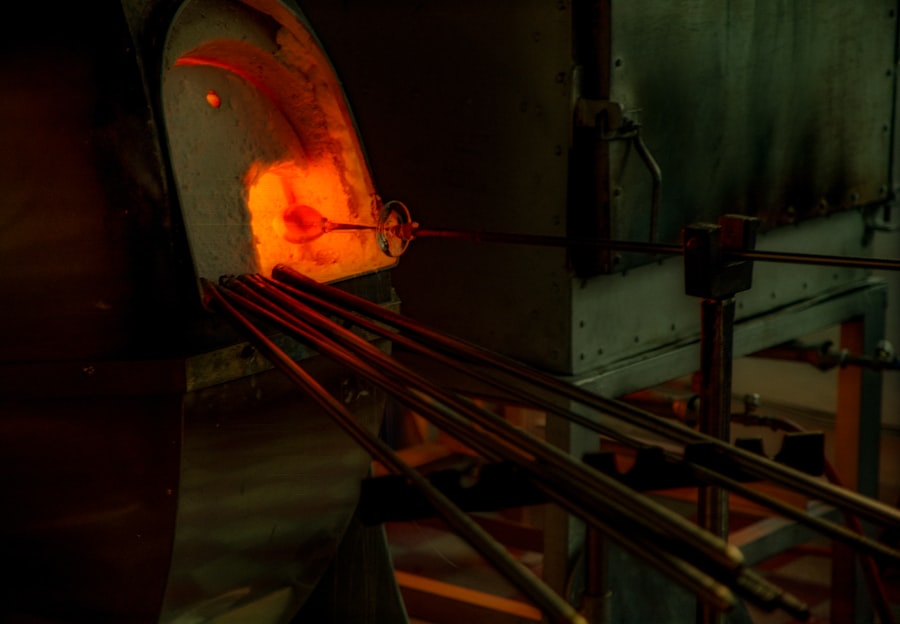
Heat treatment is a critical step in the production of Damascus steel that significantly influences its performance characteristics. This process involves heating the forged blade to a specific temperature and then rapidly cooling it through quenching. The controlled heating and cooling cycles alter the microstructure of the steel, enhancing its hardness while maintaining some degree of flexibility.
This balance is essential for creating blades that can withstand rigorous use without chipping or breaking. Moreover, heat treatment can also affect the visual patterns inherent in Damascus steel. As the blade undergoes this process, the different metals within the composite react differently to heat, causing variations in color and texture that further enhance its aesthetic appeal.
Artisans often experiment with different heat treatment methods to achieve desired results, making this step not only functional but also an opportunity for creative expression. Ultimately, heat treatment is a vital component that ensures Damascus steel remains both beautiful and practical.
The Artistic and Aesthetic Appeal of Damascus Steel
The artistic allure of Damascus steel lies in its mesmerizing patterns and textures that evoke a sense of wonder and admiration. Each piece tells a story through its unique design, reflecting the skill and creativity of the artisan who crafted it. The swirling patterns created by pattern welding resemble natural phenomena such as flowing water or tree rings, inviting viewers to appreciate not just the functionality but also the beauty inherent in each blade or tool.
Beyond its visual appeal, Damascus steel has become a symbol of craftsmanship and tradition. Collectors and enthusiasts often seek out pieces that showcase intricate designs or unique colorations resulting from various forging techniques. This appreciation for artistry has led to a resurgence in demand for handmade Damascus steel products, as consumers increasingly value authenticity and craftsmanship over mass-produced alternatives.
In this way, Damascus steel transcends its utilitarian origins to become a celebrated form of artistic expression.
The Practical Applications of Damascus Steel
While Damascus steel is often associated with artistry and aesthetics, it also boasts numerous practical applications that highlight its functional properties. Historically, it was primarily used for crafting swords and knives due to its exceptional strength and ability to hold a sharp edge. Today, these qualities continue to make it a popular choice among chefs for high-end kitchen knives, where precision cutting is paramount.
In addition to culinary uses, Damascus steel has found its way into various other fields such as outdoor gear, tactical knives, and even jewelry. Its durability makes it suitable for tools that require resilience under stress while maintaining an elegant appearance. As artisans continue to innovate with this material, new applications are emerging that showcase both its beauty and practicality, ensuring that Damascus steel remains relevant in modern craftsmanship.
The Cultural and Historical Significance of Damascus Steel
The cultural significance of Damascus steel extends far beyond its physical properties; it embodies centuries of tradition, artistry, and innovation. In many cultures, particularly within Islamic history, Damascus steel was revered not only for its functionality but also as a symbol of power and prestige. Swords made from this material were often considered status symbols among nobility and warriors alike, representing both skill in battle and mastery in craftsmanship.
Moreover, the legacy of Damascus steel has influenced countless generations of artisans around the world. Its techniques have been adopted and adapted by various cultures throughout history, leading to diverse interpretations that reflect local traditions and values. As such, Damascus steel serves as a bridge connecting past and present artisans while fostering a sense of shared heritage among those who appreciate its beauty and significance.
The Future of Damascus Steel in the Modern World
As society continues to evolve technologically, so too does the future of Damascus steel in contemporary craftsmanship. While traditional methods remain cherished by many artisans, there is an increasing interest in blending these age-old techniques with modern innovations. This fusion allows for greater experimentation with materials and designs while preserving the essence of what makes Damascus steel unique.
Furthermore, as sustainability becomes an essential consideration in manufacturing processes worldwide, artisans are exploring eco-friendly practices in sourcing materials for their Damascus steel creations. This shift towards responsible craftsmanship not only honors tradition but also aligns with contemporary values regarding environmental stewardship. As such, the future of Damascus steel appears bright—rooted in history yet poised for innovation.
The Artisans and Masters of Damascus Steel Craftsmanship
The world of Damascus steel craftsmanship is populated by skilled artisans who dedicate their lives to mastering this intricate art form. These craftsmen often undergo years of training under experienced mentors before they can truly hone their skills in forging blades that embody both beauty and functionality. Each artisan brings their unique perspective to their work, resulting in diverse styles that reflect personal creativity while adhering to traditional techniques.
Many contemporary masters have gained recognition for their exceptional work with Damascus steel, showcasing their creations at exhibitions or through online platforms dedicated to artisanal crafts. These artisans not only preserve age-old techniques but also push boundaries by experimenting with new designs and materials—ensuring that this ancient craft continues to thrive in modern times. Their passion for craftsmanship inspires future generations while keeping alive the rich heritage associated with Damascus steel production.
In conclusion, Damascus steel stands as a testament to human ingenuity—a blend of history, artistry, functionality, and cultural significance that transcends time. From its ancient origins in Syria to its modern applications across various fields today, this remarkable material continues to captivate hearts and minds alike through its beauty and resilience.
The art of crafting Damascus steel, renowned for its distinctive patterns and legendary strength, has fascinated blacksmiths and historians alike for centuries. This ancient technique, which involves the intricate forging and folding of steel to create blades of exceptional quality, is shrouded in mystery and tradition. For those interested in exploring the historical context and evolution of this remarkable process, a related article can be found on Real Lore and Order. This resource delves into the cultural significance and technical intricacies of Damascus steel, offering insights into how these legendary blades were made. To learn more, visit the article on Real Lore and Order.
WATCH THIS 🤯Ancient Tech That Should Not Exist
FAQs
What is Damascus steel?
Damascus steel is a type of steel known for its distinctive wavy pattern and exceptional strength and durability. It has a long history dating back to ancient times and was originally used to make swords and other weapons.
What is the process of making Damascus steel?
The process of making Damascus steel involves forge-welding layers of different types of steel together to create a patterned billet. This billet is then repeatedly folded and forged to create the distinctive wavy pattern. The steel is then heat-treated and etched to bring out the pattern.
What are the different types of steel used in making Damascus steel?
Damascus steel is typically made from two or more types of steel, such as high-carbon steel and nickel steel. The combination of different steels creates the distinctive patterns and enhances the strength and durability of the final product.
What are the characteristics of Damascus steel?
Damascus steel is known for its exceptional strength, durability, and sharpness. It also has a unique and beautiful wavy pattern that is highly sought after for decorative and artistic purposes.
What are the modern applications of Damascus steel?
While Damascus steel was originally used to make swords and other weapons, it is now used in a variety of modern applications, including knife making, jewelry, and decorative items. Its unique pattern and exceptional properties make it highly desirable for a wide range of products.