
The landscape of conflict is in perpetual flux, a restless sea where technological advancement constantly reshapes the shorelines of engagement. For centuries, warfare has been a grim dance of strategy and brute force, but the 21st century is witnessing a revolution, a fundamental metamorphosis driven by innovation. This article will explore the cutting edge of military technology, examining the new tools and doctrines that are transforming how nations wage war. Prepare to delve into a world where algorithms hold sway, autonomy is paramount, and the battlefield is extending beyond the physical realm.
The concept of machines operating without direct human control has moved from the realm of science fiction to the tangible reality of military operations. Autonomous systems, ranging from drones to intelligent targeting algorithms, are rapidly becoming indispensable assets, promising to alter the operational tempo and ethical considerations of conflict.
Unmanned Aerial Vehicles (UAVs) Evolve
The ubiquitous drone has undergone a significant evolutionary leap. Beyond their well-established reconnaissance and precision strike capabilities, modern UAVs are increasingly designed for swarming tactics, operating in coordinated formations to overwhelm enemy defenses or conduct complex surveillance.
Swarm Intelligence
The idea of a single drone is becoming obsolete; the future lies in networks of autonomous aerial vehicles that can communicate, coordinate, and adapt to dynamic battlefield conditions. This swarm intelligence allows for greater resilience, as the loss of one unit does not cripple the entire mission. Consider it a flock of birds, where the behavior of the individual contributes to the overall survival and effectiveness of the group. These swarms can conduct persistent surveillance, saturate an area with electronic warfare, or even deliver coordinated kinetic strikes, pushing the boundaries of what a single operator can achieve.
Beyond Kinetic Strikes
While precision-guided munitions remain a core function, the evolution of UAVs extends to more sophisticated roles. They are now being equipped with advanced electronic warfare payloads, capable of jamming enemy communications, disrupting radar systems, and conducting cyber operations from the air. Furthermore, the development of larger, more persistent UAVs allows for extended loiter times, providing continuous intelligence gathering and enabling rapid response to evolving threats. The ability to deploy and recover UAVs from ships and even submarines further expands their operational reach and strategic flexibility.
Ground-Based Robotics and Automation
The revolution is not confined to the skies. Autonomous ground vehicles (AGVs) are emerging from the developmental labs and onto potential front lines, offering to shoulder dangerous tasks previously reserved for human soldiers.
Enhanced Logistics and Resupply
The logistical backbone of any military operation is often its most vulnerable point. AGVs are being developed to automate resupply convoys, reducing the risk to human drivers in high-threat environments. These vehicles can navigate complex terrain, identify and avoid obstacles, and even communicate with each other to optimize delivery routes. This is akin to having an army of tireless pack mules, capable of traversing any terrain and delivering vital supplies without complaint or fatigue.
Sentinels of the Battlefield
Beyond logistics, AGVs are being explored for reconnaissance, patrol, and even combat roles. Equipped with advanced sensors and artificial intelligence, they can monitor large areas, detect enemy activity, and provide early warning to human forces. For more specialized applications, armed AGVs could be deployed in situations where human presence is deemed too high a risk, acting as sentinels that can survey and, if necessary, engage threats. The ethical implications of granting lethal autonomy to ground robots are a significant area of ongoing debate and research.
The Ethical Quandary of Lethal Autonomous Weapons
The increasing autonomy of weapons systems brings with it profound ethical and legal questions. The prospect of machines making life-or-death decisions on the battlefield raises concerns about accountability, the potential for unintended escalation, and the very nature of human control over warfare.
Defining the Boundaries of AI Control
International bodies and military strategists are grappling with the challenge of defining clear boundaries for the use of lethal autonomous weapons (LAWs). The principle of “meaningful human control” is a central tenet in these discussions, aiming to ensure that humans retain the ultimate decision-making authority over the use of force. However, as AI systems become more sophisticated, the interpretation of “meaningful” becomes increasingly complex, leading to a difficult tightrope walk between operational efficiency and moral responsibility.
The Specter of an AI Arms Race
The development of autonomous weapons could trigger a dangerous arms race, with nations vying to develop the most advanced AI-powered military capabilities. This could lead to a destabilizing increase in the pace and intensity of conflicts, potentially lowering the threshold for engaging in warfare. The proliferation of such systems beyond state actors also presents a significant global security challenge.
Warfare innovations have significantly transformed the landscape of military strategy and technology over the years. For a deeper understanding of how these advancements have shaped modern conflict, you can explore the article on the evolution of military tactics and technologies in the context of contemporary warfare. This insightful piece highlights key innovations and their implications for future battles. To read more, visit this article.
The Information War Amplified: Cyber and Electronic Warfare
The contemporary battlefield is no longer solely defined by physical terrain and troop movements; it is increasingly a digital and electromagnetic domain. Cyber and electronic warfare (EW) have emerged as critical pillars of modern military strategy, capable of disrupting, deceiving, and disabling adversaries without firing a single physical shot.
Offensive Cyber Operations
The ability to penetrate and disrupt an enemy’s digital infrastructure is a powerful weapon. Offensive cyber operations (OCOs) can target command and control systems, logistics networks, and even critical civilian infrastructure, creating widespread chaos and undermining an opponent’s ability to wage war.
Targeting Networks and Data
OCOs can range from sophisticated attacks that exfiltrate sensitive data to disruptive malware designed to cripple an opponent’s operational capabilities. This is akin to a surgeon wielding a scalpel to precisely sever vital connections within an enemy’s body, causing paralysis without overt bloodshed. The persistent threat of state-sponsored cyberattacks and the rise of non-state actors with advanced cyber capabilities underscore the importance of robust cyber defenses and offensive doctrines.
Exploiting Vulnerabilities
The constant evolution of software and hardware creates a continuous landscape of potential vulnerabilities. Military cyber units are tasked with identifying, exploiting, and reporting these weaknesses, both for defensive purposes and to develop offensive capabilities. The international legal framework for cyber warfare is still in its nascent stages, leading to ambiguity and potential for miscalculation.
Defensive Cyber Measures
While offensive capabilities are crucial, the importance of defending one’s own digital and electromagnetic assets cannot be overstated. Defensive cyber measures (DCF) are designed to protect networks, data, and critical systems from enemy intrusion and attack.
Network Segmentation and Resilience
A key strategy in defensive cyber operations is network segmentation, breaking down large, interconnected systems into smaller, isolated units. This makes it more difficult for attackers to move freely within a network once an initial breach has occurred. Building resilience into systems, allowing them to continue functioning even under attack, is also a critical aspect of DCF. This is like building a modern fortress, with multiple layers of defense and redundant systems to ensure continued operation.
Proactive Threat Hunting
Beyond simply reacting to attacks, advanced DCF involves proactive threat hunting. This means actively searching for signs of intrusion and malicious activity within a network, even if no immediate alert has been triggered. This can involve sophisticated analytical tools and highly skilled human analysts working in tandem. The battle in cyberspace is a continuous arms race, where defenders must constantly adapt to the evolving tactics of attackers.
Electronic Warfare: The Invisible Battlefield
Electronic warfare encompasses the military use of the electromagnetic spectrum. It involves the detection, exploitation, and jamming of enemy communications, radar, and other electronic systems, as well as the protection of one’s own electronic emissions.
The Spectrum as a Contested Domain
The electromagnetic spectrum is a vital battlefield. EW capabilities are used to deny the enemy the ability to communicate, navigate, or detect friendly forces, while simultaneously ensuring that friendly forces can operate unhindered. This is the unseen war, fought with radio waves and signals, where dominance can be achieved by silencing the enemy or making oneself invisible.
Advanced Jamming and Deception Techniques
Modern EW systems employ sophisticated techniques to jam enemy radar and communications, as well as to deceive sophisticated sensor systems. This can involve creating false targets, spoofing GPS signals, or generating deceptive electronic signatures. The development of directed energy weapons, which can disrupt or destroy enemy electronics, is also a growing area of electronic warfare.
The Precision Revolution: Advanced Munitions and Sensing
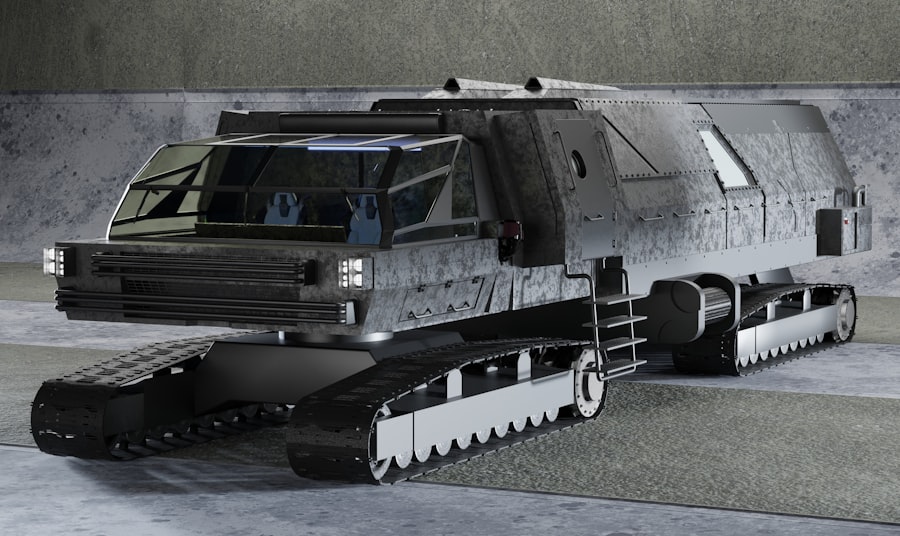
The ability to strike targets with unparalleled accuracy and the capacity to identify those targets with extreme precision are hallmarks of modern warfare. Innovations in munitions and sensing technologies are driving this precision revolution, reducing collateral damage and increasing the effectiveness of military operations.
Smart and Guided Munitions
The era of indiscriminate bombardment is largely giving way to precision strikes. Smart and guided munitions are designed to seek out and destroy specific targets with minimal deviation, greatly enhancing the effectiveness of firepower and reducing unintended casualties.
Insensitive Munitions and Reduced Collateral Damage
The development of insensitive munitions (IM) is a critical safety and operational advancement. IM are designed to be more resistant to accidental detonation, improving the safety of storage, handling, and transport. Furthermore, the inherent accuracy of guided munitions significantly reduces the likelihood of collateral damage, making military operations more discriminate. This is like swapping a sledgehammer for a laser-guided scalpel, delivering force only where and when it is needed.
Hypersonic and Advanced Missile Technologies
The pursuit of speed and accuracy has led to the development of hypersonic missiles, which travel at speeds exceeding Mach 5 and are incredibly difficult to intercept. These weapons offer a significant strategic advantage, enabling rapid engagement of distant targets. The development of re-entry vehicles and advanced propulsion systems are key to achieving these capabilities.
Next-Generation Sensors and Intelligence, Surveillance, and Reconnaissance (ISR)
Accurate targeting relies on accurate intelligence. Next-generation sensors and sophisticated ISR platforms are providing unprecedented situational awareness, feeding real-time data to decision-makers and guiding munitions with pinpoint accuracy.
Multi-Spectrum Sensing
Modern ISR platforms employ a variety of sensors, including electro-optical, infrared, radar, and acoustic sensors. By fusing data from these different spectrums, analysts can gain a more comprehensive and accurate understanding of the battlefield. This is like having eyes that can see in the visible light, heat signatures, and even perceive the world through sound, all at once.
Artificial Intelligence in Data Analysis
The sheer volume of data collected by ISR platforms is immense. Artificial intelligence (AI) is playing a crucial role in analyzing this data, identifying patterns, detecting anomalies, and flagging potential threats. AI-powered systems can process vast amounts of information much faster than human analysts, accelerating the intelligence cycle and improving decision-making speed.
Persistent ISR Capabilities
The ability to maintain continuous surveillance over an area is a game-changer. Advanced ISR platforms, including long-endurance UAVs and satellite constellations, provide persistent monitoring, allowing for the tracking of enemy movements and activities over extended periods. This provides a constantly updating picture of the operational environment, like having an all-seeing eye that never closes.
The Resilient Soldier: Medical and Protection Innovations
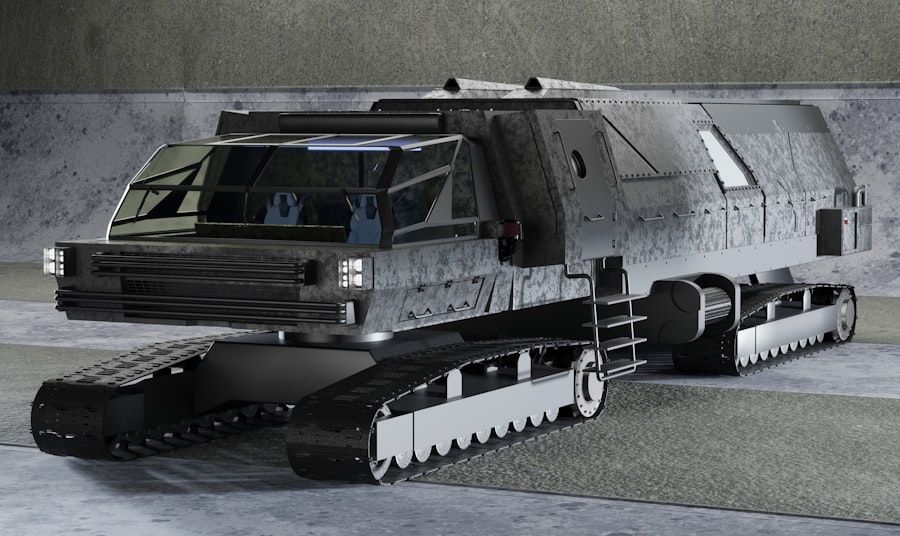
While technology advances on all fronts, the human element remains central to warfare. Innovations in medical care and soldier protection are aimed at keeping service members healthier, safer, and more effective on the battlefield.
Battlefield Medicine and Trauma Care
The front lines of medicine are as dynamic as the front lines of combat. Advances in battlefield medicine are focused on rapid stabilization, advanced trauma care, and improved evacuation procedures, significantly increasing survival rates for critically injured personnel.
Rapid Medical Intervention
The concept of “golden hour” trauma care is being reinforced through point-of-injury medical interventions. Combat medics are being equipped with more advanced tools and training, enabling them to provide life-saving care closer to the point of wounding. This includes advancements in hemorrhage control, advanced airway management, and tactical combat casualty care protocols.
Remote Surgery and Telemedicine
The integration of telemedicine and remote surgical capabilities is beginning to revolutionize casualty care. In remote or contested areas, specialists can guide local medical personnel through complex procedures via real-time video and data transmission. This extends the reach of expert medical care to those who need it most, regardless of their geographical isolation.
Advanced Prosthetics and Rehabilitation
For those who sustain injuries, the focus is shifting towards advanced rehabilitation and the development of sophisticated prosthetics. These are not just replacements for lost limbs; they incorporate advanced sensor technology and neural interfaces, allowing for greater dexterity and a more intuitive user experience. This is about restoring not just function, but also significantly improving the quality of life for wounded veterans.
Enhanced Personal Protection
Protecting the individual soldier from the myriad threats on the modern battlefield is a paramount concern. Innovations in body armor, helmets, and environmental protection are constantly evolving.
Lightweight and Advanced Materials
The development of new composite materials and nanotechnology is leading to the creation of lighter yet more protective body armor and helmets. These advancements offer improved ballistic protection without the significant weight burden that can hinder soldier mobility and endurance. This is like shedding a heavy medieval suit of armor for a feather-light yet impenetrable force field.
Environmental Protection and CBRN Defense
Soldiers operate in increasingly diverse and challenging environments. Innovations in personal protective equipment (PPE) are addressing threats from extreme temperatures, hazardous materials (Chemical, Biological, Radiological, and Nuclear – CBRN), and even advanced chemical agents. This includes improved respiratory protection, adaptive thermal regulation systems, and advanced suits that offer comprehensive defense against a wide range of environmental hazards. The ability to operate effectively in any climate or condition is crucial for global military operations.
Warfare innovations have significantly transformed military strategies and technologies over the years, shaping the outcomes of conflicts around the globe. A fascinating exploration of this topic can be found in a related article that discusses the evolution of modern combat tactics and the role of emerging technologies. For a deeper understanding of these advancements, you can read more about it in this insightful piece on Warfare Innovations. This article delves into how innovations like drones and cyber warfare are redefining the battlefield and influencing global security dynamics.
The Future of Warfare: Emerging Technologies and Strategic Shifts
| Innovation | Period | Description | Impact on Warfare | Example |
|---|---|---|---|---|
| Chariot Warfare | Bronze Age (c. 2000 BCE) | Use of horse-drawn chariots for mobility and speed in battle. | Increased battlefield mobility and tactical advantage. | Battle of Kadesh |
| Longbow | Medieval Period (c. 13th century) | Powerful bow capable of shooting arrows over long distances. | Allowed infantry to strike from afar, changing siege and battle tactics. | Battle of Agincourt |
| Gunpowder | Late Middle Ages (c. 14th century) | Explosive powder used in firearms and cannons. | Revolutionized warfare by introducing firearms and artillery. | Siege of Constantinople (1453) |
| Rifling | 16th-17th century | Grooves inside gun barrels to improve accuracy and range. | Increased firearm precision and lethality. | American Civil War |
| Machine Gun | Late 19th century | Automatic firearm capable of rapid fire. | Changed infantry tactics and increased battlefield casualties. | World War I |
| Tanks | World War I (1916) | Armored fighting vehicles designed to cross difficult terrain. | Provided breakthrough capability against trenches and fortifications. | Battle of the Somme |
| Radar | World War II | Technology to detect enemy aircraft and ships using radio waves. | Improved early warning and defense systems. | Battle of Britain |
| Precision-Guided Munitions | Late 20th century | Weapons guided by GPS or laser to hit specific targets. | Increased strike accuracy and reduced collateral damage. | Gulf War (1991) |
| Drones (UAVs) | 21st century | Unmanned aerial vehicles used for surveillance and strikes. | Enhanced reconnaissance and remote attack capabilities. | War on Terror |
The current wave of innovation is not an endpoint but a progression. Several emerging technologies and strategic shifts are poised to further redefine the nature of warfare in the coming decades.
The Promise and Peril of Directed Energy Weapons
Directed energy weapons (DEWs), such as lasers and high-powered microwaves, are moving from theoretical concepts to operational realities. These weapons offer unique advantages, including the ability to engage targets at the speed of light and with potentially limitless magazine depth, provided they have sufficient power.
Anti-Drone and Anti-Missile Applications
One of the most immediate applications for DEWs is in defending against unmanned threats. Lasers can be used to disable or destroy drones, while high-powered microwaves can disrupt the electronics of incoming missiles and other sensitive equipment. The precision and speed of DEWs make them particularly effective against fast-moving, low-cost targets.
The Challenge of Atmospheric Conditions
Despite their promise, DEWs face significant challenges, including the effects of atmospheric conditions such as rain, fog, and dust, which can interfere with beam propagation and reduce effectiveness. The development of advanced beam directors and adaptive optics is crucial to overcoming these limitations.
The Role of Artificial Intelligence in Command and Control
The integration of AI into command and control (C2) systems is set to revolutionize decision-making processes. AI can assist commanders by analyzing vast amounts of data, identifying optimal courses of action, and even automating certain tactical decisions.
AI-Assisted Decision Support
AI algorithms can process battlefield intelligence, predict enemy actions, and recommend the most effective responses. This can significantly speed up the decision cycle, allowing forces to react more swiftly to evolving threats. This is like having a brilliant, tireless strategist working alongside the commander, offering insights and options at an unprecedented pace.
The Future of Human-Machine Teaming
The future of C2 will likely involve a sophisticated form of human-machine teaming, where AI systems augment human capabilities rather than replacing them entirely. Commanders will leverage AI for its analytical power, while retaining ultimate authority and judgment. The ethical and practical implications of AI in autonomous decision-making are a subject of ongoing research and development.
Space as a Modern Battlefield
The expansion of human activity into space has inevitably led to its recognition as a strategic domain. The militarization of space, with the development of anti-satellite capabilities and space-based ISR systems, is transforming global security.
Space-Based ISR and Communication Dominance
Satellites provide unparalleled capabilities for intelligence, surveillance, reconnaissance, and global communication. Nations are investing heavily in space-based assets to maintain situational awareness and ensure secure communication networks. This elevates the importance of protecting these assets from attack and the potential for developing offensive space capabilities.
The Threat of Space Weapons
The development of anti-satellite weapons poses a significant threat to reliance on space-based infrastructure. A conflict in space could have devastating consequences for global communication, navigation, and military operations. The establishment of international norms and treaties governing the peaceful use of space remains a critical challenge.
The revolution in warfare is an ongoing narrative, one that is being written with every new technological breakthrough. The battlefield is becoming more complex, more interconnected, and more dependent on sophisticated technological capabilities. As these innovations continue to unfold, they will undoubtedly shape the future of international security and the very definition of conflict. It is imperative that these advancements are pursued with careful consideration of their ethical, legal, and strategic implications, ensuring that the pursuit of technological superiority does not outstrip humanity’s capacity for responsible stewardship of global peace and security.
FAQs
What are warfare innovations?
Warfare innovations refer to new technologies, strategies, and tactics developed to improve military effectiveness and gain advantages over opponents in combat situations.
How have warfare innovations impacted military history?
Warfare innovations have significantly shaped military history by changing the nature of combat, influencing the outcomes of wars, and prompting shifts in geopolitical power through advancements such as gunpowder, mechanized vehicles, and cyber warfare.
What are some notable examples of warfare innovations?
Notable examples include the invention of the longbow, the development of tanks and aircraft in World War I, the use of radar and nuclear weapons in World War II, and modern advancements like drones, precision-guided munitions, and cyber warfare capabilities.
How do modern warfare innovations affect global security?
Modern warfare innovations can both enhance national defense and create new security challenges, such as cyber attacks, autonomous weapons systems, and space-based technologies, which require updated international laws and defense strategies.
What role does technology play in the future of warfare innovations?
Technology plays a critical role by driving the development of advanced weaponry, communication systems, artificial intelligence, and surveillance tools, all of which are expected to shape the future battlefield and military operations.