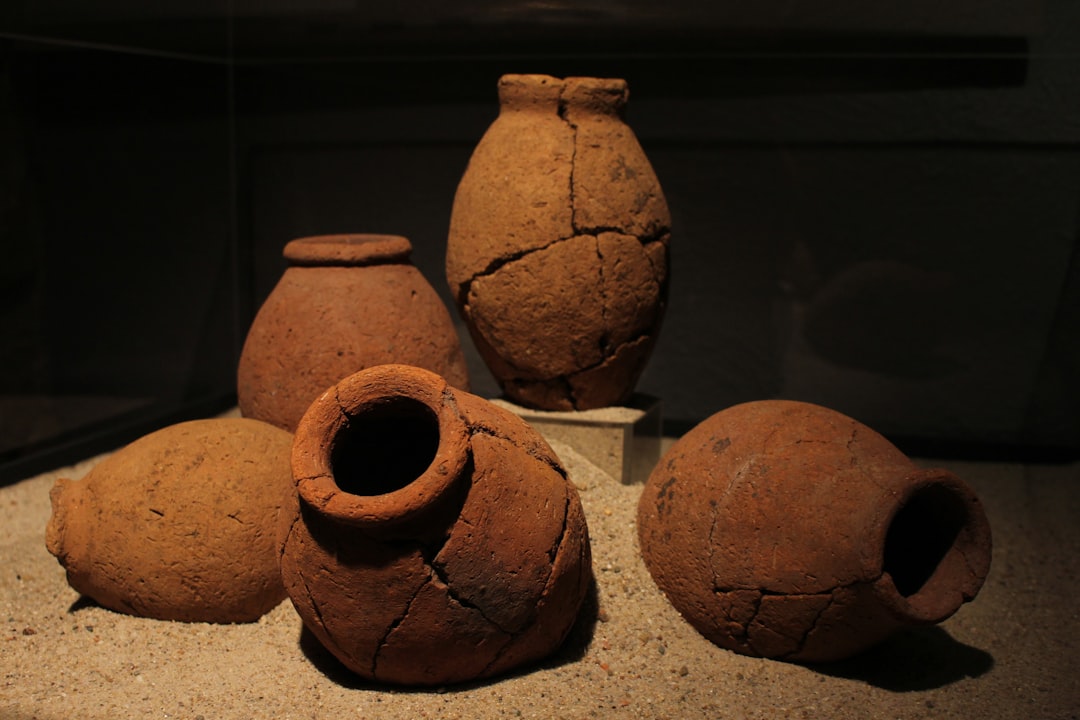
Archaeoacoustics is an emerging interdisciplinary field that explores the relationship between sound and ancient human activities. By examining how sound was produced, perceived, and utilized in historical contexts, researchers aim to uncover insights into the cultural practices and social structures of past civilizations. This innovative approach combines elements of archaeology, acoustics, anthropology, and musicology, allowing for a more nuanced understanding of how sound shaped human experiences in ancient environments.
As scholars delve deeper into this fascinating area of study, they are beginning to recognize the profound impact that sound had on rituals, communication, and even architectural design in various cultures. The significance of sound in human history cannot be overstated. From the rhythmic beats of drums in tribal ceremonies to the melodic chants of spiritual gatherings, sound has always played a crucial role in human expression and interaction.
Archaeoacoustics seeks to bridge the gap between the tangible artifacts left behind by ancient peoples and the intangible auditory experiences that may have accompanied them.
Key Takeaways
- Archaeoacoustics is the study of sound in archaeological contexts, aiming to understand the role of sound in ancient cultures and its impact on archaeological sites.
- Sound played a significant role in ancient cultures for communication, rituals, and ceremonies, and studying its use can provide insights into past societies and their beliefs.
- Techniques for studying archaeoacoustics include acoustic measurements, computer simulations, and experimental reconstructions to analyze the acoustic properties of archaeological sites and artifacts.
- Discoveries in archaeoacoustics have revealed the intentional design of ancient structures to manipulate sound, such as the use of resonance and echoes in ceremonial spaces.
- The impact of archaeoacoustics on archaeology is significant, as it offers a new perspective on ancient cultures and their use of sound, challenging traditional interpretations of archaeological sites.
The Role of Sound in Ancient Cultures
Throughout history, sound has served as a vital medium for communication and expression across diverse cultures. In many ancient societies, sound was intricately woven into the fabric of daily life, influencing everything from social interactions to spiritual practices. For instance, in ancient Greece, music was not merely entertainment; it was an essential component of education and philosophy.
The Greeks believed that music had the power to shape character and emotions, leading to the development of complex musical theories that explored the relationship between sound and morality. Similarly, in indigenous cultures around the world, sound has been used as a tool for storytelling, healing, and community bonding. Drumming circles, chanting, and vocal traditions have played significant roles in rituals and ceremonies, fostering a sense of belonging and shared identity among participants.
The use of sound in these contexts often transcends mere communication; it becomes a means of connecting with the spiritual realm and honoring ancestral traditions. By studying these practices through the lens of archaeoacoustics, researchers can gain valuable insights into how sound influenced social cohesion and cultural continuity in ancient societies.
Techniques for Studying Archaeoacoustics
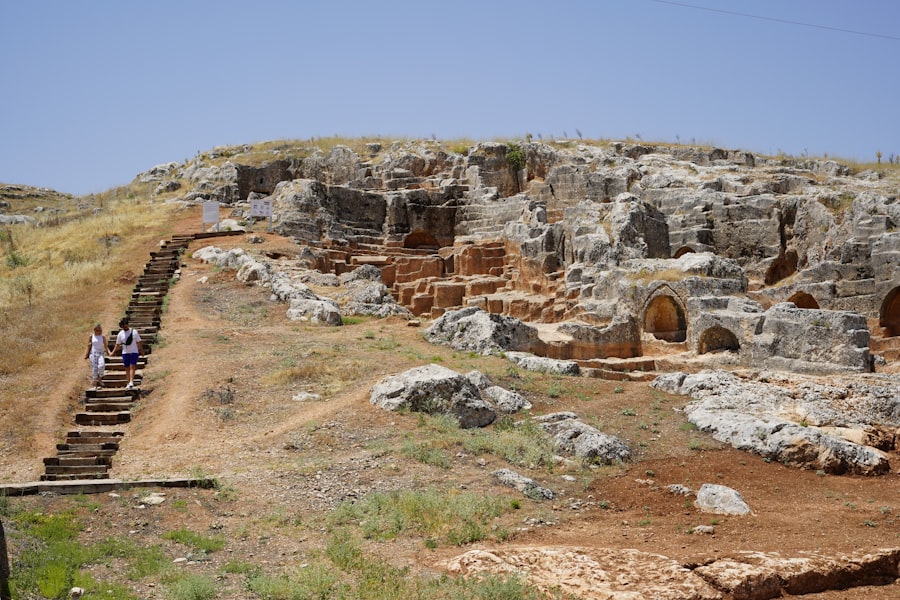
The study of archaeoacoustics employs a variety of techniques to analyze the acoustic properties of archaeological sites. One common method involves using specialized equipment to measure sound frequencies and reverberation within structures such as temples, caves, or amphitheaters. By capturing audio recordings and analyzing their characteristics, researchers can identify how sound behaves in these spaces and what implications this has for understanding their historical use.
In addition to acoustic measurements, researchers often utilize computer modeling to simulate how sound would have traveled within a given environment. This approach allows for a more comprehensive analysis of how architectural design influenced auditory experiences. For example, the orientation of a structure or the materials used in its construction can significantly affect how sound resonates within it.
By combining empirical data with theoretical models, scholars can reconstruct the auditory landscapes of ancient sites and explore their potential significance in cultural practices.
Discoveries in Archaeoacoustics
| Location | Discoveries | Year |
|---|---|---|
| Egypt | Sound chambers in the Great Pyramid | 2018 |
| Mexico | Ancient musical instruments in Mayan ruins | 2016 |
| Malta | Prehistoric temples with acoustic properties | 2014 |
Recent discoveries in the field of archaeoacoustics have shed light on the ways sound was integrated into ancient life. One notable example is the investigation of prehistoric caves, such as those found in France and Spain, where researchers have identified specific locations that produce unique acoustic effects. These findings suggest that early humans may have deliberately chosen these sites for rituals or gatherings based on their acoustic properties.
The interplay between sound and space in these caves raises intriguing questions about how our ancestors perceived their environment and utilized it for communal activities.
Studies have indicated that these monumental constructions were not only visually impressive but also acoustically significant.
Researchers have found that certain areas within these sites amplify sound or create echoes, suggesting that they may have been designed with auditory experiences in mind. Such findings challenge traditional interpretations of these structures as mere astronomical observatories or burial sites, highlighting the importance of sound in their cultural significance.
Theories and Speculations in Archaeoacoustics
As archaeoacoustics continues to evolve as a field of study, various theories and speculations have emerged regarding the role of sound in ancient cultures. One prominent theory posits that sound played a crucial role in ritualistic practices, serving as a conduit for spiritual experiences. This idea is supported by evidence from various archaeological sites where musical instruments have been found alongside ceremonial artifacts.
Researchers speculate that these instruments were used to create specific auditory environments that facilitated altered states of consciousness during rituals. Another area of speculation revolves around the potential for sound to influence social dynamics within ancient communities. Some scholars suggest that communal music-making may have fostered social cohesion and cooperation among group members.
This theory aligns with contemporary research on the psychological effects of music on group behavior, indicating that shared musical experiences can enhance feelings of belonging and unity. By exploring these theories through an archaeoacoustic lens, researchers can deepen their understanding of how sound shaped social structures and cultural practices in ancient societies.
The Impact of Archaeoacoustics on Archaeology

The integration of archaeoacoustics into archaeological research has profound implications for the discipline as a whole. By considering sound as a critical element of human experience, archaeologists can develop more holistic interpretations of archaeological sites and artifacts. This shift in perspective encourages researchers to move beyond visual analysis alone and consider how auditory experiences may have influenced cultural practices.
Moreover, archaeoacoustics has the potential to enhance public engagement with archaeology. As researchers share their findings about the acoustic properties of ancient sites, they can create immersive experiences that allow audiences to connect with history on a sensory level. This approach not only enriches educational initiatives but also fosters a greater appreciation for the complexities of past cultures.
By highlighting the significance of sound in archaeological contexts, archaeoacoustics invites a broader audience to explore the richness of human history.
Controversies and Debates in the Field of Archaeoacoustics
Despite its growing popularity, archaeoacoustics is not without its controversies and debates. One major point of contention revolves around the interpretation of acoustic data collected from archaeological sites. Critics argue that some researchers may overstate the significance of their findings or draw conclusions that lack sufficient empirical support.
This skepticism highlights the need for rigorous methodologies and peer-reviewed studies within the field to ensure that claims are substantiated by reliable evidence. Additionally, there are ongoing discussions about the ethical implications of studying sound in archaeological contexts. Some scholars raise concerns about appropriating indigenous musical traditions or misrepresenting cultural practices through modern interpretations of ancient sounds.
As archaeoacoustics continues to develop as a discipline, it is essential for researchers to navigate these ethical considerations thoughtfully and respectfully, ensuring that their work honors the cultural heritage they seek to understand.
Practical Applications of Archaeoacoustics
The practical applications of archaeoacoustics extend beyond academic research; they also hold potential for various fields such as heritage conservation and tourism. By understanding the acoustic properties of historical sites, conservationists can develop strategies to preserve these environments while maintaining their auditory integrity. This approach ensures that future generations can experience not only the visual aspects of these sites but also their unique sonic qualities.
In addition to conservation efforts, archaeoacoustics can enhance cultural tourism by offering visitors immersive experiences that engage multiple senses. Guided tours that incorporate soundscapes or live performances inspired by ancient music can create memorable encounters with history. Such initiatives not only enrich visitors’ understanding but also contribute to local economies by attracting tourists interested in unique cultural experiences.
Future Directions in Archaeoacoustics Research
As archaeoacoustics continues to gain traction within academic circles, future research directions are likely to expand its scope even further. One promising avenue involves interdisciplinary collaborations with fields such as neuroscience and psychology to explore how sound influences human cognition and emotion across cultures. By integrating insights from these disciplines, researchers can develop a more comprehensive understanding of how auditory experiences shaped human behavior throughout history.
Furthermore, advancements in technology will undoubtedly play a crucial role in shaping future research endeavors. Innovations in acoustic modeling software and data analysis techniques will enable researchers to conduct more sophisticated studies on sound propagation within archaeological sites. As new tools become available, scholars will be better equipped to investigate complex questions about the interplay between sound, space, and culture in ancient societies.
The Intersection of Archaeoacoustics and Neuroscience
The intersection between archaeoacoustics and neuroscience presents exciting opportunities for understanding how sound impacts human perception and behavior. Recent studies have shown that auditory stimuli can evoke powerful emotional responses and influence memory recall. By examining how ancient peoples may have experienced sound through a neurological lens, researchers can gain insights into the cognitive processes underlying musical practices and ritualistic behaviors.
Moreover, exploring this intersection could lead to new methodologies for studying ancient cultures. For instance, researchers might employ neuroimaging techniques to investigate how individuals respond to reconstructed sounds from archaeological contexts. Such studies could provide valuable data on how auditory experiences shaped social interactions and cultural expressions among ancient peoples.
Preserving and Protecting Acoustic Archaeological Sites
As interest in archaeoacoustics grows, so too does the need for preserving and protecting acoustic archaeological sites from degradation or destruction. Many historical locations are vulnerable to environmental factors such as noise pollution or urban development that can alter their acoustic properties irreversibly. Advocating for policies that prioritize the preservation of these sites is essential for ensuring that future generations can appreciate their unique sonic qualities.
Additionally, raising public awareness about the importance of acoustic heritage can foster greater appreciation for these sites among local communities and stakeholders. Educational initiatives aimed at highlighting the significance of sound in cultural heritage can encourage responsible tourism practices while promoting conservation efforts. By emphasizing the value of preserving both visual and auditory aspects of archaeological sites, researchers can contribute to a more holistic understanding of our shared human history.
In conclusion, archaeoacoustics represents a fascinating frontier in archaeological research that offers new insights into the role of sound in ancient cultures. Through innovative techniques and interdisciplinary collaborations, scholars are uncovering the profound impact that auditory experiences had on social dynamics, rituals, and cultural expressions throughout history. As this field continues to evolve, it holds promise not only for enhancing our understanding of past civilizations but also for informing contemporary practices related to heritage conservation and public engagement with history.
Archaeoacoustics is a fascinating field that explores the acoustic properties of ancient sites and artifacts, offering insights into how sound may have influenced historical human experiences. A related article that delves into the broader implications of sound in historical contexts can be found on Real Lore and Order. This article discusses various aspects of how sound has played a role in shaping cultural and historical narratives. For more information, you can read the full article by visiting Real Lore and Order.
WATCH THIS 🤯Ancient Tech That Should Not Exist
FAQs
What is archaeoacoustics?
Archaeoacoustics is the study of sound in archaeological sites and its potential effects on ancient cultures and societies. It involves the analysis of acoustics in ancient structures, such as caves, temples, and tombs, to understand how sound may have been used in rituals, communication, or other cultural practices.
What are the main goals of archaeoacoustics?
The main goals of archaeoacoustics are to understand how sound was utilized in ancient societies, to explore the potential cultural significance of acoustics in archaeological sites, and to investigate the possible connections between sound, architecture, and human behavior in the past.
How is archaeoacoustics studied?
Archaeoacoustics is studied through a combination of fieldwork, acoustic measurements, and analysis of archaeological sites. Researchers use specialized equipment to measure the acoustic properties of ancient structures and analyze the potential impact of sound on human activities within these spaces.
What are some examples of archaeoacoustic research findings?
Some examples of archaeoacoustic research findings include the discovery of specific acoustic features in ancient temples that may have enhanced religious rituals, the identification of sound-enhancing designs in prehistoric caves, and the potential use of sound for communication or social cohesion in ancient societies.
What are the implications of archaeoacoustics?
The implications of archaeoacoustics extend to our understanding of ancient cultures, religious practices, and social behaviors. By studying the role of sound in archaeological sites, researchers can gain insights into the sensory experiences and cultural significance of acoustics in the past.