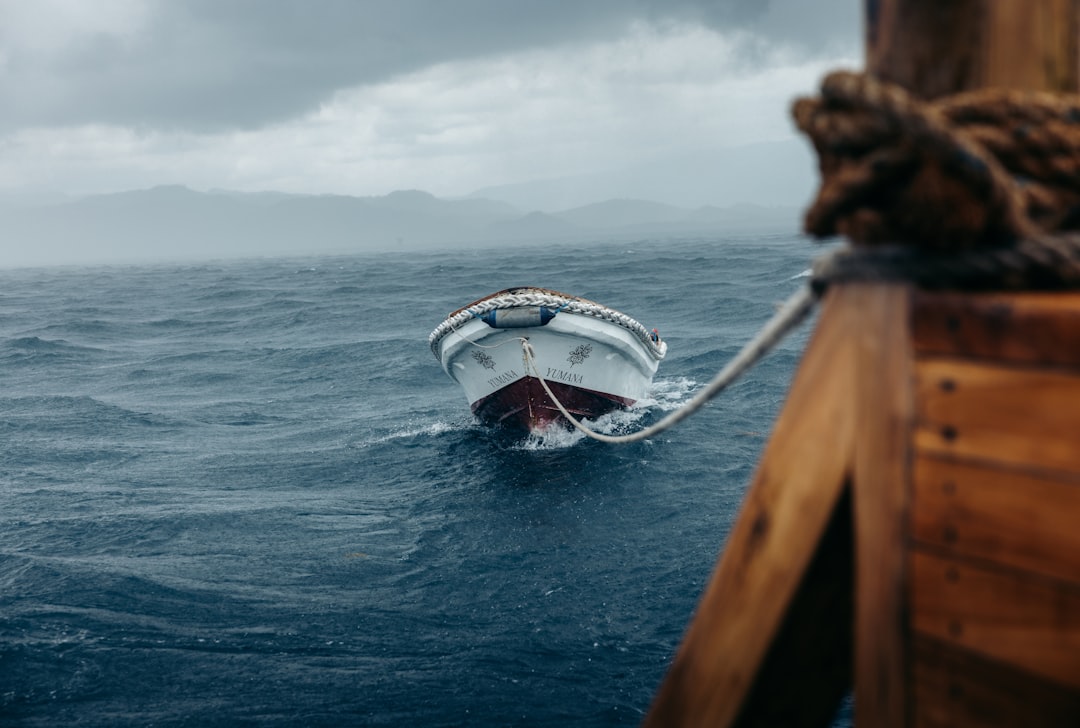
The vast expanse of the ocean, while breathtakingly beautiful, can quickly transform into a formidable adversary when the unexpected strikes. Whether through accidental capsizing, a vessel breaking apart, or becoming lost at sea, the ability to survive in such an unforgiving environment is paramount. Survival at sea is not a matter of luck; it is a testament to preparedness, knowledge, and the indomitable human will to endure. This article outlines key strategies and considerations for increasing one’s chances of survival when facing the challenges of being adrift.
For those interested in learning more about survival techniques in maritime environments, a related article can be found at Real Lore and Order. This resource provides valuable insights into essential skills and strategies that can significantly increase one’s chances of survival at sea, including navigation tips, emergency signaling methods, and advice on securing fresh water and food.
Understanding Your Environment: The Ocean as a Character
The ocean is not merely a passive backdrop to a survival situation; it is a dynamic, powerful force with its own set of rules and behaviors. Understanding its characteristics is the first step in mitigating its dangers and leveraging any potential advantages it might offer.
Weather Patterns and Their Implications
The weather at sea is notoriously fickle, capable of shifting from calm to tempestuous in a matter of hours. Familiarity with common weather patterns, their indicators, and their potential impact is crucial for survival.
Recognizing Storm Signs
Before a storm descends, subtle cues often precede its arrival. Observing the sky for rapidly darkening clouds, particularly those with a greenish hue, can signal an impending squall. The behavior of seabirds can also provide insights; their sudden disappearance from view or frantic flight inland often indicates deteriorating weather. A noticeable increase in the size and frequency of waves, even in seemingly calm conditions, can be another precursor to a storm. The air itself might become heavy, carrying a distinct smell of ozone or damp earth.
The Impact of Wind and Waves
Wind is the primary driver of waves, and their combined force can be overwhelming. Understanding fetch – the distance over which wind has blown continuously on the open water – helps gauge the potential size of waves. Large, rolling swells, even in the absence of strong surface winds, can be a sign of a distant storm’s energy propagating across the ocean. When preparing for rough seas, securing loose items becomes an immediate priority. For those already in the water, understanding how to position oneself relative to waves can prevent injury. Facing a breaking wave directly can lead to being submerged and potentially overwhelmed, whereas attempting to ride it or position oneself to the side can offer a slightly better chance of staying afloat.
Understanding Currents and Tides
Ocean currents, akin to invisible rivers within the sea, can significantly impact survival outcomes. They can carry a person or debris vast distances, either towards safety or further into peril.
Navigating with Currents
Before finding oneself at sea, researching typical current patterns in the intended area of travel is advisable. Once adrift, observing the movement of flotsam provides a visual cue to the prevailing current. If a distress signal can be activated, understanding how currents might carry the signal and affect search efforts is important. In certain situations, a survivor may attempt to use currents to their advantage, for instance, by steering towards a known shipping lane if one is suspected to be within the current’s path. However, this requires a degree of knowledge and control often unavailable to a survivor.
Tidal Influences
While ocean currents are generally predictable, tides introduce another layer of complexity. Tidal currents, driven by the gravitational pull of the moon and sun, can significantly affect water movement, especially in coastal areas. Understanding tidal charts, if available, can inform decisions about potential drift patterns. In shallow waters, tidal shifts can also reveal or submerge sandbars, which might offer temporary refuge or pose an entanglement hazard.
Temperature Regulation: Battling Hypothermia and Hyperthermia
The human body is a remarkable machine, but it has its limits, especially when exposed to extreme temperatures. Maintaining core body temperature is a constant battle for survival at sea.
The Threat of Hypothermia
Hypothermia, the dangerous lowering of core body temperature, is a primary killer at sea, even in seemingly temperate waters. The body loses heat approximately 25 times faster in water than in air.
The HELP Position and Huddle Technique
When in the water, conserving body heat is paramount. The Heat Escape Lessening Posture (HELP) involves drawing knees to the chest and wrapping arms around them, minimizing the surface area exposed to the cold water. If with other survivors, the huddle technique, where individuals group closely together, sharing body heat, is even more effective. Staying as still as possible also reduces heat loss through convection.
Insulating Yourself
Any available material that can provide insulation is an asset. Clothing, if it can be kept dry, can offer some protection, but wet clothing quickly becomes a conductor of heat away from the body. If a life raft or debris is available, climbing out of the water, even partially, can significantly slow heat loss. Improvised shelters within a life raft can further enhance insulation.
The Dangers of Hyperthermia
Conversely, prolonged exposure to direct sunlight and heat can lead to hyperthermia, including heat exhaustion and heatstroke. This is particularly relevant for survivors on rafts or debris in sunny conditions.
Seeking Shade and Reducing Exertion
On a life raft, shade is a precious commodity. Utilizing any available canopy or creating makeshift shade with clothing or tarpaulins is essential. Minimizing physical exertion during the hottest parts of the day conserves energy and reduces metabolic heat production. Staying hydrated is also critical, though water procurement can be a significant challenge.
Recognizing Symptoms
Symptoms of heat exhaustion include heavy sweating, cold, pale, and clammy skin, nausea, dizziness, and headache. Heatstroke, a more severe form, is characterized by a high body temperature, hot, red, dry or damp skin, rapid and strong pulse, confusion, and loss of consciousness. Prompt recognition and intervention are vital.
Signaling for Rescue: Becoming a Beacon of Hope
The most effective way to survive at sea is to be found. Initiating and maintaining effective distress signals increases the probability of detection by search and rescue (SAR) teams.
Visual Signals: Catching the Eye of Rescuers
When adrift, making oneself visible is crucial. A variety of methods can be employed to attract the attention of passing vessels or aircraft.
Flares and Pyrotechnics
Flares are perhaps the most universally recognized visual distress signal. Their bright, often red or orange light, is designed to be seen from a considerable distance.
Types and Deployment
Flares come in various forms, including handheld, aerial, and smoke signals. Handheld flares are typically used when a potential rescuer is in close proximity. Aerial flares are designed to be seen from a greater height. Smoke signals are most effective during daylight hours, producing a dense plume of colored smoke. It is crucial to deploy flares only when there is a reasonable chance of being seen, as their supply is limited. Firing them indiscriminately can lead to them being wasted before a genuine opportunity for rescue arises.
Safety Precautions
When deploying flares, it is essential to be aware of their hot burning tip and potential for ignition of nearby materials. Always aim the flare away from yourself and others, and be mindful of wind direction. Some flares can be dangerous if held incorrectly.
Mirrors and Reflective Surfaces
A simple signaling mirror can be an incredibly effective tool for attracting attention. The sun’s reflection can be directed towards potential rescuers, creating a bright flash.
The Art of Aiming
Using a signaling mirror effectively requires practice. The most common technique involves sighting the target through a hole in the mirror or by extending an arm with a finger pointing towards the target and aligning the mirror with the finger and target. The flash of reflected sunlight should be directed towards the vessel or aircraft. Even a piece of polished metal, a CD, or a shiny piece of debris can be used to create a similar effect.
High-Visibility Clothing and Materials
The color orange is widely recognized as a signal color in maritime safety. Wearing brightly colored clothing or using orange-colored materials for signaling purposes can significantly enhance visibility.
Inflatable Devices and Life Rafts
Many modern life rafts and inflatable devices are manufactured in bright, highly visible colors, often international orange. These are designed to be easily spotted against the blue of the ocean. If a life raft is deployed, its inherent visibility is a primary safety feature.
Divers and Swimmers
For divers or swimmers in distress, bright and contrasting colors are also advantageous. Specialized dive suits in neon colors or the use of bright signaling devices like whistles or small flags can improve detectability.
Auditory Signals: Making Your Presence Known
While visual signals are paramount during daylight, auditory signals can be effective in low-light conditions or when visibility is poor.
Whistles
A simple, high-pitched whistle can carry surprisingly far over the water. It is a low-tech but highly effective signaling device.
Consistent Signaling
The universally recognized distress signal is three short blasts. However, in a survival situation, consistent signaling can be more beneficial than adhering strictly to three-blast patterns, especially if there is uncertainty about the proximity of potential rescuers. The sound of a whistle cuts through the ambient noise of the sea and wind.
Other Audible Signals
Any object that can create a loud, distinctive sound can be used as an auditory signal. This includes banging on metal objects, shouting, or using improvised noisemakers.
The Importance of Sustained Sound
The key to auditory signaling is sustained sound or a clearly discernible pattern. If a ship is heard in the distance, making as much noise as possible can alert its crew to your presence.
Survival Equipment and Their Utilization: Tools of Resilience
The right equipment, even in the smallest quantities, can dramatically improve a survivor’s chances. Understanding how to use these items effectively is just as important as having them.
Life Rafts and Dinghies: Floating Havens
Life rafts and dinghies, when properly deployed, are invaluable assets in a survival scenario. They offer protection from the elements and a platform for signaling and resource management.
Inflation and Boarding Procedures
Familiarity with the inflation mechanism of a life raft and proper boarding procedures are critical. Rushing or incorrect deployment can damage the raft or lead to its inversion. Once inflated, boarding should be done calmly and systematically, prioritizing those with the greatest need.
Maintaining the Raft
A life raft is not a static shelter; it requires maintenance. Regular inspection of its integrity, securing any loose items, and managing its position to avoid being swamped by waves are essential tasks.
First-Aid Kits and Medical Supplies: Patching Up the Body
Minor injuries can quickly escalate into serious problems in a survival situation. A well-stocked first-aid kit is a crucial component of any survival plan.
Treating Common Ailments
Knowledge of basic first-aid, including how to treat cuts, burns, sprains, and dehydration, is vital. The ability to improvise bandages from available materials can be a lifesaver.
Wound Care and Infection Prevention
Preventing infection is paramount. Cleaning wounds thoroughly with fresh water (if available) and applying antiseptic treatment can significantly reduce the risk. Keeping wounds clean and dry is a constant challenge at sea.
Managing Seasickness
Seasickness can be debilitating, affecting a survivor’s ability to perform essential tasks. Medications, if available, should be used judiciously. Maintaining a stable position, focusing on the horizon, and avoiding strong smells can also help mitigate its effects.
Emergency Rations and Water: Fueling the Body
Sustaining physical and mental strength requires fuel. Carefully managed rations and water can provide the necessary energy for endurance.
Water Procurement and Rationing
Fresh water is a critical resource, and its rationing is essential. If a desalination kit is available, its use should be prioritized. Collecting rainwater is another option, though not always reliable. Dehydration can set in rapidly and severely impair cognitive function.
The Dangers of Drinking Seawater
Drinking seawater is a common and fatal mistake. The high salt content draws water from the body’s cells, accelerating dehydration and leading to kidney failure.
Nutritional Needs and Energy Balance
While the body can endure periods without food, a balanced intake of calories is necessary for sustained effort. Emergency rations are typically high in carbohydrates and, if possible, should be supplemented with any edible resources found.
Conserving Energy
When supplies are limited, conserving energy becomes a key strategy. Minimizing unnecessary movement, resting when possible, and prioritizing essential tasks are crucial.
Surviving at sea can be an incredibly daunting experience, but understanding the essential skills and strategies can make all the difference. For those interested in learning more about this topic, a related article offers valuable insights into the techniques that can help individuals navigate the challenges of ocean survival. You can read more about these crucial survival tips in this informative piece on survival at sea.
Psychological Fortitude: The Unseen Weapon
| Metric | Description | Typical Values / Data | Importance |
|---|---|---|---|
| Survival Time in Water | Duration a person can survive in open sea water without protection | 1-6 hours (varies with water temperature) | Critical for rescue timing and planning |
| Water Temperature | Temperature of sea water where survival occurs | 0°C to 30°C | Directly affects hypothermia risk and survival time |
| Hypothermia Onset Time | Time before hypothermia symptoms begin in cold water | 15-60 minutes (in water below 10°C) | Determines urgency of rescue and protective measures |
| Life Jacket Effectiveness | Ability of life jackets to keep a person afloat and face-up | 99% effective in preventing drowning | Essential for increasing survival chances |
| Dehydration Rate | Rate at which a person loses fluids while stranded at sea | Up to 1 liter per day without water intake | Limits survival duration without fresh water |
| Rescue Timeframe | Average time window for successful rescue at sea | Within 24-72 hours | Critical for survival planning and search operations |
| Exposure to Sun | Impact of sun exposure on survival (heatstroke, sunburn) | High risk after several hours without protection | Increases dehydration and heat-related illnesses |
Beyond physical preparedness and equipment, the mental aspect of survival at sea cannot be overstated. The psychological toll of being adrift can be immense, and cultivating mental resilience is as vital as any tangible item.
Maintaining Morale and Hope
The feeling of isolation and despair can be crushing. Maintaining a positive mental outlook, even in the direst circumstances, is crucial for survival.
Setting Realistic Goals
Breaking down the overwhelming challenge into smaller, achievable goals can provide a sense of accomplishment and combat feelings of helplessness. These could be as simple as checking the raft’s integrity, attempting to signal, or rationing water for the next hour.
The Power of Routine
Establishing a semblance of routine, even a rudimentary one, can provide structure and a sense of normalcy. This could involve designated times for observation, signaling, or rest.
The Importance of Teamwork and Communication
If with other survivors, effective teamwork and open communication are essential. Sharing responsibilities, offering encouragement, and resolving conflicts constructively can significantly boost morale and collective resilience.
Leaders and Followers
In a group survival situation, clear leadership, even if informal, can provide direction and purpose. Equally important is the ability of individuals to follow instructions and contribute to the group effort.
Dealing with Fear and Anxiety
Fear is a natural response to a life-threatening situation. Learning to manage and control fear, rather than letting it control you, is a critical skill.
Mindfulness and Present Moment Focus
Focusing on the present moment, rather than dwelling on past misfortunes or future uncertainties, can help alleviate anxiety. Practicing mindfulness techniques, even if basic, can help anchor survivors to reality.
Accepting the Uncontrollable
Recognizing that some aspects of the situation are beyond one’s control is an important step towards acceptance. Focusing energy on what can be influenced, such as maintaining signaling efforts or conserving resources, is a more productive approach.
The Role of Distraction and Purpose
Engaging in activities that provide a sense of purpose or distraction can be beneficial. This could involve trying to identify distant objects, discussing hopeful scenarios, or engaging in light conversation.
The Will to Live: An Intrinsic Drive
Ultimately, the human will to live is a powerful force that can drive individuals to extraordinary lengths. This intrinsic drive, coupled with preparedness and resilience, forms the bedrock of survival at sea. It is the quiet determination that whispers, “I will endure,” even when facing the vast and indifferent ocean.
FAQs
What are the essential items to have for survival at sea?
Essential items for survival at sea include a life jacket, emergency signaling devices (such as flares or a whistle), fresh water, non-perishable food, a first aid kit, a knife or multi-tool, a waterproof flashlight, and a means of communication like a radio or satellite phone.
How can you find and collect drinking water while stranded at sea?
Drinking water can be collected by catching rainwater using any available containers or fabric. Desalination devices or solar stills can also be used to convert seawater into drinkable water. It is crucial to avoid drinking seawater directly, as it can lead to dehydration.
What are some effective methods to signal for help when stranded at sea?
Effective signaling methods include using brightly colored clothing or materials, mirrors to reflect sunlight, flares, whistles, and emergency radios. Creating large symbols on floating debris or using smoke signals can also attract the attention of rescuers.
How can you protect yourself from the elements while stranded at sea?
Protection from the elements can be achieved by using available materials to create shade or shelter, wearing protective clothing, and staying hydrated. Avoiding direct sun exposure during peak hours and using sunscreen can help prevent sunburn and heatstroke.
What are the basic survival skills needed to increase chances of rescue at sea?
Basic survival skills include maintaining calm and conserving energy, rationing food and water, knowing how to use signaling devices, understanding how to navigate using the sun or stars, and performing basic first aid. Staying positive and alert increases the likelihood of rescue.