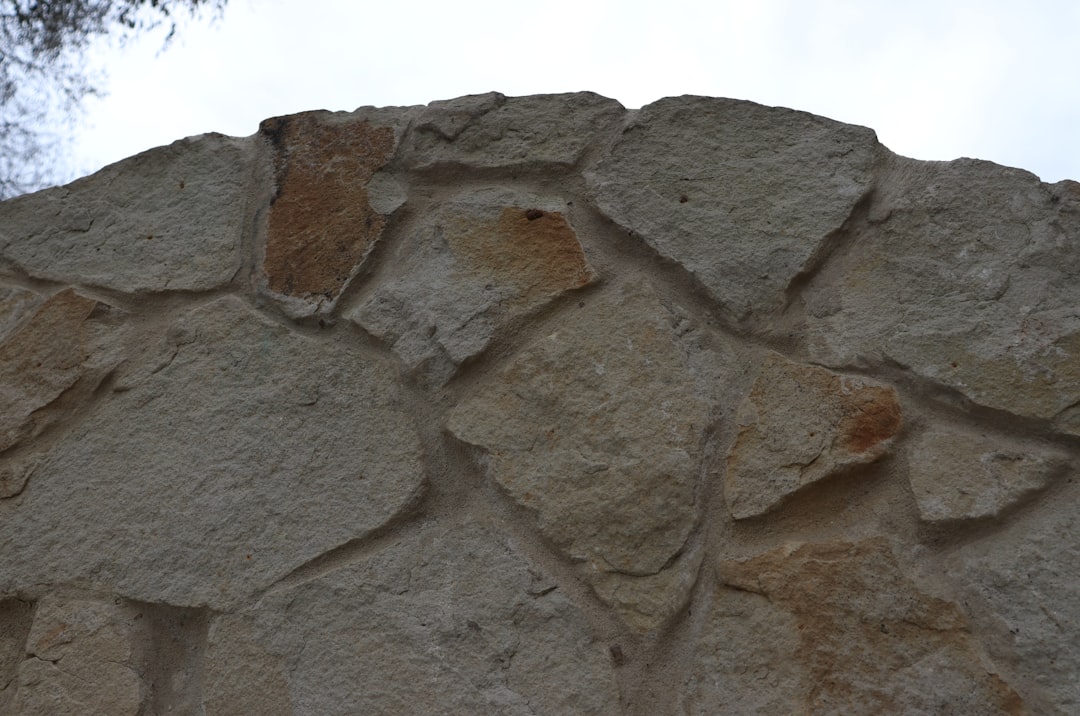
Baalbek, a city nestled in the Beqaa Valley of Lebanon, is renowned for its colossal stone structures that have captivated historians, archaeologists, and tourists alike. The site is home to some of the largest stones ever used in construction, with the most famous being the Trilithon stones, which weigh an astonishing 800 tons each. These massive blocks of limestone are not only a testament to the engineering prowess of ancient civilizations but also a source of intrigue and speculation regarding the methods employed to transport and manipulate such enormous materials.
The sheer scale of these stones raises questions about the capabilities of the societies that constructed them, leading to a deeper exploration of Baalbek’s historical and cultural significance. The grandeur of Baalbek’s architecture is matched only by the mysteries surrounding its origins. The site has been a focal point for various civilizations over millennia, including the Phoenicians, Romans, and Byzantines.
Each culture left its mark on Baalbek, contributing to its rich tapestry of history. As visitors stand before the towering columns and massive stone blocks, they are not merely observing remnants of a bygone era; they are engaging with a narrative that spans thousands of years, filled with stories of worship, power, and human ingenuity.
Key Takeaways
- Baalbek’s massive stones are some of the largest and heaviest in the world, found in the temple complex in Lebanon.
- The construction of Baalbek’s temple complex is a remarkable feat, with the use of massive stones and precise engineering techniques.
- The trilithon stones at Baalbek are a mystery, as their purpose and method of construction are still not fully understood.
- Various theories exist on how the massive stones at Baalbek were moved, including the use of ramps, cranes, and advanced ancient technology.
- Baalbek is an ancient engineering marvel, showcasing the advanced skills and knowledge of the builders in antiquity.
The Construction of Baalbek’s Temple Complex
The construction of Baalbek’s temple complex is a remarkable feat that showcases the architectural and engineering skills of ancient builders. The most prominent structure within this complex is the Temple of Jupiter, which was dedicated to the chief deity of the Roman pantheon. This temple was built during the Roman Empire’s zenith in the first century AD and was designed to reflect the power and grandeur of Rome itself.
The sheer size of the temple, with its towering columns and intricate carvings, speaks volumes about the ambition and resources available to its creators. The construction process involved not only skilled labor but also advanced techniques that have puzzled modern engineers. The use of massive stones, some weighing as much as 1,000 tons, required innovative methods for quarrying, transporting, and positioning these blocks with precision.
The builders employed a combination of ramps, levers, and manpower to move these colossal stones from nearby quarries to their final resting places. The meticulous planning and execution involved in this monumental task highlight the sophisticated understanding of engineering principles possessed by ancient civilizations.
The Enigma of the Trilithon Stones

Among Baalbek’s many architectural wonders, the Trilithon stones stand out as an enigma that continues to baffle researchers and enthusiasts alike. These three massive stones form a part of the foundation for the Temple of Jupiter and are renowned for their immense size and weight. Each stone measures approximately 19 feet in length and weighs around 800 tons, making them some of the largest building blocks in the world.
Their sheer scale raises questions about how ancient builders could have possibly moved and positioned them with such precision. The Trilithon stones are not only remarkable for their size but also for their craftsmanship. The stones are cut with such precision that they fit together seamlessly without the need for mortar.
This level of engineering suggests a sophisticated understanding of stone masonry that was far ahead of its time. Various theories have emerged regarding their construction, ranging from advanced technology to extraterrestrial intervention, but no definitive explanation has been universally accepted. The mystery surrounding the Trilithon stones adds an element of intrigue to Baalbek, drawing visitors who are eager to uncover the secrets of this ancient site.
Theories on How the Stones Were Moved
| Theory | Explanation | Evidence |
|---|---|---|
| Ramps | Stones were moved using inclined planes or ramps. | Remnants of ramps found near some ancient sites. |
| Rollers | Stones were placed on logs or rollers and pushed or pulled. | Historical accounts of similar methods used in construction. |
| Levers | Stones were lifted and moved using levers and fulcrums. | Depictions of lever systems in ancient artwork. |
The transportation of Baalbek’s massive stones has sparked numerous theories over the years, each attempting to explain how ancient builders accomplished such an extraordinary feat. One prevalent theory suggests that the builders utilized a system of sledges and rollers to move the stones across the terrain. This method would have involved placing logs or cylindrical objects beneath the stones to reduce friction, allowing teams of workers to pull them over long distances.
While this theory is plausible, it raises further questions about how such large teams could have been organized and how they managed to navigate challenging landscapes. Another theory posits that water was used to facilitate movement. By creating a wet surface beneath the stones, builders could have reduced friction significantly, making it easier to slide them into place.
This method would require an understanding of hydraulics and careful planning to ensure a consistent water supply. Additionally, some researchers have speculated that ancient builders may have employed levers or cranes made from wood to lift and position these massive stones accurately. Despite these theories, no conclusive evidence has emerged to definitively explain how the Trilithon stones were moved, leaving room for continued exploration and debate.
The Ancient Engineering Marvel of Baalbek
Baalbek stands as a testament to ancient engineering marvels that continue to inspire awe today. The precision with which the massive stones were cut and assembled reflects an advanced understanding of geometry and structural integrity that was remarkable for its time. The layout of the temple complex itself demonstrates a keen awareness of aesthetics and functionality, with each structure carefully positioned to create a harmonious whole.
The use of local materials combined with innovative construction techniques allowed ancient builders to create a site that has endured for centuries. The engineering achievements at Baalbek extend beyond mere stone placement; they encompass an entire philosophy of construction that prioritized durability and beauty. The temples were designed not only as places of worship but also as symbols of power and prestige for those who commissioned them.
The ability to construct such monumental structures in an era without modern machinery speaks volumes about human ingenuity and determination. As researchers continue to study Baalbek’s architecture, they uncover insights into ancient engineering practices that can inform contemporary construction methods.
The Religious Significance of Baalbek

Baalbek’s temple complex was not merely an architectural achievement; it held profound religious significance for the civilizations that inhabited the region. Originally dedicated to Baal, a Canaanite deity associated with fertility and storms, the site later became a center for Roman worship when it was transformed into a temple complex dedicated to Jupiter. This transition reflects the cultural syncretism that characterized ancient societies as they absorbed and adapted elements from one another.
The temples at Baalbek served as focal points for religious ceremonies and festivals, drawing worshippers from far and wide.
Additionally, Baalbek’s strategic location made it an important pilgrimage site in antiquity, further solidifying its status as a center of spiritual significance in the ancient world.
Baalbek’s Place in Ancient History
Baalbek occupies a unique position in ancient history as a crossroads of cultures and civilizations. Its strategic location in the Beqaa Valley made it an essential hub for trade routes connecting various regions, including Phoenicia, Syria, and Mesopotamia. This geographical advantage facilitated cultural exchange and interaction among diverse peoples, contributing to Baalbek’s rich historical tapestry.
Throughout its history, Baalbek has witnessed the rise and fall of empires, each leaving its mark on the city. From its origins as a Phoenician settlement to its transformation into a Roman religious center, Baalbek has been shaped by various influences that reflect broader historical trends. The remnants of these civilizations can still be seen today in the architectural styles and religious practices that have evolved over time, making Baalbek a living testament to humanity’s shared past.
Modern Discoveries and Research at Baalbek
In recent years, modern discoveries at Baalbek have shed new light on its historical significance and architectural achievements. Archaeological excavations have uncovered additional structures and artifacts that provide insights into daily life in ancient Baalbek. These findings have helped researchers piece together a more comprehensive understanding of the city’s development over time.
Technological advancements have also played a crucial role in modern research at Baalbek. Non-invasive techniques such as ground-penetrating radar have allowed archaeologists to explore subsurface features without disturbing the site itself. This approach has revealed hidden structures and provided valuable information about the layout of the temple complex.
As research continues, scholars hope to uncover even more about Baalbek’s past, further enriching our understanding of this remarkable site.
The Cultural and Archaeological Importance of Baalbek
Baalbek’s cultural and archaeological importance cannot be overstated. As one of Lebanon’s most significant historical sites, it attracts scholars, tourists, and pilgrims from around the world who seek to connect with its rich heritage. The site’s inclusion on UNESCO’s World Heritage List underscores its global significance as a cultural treasure that embodies human creativity and achievement.
The preservation of Baalbek is vital not only for Lebanon but also for humanity as a whole. It serves as a reminder of our shared history and the enduring legacy of ancient civilizations. Efforts to protect and conserve Baalbek’s structures are essential for ensuring that future generations can appreciate its beauty and learn from its past.
Baalbek’s Influence on Architecture and Engineering
Baalbek has left an indelible mark on architecture and engineering throughout history. Its monumental structures have inspired countless architects and builders across different cultures and eras. The use of massive stone blocks in construction can be seen in various architectural styles worldwide, reflecting Baalbek’s influence on design principles.
Moreover, Baalbek’s engineering techniques have informed modern construction practices by demonstrating innovative methods for moving and assembling large materials. As contemporary architects seek inspiration from ancient designs, Baalbek serves as a source of knowledge that bridges past achievements with present-day innovations.
Preserving and Protecting Baalbek’s Massive Stones
The preservation and protection of Baalbek’s massive stones are paramount in ensuring that this historical site endures for future generations. Environmental factors such as erosion, pollution, and climate change pose significant threats to these ancient structures. Efforts are underway to implement conservation strategies that address these challenges while respecting the site’s integrity.
Collaboration between local authorities, international organizations, and conservation experts is essential for safeguarding Baalbek’s heritage. By raising awareness about its cultural significance and promoting sustainable tourism practices, stakeholders can help protect this invaluable site from further deterioration. As custodians of history, it is their responsibility to ensure that Baalbek continues to inspire wonder and admiration for centuries to come.
In conclusion, Baalbek stands as a monumental testament to human ingenuity and creativity throughout history. Its massive stones tell stories not only of architectural prowess but also of cultural exchange and religious significance across civilizations. As modern research continues to unveil new discoveries at this ancient site, it remains an enduring symbol of our shared heritage—a place where past meets present in an awe-inspiring display of human achievement.
The mystery of how the massive stones of Baalbek were moved has intrigued historians and archaeologists for centuries. These colossal stones, some weighing over a thousand tons, were transported and precisely placed in the ancient temple complex in Lebanon, leaving experts to ponder the methods used by ancient builders. A related article on this topic can be found on Real Lore and Order, which delves into the various theories and historical insights surrounding the transportation of these megaliths. For more detailed information, you can read the article by visiting com/’>Real Lore and Order.
WATCH THIS 🤯Ancient Tech That Should Not Exist
FAQs
What is Baalbek?
Baalbek is an ancient city located in present-day Lebanon. It is famous for its impressive Roman ruins, particularly the Temple of Jupiter.
How were the Baalbek stones moved?
The exact method of how the Baalbek stones were moved is still a subject of debate among historians and archaeologists. The stones used in the construction of the Temple of Jupiter are some of the largest and heaviest stones ever used in a construction project. It is believed that the stones were quarried nearby and then transported to the construction site using a combination of sledges, rollers, and possibly levers and cranes.
How big are the Baalbek stones?
The Baalbek stones, also known as the Trilithon, are three massive stone blocks located in the foundation of the Temple of Jupiter. The largest of the three stones weighs an estimated 800 tons and measures approximately 19.6 meters long, 6 meters high, and 5.5 meters wide.
What is the significance of the Baalbek stones?
The Baalbek stones are significant because of their immense size and the mystery surrounding how they were moved and placed in their current location. The construction of the Temple of Jupiter at Baalbek is a testament to the engineering and architectural prowess of the ancient Romans. The site continues to attract tourists and researchers interested in ancient construction techniques.